×

Hong Kong🇭🇰 | attractionsXiqu CentreChinese opera, contemporary theatre, architectural landmark | things to do and best time to go

Explore Hong Kong Cultural CentreExplore Hong Kong Museum of Art

Backpacking in Xiqu Centre
👀 For curious travelersattraction ranked #17
By Johan Kruseman 🇳🇱 | Updated September 4, 2026

Here’s what nobody tells you: Xiqu Centre is one of the rare places in Hong Kong where you can walk in off the street, snag a same-day ticket, and experience world-class Cantonese opera without planning months ahead or fighting a mob of selfie sticks. Smack in the heart of West Kowloon, it’s easy to reach—just a few minutes from the high-speed rail station, but a universe away from the chaos of Tsim Sha Tsui’s malls. The building itself is a showstopper, but the real magic is inside: centuries-old art performed with raw, live-wire energy. Yes, the crowd skews local and the English surtitles can lag, but the vibe is electric, tickets are surprisingly affordable, and you’ll leave with a story that’s pure Hong Kong—no filter required.

Discover everything you want to know in the 📖 Hong Kong Travel Guide.
Loading the map 🌍
CLICK TO FILTER
towns
landmarks
national parks
hikes
beaches
attractions
festivals
regions
SHOW COUNTRY’S BESTSHOW ALL

✨ Why go?
Ranked #17 attraction in Hong Kong
Why visitors keep coming back

The Xiqu Centre in Hong Kong isn’t just another shiny building to tick off your list. Sure, it’s an architectural icon with its sweeping curves and glass façade, but what really hooks backpackers is the deep cultural pulse it channels. This place is the beating heart of Cantonese opera, a centuries-old art form that’s raw, emotional, and unlike anything you’ll catch on a typical tourist route. Yes, it can get crowded, especially during performances, and tickets aren’t dirt cheap—but the payoff is huge. Watching a live show here is like stepping into a living history lesson, where every gesture and costume tells a story rooted in Hong Kong’s identity. For those trekking through the city’s cultural landmarks, the Xiqu Centre is a major milestone—a place where tradition and modernity collide, … read more 👉
The Xiqu Centre in Hong Kong isn’t just another shiny building to tick off your list. Sure, it’s an architectural icon with its sweeping curves and glass façade, but what really hooks backpackers is the deep cultural pulse it channels. This place is the beating heart of Cantonese opera, a centuries-old art form that’s raw, emotional, and unlike anything you’ll catch on a typical tourist route. Yes, it can get crowded, especially during performances, and tickets aren’t dirt cheap—but the payoff is huge. Watching a live show here is like stepping into a living history lesson, where every gesture and costume tells a story rooted in Hong Kong’s identity. For those trekking through the city’s cultural landmarks, the Xiqu Centre is a major milestone—a place where tradition and modernity collide, offering a rare, adrenaline-charged glimpse into a world most visitors miss.
Want to include Xiqu Centre in your Hong Kong route?
Create a personalized Hong Kong itinerary that includes Xiqu Centre and the places that fit your trip — based on your travel style, budget, and available time. Get your route in seconds.

Generate my trip

💡 HighlightsKey sights and experiences for travelers

Grand Theatre Performances
This is where Cantonese opera gets the full IMAX treatment. Forget the dusty stereotypes—here, the art form is alive, loud, and visually wild. The acoustics are razor-sharp, the costumes are a riot of color, and the stage tech is world-class. You’re not just watching a show; you’re getting a sensory blitz that makes you forget you’re in a shopping district and not a fever dream of Hong Kong’s past and future colliding.


Tea House Theatre Experience
This is the antidote to the “Instagram trap” of snapping a selfie and leaving. In the Tea House, you sit elbow-to-elbow with locals and opera diehards, sipping real tea (not the overpriced, watered-down stuff) while a curated selection of short performances unfolds. It’s intimate, it’s bilingual, and it’s designed to demystify … read more 👉
Grand Theatre Performances
This is where Cantonese opera gets the full IMAX treatment. Forget the dusty stereotypes—here, the art form is alive, loud, and visually wild. The acoustics are razor-sharp, the costumes are a riot of color, and the stage tech is world-class. You’re not just watching a show; you’re getting a sensory blitz that makes you forget you’re in a shopping district and not a fever dream of Hong Kong’s past and future colliding.


Tea House Theatre Experience
This is the antidote to the “Instagram trap” of snapping a selfie and leaving. In the Tea House, you sit elbow-to-elbow with locals and opera diehards, sipping real tea (not the overpriced, watered-down stuff) while a curated selection of short performances unfolds. It’s intimate, it’s bilingual, and it’s designed to demystify the art form for newcomers without dumbing it down. You’ll leave with actual context, not just a souvenir program.


Backstage Guided Tours
If you want to see the guts of the place, this is your ticket. The tours pull back the curtain—literally—on the mechanics of Cantonese opera. You’ll see the makeup rooms, the costume racks, and the labyrinthine backstage corridors. It’s not glamorous, but it’s fascinating. You’ll walk away with a new respect for the sheer logistics behind a two-hour spectacle.


Architectural Walkthrough
The building itself is a statement. The façade looks like a giant lantern sliced open, and the interior is a maze of curves, light, and shadow. It’s not just for show—the design channels sound, cools the space, and creates a sense of ceremony before you even hit your seat. If you’re into architecture, this is a rare chance to see a modern cultural landmark that actually works for its intended purpose, not just for magazine spreads.


Interactive Workshops
You can try your hand at the basics—movement, singing, or even stage combat. These aren’t touristy sideshows; they’re run by real performers who don’t sugarcoat how hard it is to make this stuff look effortless. You’ll sweat, you’ll laugh, and you’ll never look at a Cantonese opera mask the same way again.
Spotted a mistake or missing something? Contact us.

Things to do around Xiqu Centre

Ratings based on Tripadvisor reviews. When you book through this link, you support our work at no extra cost to you.

🌤️ When to go?Best time to visit Xiqu Centre


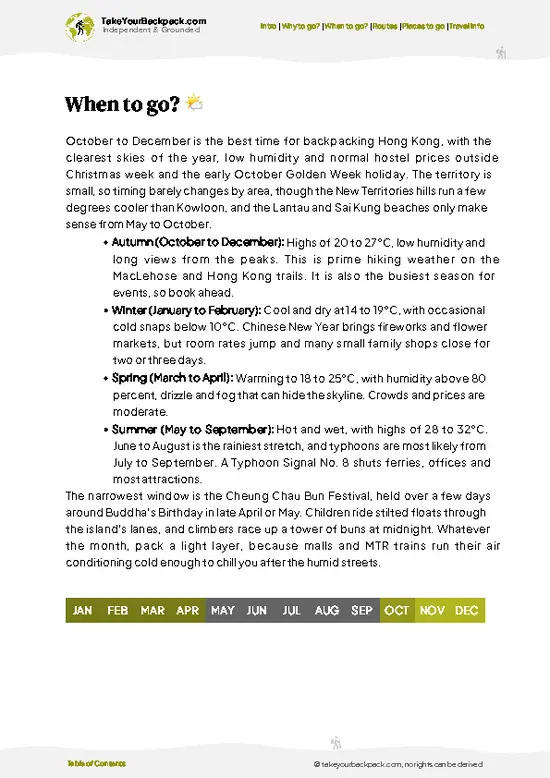
  • Topic: Weather – Hong Kong’s subtropical climate means summers (June to August) are hot and sticky, often hitting 28-32°C (82-90°F) with heavy rain and typhoons. Winters (December to February) are mild and dry, around 14-20°C (57-68°F), making it easier to explore without sweating buckets.

  • Topic: Temperature – Spring (March to May) offers comfortable temps between 18-26°C (64-79°F), perfect for wandering around the Xiqu Centre without overheating or bundling up.

  • Topic: Daylight Hours – From March to September, you get longer days, roughly 12-14 hours of daylight, giving you more time to soak in performances and the surrounding West Kowloon area.

  • Topic: Crowds – Weekends and public holidays pack the Xiqu Centre with locals and tourists alike, especially during Chinese New Year (January/February)
read more 👉

  • Topic: Weather – Hong Kong’s subtropical climate means summers (June to August) are hot and sticky, often hitting 28-32°C (82-90°F) with heavy rain and typhoons. Winters (December to February) are mild and dry, around 14-20°C (57-68°F), making it easier to explore without sweating buckets.

  • Topic: Temperature – Spring (March to May) offers comfortable temps between 18-26°C (64-79°F), perfect for wandering around the Xiqu Centre without overheating or bundling up.

  • Topic: Daylight Hours – From March to September, you get longer days, roughly 12-14 hours of daylight, giving you more time to soak in performances and the surrounding West Kowloon area.

  • Topic: Crowds – Weekends and public holidays pack the Xiqu Centre with locals and tourists alike, especially during Chinese New Year (January/February) and the Mid-Autumn Festival (September/October). Weekdays are your best bet for a quieter experience.

  • Topic: Seasonal Activities – The Centre’s calendar peaks around traditional Chinese festivals when special performances light up the stage, adding cultural depth but also driving up demand and prices.

  • Topic: Price Fluctuations – Ticket prices spike during festival seasons and weekends. Booking in advance during off-peak months like March or November can save you some serious cash.


Pro-tip: Aim for late autumn (October-November) when the weather is crisp, crowds thin, and the cultural calendar still offers rich performances without the premium price tag.


source: climatestotravel.comJANJanuary: good for travelingFEBFebruary: good for travelingMARMarch: excellent for travelingAPRApril: excellent for travelingMAYMay: highly recommended for travelingJUNJune: fair for travelingJULJuly: fair for travelingAUGAugust: fair for travelingSEPSeptember: good for travelingOCTOctober: highly recommended for travelingNOVNovember: excellent for travelingDECDecember: highly recommended for traveling
when-to-go

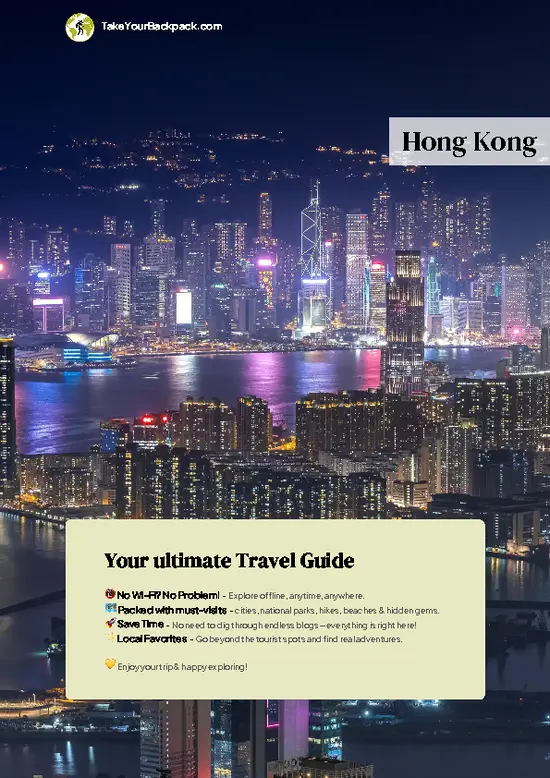
✈️ The backpacker research shortcutHong Kong Travel Guide

An offline-friendly backpacking guide with optimized travel routes, ranked highlights, transport advice, and the best areas to stay.
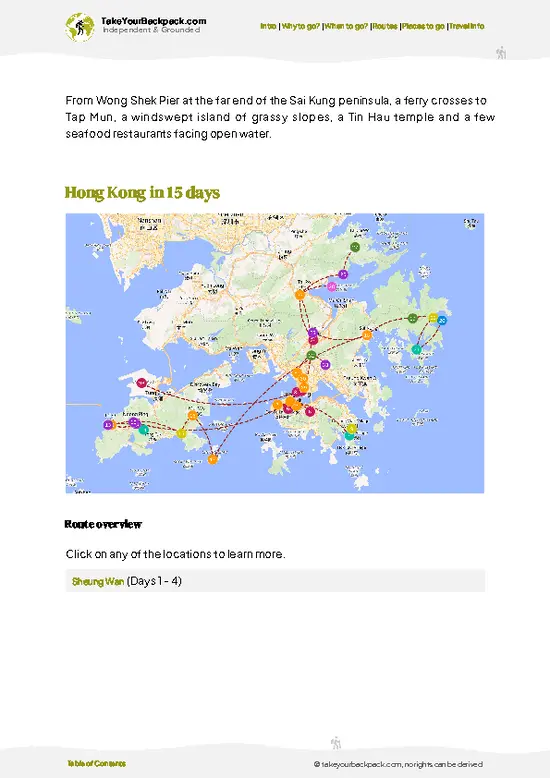
example page 0 from our offline Travel Guide for Hong Kong
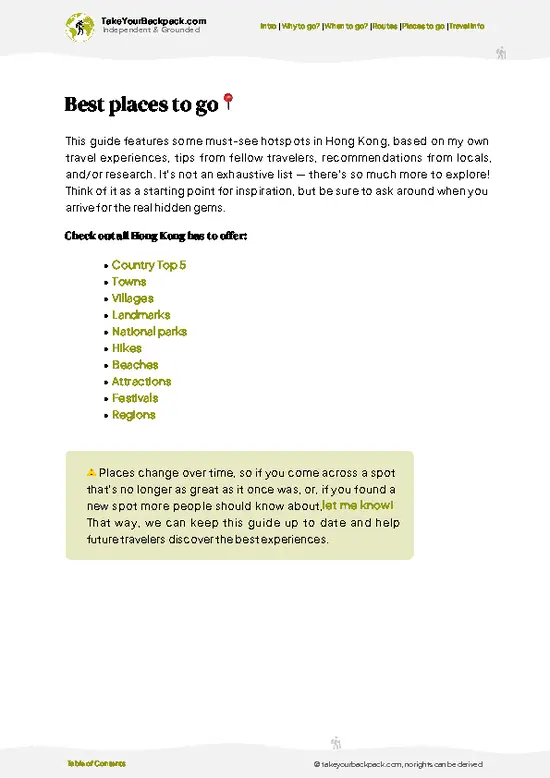
example page 1 from our offline Travel Guide for Hong Kong
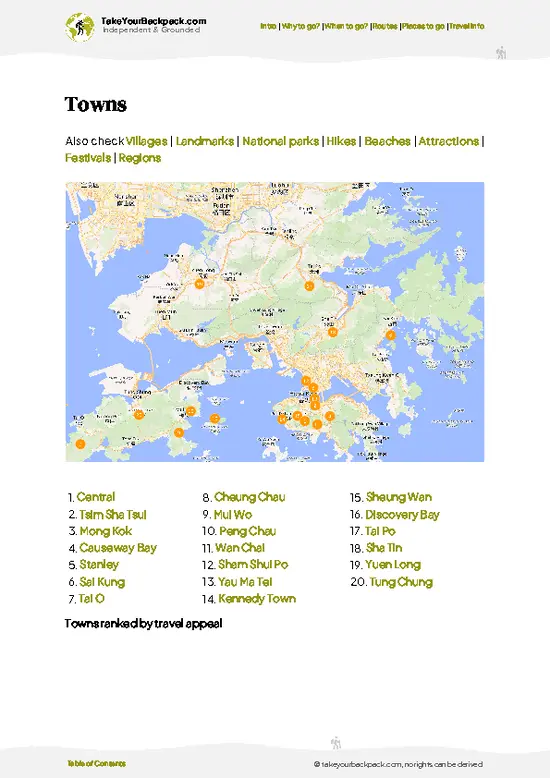
example page 2 from our offline Travel Guide for Hong Kong
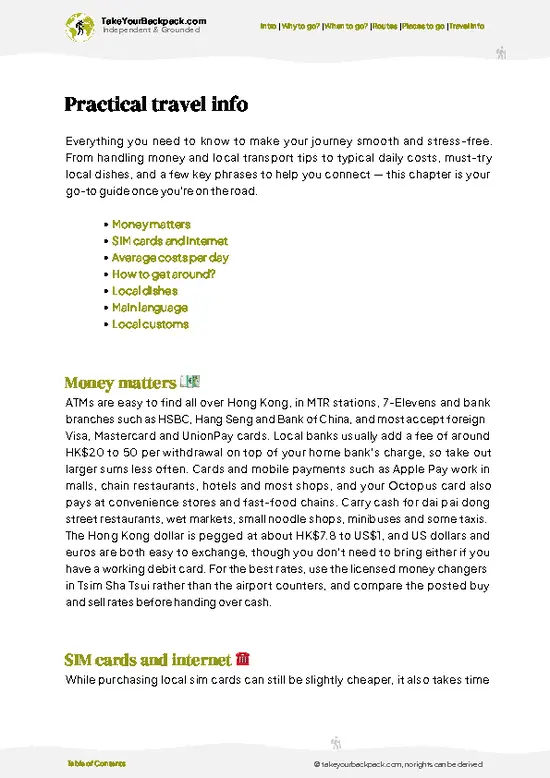
example page 3 from our offline Travel Guide for Hong Kong
example page 4 from our offline Travel Guide for Hong Kong
example page 5 from our offline Travel Guide for Hong Kong
example page 6 from our offline Travel Guide for Hong Kong
example page 7 from our offline Travel Guide for Hong Kong
The digital guide (357 pages) contains:
98 highlights, ranked by travel appeal
Optimized 5, 10 & 15-day travel routes
Cities, national parks, landmarks, beaches
How to get around
Offline-friendly for travel without Wi-Fi
👉 Click to see all 30+ guide features

📅 Plan smarter in minutes, not weeks
Month by month travel advice
Festivals & national holidays
Budget expectations

🗺️ Go to the right places, skip the overrated ones
Honest pros & cons of destinations
Top hikes, parks & viewpoints
Lesser-known places most travelers miss
Clear “worth it vs skip it” guidance

🛏️ Travel smoothly without rookie mistakes
Best areas to stay
Transport systems explained simply
Common scams & safety advice
SIM cards, money & practical tips

🌍 Understand the country, not just visit it
Culture & traditions
52 Essential phrases & customs
Festivals worth planning around
Traveler-friendly historical context
Insights that make places more meaningful

📱 Built for real travel conditions
Fully downloadable PDF
Works completely offline
Optimized for phone use
Useful in remote areas & buses
Everything in one place
Save weeks of stressful planning
Get instant access to your full guide. 30‑day money-back guarantee.
+ Add another guide for just US$7.80

By proceeding you agree to our terms.
Sent to your inbox immediately after payment • 100% Secure Checkout
Best Backpacking Travel Advisor 2025 tourism awardBest Backpacking
Travel Advisor
2025
What others say about Take Your Backpack Guides:
⭐⭐⭐⭐⭐
Fantastic, amazing amount of information!
⭐⭐⭐⭐⭐
My goodness this is amazing, it's what I've been looking for hats off too you!
⭐⭐⭐⭐⭐
I think this is absolutely BRILLIANT
⭐⭐⭐⭐
Very complete and informative. It's still missing places, but I gotta to commend you
⭐⭐⭐⭐⭐
This is truly amazing, thank you, can't wait to explore it with my kids!
⭐⭐⭐⭐⭐
Awesome resource, thank you!
⭐⭐⭐⭐⭐
This is amazing! Can't wait to explore the ones I haven't seen
⭐⭐⭐⭐
I love this! Well done, great idea.
⭐⭐⭐⭐⭐
Thanks for taking the time to make this gem!
⭐⭐⭐⭐⭐
This might be the best website I've ever seen.
⭐⭐⭐⭐⭐
Congratulations, and thank you so much for your work; it's incredibly valuable.
⭐⭐⭐⭐
In all seriousness I think you did a great job pointing out the important spots
⭐⭐⭐⭐⭐
10/10 very good
⭐⭐⭐⭐⭐
As someone who's only just starting to visit regularly this is awesome, thank you.
⭐⭐⭐⭐
Thank you very much! I'm going to visit my dad, it's going to be very useful!
⭐⭐⭐⭐⭐
This is really cool! We'll be travelling for the first time and this definitely come in handy.
⭐⭐⭐⭐⭐
You are now our minister of culture, congratulations 👨‍💼
⭐⭐⭐⭐⭐
Just wanted to tell you that this is a pearl! Going to follow your recommendations.
⭐⭐⭐⭐⭐
This is so cool. I'll definitely be using the resource for my travels soon.
⭐⭐⭐⭐⭐
This is very impressive! Good work.
⭐⭐⭐⭐⭐
This is an amazing and informative site. Very well done!

🛏️ Where to stay?Best areas and accommodation options

If you’re aiming to soak up the Xiqu Centre’s cultural pulse without draining your wallet, the best spots to crash are in Tsim Sha Tsui and Jordan. These neighborhoods aren’t just close—they’re alive with energy, packed with budget-friendly guesthouses and hostels where solo travelers find their tribe. Safety isn’t a question here; these areas are well-patrolled and bustling well into the night, so you won’t be wandering dark streets alone.

Tsim Sha Tsui offers a solid mix of convenience and vibe. You’re a short walk from the Xiqu Centre, but also steps away from street food stalls, quirky shops, … read more 👉
If you’re aiming to soak up the Xiqu Centre’s cultural pulse without draining your wallet, the best spots to crash are in Tsim Sha Tsui and Jordan. These neighborhoods aren’t just close—they’re alive with energy, packed with budget-friendly guesthouses and hostels where solo travelers find their tribe. Safety isn’t a question here; these areas are well-patrolled and bustling well into the night, so you won’t be wandering dark streets alone.

Tsim Sha Tsui offers a solid mix of convenience and vibe. You’re a short walk from the Xiqu Centre, but also steps away from street food stalls, quirky shops, and waterfront views that don’t cost a dime. Jordan, just a bit west, has a grittier edge with local markets and cheap eats that give you a real taste of Hong Kong’s everyday life—far from the polished tourist traps.

Both areas are social hubs where backpackers swap stories over cheap beers or bubble tea. It’s not luxury, but it’s authentic, safe, and perfectly placed for the Xiqu Centre experience.

👛 Costs (as of 4 September 2026)Travel costs and budget guide for Xiqu Centre

Tickets for performances at the Xiqu Centre in Hong Kong vary depending on the event. For example, the 'Chinese Tea and Music - Summer' event on August 7, 2025, had tickets priced at HK$260 (approximately €30) for standard admission. Additional fees may apply for online or telephone bookings. Discounts are available for senior citizens aged 60 or above, people with disabilities, and full-time students, who can receive a 50% discount upon presenting valid proof. ([etnet.com.hk](https://www.etnet.com.hk/www/eng/attraction/1425/Xiqu%2BCentre%2C%2BWest%2BKowloon%2BCultural%2BDistrict%2B%7C%2BWestK%2Bx%2BHong%2BKong%2BChinese%2BOrchestra%3A%2BChinese%2BTea%2Band%2BMusic%2B%E2%80%93%2BSummer?utm_source=openai))
⚠️ Prices can change and everyone travels differently, so take this as a rough guide. Hope it helps you plan your adventure!

FAQTraveler FAQ

1 to 2 hours is sufficient to visit Xiqu Centre, enough time to explore the architecture and attend a performance if scheduled. Guided tours may take around 1 hour. Check the schedule in advance to align your visit with a show.
Yes, Xiqu Centre is worth the entrance fee if you appreciate traditional Chinese opera and modern architecture. Ticket prices vary but typically range from HKD 100 to 400 depending on the performance. The cultural experience and quality of performances justify the cost.
Take the MTR to West Kowloon Station, which is directly connected to Xiqu Centre. Alternatively, bus routes 188, 188P, or 962 serve the area. The centre is located in the West Kowloon Cultural District, a short walk from the station.
⚠️ Things can change over time, so always validate details locally before you go.

Other Hong Kongese attractions near Xiqu Centre

Explore more nearby:


💡 Not sure where to go next?
Create a personalized itinerary for Hong Kong including Xiqu Centre and the places that fit your trip.

Generate my itinerary

👉 Discover all attractions

Or checkout all Hong Kong has to offer (think cities, towns, villages, national parks, hikes, beaches, festivals)
Country photo of Hong Kong

We 💚 feedbackSumming up the experience

Xiqu Centre isn’t your typical Hong Kong spectacle. Yes, it draws crowds, especially on show nights, and tickets aren’t always cheap. But the real magic? The way traditional Cantonese opera feels alive here—raw, intense, and surprisingly accessible. If you can snag a seat near the stage, you’ll catch every subtle gesture and hear every breath. It’s a cultural deep dive worth the hustle.

✍️ Help improve this page!
The information on this page is based on in-depth research, insights shared by experienced travelers, and feedback from the local travel community in Hong Kong. While every effort is made to keep the information accurate and current, conditions can change — so if you spot anything incorrect or outdated, please get in touch.


🙋‍♂️ Give feedback

👋 Meet the founderWho’s Behind Take Your Backpack?

Johan, backpacker and founder of TakeYourBackpackHi, I’m Johan (Netherlands 🇳🇱), the creator of TakeYourBackpack. Over the past decade, I’ve backpacked through 80+ countries across six continents, gaining extensive experience with independent travel, long-term trips, and overland routes.

This site is built on a combination of firsthand travel experience and carefully curated insights from other backpackers. Many guides are based on places I’ve personally visited, while others bring together tips, observations, and practical advice shared by trusted travelers I’ve met along the way.

The goal is to provide realistic, experience-driven guidance — not generic itineraries — so you can explore destinations with better context, clearer expectations, and more confidence.

Get full Hong Kong guide •
Instant download • 98 highlights • Full Offline guide