

×

India🇮🇳 | festivalsGanga DussehraRiver rituals, holy dips, flower offerings | things to do and best time to go

Explore Thrissur PooramExplore Desert Festival of Rajasthan

Backpacking in Ganga Dussehra
👀 For curious travelersfestival ranked #23
By Johan Kruseman 🇳🇱 | Updated October 4, 2026

Most guides skip this, but Ganga Dussehra isn’t just a “holy dip” day - it’s one of the few big North Indian festivals where you can move freely at night without the usual crush-level chaos of Diwali or Kumbh. Centered on the Ganges in Uttar Pradesh and Uttarakhand (think Haridwar, Rishikesh, Varanasi), it runs mainly for one intense day, with a build-up of a few evenings. You get bhajans over loudspeakers, temple bells, and a river of families, sadhus, and domestic pilgrims, not a party crowd. The vibe is devotional but surprisingly relaxed: people chant, float leaf lamps, bargain for sweets, then sit on the ghats and just watch the river breathe. For backpackers, it’s worth it if you like ritual, photography, and long, purposeful walks along the ghats; skip it if you’re chasing bass drops or craft beer.

Discover everything you want to know in the 📖 India Travel Guide.


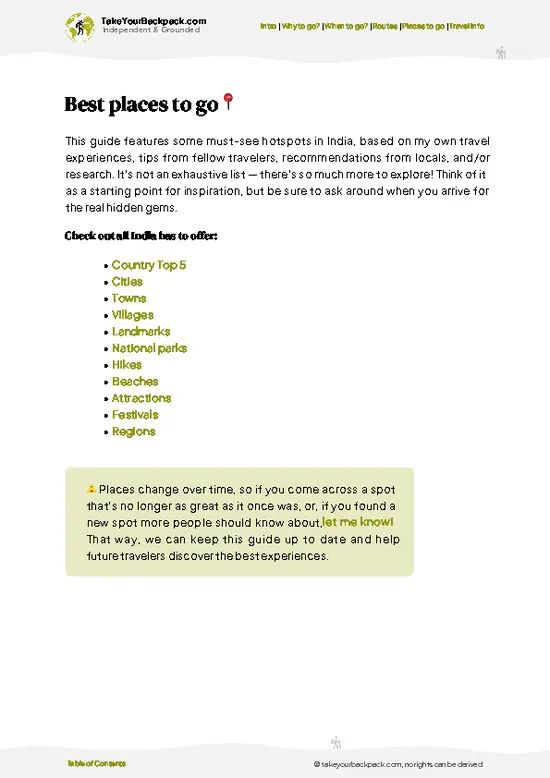
example page 0 from our offline Travel Guide for India
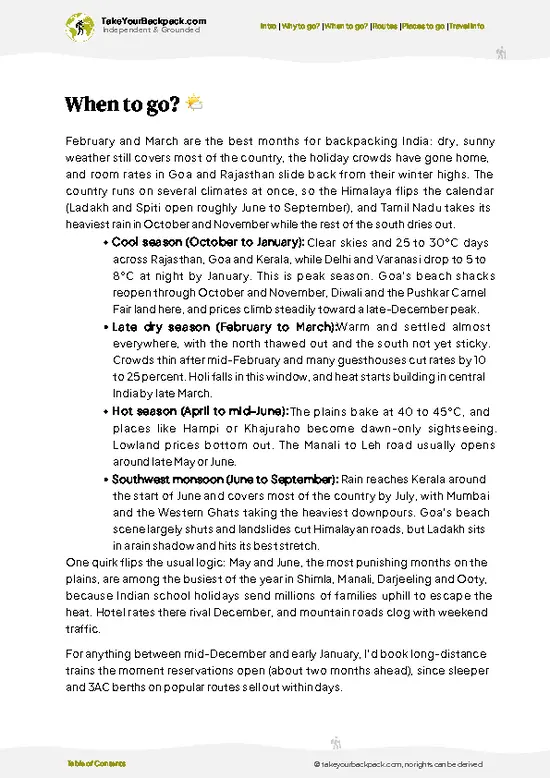
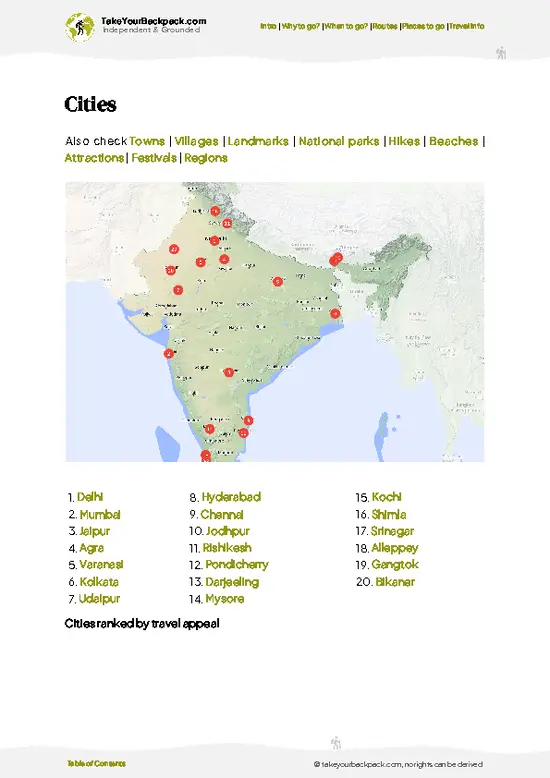
example page 1 from our offline Travel Guide for India
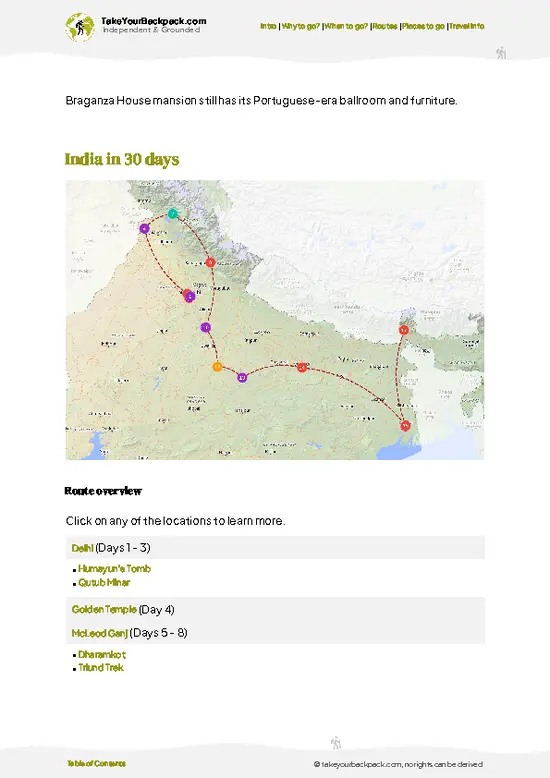
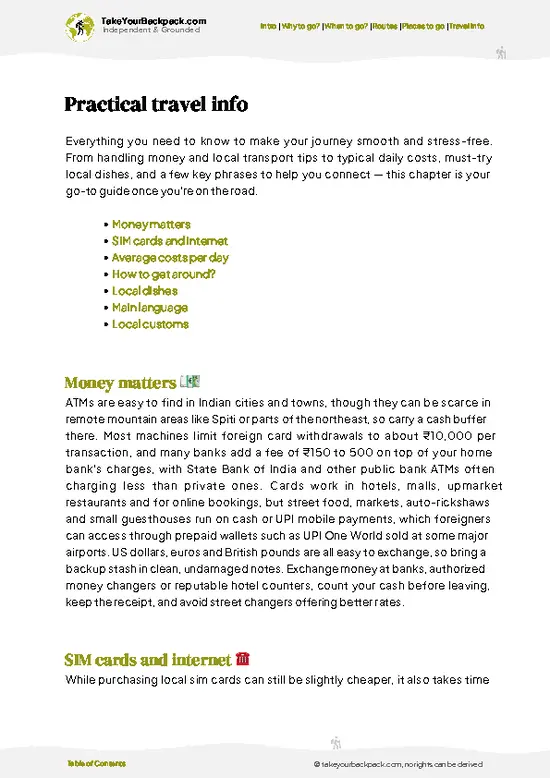
example page 2 from our offline Travel Guide for India
example page 3 from our offline Travel Guide for India
example page 4 from our offline Travel Guide for India
example page 5 from our offline Travel Guide for India
example page 6 from our offline Travel Guide for India
example page 7 from our offline Travel Guide for India
Loading the map 🌍
CLICK TO FILTER
cities
towns
villages
landmarks
national parks
hikes
beaches
attractions
festivals
regions
SHOW COUNTRY’S BESTSHOW ALL

✨ Why go?
Ranked #23 festival in India
What makes it a must-see festival

Backpackers flock to Ganga Dussehra for its electric social energy and the chance to dive into a temporary community. This festival isn’t just a spectacle; it’s a vibrant tapestry of cultural immersion where you can witness rituals that have thrived for centuries. Compared to other events, it’s incredibly affordable, allowing you to stretch your budget while soaking in the essence of India. Plus, it seamlessly fits into longer travel plans along the Ganges, making it a pivotal stop. Embrace the chaos, connect with fellow travelers, and let the river’s rhythm guide your adventure.

💡 HighlightsMust-see experiences and standout moments

  1. Ritual dip at the ghats — The core of Ganga Dussehra: thousands of people taking a ceremonial bath in the Ganges believing it cleanses sins and brings blessings. It’s raw, crowded and deeply emotional; the press of people, the steam on a cool morning and the scent of flowers make it feel ancient and immediate.
  2. Evening Ganga Aarti — A choreographed, sensory-rich ritual of lamps, bells and chanting as priests offer the river to the gods. The rhythm and glow are hypnotic; whether you stand on a ghat or watch from a boat, the collective hush-and-wave of light is unforgettable.
  3. Floating diya processions and boat rides — Launching or watching rows of little lamps drift downstream is simple, photogenic, and quietly moving. Boats bedecked with diyas and flowers slice through a river full of reflected
… read more 👉
  1. Ritual dip at the ghats — The core of Ganga Dussehra: thousands of people taking a ceremonial bath in the Ganges believing it cleanses sins and brings blessings. It’s raw, crowded and deeply emotional; the press of people, the steam on a cool morning and the scent of flowers make it feel ancient and immediate.
  2. Evening Ganga Aarti — A choreographed, sensory-rich ritual of lamps, bells and chanting as priests offer the river to the gods. The rhythm and glow are hypnotic; whether you stand on a ghat or watch from a boat, the collective hush-and-wave of light is unforgettable.
  3. Floating diya processions and boat rides — Launching or watching rows of little lamps drift downstream is simple, photogenic, and quietly moving. Boats bedecked with diyas and flowers slice through a river full of reflected lights. Personal favorite — the slow glow and hush after dusk never gets old.
  4. Bhajans, kirtans and local performances — From intimate devotional singing on the steps to louder folk and classical sets at nearby fairs, music is everywhere. It’s not polished concert culture; it’s community singing that pulls strangers into call-and-response and makes the whole place feel like one long communal prayer.
  5. Community drives and eco-awareness activities — Ganga Dussehra often sparks volunteer cleanups, awareness stalls and local campaigns to protect the river. Seeing local priests, students and travellers work together adds a hopeful, practical layer to the spiritual festivities.
Spotted a mistake or missing something? Contact us.

🌤️ When to go?When is the celebration of Ganga Dussehra?

  • Topic: Weather - Ganga Dussehra falls in late May or early June, right before the monsoon. Expect hot, dry days with temperatures hitting 35-40°C (95-104°F). Prepare for the heat; hydration and sun protection are non-negotiable.
  • Topic: Temperature - Daytime highs push into the low 40s Celsius (104°F+), while nights cool slightly to around 25°C (77°F). Lightweight, breathable clothing is your best friend.
  • Topic: Daylight Hours - Long summer days offer 12-13 hours of light, perfect for early morning rituals and late evening festivities along the riverbanks.
  • Topic: Crowds - The festival draws local pilgrims in large numbers, but it’s less tourist-packed than Diwali or Holi. Still, expect busy ghats and limited accommodation if you wait too long to book.
  • Topic: Seasonal Activities - This
… read more 👉
  • Topic: Weather - Ganga Dussehra falls in late May or early June, right before the monsoon. Expect hot, dry days with temperatures hitting 35-40°C (95-104°F). Prepare for the heat; hydration and sun protection are non-negotiable.
  • Topic: Temperature - Daytime highs push into the low 40s Celsius (104°F+), while nights cool slightly to around 25°C (77°F). Lightweight, breathable clothing is your best friend.
  • Topic: Daylight Hours - Long summer days offer 12-13 hours of light, perfect for early morning rituals and late evening festivities along the riverbanks.
  • Topic: Crowds - The festival draws local pilgrims in large numbers, but it’s less tourist-packed than Diwali or Holi. Still, expect busy ghats and limited accommodation if you wait too long to book.
  • Topic: Seasonal Activities - This is prime time for witnessing sacred river baths and fire rituals. The energy is raw and authentic, but the heat demands pacing your exploration.
  • Topic: Price Fluctuations - Prices for lodging and transport spike slightly during the festival but remain manageable if you lock in early. Avoid last-minute bookings to dodge inflated rates.
Pro-tip: Arrive a day early to acclimate and secure your spot—this timing hack saves sweat, money, and stress, letting you dive into the festival fully charged.


source: climatestotravel.comJANJanuary: not recommended for travelingFEBFebruary: not recommended for travelingMARMarch: not recommended for travelingAPRApril: not recommended for travelingMAYMay: excellent for travelingJUNJune: not recommended for travelingJULJuly: not recommended for travelingAUGAugust: not recommended for travelingSEPSeptember: not recommended for travelingOCTOctober: not recommended for travelingNOVNovember: not recommended for travelingDECDecember: not recommended for traveling

✈️ The backpacker research shortcutIndia Travel Guide

An offline-friendly backpacking guide with optimized travel routes, ranked highlights, transport advice, and the best areas to stay.
example page 0 from our offline Travel Guide for India
example page 1 from our offline Travel Guide for India
example page 2 from our offline Travel Guide for India
example page 3 from our offline Travel Guide for India
example page 4 from our offline Travel Guide for India
example page 5 from our offline Travel Guide for India
example page 6 from our offline Travel Guide for India
example page 7 from our offline Travel Guide for India
The digital guide (483 pages) contains:
✅ 157 highlights, ranked by travel appeal
✅ Optimized 14, 21 & 30-day travel routes
✅ Cities, national parks, landmarks, beaches
✅ How to get around
✅ Offline-friendly for travel without Wi-Fi
👉 Click to see all 30+ guide features

📅 Plan smarter in minutes, not weeks
✅ Month by month travel advice
✅ Festivals & national holidays
✅ Budget expectations

🗺️ Go to the right places, skip the overrated ones
✅ Honest pros & cons of destinations
✅ Top hikes, parks & viewpoints
✅ Lesser-known places most travelers miss
✅ Clear “worth it vs skip it” guidance

🛏️ Travel smoothly without rookie mistakes
✅ Best areas to stay
✅ Transport systems explained simply
✅ Common scams & safety advice
✅ SIM cards, money & practical tips

🌍 Understand the country, not just visit it
✅ Culture & traditions
✅ 52 Essential phrases & customs
✅ Festivals worth planning around
✅ Traveler-friendly historical context
✅ Insights that make places more meaningful

📱 Built for real travel conditions
✅ Fully downloadable PDF
✅ Works completely offline
✅ Optimized for phone use
✅ Useful in remote areas & buses
✅ Everything in one place
Stop searching, start planning
Get instant access to your full guide. 30‑day money-back guarantee.
+ Add another guide for just

By proceeding you agree to our terms.
Sent to your inbox immediately after payment • 100% Secure Checkout
Best Backpacking Travel Advisor 2025 tourism awardBest Backpacking
Travel Advisor
2025
What others say about Take Your Backpack Guides:
⭐⭐⭐⭐⭐
Fantastic, amazing amount of information!
⭐⭐⭐⭐⭐
My goodness this is amazing, it's what I've been looking for hats off too you!
⭐⭐⭐⭐⭐
I think this is absolutely BRILLIANT
⭐⭐⭐⭐
Very complete and informative. It's still missing places, but I gotta to commend you
⭐⭐⭐⭐⭐
This is truly amazing, thank you, can't wait to explore it with my kids!
⭐⭐⭐⭐⭐
Awesome resource, thank you!
⭐⭐⭐⭐⭐
This is amazing! Can't wait to explore the ones I haven't seen
⭐⭐⭐⭐
I love this! Well done, great idea.
⭐⭐⭐⭐⭐
Thanks for taking the time to make this gem!
⭐⭐⭐⭐⭐
This might be the best website I've ever seen.
⭐⭐⭐⭐⭐
Congratulations, and thank you so much for your work; it's incredibly valuable.
⭐⭐⭐⭐
In all seriousness I think you did a great job pointing out the important spots
⭐⭐⭐⭐⭐
10/10 very good
⭐⭐⭐⭐⭐
As someone who's only just starting to visit regularly this is awesome, thank you.
⭐⭐⭐⭐
Thank you very much! I'm going to visit my dad, it's going to be very useful!
⭐⭐⭐⭐⭐
This is really cool! We'll be travelling for the first time and this definitely come in handy.
⭐⭐⭐⭐⭐
You are now our minister of culture, congratulations 👨‍💼
⭐⭐⭐⭐⭐
Just wanted to tell you that this is a pearl! Going to follow your recommendations.
⭐⭐⭐⭐⭐
This is so cool. I'll definitely be using the resource for my travels soon.
⭐⭐⭐⭐⭐
This is very impressive! Good work.
⭐⭐⭐⭐⭐
This is an amazing and informative site. Very well done!

🛏️ Where to stay?Choosing the right base

For Ganga Dussehra, head to the vibrant lanes of Rishikesh or Haridwar. Both towns pulse with energy, drawing backpackers eager to soak in the festival’s spirit.

In Rishikesh, the banks of the Ganges are alive with yoga vibes and riverside cafes, perfect for meeting fellow travelers. Choose areas near Laxman Jhula for easy access to festivities and a social atmosphere.

Haridwar, on the other hand, offers a more traditional experience. Stay close to Har Ki Pauri for the heart of the celebrations. The streets buzz with food stalls and local crafts, making it a sensory feast.

Avoid overpriced … read more 👉
For Ganga Dussehra, head to the vibrant lanes of Rishikesh or Haridwar. Both towns pulse with energy, drawing backpackers eager to soak in the festival’s spirit.

In Rishikesh, the banks of the Ganges are alive with yoga vibes and riverside cafes, perfect for meeting fellow travelers. Choose areas near Laxman Jhula for easy access to festivities and a social atmosphere.

Haridwar, on the other hand, offers a more traditional experience. Stay close to Har Ki Pauri for the heart of the celebrations. The streets buzz with food stalls and local crafts, making it a sensory feast.

Avoid overpriced tourist traps; stick to these lively neighborhoods to keep your budget intact and your spirit soaring.

👛 Costs (as of 4 October 2026)Typical daily expenses

Ganga Dussehra is a vibrant celebration that draws travelers from around the globe, but navigating the costs can be tricky. Here’s a breakdown to keep your budget in check while you soak in the experience.
  • Festival Tickets: Entry to the main events is often free, but some special ceremonies or guided experiences may charge between €5-€20 ($5-$22). Look for local guides who can offer insights without breaking the bank.
  • Accommodation: Options range widely. Budget hostels can start at €10-€15 ($11-$16) per night, while mid-range hotels might cost €30-€70 ($33-$77). Book early to avoid inflated prices as the festival approaches.
  • Local Transport: Expect to spend around €1-€3 ($1-$3) for local buses or rickshaws. If you prefer taxis, budget about €5-€10 ($5-$11) for short rides. Walking is a great
… read more 👉
Ganga Dussehra is a vibrant celebration that draws travelers from around the globe, but navigating the costs can be tricky. Here’s a breakdown to keep your budget in check while you soak in the experience.
  • Festival Tickets: Entry to the main events is often free, but some special ceremonies or guided experiences may charge between €5-€20 ($5-$22). Look for local guides who can offer insights without breaking the bank.
  • Accommodation: Options range widely. Budget hostels can start at €10-€15 ($11-$16) per night, while mid-range hotels might cost €30-€70 ($33-$77). Book early to avoid inflated prices as the festival approaches.
  • Local Transport: Expect to spend around €1-€3 ($1-$3) for local buses or rickshaws. If you prefer taxis, budget about €5-€10 ($5-$11) for short rides. Walking is a great way to soak in the atmosphere, so keep your feet ready!
  • Food & Drinks: Street food is a must-try and can be as cheap as €1-€3 ($1-$3) per meal. Restaurants will range from €5-€15 ($5-$16) for a decent meal. Hydration is key, so factor in €0.50-€2 ($0.50-$2) for bottled water.
  • Miscellaneous Expenses: This includes souvenirs, tips, and unexpected costs. Budget around €10-€30 ($11-$33) for extras. It’s wise to have a little cushion for spontaneous experiences that catch your eye.

Planning ahead will help you avoid those sneaky costs that can drain your energy and budget. Keep your eyes on the prize: the vibrant celebrations and the connections you’ll make along the way.


source: incredibleindia.org
⚠️ Prices can change and everyone travels differently, so take this as a rough guide. Hope it helps you plan your adventure!

🍲 FoodWhat to Eat & Drink

At Ganga Dussehra, the air buzzes with the aroma of street food. Dive into kachoris—crispy, spiced pastries bursting with flavor. Don’t miss the chaat stalls; the tangy, crunchy medley is a festival staple.

For drinks, grab a cup of lassi—sweet or salty, it’s a refreshing escape from the heat.

Embrace the sharing culture; locals often offer bites from their plates. Be ready for lines, especially at popular stalls, and carry cash—many vendors don’t accept cards. Serving sizes can be generous, so pace yourself. This isn’t just about eating; it’s about savoring the spirit of the festival.

FAQTraveler FAQ

Ganga Dussehra takes place annually in the Hindu month of Jyeshtha, usually falling in May or June. The festival lasts for 10 days, culminating on the Dashami (tenth day) of the waxing moon phase.
Attending Ganga Dussehra is generally free of charge as it is a public religious festival. However, costs may arise from travel, accommodation, and local offerings or donations at the ghats.
No, you do not need tickets in advance to attend Ganga Dussehra. The festival is open to all, and people gather at riverbanks, especially in cities like Haridwar and Varanasi, without any entry restrictions.
⚠️ Things can change over time, so always validate details locally before you go.

Other Indian festivals near Ganga Dussehra

Explore more nearby:

  • Durga Puja—Clay idols, pandal displays, Bengali cuisine| 762 km away
  • Losar—Tibetan New Year, monastery prayers, butter sculptures| 766 km away
  • Pushkar Camel Fair—Camel trading, livestock contests, desert carnival| 844 km away

💡 Not sure where to go next?
Create a personalized itinerary for India including Ganga Dussehra and the places that fit your trip.

Generate my itinerary

👉 Discover all festivals

Or checkout all India has to offer (think cities, towns, villages, national parks, hikes, beaches, festivals)
Country photo of India

We 💚 feedbackFinal thoughts on celebrating the Ganga Dussehra

Ganga Dussehra pulses with life, a vibrant celebration of devotion and community. But brace yourself for the crowds; they can be overwhelming. Embrace the chaos, though—it’s part of the experience. Just keep your energy for the moments that truly matter, like those serene dawn rituals by the river.

✈️ When did I visit India?
As part of my 1.5 year travel around the world trip, I visited India in December 2015.

✍️ Help improve this page!
The information on this page is based on my own backpacking experience in India, supplemented with up-to-date research and feedback from other travelers. Travel details can change, so if you notice anything outdated or incomplete, feel free to let me know.


🙋‍♂️ Give feedback

👋 Meet the founderWho’s Behind Take Your Backpack?

Johan, backpacker and founder of TakeYourBackpackHi, I’m Johan (Netherlands 🇳🇱), the creator of TakeYourBackpack. Over the past 3 decades, I’ve backpacked through 90+ countries across six continents, gaining extensive experience with independent travel, long-term trips, and overland routes.

This site is built on a combination of firsthand travel experience and carefully curated insights from other backpackers. Many guides are based on places I’ve personally visited, while others bring together tips, observations, and practical advice shared by trusted travelers I’ve met along the way.

The goal is to provide realistic, experience-driven guidance — not generic itineraries — so you can explore destinations with better context, clearer expectations, and more confidence.