×

India🇮🇳 | festivalsHemis FestivalMonastic rituals, masked dances, Buddhist relics | things to do and best time to go

Explore Jaisalmer Desert FestivalExplore Rann Utsav

Backpacking in Hemis
👌 Worth visitingfestival ranked #18
By Johan Kruseman 🇳🇱 | Updated September 4, 2026

Most people picture Hemis Festival as some chaotic, EDM-in-the-mountains rave. It’s not. It’s a tight, ritual-heavy Buddhist celebration in Hemis Monastery, deep in Ladakh, high in India’s far north. Expect long horn blasts, drums, cymbals, and slow, hypnotic cham mask dances instead of bass drops. The crowd skews pilgrims, older Ladakhis, and a scattering of wide-eyed backpackers. Two intense days, thin air, blazing sun, limited shade. Worth it if you crave raw culture and don’t mind earning every moment with altitude and patience.

Discover everything you want to know in the 📖 India Travel Guide.


Get your India guide
162 ranked highlights, routes & tips, works offline (498 pages)
Loading the map 🌍
CLICK TO FILTER
cities
towns
villages
landmarks
national parks
hikes
beaches
attractions
festivals
regions
SHOW COUNTRY’S BESTSHOW ALL

✨ Why go?
Ranked #18 festival in India
The unique appeal for travelers

Backpackers plan their routes around the Hemis Festival in India for a reason. This vibrant event is a magnet for social energy, drawing travelers into a temporary community that pulses with life. You’ll find yourself immersed in cultural traditions that are both captivating and accessible. Compared to similar festivals, it’s a budget-friendly experience that doesn’t skimp on authenticity. Plus, it seamlessly fits into longer travel plans, allowing you to explore the stunning landscapes of Ladakh while soaking up the spiritual vibes. Prioritize this festival, and you’ll fuel your journey with unforgettable moments.
Want to include Hemis Festival in your India route?
Create a personalized India itinerary that includes Hemis Festival and the places that fit your trip — based on your travel style, budget, and available time. Get your route in seconds.

Generate my trip

💡 HighlightsDon't-miss highlights and experiences

  1. Mask dances (Cham): Monks in gigantic, hand-painted masks and layered robes acting out stories of gods, demons and local saints — part theatre, part spiritual warfare. It’s loud, fast, and theatrical, with sudden bursts of movement that feel like they’re chasing bad luck right out of the valley. (Personal favorite: there’s nothing like watching the colors and choreography up close.)
  2. Monastic rituals and blessings: Deep, guttural chanting, ringing bells and lines of monks performing age-old rites give the festival a serious, sacred spine. You can observe or quietly receive blessings from elders — it’s where the festival’s devotional purpose becomes unmistakable.
  3. Traditional music and instruments: Long horns, cymbals, frame drums and reed pipes create a raw, layered soundtrack that’s unlike
read more 👉
  1. Mask dances (Cham): Monks in gigantic, hand-painted masks and layered robes acting out stories of gods, demons and local saints — part theatre, part spiritual warfare. It’s loud, fast, and theatrical, with sudden bursts of movement that feel like they’re chasing bad luck right out of the valley. (Personal favorite: there’s nothing like watching the colors and choreography up close.)
  2. Monastic rituals and blessings: Deep, guttural chanting, ringing bells and lines of monks performing age-old rites give the festival a serious, sacred spine. You can observe or quietly receive blessings from elders — it’s where the festival’s devotional purpose becomes unmistakable.
  3. Traditional music and instruments: Long horns, cymbals, frame drums and reed pipes create a raw, layered soundtrack that’s unlike any concert back home. The music doesn’t just accompany the dances — it drives them, and the low drone sticks in your head in the best way.
  4. Local fair: food, crafts and traditional dress: Villagers come in their finest—colorful brocade, felt hats and silver jewelry—while stalls sell homemade apricot jam, roasted barley snacks, hand-carved masks and prayer wheels. It’s the best place to taste Ladakhi food, buy real local crafts, and talk to people who’ve been coming here for generations.
  5. The setting and communal atmosphere: Hemis sits up in the mountains, so the backdrop of prayer flags, ochre walls and snow-capped ridgelines gives everything a cinematic feel. The mix of pilgrims, monks and curious travelers creates a friendly, slightly chaotic buzz that makes the whole thing feel alive rather than staged.
Spotted a mistake or missing something? Contact us.

🌤️ When to go?When is the celebration of Hemis Festival?


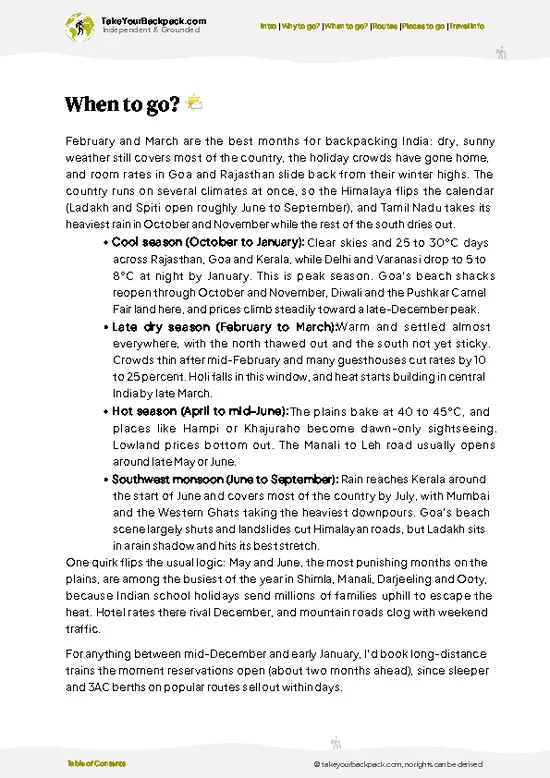
  • Topic: Weather – The festival happens in late June or early July, right when Ladakh’s monsoon edges in. Expect cool days around 15-20°C (59-68°F) but brace for sudden rain and chilly nights dropping near 5°C (41°F). Pack layers and waterproof gear to stay nimble.

  • Topic: Temperature – Daytime warmth is a relief in the high-altitude desert, but nights bite. Temperatures swing sharply, so don’t underestimate the cold after sunset.

  • Topic: Daylight Hours – Long summer days stretch up to 14 hours, giving you plenty of daylight to explore the festival’s vibrant rituals and the surrounding Hemis Monastery without rushing.

  • Topic: Crowds – This is peak festival time, so expect a surge of pilgrims and tourists. The energy is electric but book accommodations early to avoid last-minute price hikes
read more 👉

  • Topic: Weather – The festival happens in late June or early July, right when Ladakh’s monsoon edges in. Expect cool days around 15-20°C (59-68°F) but brace for sudden rain and chilly nights dropping near 5°C (41°F). Pack layers and waterproof gear to stay nimble.

  • Topic: Temperature – Daytime warmth is a relief in the high-altitude desert, but nights bite. Temperatures swing sharply, so don’t underestimate the cold after sunset.

  • Topic: Daylight Hours – Long summer days stretch up to 14 hours, giving you plenty of daylight to explore the festival’s vibrant rituals and the surrounding Hemis Monastery without rushing.

  • Topic: Crowds – This is peak festival time, so expect a surge of pilgrims and tourists. The energy is electric but book accommodations early to avoid last-minute price hikes or sold-out rooms.

  • Topic: Seasonal Activities – The festival coincides with the start of the trekking season in Ladakh. Combine your visit with nearby hikes for a full-throttle adventure.

  • Topic: Price Fluctuations – Prices spike during the festival due to demand. Lock in lodging and transport well ahead to dodge inflated last-minute costs.


Pro-tip: Arrive a day early to acclimate and secure your spot—jumping straight into the festival without adjustment risks burning out before the real magic begins.


source: climatestotravel.comJANJanuary: not recommended for travelingFEBFebruary: not recommended for travelingMARMarch: not recommended for travelingAPRApril: not recommended for travelingMAYMay: not recommended for travelingJUNJune: excellent for travelingJULJuly: not recommended for travelingAUGAugust: not recommended for travelingSEPSeptember: not recommended for travelingOCTOctober: not recommended for travelingNOVNovember: not recommended for travelingDECDecember: not recommended for traveling

✈️ The backpacker research shortcutIndia Travel Guide

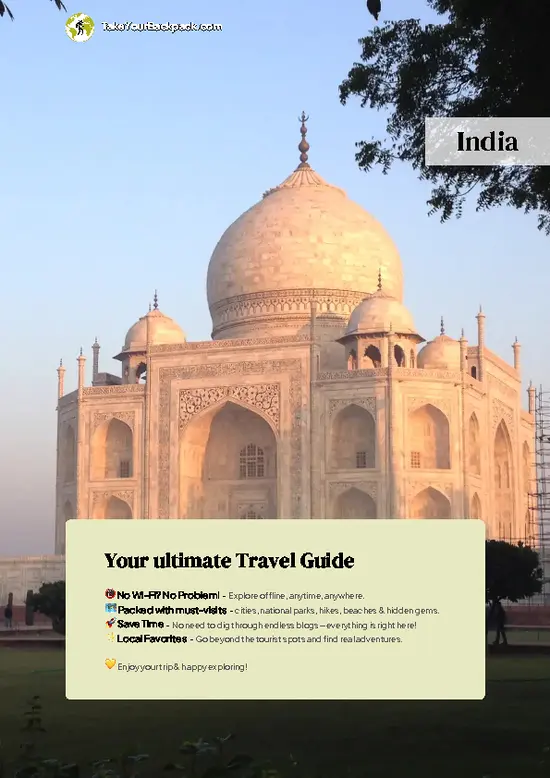
An offline-friendly backpacking guide with optimized travel routes, ranked highlights, transport advice, and the best areas to stay.
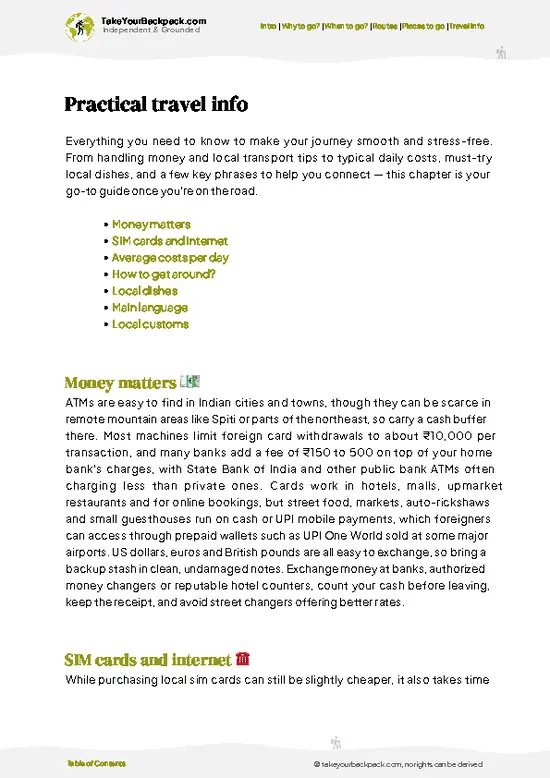
example page 0 from our offline Travel Guide for India
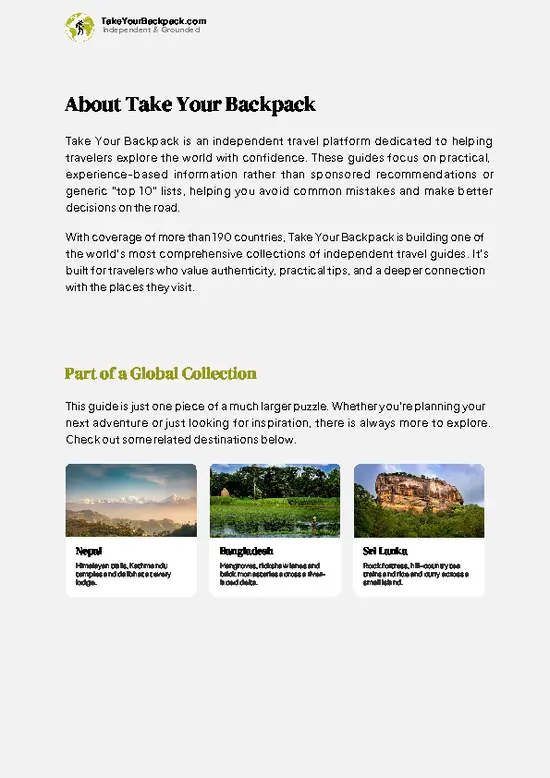
example page 1 from our offline Travel Guide for India
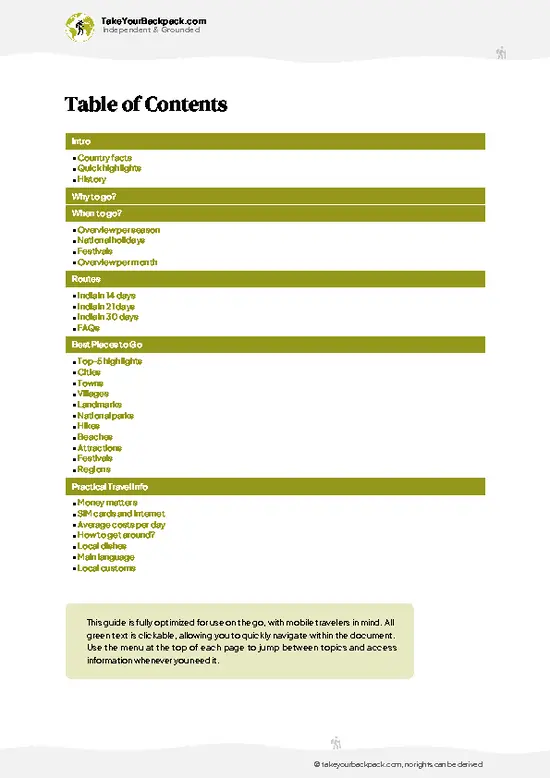
example page 2 from our offline Travel Guide for India
example page 3 from our offline Travel Guide for India
example page 4 from our offline Travel Guide for India
example page 5 from our offline Travel Guide for India
example page 6 from our offline Travel Guide for India
example page 7 from our offline Travel Guide for India
The digital guide (498 pages) contains:
162 highlights, ranked by travel appeal
Optimized 14, 21 & 30-day travel routes
Cities, national parks, landmarks, beaches
How to get around
Offline-friendly for travel without Wi-Fi
👉 Click to see all 30+ guide features

📅 Plan smarter in minutes, not weeks
Month by month travel advice
Festivals & national holidays
Budget expectations

🗺️ Go to the right places, skip the overrated ones
Honest pros & cons of destinations
Top hikes, parks & viewpoints
Lesser-known places most travelers miss
Clear “worth it vs skip it” guidance

🛏️ Travel smoothly without rookie mistakes
Best areas to stay
Transport systems explained simply
Common scams & safety advice
SIM cards, money & practical tips

🌍 Understand the country, not just visit it
Culture & traditions
52 Essential phrases & customs
Festivals worth planning around
Traveler-friendly historical context
Insights that make places more meaningful

📱 Built for real travel conditions
Fully downloadable PDF
Works completely offline
Optimized for phone use
Useful in remote areas & buses
Everything in one place
Save weeks of stressful planning
Get instant access to your full guide. 30‑day money-back guarantee.
+ Add another guide for just US$7.80

By proceeding you agree to our terms.
Sent to your inbox immediately after payment • 100% Secure Checkout
Best Backpacking Travel Advisor 2025 tourism awardBest Backpacking
Travel Advisor
2025
What others say about Take Your Backpack Guides:
⭐⭐⭐⭐⭐
Fantastic, amazing amount of information!
⭐⭐⭐⭐⭐
My goodness this is amazing, it's what I've been looking for hats off too you!
⭐⭐⭐⭐⭐
I think this is absolutely BRILLIANT
⭐⭐⭐⭐
Very complete and informative. It's still missing places, but I gotta to commend you
⭐⭐⭐⭐⭐
This is truly amazing, thank you, can't wait to explore it with my kids!
⭐⭐⭐⭐⭐
Awesome resource, thank you!
⭐⭐⭐⭐⭐
This is amazing! Can't wait to explore the ones I haven't seen
⭐⭐⭐⭐
I love this! Well done, great idea.
⭐⭐⭐⭐⭐
Thanks for taking the time to make this gem!
⭐⭐⭐⭐⭐
This might be the best website I've ever seen.
⭐⭐⭐⭐⭐
Congratulations, and thank you so much for your work; it's incredibly valuable.
⭐⭐⭐⭐
In all seriousness I think you did a great job pointing out the important spots
⭐⭐⭐⭐⭐
10/10 very good
⭐⭐⭐⭐⭐
As someone who's only just starting to visit regularly this is awesome, thank you.
⭐⭐⭐⭐
Thank you very much! I'm going to visit my dad, it's going to be very useful!
⭐⭐⭐⭐⭐
This is really cool! We'll be travelling for the first time and this definitely come in handy.
⭐⭐⭐⭐⭐
You are now our minister of culture, congratulations 👨‍💼
⭐⭐⭐⭐⭐
Just wanted to tell you that this is a pearl! Going to follow your recommendations.
⭐⭐⭐⭐⭐
This is so cool. I'll definitely be using the resource for my travels soon.
⭐⭐⭐⭐⭐
This is very impressive! Good work.
⭐⭐⭐⭐⭐
This is an amazing and informative site. Very well done!

🛏️ Where to stay?Best areas to stay in India

For the Hemis Festival, head to Leh. This bustling town is a magnet for backpackers, offering a vibrant atmosphere and a sense of community. Stay near the main market for easy access to food stalls and shops, where you can mingle with fellow travelers.

The area around Changspa Road is another hotspot, known for its laid-back vibe and cozy guesthouses. You’ll find plenty of opportunities to swap stories over chai or join group treks.

Avoid the outskirts; they can feel isolated. Staying central keeps you close to the festival’s energy while ensuring safety and social connections. Embrace the adventure!

👛 Costs (as of 4 September 2026)Typical daily expenses

The Hemis Festival in India is a vibrant celebration that draws travelers from around the globe, but navigating the costs can be tricky. Here’s a breakdown to keep your budget in check and your energy focused on the experience.
  • Festival Tickets: Expect to pay around €5 to €10 ($5 to $12) for entry. This fee grants you access to the mesmerizing performances and rituals. Keep in mind that some special events might have additional costs, so check ahead.
  • Accommodation: Prices vary widely. Budget options like hostels or guesthouses can range from €10 to €30 ($12 to $35) per night. If you prefer a bit more comfort, mid-range hotels will set you back about €30 to €70 ($35 to $85). Book early to snag the best deals, as places fill up fast during the festival.
  • Local Transport: Getting around can be economical.
read more 👉
The Hemis Festival in India is a vibrant celebration that draws travelers from around the globe, but navigating the costs can be tricky. Here’s a breakdown to keep your budget in check and your energy focused on the experience.
  • Festival Tickets: Expect to pay around €5 to €10 ($5 to $12) for entry. This fee grants you access to the mesmerizing performances and rituals. Keep in mind that some special events might have additional costs, so check ahead.
  • Accommodation: Prices vary widely. Budget options like hostels or guesthouses can range from €10 to €30 ($12 to $35) per night. If you prefer a bit more comfort, mid-range hotels will set you back about €30 to €70 ($35 to $85). Book early to snag the best deals, as places fill up fast during the festival.
  • Local Transport: Getting around can be economical. Local buses and shared taxis cost between €1 to €5 ($1 to $6) for short distances. If you’re feeling adventurous, consider renting a bike for about €3 to €7 ($4 to $8) a day. Just be cautious of the traffic and road conditions.
  • Food & Drinks: Street food is a highlight, with meals costing as little as €1 to €3 ($1 to $4). If you opt for restaurants, budget around €5 to €15 ($6 to $18) per meal. Don’t miss out on local specialties, but keep an eye on hygiene to avoid any stomach surprises.
  • Miscellaneous Expenses: Set aside about €10 to €20 ($12 to $24) for souvenirs, tips, or unexpected costs. This cushion helps you enjoy spontaneous experiences without stressing your budget.

Stay sharp and plan ahead. Knowing these costs will help you savor every moment of the Hemis Festival without breaking the bank.


source: incredibleindia.org
⚠️ Prices can change and everyone travels differently, so take this as a rough guide. Hope it helps you plan your adventure!

🍲 FoodWhat to Eat & Drink

At the Hemis Festival, your taste buds are in for a wild ride. Dive into local specialties like momos, those delightful dumplings bursting with flavor, or thukpa, a hearty noodle soup that warms you from the inside out. Festival stalls are brimming with sweet treats like gulaab jamun and jalebi—don’t skip these sugary delights!

When it comes to drinks, try the butter tea; it’s rich and surprisingly refreshing. Be ready for a bit of quirkiness: sharing is common, so don’t hesitate to swap bites with fellow festival-goers. Cash is king here; many stalls don’t accept cards, and serving sizes can be generous, so pace yourself!

FAQCommon questions from travelers

Hemis Festival takes place annually in July, usually lasting for two days. It is celebrated on the 10th day of the Tibetan lunar calendar month of the Monkey. The exact dates vary each year based on the lunar calendar.
Attending Hemis Festival is free of charge for visitors. However, costs may arise from travel, accommodation, and local guides if you choose to hire one. Budget around $20-$50 per day for basic expenses in the region.
No, you do not need tickets in advance to attend Hemis Festival. It is an open public event held at Hemis Monastery in Ladakh. Arriving early is recommended to secure a good viewing spot due to large crowds.
⚠️ Things can change over time, so always validate details locally before you go.

Other Indian festivals near Hemis

Explore more nearby:

  • Ladakh Festival—Parades, polo matches, Ladakhi costumes| 37 km away
  • Losar—Tibetan New Year, monastery prayers, butter sculptures| 166 km away
  • Baisakhi—Sikh processions, wheat harvest, bhangra dances| 367 km away

💡 Not sure where to go next?
Create a personalized itinerary for India including Hemis and the places that fit your trip.

Generate my itinerary

👉 Discover all festivals

Or checkout all India has to offer (think cities, towns, villages, national parks, hikes, beaches, festivals)
Country photo of India

We 💚 feedbackIs it worth it?

Hemis Festival is a riot of color and culture, where the ancient meets the ecstatic. But brace yourself: the altitude can zap your energy. Acclimatize before diving in, and you’ll be ready to soak up every moment without missing a beat.

✈️ When did I visit India?
As part of my 1.5 year travel around the world trip, I visited India in December 2015.

✍️ Help improve this page!
The information on this page is based on my own backpacking experience in India, supplemented with up-to-date research and feedback from other travelers. Travel details can change, so if you notice anything outdated or incomplete, feel free to let me know.


🙋‍♂️ Give feedback

👋 Meet the founderWho’s Behind Take Your Backpack?

Johan, backpacker and founder of TakeYourBackpackHi, I’m Johan (Netherlands 🇳🇱), the creator of TakeYourBackpack. Over the past decade, I’ve backpacked through 80+ countries across six continents, gaining extensive experience with independent travel, long-term trips, and overland routes.

This site is built on a combination of firsthand travel experience and carefully curated insights from other backpackers. Many guides are based on places I’ve personally visited, while others bring together tips, observations, and practical advice shared by trusted travelers I’ve met along the way.

The goal is to provide realistic, experience-driven guidance — not generic itineraries — so you can explore destinations with better context, clearer expectations, and more confidence.

Get full India guide •
Instant download • 162 highlights • Full Offline guide