×

India🇮🇳 | festivalsMahamastakabhishekaJain pilgrimage, colossal statue, ritual bathing | things to do and best time to go

Explore Desert Festival of RajasthanExplore Nagaur Fair

Backpacking in Mahamastakabhisheka
👀 For curious travelersfestival ranked #22
By Johan Kruseman 🇳🇱 | Updated October 4, 2026

Cold sandalwood paste hits your forearms as the crowd surges, conch shells blare, and a roar rises when milk and saffron cascade down the colossal Jain statue above you. This is Mahamastakabhisheka in Shravanabelagola, Karnataka, southwest India. It’s a devotional, mostly quiet festival between chants and brass bands, drawing Jain families, pilgrims, and a few wide-eyed backpackers. No EDM, no party—just ritual, ladders, scaffolding, and hours of ceremony. Worth it if you crave intensity and living history, not if you need constant entertainment.

Discover everything you want to know in the 📖 India Travel Guide.


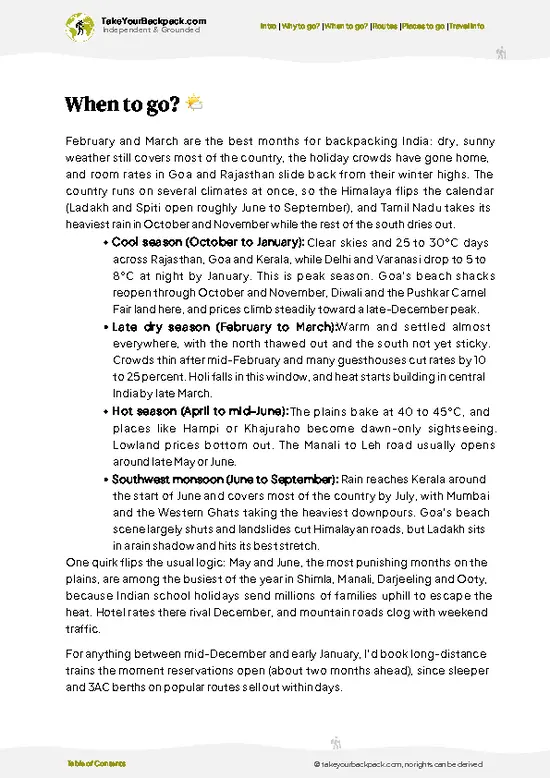
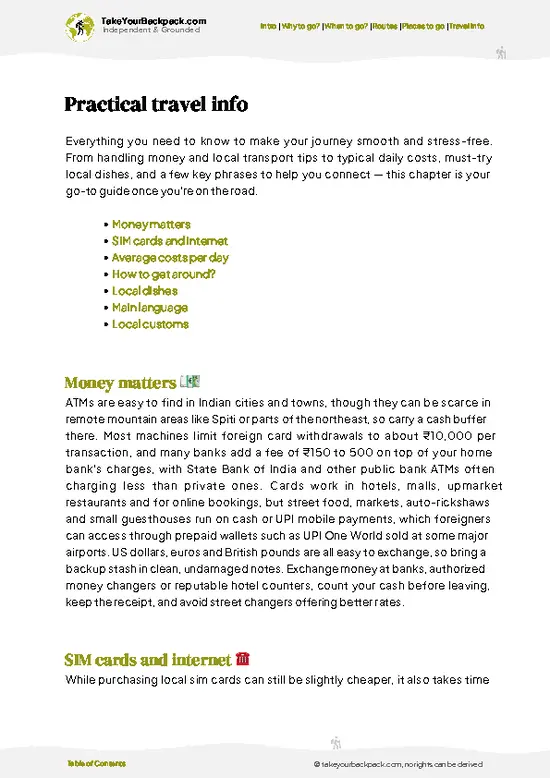
example page 0 from our offline Travel Guide for India
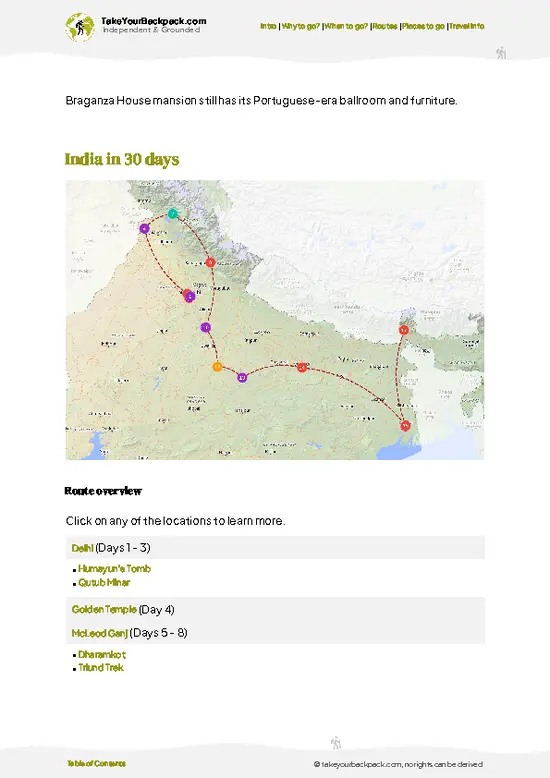
example page 1 from our offline Travel Guide for India
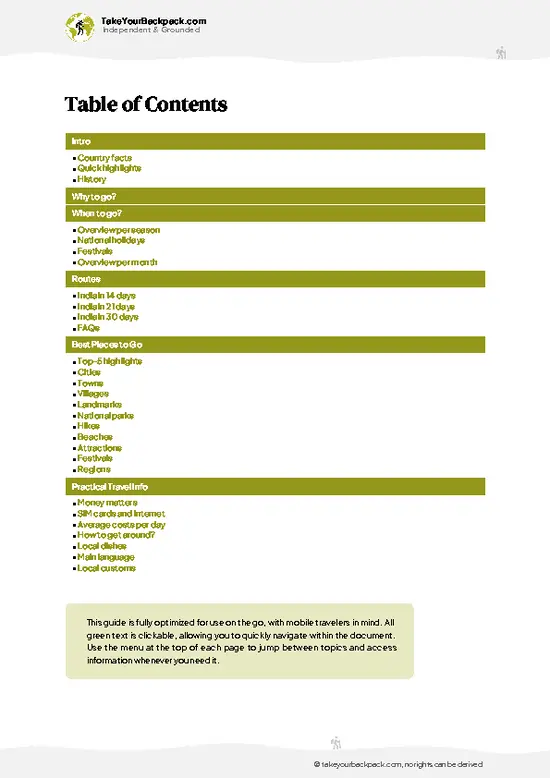
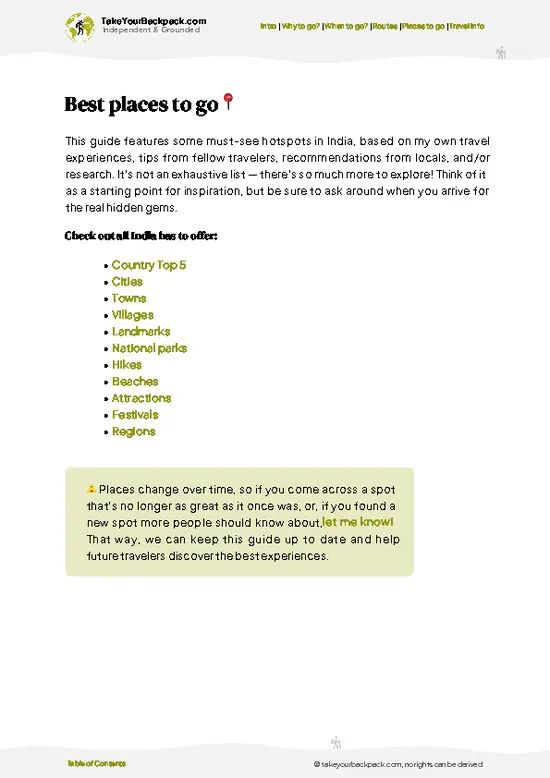
example page 2 from our offline Travel Guide for India
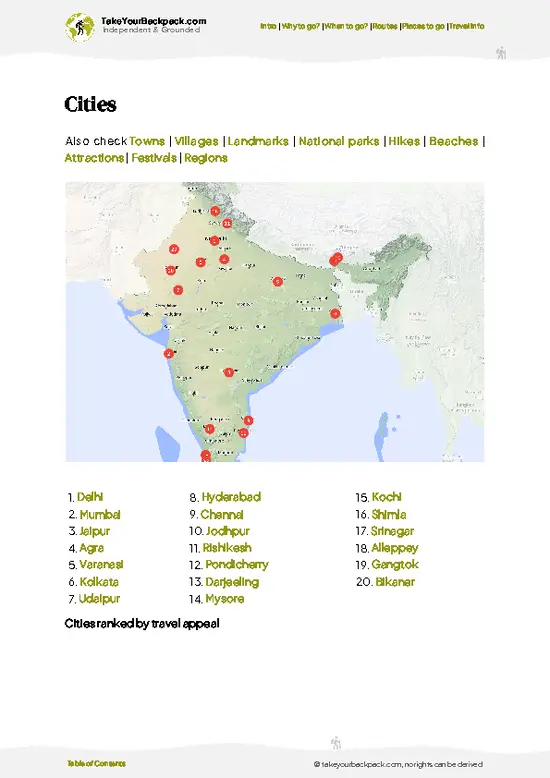
example page 3 from our offline Travel Guide for India
example page 4 from our offline Travel Guide for India
example page 5 from our offline Travel Guide for India
example page 6 from our offline Travel Guide for India
example page 7 from our offline Travel Guide for India
Loading the map 🌍
CLICK TO FILTER
cities
towns
villages
landmarks
national parks
hikes
beaches
attractions
festivals
regions
SHOW COUNTRY’S BESTSHOW ALL

✨ Why go?
Ranked #22 festival in India
The unique appeal for travelers

Backpackers plan their routes around the Mahamastakabhisheka festival for a jolt of social energy and a taste of temporary community. This event isn’t just a spectacle; it’s a deep dive into cultural immersion that transforms your journey. You’ll find yourself surrounded by locals and fellow travelers, all buzzing with excitement. Plus, it’s often more affordable than similar festivals, allowing you to save cash for those authentic experiences that matter. Integrating this festival into your travel plans can elevate your adventure, making each moment feel alive and connected. Don’t miss out on this vibrant chapter of your backpacking story!

💡 HighlightsWhat this place is best known for

  1. The Mahamastakabhisheka anointment ceremony — The main event: the gigantic statue is ceremonially bathed and anointed with milk, curd, ghee, sandal paste, saffron and flower petals poured from scaffoldings and ladders. There’s nothing quite like watching that slow, reverent ritual transform a stone giant into a cascade of colors and scents; it’s loud in feeling but solemn in spirit. (Personal favorite — the mix of scale, devotion and sensory overload always gets me.)
  2. The monolithic Bahubali statue and hilltop setting — A single massive stone figure towering over the landscape, carved ages ago and set atop a rocky hill. The approach—granite steps, ancient carvings and wide views—makes the whole thing feel like a pilgrimage in time as well as distance.
  3. Pilgrim crowds and participatory devotion
… read more 👉
  1. The Mahamastakabhisheka anointment ceremony — The main event: the gigantic statue is ceremonially bathed and anointed with milk, curd, ghee, sandal paste, saffron and flower petals poured from scaffoldings and ladders. There’s nothing quite like watching that slow, reverent ritual transform a stone giant into a cascade of colors and scents; it’s loud in feeling but solemn in spirit. (Personal favorite — the mix of scale, devotion and sensory overload always gets me.)
  2. The monolithic Bahubali statue and hilltop setting — A single massive stone figure towering over the landscape, carved ages ago and set atop a rocky hill. The approach—granite steps, ancient carvings and wide views—makes the whole thing feel like a pilgrimage in time as well as distance.
  3. Pilgrim crowds and participatory devotion — Tens of thousands of devotees and volunteers converge from across regions; people bring offerings, pour libations, sing bhajans and help with the logistics. That volunteer energy and the chance to join in (even if only by watching from the steps) is what turns a ritual into a shared, lived experience.
  4. Presence of Jain ascetics and spiritual discourse — The festival isn’t just pageantry: monks, scholars and lay teachers hold discourses, recite mantras and embody Jain ascetic ideals. The contrast between monastic calm and the festival bustle gives the event real depth—religious practice alongside public celebration.
  5. Culture, crafts and local flavor around the site — Outside the ritual you’ll find classical music, lectures, exhibits on Jain art and local artisans selling traditional crafts and prasadam. It’s the grab-bag of food stalls, performances and small exhibitions that fills the spaces between ceremonies and makes a full-day visit enjoyable even for casual visitors.
Spotted a mistake or missing something? Contact us.

Things to do near Mahamastakabhisheka

Ratings based on Tripadvisor reviews. When you book through this link, you support our work at no extra cost to you.

🌤️ When to go?When is the celebration of Mahamastakabhisheka?

  • Topic: Weather - The festival happens every 12 years, usually in January or February. Expect cool, dry weather with daytime temps around 20-25°C (68-77°F), perfect for long outdoor rituals without sweating buckets.
  • Topic: Temperature - Nights can dip to 10-15°C (50-59°F), so pack layers. The crisp air keeps the crowd energized but don’t underestimate the chill after sunset.
  • Topic: Daylight Hours - Days stretch about 10-11 hours, giving you ample time to soak in ceremonies and explore the town without rushing.
  • Topic: Crowds - This is a massive draw for pilgrims and tourists alike. Arrive early to secure lodging and avoid the crush during peak rituals.
  • Topic: Seasonal Activities - The festival’s rare timing means local markets and cultural events align, offering a deep dive into regional
… read more 👉
  • Topic: Weather - The festival happens every 12 years, usually in January or February. Expect cool, dry weather with daytime temps around 20-25°C (68-77°F), perfect for long outdoor rituals without sweating buckets.
  • Topic: Temperature - Nights can dip to 10-15°C (50-59°F), so pack layers. The crisp air keeps the crowd energized but don’t underestimate the chill after sunset.
  • Topic: Daylight Hours - Days stretch about 10-11 hours, giving you ample time to soak in ceremonies and explore the town without rushing.
  • Topic: Crowds - This is a massive draw for pilgrims and tourists alike. Arrive early to secure lodging and avoid the crush during peak rituals.
  • Topic: Seasonal Activities - The festival’s rare timing means local markets and cultural events align, offering a deep dive into regional traditions beyond the main event.
  • Topic: Price Fluctuations - Expect a spike in accommodation and transport costs. Book months ahead or prepare to negotiate hard in person.
Pro-tip: Lock in your trip early, layer smart, and embrace the festival’s rhythm—this timing is your secret weapon to outpace crowds and savor every moment without burnout.


source: climatestotravel.comJANJanuary: highly recommended for travelingFEBFebruary: highly recommended for travelingMARMarch: not recommended for travelingAPRApril: not recommended for travelingMAYMay: not recommended for travelingJUNJune: not recommended for travelingJULJuly: not recommended for travelingAUGAugust: not recommended for travelingSEPSeptember: not recommended for travelingOCTOctober: not recommended for travelingNOVNovember: not recommended for travelingDECDecember: not recommended for traveling

✈️ The backpacker research shortcutIndia Travel Guide

An offline-friendly backpacking guide with optimized travel routes, ranked highlights, transport advice, and the best areas to stay.
example page 0 from our offline Travel Guide for India
example page 1 from our offline Travel Guide for India
example page 2 from our offline Travel Guide for India
example page 3 from our offline Travel Guide for India
example page 4 from our offline Travel Guide for India
example page 5 from our offline Travel Guide for India
example page 6 from our offline Travel Guide for India
example page 7 from our offline Travel Guide for India
The digital guide (483 pages) contains:
✅ 157 highlights, ranked by travel appeal
✅ Optimized 14, 21 & 30-day travel routes
✅ Cities, national parks, landmarks, beaches
✅ How to get around
✅ Offline-friendly for travel without Wi-Fi
👉 Click to see all 30+ guide features

📅 Plan smarter in minutes, not weeks
✅ Month by month travel advice
✅ Festivals & national holidays
✅ Budget expectations

🗺️ Go to the right places, skip the overrated ones
✅ Honest pros & cons of destinations
✅ Top hikes, parks & viewpoints
✅ Lesser-known places most travelers miss
✅ Clear “worth it vs skip it” guidance

🛏️ Travel smoothly without rookie mistakes
✅ Best areas to stay
✅ Transport systems explained simply
✅ Common scams & safety advice
✅ SIM cards, money & practical tips

🌍 Understand the country, not just visit it
✅ Culture & traditions
✅ 52 Essential phrases & customs
✅ Festivals worth planning around
✅ Traveler-friendly historical context
✅ Insights that make places more meaningful

📱 Built for real travel conditions
✅ Fully downloadable PDF
✅ Works completely offline
✅ Optimized for phone use
✅ Useful in remote areas & buses
✅ Everything in one place
Stop searching, start planning
Get instant access to your full guide. 30‑day money-back guarantee.
+ Add another guide for just

By proceeding you agree to our terms.
Sent to your inbox immediately after payment • 100% Secure Checkout
Best Backpacking Travel Advisor 2025 tourism awardBest Backpacking
Travel Advisor
2025
What others say about Take Your Backpack Guides:
⭐⭐⭐⭐⭐
Fantastic, amazing amount of information!
⭐⭐⭐⭐⭐
My goodness this is amazing, it's what I've been looking for hats off too you!
⭐⭐⭐⭐⭐
I think this is absolutely BRILLIANT
⭐⭐⭐⭐
Very complete and informative. It's still missing places, but I gotta to commend you
⭐⭐⭐⭐⭐
This is truly amazing, thank you, can't wait to explore it with my kids!
⭐⭐⭐⭐⭐
Awesome resource, thank you!
⭐⭐⭐⭐⭐
This is amazing! Can't wait to explore the ones I haven't seen
⭐⭐⭐⭐
I love this! Well done, great idea.
⭐⭐⭐⭐⭐
Thanks for taking the time to make this gem!
⭐⭐⭐⭐⭐
This might be the best website I've ever seen.
⭐⭐⭐⭐⭐
Congratulations, and thank you so much for your work; it's incredibly valuable.
⭐⭐⭐⭐
In all seriousness I think you did a great job pointing out the important spots
⭐⭐⭐⭐⭐
10/10 very good
⭐⭐⭐⭐⭐
As someone who's only just starting to visit regularly this is awesome, thank you.
⭐⭐⭐⭐
Thank you very much! I'm going to visit my dad, it's going to be very useful!
⭐⭐⭐⭐⭐
This is really cool! We'll be travelling for the first time and this definitely come in handy.
⭐⭐⭐⭐⭐
You are now our minister of culture, congratulations 👨‍💼
⭐⭐⭐⭐⭐
Just wanted to tell you that this is a pearl! Going to follow your recommendations.
⭐⭐⭐⭐⭐
This is so cool. I'll definitely be using the resource for my travels soon.
⭐⭐⭐⭐⭐
This is very impressive! Good work.
⭐⭐⭐⭐⭐
This is an amazing and informative site. Very well done!

🛏️ Where to stay?Choosing the right base

For the Mahamastakabhisheka festival, head to the vibrant heart of Shravanabelagola. This area buzzes with energy, making it a magnet for backpackers. Look for accommodations near the base of the hill; you’ll find a mix of budget-friendly guesthouses and lively hostels.

Stay close to the main square for easy access to food stalls and local shops. The atmosphere is welcoming, perfect for solo travelers seeking camaraderie.

Don’t overlook the outskirts either; quieter spots offer a chance to recharge after the festival’s excitement. Just keep an eye on transport options to ensure you can hop … read more 👉
For the Mahamastakabhisheka festival, head to the vibrant heart of Shravanabelagola. This area buzzes with energy, making it a magnet for backpackers. Look for accommodations near the base of the hill; you’ll find a mix of budget-friendly guesthouses and lively hostels.

Stay close to the main square for easy access to food stalls and local shops. The atmosphere is welcoming, perfect for solo travelers seeking camaraderie.

Don’t overlook the outskirts either; quieter spots offer a chance to recharge after the festival’s excitement. Just keep an eye on transport options to ensure you can hop back into the action when you’re ready. Your energy and budget will thank you!

👛 Costs (as of 4 October 2026)Travel costs and budget guide for Mahamastakabhisheka

The Mahamastakabhisheka festival is a vibrant celebration that draws thousands, but navigating the costs can be tricky. Here’s a breakdown to keep your budget in check and your energy focused on the experience.
  • Festival Tickets: Entry to the festival is typically free, but some special events or ceremonies may charge a fee. Expect to pay around €5 to €15 ($5 to $15) for premium access or guided tours that enhance your experience.
  • Accommodation: Options range from budget hostels to mid-range hotels. Dormitory beds can cost around €10 to €20 ($10 to $22) per night, while private rooms in guesthouses or hotels range from €30 to €60 ($33 to $66) per night. Book early to snag the best deals, as places fill up fast.
  • Local Transport: Getting around can be affordable. Auto-rickshaws and local buses are
… read more 👉
The Mahamastakabhisheka festival is a vibrant celebration that draws thousands, but navigating the costs can be tricky. Here’s a breakdown to keep your budget in check and your energy focused on the experience.
  • Festival Tickets: Entry to the festival is typically free, but some special events or ceremonies may charge a fee. Expect to pay around €5 to €15 ($5 to $15) for premium access or guided tours that enhance your experience.
  • Accommodation: Options range from budget hostels to mid-range hotels. Dormitory beds can cost around €10 to €20 ($10 to $22) per night, while private rooms in guesthouses or hotels range from €30 to €60 ($33 to $66) per night. Book early to snag the best deals, as places fill up fast.
  • Local Transport: Getting around can be affordable. Auto-rickshaws and local buses are your best bets. Budget around €1 to €3 ($1 to $3) for short rides. If you’re traveling longer distances, consider hiring a taxi for about €10 to €20 ($11 to $22) for a day’s use.
  • Food & Drinks: Street food is a must-try and incredibly cheap. You can enjoy meals for as little as €2 to €5 ($2 to $5). Dining in local restaurants will set you back about €5 to €15 ($5 to $15) per meal. Don’t forget to budget for bottled water and snacks, which can add another €1 to €3 ($1 to $3) daily.
  • Miscellaneous Expenses: This includes souvenirs, tips, and any unexpected costs. Set aside around €10 to €30 ($11 to $33) for these extras. It’s wise to have a buffer for spontaneous experiences that might catch your eye.

Stay sharp and plan ahead. This way, you’ll preserve your energy and budget for the moments that truly matter.


source: incredibleindia.org
⚠️ Prices can change and everyone travels differently, so take this as a rough guide. Hope it helps you plan your adventure!

🍲 FoodWhat to Eat & Drink

At the Mahamastakabhisheka festival, food is a vibrant celebration of local culture. Dive into traditional dishes like puliogare (tamarind rice) and bisi bele bath (spicy lentil rice). Street stalls buzz with energy, serving up samosas and vada pav that are best enjoyed hot and fresh.

Don’t miss the sweet treats like mysore pak; it’s a buttery delight that melts in your mouth. When it comes to drinks, grab a cup of masala chai or fresh coconut water to cool off.

Be prepared to share your food experience; it’s common to swap bites with fellow festival-goers. Cash is king here, so keep some handy. Serving sizes can be generous, so pace yourself and savor each bite!

FAQFrequently asked questions about Mahamastakabhisheka

Mahamastakabhisheka takes place every 12 years, with the last event held in 2018. The festival usually lasts for about 10 days, typically occurring in the months of February or March.
Attending Mahamastakabhisheka is free of charge for visitors. However, travelers should budget for accommodation, food, and local transport during the festival period.
No, you do not need tickets in advance to attend Mahamastakabhisheka. The event is open to the public, but arriving early is recommended due to large crowds and limited accommodation.
⚠️ Things can change over time, so always validate details locally before you go.

Other Indian festivals near Mahamastakabhisheka

Explore more nearby:

  • Thrissur Pooram—Temple elephants, percussion ensembles, umbrella displays| 261 km away
  • Onam—Floral carpets, boat races, Kerala feasts| 314 km away
  • Ganesh Chaturthi—Clay Ganesha statues, street processions, immersion ceremonies| 788 km away

💡 Not sure where to go next?
Create a personalized itinerary for India including Mahamastakabhisheka and the places that fit your trip.

Generate my itinerary

👉 Discover all festivals

Or checkout all India has to offer (think cities, towns, villages, national parks, hikes, beaches, festivals)
Country photo of India

We 💚 feedbackFinal thoughts on celebrating the Mahamastakabhisheka

Mahamastakabhisheka is a whirlwind of devotion and culture, where the energy of the crowd electrifies the air. But be ready: the heat can be relentless, and accommodations fill up fast. Plan ahead to keep your focus on the experience, not the logistics. Embrace the chaos; it’s part of the adventure!

✈️ When did I visit India?
As part of my 1.5 year travel around the world trip, I visited India in December 2015.

✍️ Help improve this page!
The information on this page is based on my own backpacking experience in India, supplemented with up-to-date research and feedback from other travelers. Travel details can change, so if you notice anything outdated or incomplete, feel free to let me know.


🙋‍♂️ Give feedback

👋 Meet the founderWho’s Behind Take Your Backpack?

Johan, backpacker and founder of TakeYourBackpackHi, I’m Johan (Netherlands 🇳🇱), the creator of TakeYourBackpack. Over the past 3 decades, I’ve backpacked through 90+ countries across six continents, gaining extensive experience with independent travel, long-term trips, and overland routes.

This site is built on a combination of firsthand travel experience and carefully curated insights from other backpackers. Many guides are based on places I’ve personally visited, while others bring together tips, observations, and practical advice shared by trusted travelers I’ve met along the way.

The goal is to provide realistic, experience-driven guidance — not generic itineraries — so you can explore destinations with better context, clearer expectations, and more confidence.