×

Indonesia🇮🇩 | attractionsCoffee plantation in Gombeng Saricoffee fields, processing tours, tasting sessions | things to do and best time to go

Explore BatukaruExplore Kali Sawah rafting

Backpacking in Coffee plantation in Gombeng Sari
👀 For curious travelersattraction ranked #27
By Johan Kruseman 🇳🇱 | Updated April 26, 2026

Most people think a coffee plantation tour in Gombeng Sari is just a sleepy stroll through rows of beans, but here’s the twist: you’ll probably end up machete-in-hand, hacking your own way through the undergrowth, and sipping robusta so fresh it still tastes like the volcanic soil under your boots. Gombeng Sari sits in the hills above Banyuwangi, East Java—far from the Bali crowds, and even further from the Instagrammable, sanitized “coffee experiences” you’ll find in Ubud.

This isn’t a place for latte art selfies. It’s muddy, hands-on, and the farmers are more interested in showing you how to roast beans over a wood fire than selling you a branded mug. The wow-factor? It’s the raw, communal energy—locals genuinely curious about you, and zero tourist gloss. Getting here takes effort (public transport is patchy, and you’ll probably need a scooter or a bumpy ojek ride), but costs are low and the authenticity is off the charts. If you want a polished, easy day out, look elsewhere. If you want to trade stories with people who actually grow your morning fix, this is the real deal.

Discover everything you want to know in the 📖 Indonesia Travel Guide.
Loading the map 🌍
CLICK TO FILTER
city
town
unique site
national park
hike
beach
attraction
festival
region
SHOW COUNTRY’S BESTSHOW ALL

✨ Why go?
Ranked #27 attraction in Indonesia
Why Coffee plantation in Gombeng Sari should be on your travel list

The Coffee Plantation in Gombeng Sari isn’t just another photo op for your feed—it’s a full-throttle dive into Indonesia’s coffee soul. Sure, it’s popular, and yes, you’ll find crowds, especially during peak season. But here’s the kicker: this place is a living, breathing chapter of coffee history that’s been quietly shaping the global coffee scene for over a century. The plantation’s roots stretch back to the Dutch colonial era, making it a rare spot where you can trace the journey of coffee from seed to cup while standing in the same soil that fueled a nation’s economy and culture.

Backpackers don’t just come here for the Instagrammable greenery; they come for the raw, unfiltered experience. You get to see traditional processing methods that haven’t changed much, smell the earthy aroma … read more 👉
The Coffee Plantation in Gombeng Sari isn’t just another photo op for your feed—it’s a full-throttle dive into Indonesia’s coffee soul. Sure, it’s popular, and yes, you’ll find crowds, especially during peak season. But here’s the kicker: this place is a living, breathing chapter of coffee history that’s been quietly shaping the global coffee scene for over a century. The plantation’s roots stretch back to the Dutch colonial era, making it a rare spot where you can trace the journey of coffee from seed to cup while standing in the same soil that fueled a nation’s economy and culture.

Backpackers don’t just come here for the Instagrammable greenery; they come for the raw, unfiltered experience. You get to see traditional processing methods that haven’t changed much, smell the earthy aroma of beans drying under the sun, and sip coffee brewed from beans harvested just hours before. It’s a sensory punch that no café in Jakarta can replicate. Plus, the effort-to-reward ratio is solid—easy to reach from major routes, yet it feels like a world away from the usual tourist grind. This plantation isn’t just a stop; it’s a milestone that connects you to Indonesia’s heart and the global coffee culture in one unforgettable gulp.
Get the complete Travel Guide for Indonesia
Everything organized for offline planning — routes, highlights, costs & tips

See what’s inside 👉

Get the Travel Guide -

💡 HighlightsKey sights and experiences for travelers

1. Walking the Coffee Fields with the Farmers
Forget the staged “coffee tour” you’ve seen on social media. In Gombeng Sari, you’re not just snapping photos in front of tidy rows of coffee bushes. You’re walking the real, working hillsides with the people who actually coax these beans out of volcanic soil. You’ll see the sweat, the machete nicks, the family dogs darting between rows, and the way the farmers size up a cherry for ripeness with a glance. This isn’t a sanitized, tourist-friendly version of agriculture—it’s the real, muddy, sometimes chaotic process that makes your morning cup possible. If you want to understand coffee, you have to see the labor and pride that goes into every kilo. This is the opposite of a theme park. It’s raw, and it’s honest.


2. Traditional Coffee Roasting Over read more 👉
1. Walking the Coffee Fields with the Farmers
Forget the staged “coffee tour” you’ve seen on social media. In Gombeng Sari, you’re not just snapping photos in front of tidy rows of coffee bushes. You’re walking the real, working hillsides with the people who actually coax these beans out of volcanic soil. You’ll see the sweat, the machete nicks, the family dogs darting between rows, and the way the farmers size up a cherry for ripeness with a glance. This isn’t a sanitized, tourist-friendly version of agriculture—it’s the real, muddy, sometimes chaotic process that makes your morning cup possible. If you want to understand coffee, you have to see the labor and pride that goes into every kilo. This is the opposite of a theme park. It’s raw, and it’s honest.


2. Traditional Coffee Roasting Over Wood Fire
Here’s where the Instagram crowd gets it wrong: the real magic isn’t in the latte art, it’s in the smoke. Gombeng Sari’s families roast their beans in battered iron pans over open wood fires, stirring by hand. The air is thick with the scent of caramelizing sugars and singed wood. You’ll hear the crackle, feel the heat, and maybe get a little ash on your shoes. This is coffee as it’s been done for generations—no gleaming machines, no barista competitions, just skill and intuition. Watching a local grandmother roast beans with the same rhythm her mother taught her is a privilege, not a performance.


3. Tasting Coffee the Local Way (Kopi Tubruk)
You haven’t really tasted Javanese coffee until you’ve sipped it the way the locals do: thick, unfiltered, and with a punch that’ll make your eyelids twitch. Forget the pour-over snobbery. Kopi Tubruk is gritty, strong, and unapologetically rustic. The grounds settle at the bottom of your glass, and the flavor is earthy, smoky, and a little wild. You’ll drink it sitting on a wooden bench, probably next to someone who helped pick the beans. It’s a social ritual, not a coffee tasting flight. This is my personal favorite—there’s nothing like that first sip after a morning in the fields.


4. Learning About Agroforestry and Biodiversity
Gombeng Sari isn’t just about coffee. The plantations are living, breathing ecosystems—pepper vines climbing the shade trees, cacao pods dangling overhead, wild birds darting through the canopy. The farmers here are quietly practicing agroforestry, mixing crops and preserving biodiversity in a way that puts most “eco-tours” to shame. You’ll see how coffee fits into a bigger picture: vanilla orchids, clove trees, even the occasional durian. This isn’t a monoculture—it’s a lesson in how humans and nature can actually get along, if you’re willing to put in the work.


5. The Morning Fog and Volcanic Backdrop
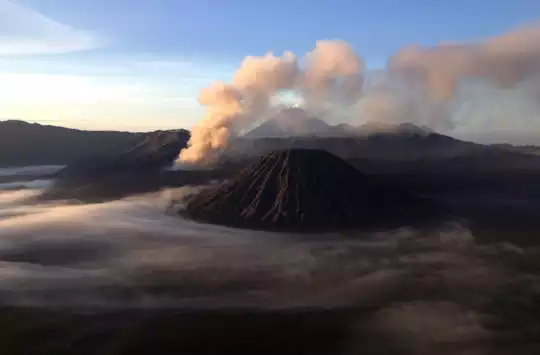
Let’s be blunt: you’ll share the view with a few other travelers, but you won’t be elbowing through crowds. The real spectacle is the early morning, when the fog rolls through the valleys and the volcanoes loom in the distance. It’s not curated for your camera, but it’s the kind of scene that makes you stop talking and just breathe. The silence, the cool air, the sense that you’re somewhere that still belongs to the people who live and work here—that’s the real show.
Spotted a mistake or missing something? Contact us.

Things to do near Coffee plantation in Gombeng Sari

Ratings based on Tripadvisor reviews. When you book through this link, you support our work at no extra cost to you.

🌤️ When to go?Seasonal considerations and timing


  • Topic: Weather – The best time to visit Gombeng Sari’s coffee plantations is during the dry season, from May to September. Expect less rain, which means trails won’t turn into mud pits and your gear stays dry. The wet season (October to April) brings heavy rains that can wash out paths and make outdoor activities miserable.

  • Topic: Temperature – Temperatures hover between 20-27°C (68-81°F) year-round, but mornings and evenings can dip to a crisp 15°C (59°F) during the dry months. It’s comfortable but pack a light jacket for early starts or late tours.

  • Topic: Daylight Hours – Daylight stays fairly consistent, around 11-12 hours daily. Sunrise is roughly 5:30-6:00 AM, giving you plenty of time to explore before the afternoon heat or potential showers roll in.

  • Topic: Crowds – The dry season attracts
read more 👉

  • Topic: Weather – The best time to visit Gombeng Sari’s coffee plantations is during the dry season, from May to September. Expect less rain, which means trails won’t turn into mud pits and your gear stays dry. The wet season (October to April) brings heavy rains that can wash out paths and make outdoor activities miserable.

  • Topic: Temperature – Temperatures hover between 20-27°C (68-81°F) year-round, but mornings and evenings can dip to a crisp 15°C (59°F) during the dry months. It’s comfortable but pack a light jacket for early starts or late tours.

  • Topic: Daylight Hours – Daylight stays fairly consistent, around 11-12 hours daily. Sunrise is roughly 5:30-6:00 AM, giving you plenty of time to explore before the afternoon heat or potential showers roll in.

  • Topic: Crowds – The dry season attracts more visitors, especially July and August, when local and international tourists peak. If you want fewer people, aim for May, June, or September. The plantation feels more intimate then, letting you soak in the atmosphere without elbowing through selfie sticks.

  • Topic: Seasonal Activities – Harvest season runs from June to August, offering a rare chance to see coffee cherries being picked and processed. This is when the plantation buzzes with authentic energy, not just staged tours.

  • Topic: Price Fluctuations – Expect prices for tours and accommodations to rise during peak dry months, especially July and August. Booking in shoulder months like May or September can save you some rupiah without sacrificing experience quality.


Pro-tip: Visit in late June to catch the harvest action with fewer crowds and better prices—plus, the scent of fresh coffee cherries in the air is unbeatable.


source: climatestotravel.comJANJanuary: below average for travelingFEBFebruary: below average for travelingMARMarch: below average for travelingAPRApril: fair for travelingMAYMay: highly recommended for travelingJUNJune: excellent for travelingJULJuly: highly recommended for travelingAUGAugust: highly recommended for travelingSEPSeptember: highly recommended for travelingOCTOctober: fair for travelingNOVNovember: below average for travelingDECDecember: below average for traveling
when-to-go

✈️ The backpacker research shortcutIndonesia Travel Guide

An offline-friendly backpacking guide with optimized travel routes, ranked highlights, transport advice, and the best areas to stay.
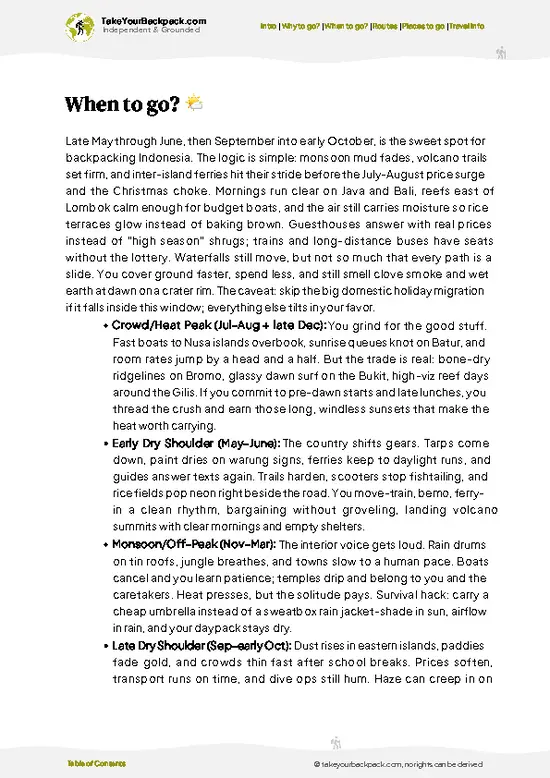
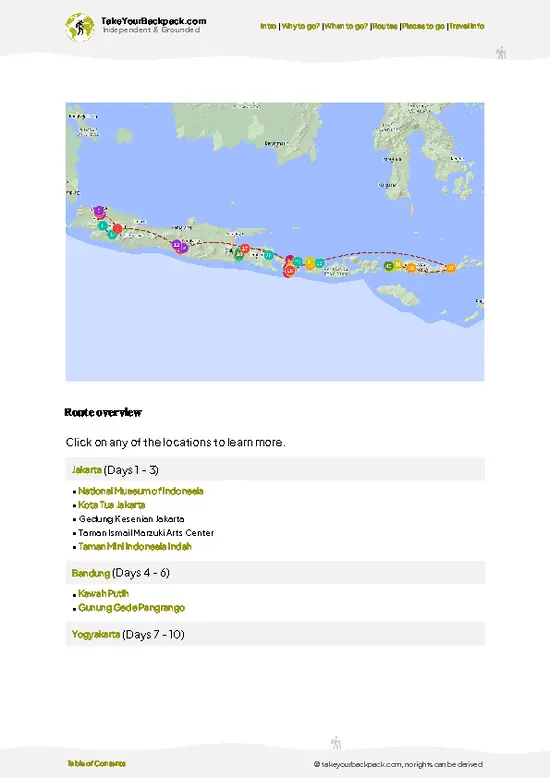
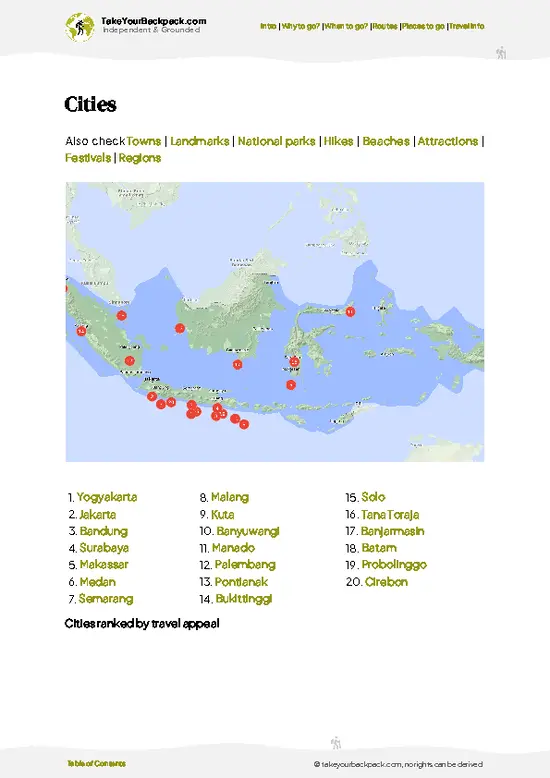
example page 0 from our offline Travel Guide for Indonesiaexample page 1 from our offline Travel Guide for Indonesiaexample page 2 from our offline Travel Guide for Indonesiaexample page 3 from our offline Travel Guide for Indonesiaexample page 4 from our offline Travel Guide for Indonesiaexample page 5 from our offline Travel Guide for Indonesiaexample page 6 from our offline Travel Guide for Indonesiaexample page 7 from our offline Travel Guide for Indonesia
The digital guide (550 pages) contains:
155 highlights, ranked by travel appeal
Optimized 14, 21 & 30-day travel routes
Cities, national parks, beaches, historical sites, ...
How to get around
Offline-friendly for travel without Wi-Fi
👉 Click to see all 30+ guide features

📅 Plan smarter in minutes, not weeks
Month by month travel advice
Festivals & national holidays
Budget expectations

🗺️ Go to the right places, skip the overrated ones
Honest pros & cons of destinations
Top hikes, parks & viewpoints
Lesser-known places most travelers miss
Clear “worth it vs skip it” guidance

🛏️ Travel smoothly without rookie mistakes
Best areas to stay
Transport systems explained simply
Common scams & safety advice
SIM cards, money & practical tips

🌍 Understand the country, not just visit it
Culture & traditions
52 Essential phrases & customs
Festivals worth planning around
Traveler-friendly historical context
Insights that make places more meaningful

📱 Built for real travel conditions
Fully downloadable PDF
Works completely offline
Optimized for phone use
Useful in remote areas & buses
Everything in one place
Save weeks of stressful planning
Get instant access to the full guide directly. 30-day money-back guarantee.


Sent to your inbox immediately after payment • 100% Secure Checkout
Best Backpacking Travel Advisor 2025 tourism awardBest Backpacking
Travel Advisor
2025
What others say about Take Your Backpack Guides:
⭐⭐⭐⭐⭐
Fantastic, amazing amount of information!
⭐⭐⭐⭐⭐
My goodness this is amazing, it's what I've been looking for hats off too you!
⭐⭐⭐⭐⭐
I think this is absolutely BRILLIANT
⭐⭐⭐⭐
Very complete and informative. It's still missing places, but I gotta to commend you
⭐⭐⭐⭐⭐
This is truly amazing, thank you, can't wait to explore it with my kids!
⭐⭐⭐⭐⭐
Awesome resource, thank you!
⭐⭐⭐⭐⭐
This is amazing! Can't wait to explore the ones I haven't seen
⭐⭐⭐⭐
I love this! Well done, great idea.
⭐⭐⭐⭐⭐
Thanks for taking the time to make this gem!
⭐⭐⭐⭐⭐
This might be the best website I've ever seen.
⭐⭐⭐⭐⭐
Congratulations, and thank you so much for your work; it's incredibly valuable.
⭐⭐⭐⭐
In all seriousness I think you did a great job pointing out the important spots
⭐⭐⭐⭐⭐
10/10 very good
⭐⭐⭐⭐⭐
As someone who's only just starting to visit regularly this is awesome, thank you.
⭐⭐⭐⭐
Thank you very much! I'm going to visit my dad, it's going to be very useful!
⭐⭐⭐⭐⭐
This is really cool! We'll be travelling for the first time and this definitely come in handy.
⭐⭐⭐⭐⭐
You are now our minister of culture, congratulations 👨‍💼
⭐⭐⭐⭐⭐
Just wanted to tell you that this is a pearl! Going to follow your recommendations.
⭐⭐⭐⭐⭐
This is so cool. I'll definitely be using the resource for my travels soon.
⭐⭐⭐⭐⭐
This is very impressive! Good work.
⭐⭐⭐⭐⭐
This is an amazing and informative site. Very well done!

🛏️ Where to stay?Best areas and accommodation options

Forget the postcard-perfect fantasy of wandering alone through endless rows of coffee trees in Gombeng Sari. The truth? This place draws a steady trickle of curious travelers, especially during peak season, so expect some company. The crowds aren’t overwhelming, but the romantic solitude Instagram sells is a bit of a myth. That said, the real magic isn’t in escaping everyone—it’s in connecting with the people who make this coffee country tick.

If you want to be close to the action without breaking the bank or feeling isolated, aim for the villages and small towns just outside the plantation zone. … read more 👉
Forget the postcard-perfect fantasy of wandering alone through endless rows of coffee trees in Gombeng Sari. The truth? This place draws a steady trickle of curious travelers, especially during peak season, so expect some company. The crowds aren’t overwhelming, but the romantic solitude Instagram sells is a bit of a myth. That said, the real magic isn’t in escaping everyone—it’s in connecting with the people who make this coffee country tick.

If you want to be close to the action without breaking the bank or feeling isolated, aim for the villages and small towns just outside the plantation zone. These spots are where budget travelers and solo backpackers naturally gravitate. They offer a safe vibe, a chance to mingle with fellow adventurers, and a genuine slice of local life. You’ll find simple guesthouses and homestays that double as social hubs, where you can swap stories over a cup of freshly brewed Gombeng Sari coffee.

Staying right on the plantation itself isn’t practical or common, so these nearby areas are your best bet. They put you within easy reach of the coffee fields while giving you a base that’s both affordable and alive with backpacker energy. It’s not about luxury or solitude—it’s about authenticity, connection, and waking up to the smell of coffee that’s been nurtured by hands you’ve met. That’s the real draw here.

👛 Costs (as of 24 November 2024)What things cost and how to budget

Visiting the coffee plantation in Gombeng Sari, Indonesia, is free of charge. Optional activities include a coffee tour and tasting, which cost approximately €50 per person. Additional expenses may include purchasing souvenirs or local products.

source: facebook.com
⚠️ Prices can change and everyone travels differently, so take this as a rough guide. Hope it helps you plan your adventure!

Other Indonesian attractions near Coffee plantation in Gombeng Sari

Explore more nearby:

  • Batukaru—mountain temple, rainforest trails, cool highlands| 88 km away
  • Ulun Danu Bratan—lakeside temple, mountain backdrop, floating shrines| 95 km away
  • Tanah Lot Temple—sea temple, tidal rock, sunset views| 101 km away

👉 Discover all attractions

Or checkout all Indonesia has to offer (think cities, towns, villages, national parks, hikes, beaches, festivals)
Country photo of Indonesia

We 💚 feedbackFinal thoughts on visiting Coffee plantation in Gombeng Sari

The Coffee Plantation in Gombeng Sari isn’t a polished tourist trap, and that’s exactly why it hits differently. Yes, it’s a bit off the beaten path and the facilities are basic—don’t expect a luxury tour. But if you want to see coffee farming stripped down to its roots, smell the earth, and taste beans fresh from the tree, this place delivers a raw, honest experience that no glossy café can match. It’s real, and that’s rare.

✈️ When did I visit Indonesia?
As part of my 1.5 year travel around the world trip, I visited Indonesia twice (and it was worth it. First in September 2015 and a bit later again in January and February 2016.

✍️ Help improve this page!
The information on this page is based on my own backpacking experience in Indonesia, supplemented with up-to-date research and feedback from other travelers. Travel details can change, so if you notice anything outdated or incomplete, feel free to let me know.


🙋‍♂️ Give feedback

👋 Meet the founderWho’s Behind Take Your Backpack?

Johan, backpacker and founder of TakeYourBackpackHi, I’m Johan (Netherlands 🇳🇱), the creator of TakeYourBackpack. Over the past decade, I’ve backpacked through 80+ countries across six continents, gaining extensive experience with independent travel, long-term trips, and overland routes.

This site is built on a combination of firsthand travel experience and carefully curated insights from other backpackers. Many guides are based on places I’ve personally visited, while others bring together tips, observations, and practical advice shared by trusted travelers I’ve met along the way.

The goal is to provide realistic, experience-driven guidance — not generic itineraries — so you can explore destinations with better context, clearer expectations, and more confidence.

Get full Indonesia guide •
Instant download • 155 highlights • Full Offline guide