v2.webp)
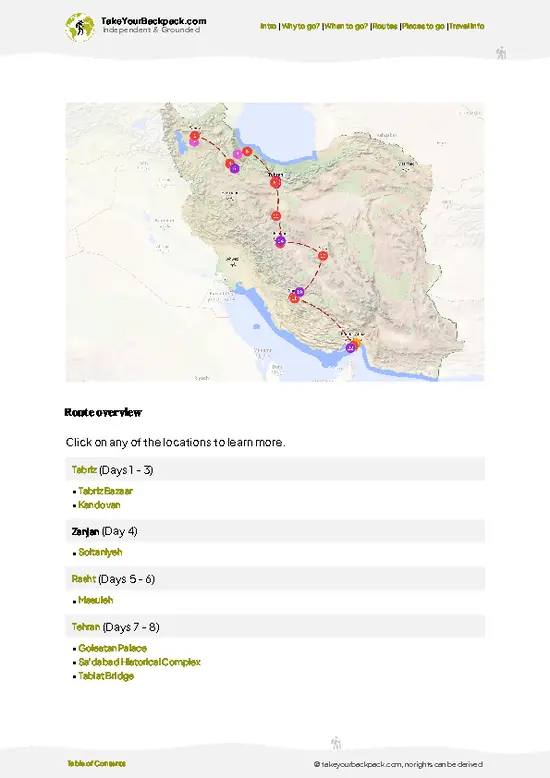

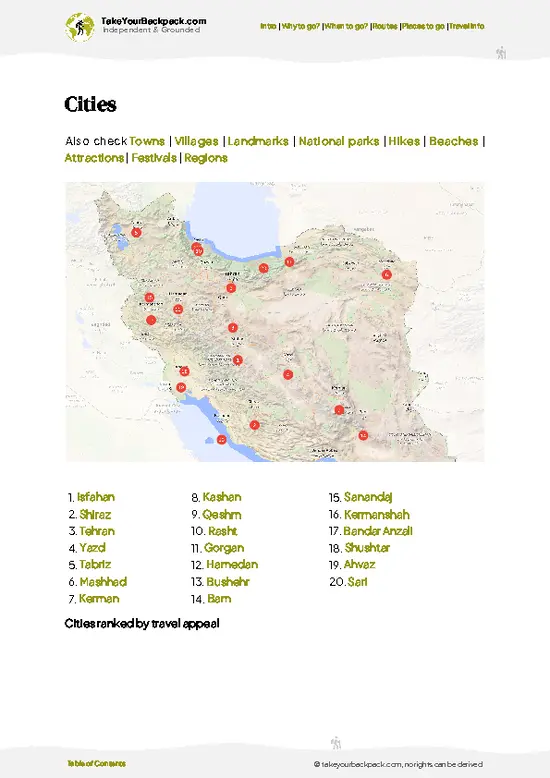
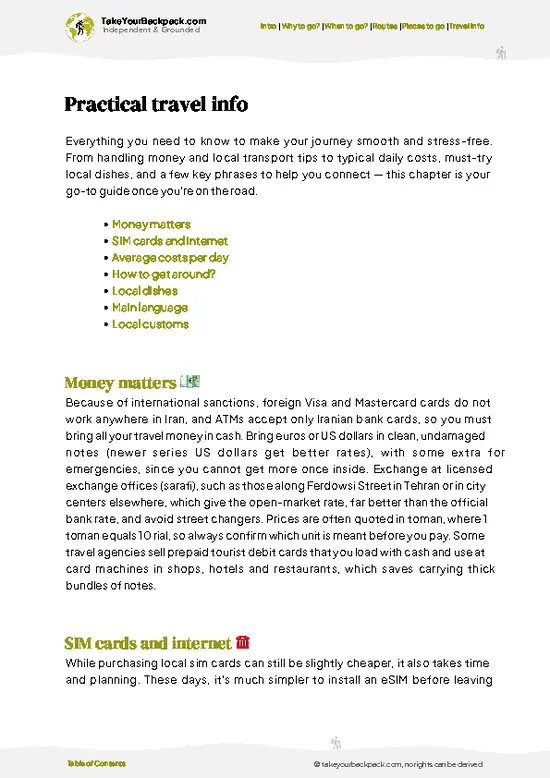
- Shrine of Sheikh Zahed Gilani — The spiritual heart of old Lahijan: a compact shrine complex and cemetery tied to a famous Sufi figure. Quiet architecture, imamzadeh atmosphere and local pilgrims make it a good place to feel the city’s historical pulse.
- Iran (Lahijan) Tea Museum — Small, hands-on museum about Iran’s tea culture set among real tea-industry exhibits. You can learn processing basics, see vintage equipment and usually taste local brews — perfect for understanding why Lahijan exists the way it does.
- Lahijan Pond (the city lake) and lakeside promenade — A photogenic, walkable pond with paddle-boats, cafés and vendors. It’s the city’s social living room: morning walkers, kids on bikes, and easy people-watching with the cable car and tea terraces rising behind it.
- Lahijan Cable
- Shrine of Sheikh Zahed Gilani — The spiritual heart of old Lahijan: a compact shrine complex and cemetery tied to a famous Sufi figure. Quiet architecture, imamzadeh atmosphere and local pilgrims make it a good place to feel the city’s historical pulse.
- Iran (Lahijan) Tea Museum — Small, hands-on museum about Iran’s tea culture set among real tea-industry exhibits. You can learn processing basics, see vintage equipment and usually taste local brews — perfect for understanding why Lahijan exists the way it does.
- Lahijan Pond (the city lake) and lakeside promenade — A photogenic, walkable pond with paddle-boats, cafés and vendors. It’s the city’s social living room: morning walkers, kids on bikes, and easy people-watching with the cable car and tea terraces rising behind it.
- Lahijan Cable Car (telecabin) and summit viewpoint — A short ride up the green slopes gives wide views over the tea fields and the Caspian plain. At the top there are tea houses and short trails — a compact, high-return outing for very little effort.
- Terraced tea gardens and small tea workshops — Walkable tea terraces are threaded into the city’s northern slopes; many small family workshops still process leaves. A stroll through the rows in season, or watching a local workshop, is a genuinely local experience you won’t get in guidebooks alone.
- Old Bazaar of Lahijan — A lively, low-key market where you can buy local tea, smoked fish, sweets and sundry gear. It’s not touristy; it’s where residents shop, which makes sampling and bargaining more honest and interesting.
- Jameh Mosque (Friday Mosque) of Lahijan — The city’s main mosque — modest but historically rooted. Visiting at prayer times gives a sense of local religious life and traditional architecture without the crowds.
- Traditional Gilaki houses and old quarter alleys — Scattered pockets of wooden, low-rise Gilaki architecture and narrow lanes near the pond and lower slopes. They’re great for slow wandering, photography and seeing how local urban life blends with the landscape.
- Tea houses and local cafés — Not one single site, but a network of small tea houses where locals sip several small cups and talk politics, football and family. Drop into any for a cheap, delicious way to meet residents and taste fresh Lahijan brews.
- Short hiking loops on the city’s hill slopes — Small, informal trails and public viewing terraces off the cable-car area and shrine hill give quick green escapes without leaving the municipal limits. They’re ideal for sunrise or late-afternoon light and local birdlife.
Spotted a mistake or missing something? Contact us.

 Best Backpacking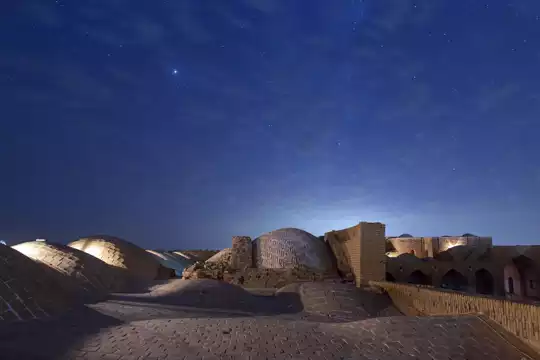
.jpg) Hi, I’m Johan (Netherlands 🇳🇱), the creator of TakeYourBackpack. Over the past 3 decades, I’ve backpacked through 90+ countries across six continents, gaining extensive experience with independent travel, long-term trips, and overland routes.
Hi, I’m Johan (Netherlands 🇳🇱), the creator of TakeYourBackpack. Over the past 3 decades, I’ve backpacked through 90+ countries across six continents, gaining extensive experience with independent travel, long-term trips, and overland routes.