v2.webp)
- Hellshire Hills: A large block of dry limestone forest and the stronghold of the endangered Jamaican iguana. Access is restricted and best arranged through conservation contacts.
- Portland Ridge and Lighthouse: Jamaica’s southernmost headland, with scrub forest, rocky shore and wide sea views, and a rough road to reach it.
- Salt River and Mangrove Channels: Narrow waterways threaded by roots, good for herons, pelicans, and a quiet paddle or boat ride with a local fisherman.
- Manatee Waters near Old Harbour Bay: Shallow seagrass beds where the West Indian manatee feeds, seen occasionally and quietly from a boat.
- Fishing Beaches at Rocky Point: A working landing where boats come in with the catch, and you can eat fried fish within minutes of it leaving the water.
- Hellshire Hills: A large block of dry limestone forest and the stronghold of the endangered Jamaican iguana. Access is restricted and best arranged through conservation contacts.
- Portland Ridge and Lighthouse: Jamaica’s southernmost headland, with scrub forest, rocky shore and wide sea views, and a rough road to reach it.
- Salt River and Mangrove Channels: Narrow waterways threaded by roots, good for herons, pelicans, and a quiet paddle or boat ride with a local fisherman.
- Manatee Waters near Old Harbour Bay: Shallow seagrass beds where the West Indian manatee feeds, seen occasionally and quietly from a boat.
- Fishing Beaches at Rocky Point: A working landing where boats come in with the catch, and you can eat fried fish within minutes of it leaving the water.
Spotted a mistake or missing something? Contact us.

Private Transport to River Tubing or Rafting and Blue Hole combo

Jamaica Best Water Falls Tour,Mobay Bay to Dunn's River/Blue Hole

Blue Hole and Dunn's River Tour (Entrance Fees Not Included)

Blue Hole Tour From Ocho Rios

Blue Hole and River Tubing Combo from Falmouth

Ocho Rios Blue Hole and Rio Nuevo Rafting Tour
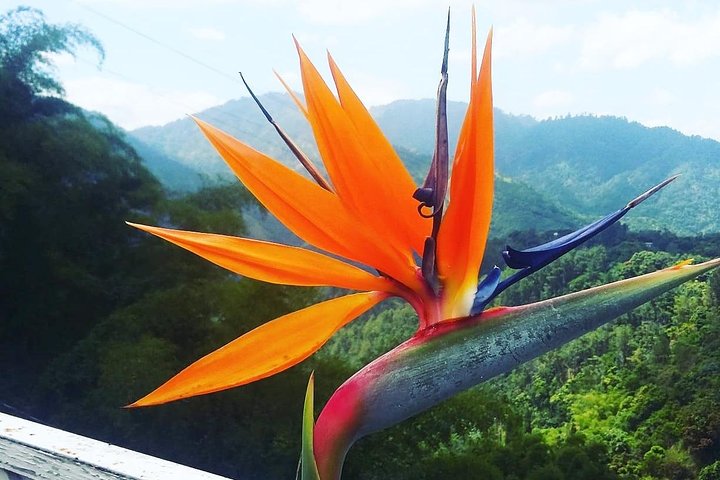
Blue Mountain Path Finder

Reggae Roots Tour: Explore the Legacy of Bunny Lee

Private Guided Group Full-Day Water Tour fr Kingston to Portland


 Best Backpacking
.jpg) Hi, I’m Johan (Netherlands 🇳🇱), the creator of TakeYourBackpack. Over the past 3 decades, I’ve backpacked through 90+ countries across six continents, gaining extensive experience with independent travel, long-term trips, and overland routes.
Hi, I’m Johan (Netherlands 🇳🇱), the creator of TakeYourBackpack. Over the past 3 decades, I’ve backpacked through 90+ countries across six continents, gaining extensive experience with independent travel, long-term trips, and overland routes.