×

Japan🇯🇵 | hikesMount Asahi
active volcano, sulfur vents, alpine flora, Hokkaido’s highest | things to do and best time to go

Explore Yatsugatake MountainsExplore Mount Hakkoda

Backpacking in Mount Asahi
👌 Worth visitinghike ranked #10
By Johan Kruseman 🇳🇱 | last update: 25 April, 2026

Your boots crunch over late-summer hail, sulfur stings your nose, and steam hisses from a vent so close you feel its heat on your shins. This is Mount Asahi, the highest peak in Hokkaido, way up in Daisetsuzan National Park in Japan’s north. The hike hits fast: a cable car and short bus ride from Asahikawa drop you almost straight into alpine terrain, so you earn big-mountain views without a multi-day approach. It’s steep, rocky, and windy, with loose scree that punishes weak ankles, but the payoff is a crater-scape of fumaroles, snow patches in August, and a horizon of layered peaks that makes nearby tourist strolls like Mount Moiwa feel tame. Crowds cluster near the top station; beyond that, it’s you and the weather.

Discover everything you want to know in the 📖 Japan Travel Guide.
Best time to go: May - October
Duration: 2 days
Distance: 14 kilometers
Total ascent: 1,200 meters
Loading the map 🌍
CLICK TO FILTER
city
town
village
unique site
national park
hike
beach
attraction
festival
region
SHOW COUNTRY‘S BESTSHOW ALL

✨ Why go?
Ranked #10 hike in Japan
Why visitors keep coming back

Mount Asahi draws backpackers for its scenery-to-effort ratio that’s hard to beat. You’ll tackle a solid climb, but the views from the summit reward every drop of sweat. Public transport access is a breeze; hop on a train and you’re on the trail in no time. Plus, it’s a low-cost adventure—no pricey permits or guides needed.

You can choose your distance, making it perfect for a day hike or a multi-day trek, seamlessly fitting into a longer backpacking route through the Japanese Alps. The burn in your legs transforms into a rush as you reach the top, where the horizon stretches endlessly. And nothing beats that first cold beer at the trailhead, celebrating your triumph with fellow adventurers.
Get the complete Travel Guide for Japan
Everything organized for offline planning — routes, highlights, costs & tips

See what’s inside 👉

Get the Travel Guide -
  1. Summit panorama (personal favorite) — The top of Asahidake delivers a brutally honest 360° view: Daisetsuzan’s rugged ridgelines, neighboring volcanoes and, on very clear days, a sliver of the Sea of Okhotsk. Morning cloud-inversions are common here, so you can sit above a sea of clouds while the peaks poke through — pure alpine theater that rewards the climb or the short ropeway boost.
  2. Volcanic crater and lunar slopes — Asahidake is an active volcanic massif, so parts of the trail pass stark scoria fields, steaming vents and the crater rim. That raw, otherworldly terrain feels different from forested Japanese hikes — more like hiking on a living mountain — and the sulfur-tinged air is a constant reminder you’re on volcanic ground.
  3. Alpine flowers and fragile high-mountain vegetation
  4. read more 👉
  1. Summit panorama (personal favorite) — The top of Asahidake delivers a brutally honest 360° view: Daisetsuzan’s rugged ridgelines, neighboring volcanoes and, on very clear days, a sliver of the Sea of Okhotsk. Morning cloud-inversions are common here, so you can sit above a sea of clouds while the peaks poke through — pure alpine theater that rewards the climb or the short ropeway boost.
  2. Volcanic crater and lunar slopes — Asahidake is an active volcanic massif, so parts of the trail pass stark scoria fields, steaming vents and the crater rim. That raw, otherworldly terrain feels different from forested Japanese hikes — more like hiking on a living mountain — and the sulfur-tinged air is a constant reminder you’re on volcanic ground.
  3. Alpine flowers and fragile high-mountain vegetation — In summer the upper slopes explode with hardy alpine species: gentians, saxifrages and mats of tiny, colorful blooms that only survive above the treeline. The plants are short and delicate, so the views aren’t just about vistas but also these rare botanical carpets you won’t see on lower-elevation trails.
  4. Wildlife encounters — including the rock ptarmigan — Daisetsuzan is one of the last refuges of the Japanese rock ptarmigan, plus you may spot marmot-like rodents, foxes or Ezo deer lower down. Sightings aren’t guaranteed, but the alpine birds and mammals here are specially adapted to the harsh climate, which makes any encounter feel notable compared with more trafficked lowland trails.
  5. Asahidake Ropeway and quick access to high alpine — The ropeway rockets you up into the alpine zone, letting hikers experience true high-mountain scenery without a multi-day approach. That makes Asahidake unusually accessible: you can get above the treeline, wander ridgelines and still be back in town the same day — great for photographers, tired legs, or anyone who wants serious alpine scenery on a budget of time.
Spotted a mistake or missing something? Contact me.

🌤️ When to go?Weather, crowds, and seasonal trade-offs


  • Weather: Late June through early October offers the most stable conditions. Snow melts by late June, clearing trails, while typhoon season peaks in August, bringing sudden downpours and slippery paths.

  • Temperature: Summer highs hover around 20-25°C (68-77°F), but nights dip sharply to 5-10°C (41-50°F). Early fall cools further, demanding layered gear for warmth.

  • Daylight Hours: Peak summer grants up to 15 hours of daylight, perfect for long ascents. By October, daylight shrinks to about 10 hours, tightening your hiking window.

  • Crowds: July and August draw weekend warriors and tourists, especially on weekends. Weekdays in late June or September offer quieter trails and a more solitary experience.

  • Seasonal Activities: Summer showcases alpine flowers and buzzing insects; fall paints
  • read more 👉

  • Weather: Late June through early October offers the most stable conditions. Snow melts by late June, clearing trails, while typhoon season peaks in August, bringing sudden downpours and slippery paths.

  • Temperature: Summer highs hover around 20-25°C (68-77°F), but nights dip sharply to 5-10°C (41-50°F). Early fall cools further, demanding layered gear for warmth.

  • Daylight Hours: Peak summer grants up to 15 hours of daylight, perfect for long ascents. By October, daylight shrinks to about 10 hours, tightening your hiking window.

  • Crowds: July and August draw weekend warriors and tourists, especially on weekends. Weekdays in late June or September offer quieter trails and a more solitary experience.

  • Seasonal Activities: Summer showcases alpine flowers and buzzing insects; fall paints the landscape with fiery reds and golds, rewarding the climb with breathtaking vistas.

  • Price Fluctuations: Accommodation and transport costs spike during peak summer holidays. Booking in shoulder seasons like late June or September can save money and avoid the crush.


Pro-tip: Start your hike early in the shoulder seasons to catch the crisp morning air and avoid the afternoon crowds that turn the trail into a slow shuffle.


source: climatestotravel.comJANJanuary: below average for travelingFEBFebruary: below average for travelingMARMarch: below average for travelingAPRApril: fair for travelingMAYMay: good for travelingJUNJune: highly recommended for travelingJULJuly: good for travelingAUGAugust: good for travelingSEPSeptember: highly recommended for travelingOCTOctober: good for travelingNOVNovember: fair for travelingDECDecember: below average for traveling
when-to-go

✈️ The ultimate backpacker shortcutJapan Travel Guide

Skip weeks of research and hit the road with confidence. Get 411 pages of proven routes, transport advice, and real safety insights—built for your phone and 100% offline-ready.
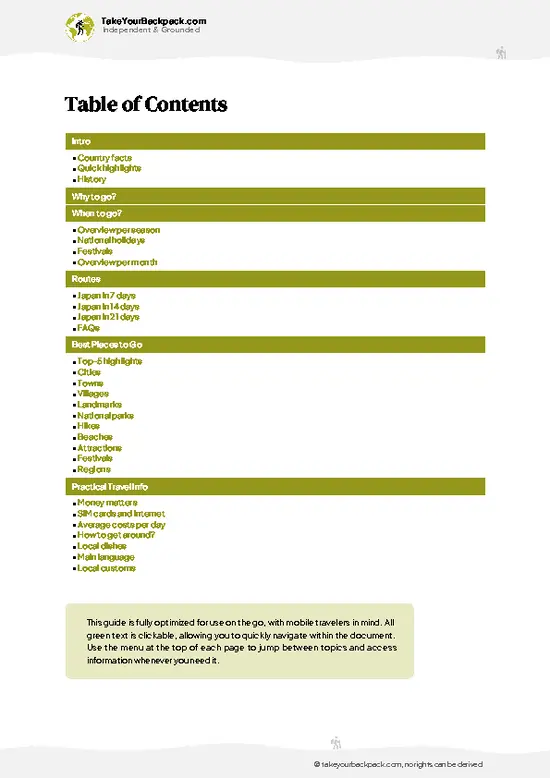
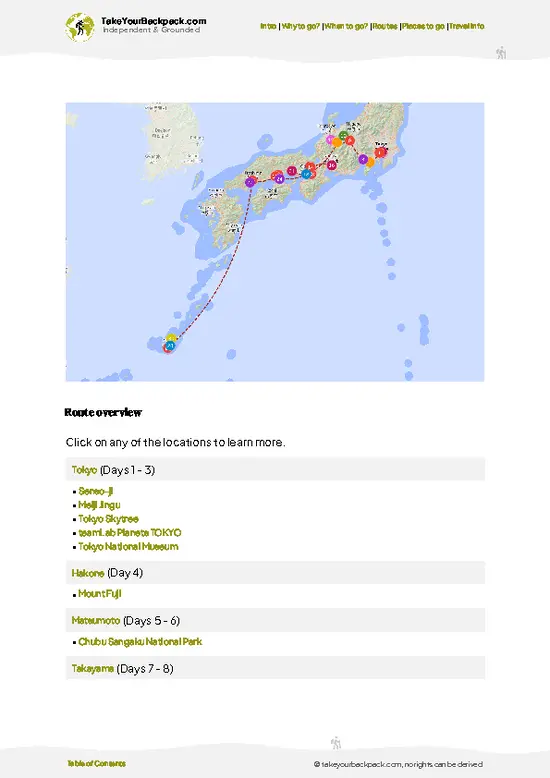
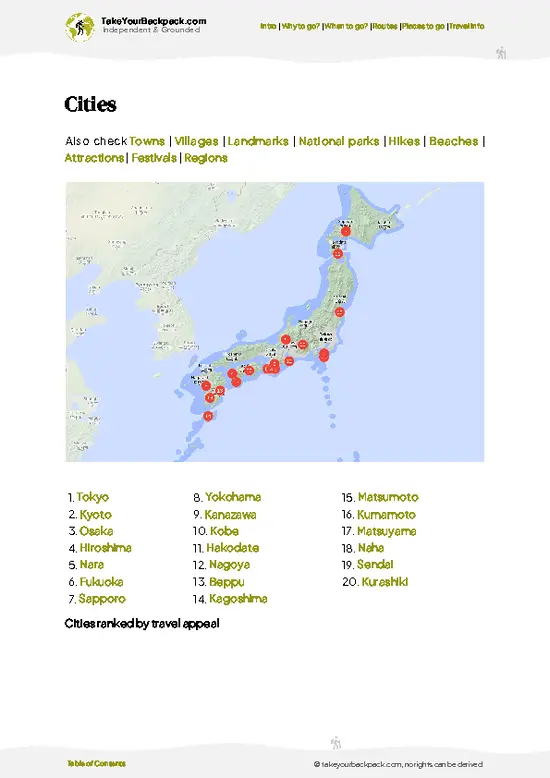
example page 0 from our offline Travel Guide for Japanexample page 1 from our offline Travel Guide for Japanexample page 2 from our offline Travel Guide for Japanexample page 3 from our offline Travel Guide for Japanexample page 4 from our offline Travel Guide for Japan
🎒 Your 411-page offline travel companion
7, 14 & 21-day routes paced for real travel
140 ranked highlights with honest skip-it advice
Logistics solved: Best areas to stay & transport
Safety blueprints: Common local scams to avoid
No Wi-Fi? No problem: Phone-optimized offline PDF
👉 See all 30+ guide features

📅 Plan smarter in minutes, not weeks
Realistic travel times & pacing
Best months per region
Festivals & national holidays
Budget expectations

🗺️ Go to the right places, skip the overrated ones
140 ranked highlights across the country
Hidden gems beyond the tourist trail
Honest pros & cons of destinations
Top hikes, parks & viewpoints
Lesser-known places most travelers miss
Clear “worth it vs skip it” guidance

🛏️ Travel smoothly without rookie mistakes
Best areas to stay
Transport systems explained simply
Local transport tradeoffs
Common scams & safety advice
SIM cards, money & practical tips
What to expect before arrival

🌍 Understand the country, not just visit it
Culture & traditions
52 Essential phrases & customs
Festivals worth planning around
Traveler-friendly historical context
Insights that make places more meaningful

📱 Built for real travel conditions
Fully downloadable PDF
Works completely offline
Optimized for phone use
Useful in remote areas & buses
Everything in one place
Save weeks of stressful planning
Get instant access to the full guide directly. 30-day money-back guarantee.


Sent to your inbox immediately after payment • 100% Secure Checkout
Best Backpacking Travel Advisor 2025 tourism awardBest Backpacking
Travel Advisor
2025
What others say about Take Your Backpack Guides:
⭐⭐⭐⭐⭐
Fantastic, amazing amount of information!
⭐⭐⭐⭐⭐
My goodness this is amazing, it's what I've been looking for hats off too you!
⭐⭐⭐⭐⭐
I think this is absolutely BRILLIANT
⭐⭐⭐⭐
Very complete and informative. It's still missing places, but I gotta to commend you
⭐⭐⭐⭐⭐
This is truly amazing, thank you, can't wait to explore it with my kids!
⭐⭐⭐⭐⭐
Awesome resource, thank you!
⭐⭐⭐⭐⭐
This is amazing! Can't wait to explore the ones I haven't seen
⭐⭐⭐⭐
I love this! Well done, great idea.
⭐⭐⭐⭐⭐
Thanks for taking the time to make this gem!
⭐⭐⭐⭐⭐
This might be the best website I've ever seen.
⭐⭐⭐⭐⭐
Congratulations, and thank you so much for your work; it's incredibly valuable.
⭐⭐⭐⭐
In all seriousness I think you did a great job pointing out the important spots
⭐⭐⭐⭐⭐
10/10 very good
⭐⭐⭐⭐⭐
As someone who's only just starting to visit regularly this is awesome, thank you.
⭐⭐⭐⭐
Thank you very much! I'm going to visit my dad, it's going to be very useful!
⭐⭐⭐⭐⭐
This is really cool! We'll be travelling for the first time and this definitely come in handy.
⭐⭐⭐⭐⭐
You are now our minister of culture, congratulations 👨‍💼
⭐⭐⭐⭐⭐
Just wanted to tell you that this is a pearl! Going to follow your recommendations.
⭐⭐⭐⭐⭐
This is so cool. I'll definitely be using the resource for my travels soon.
⭐⭐⭐⭐⭐
This is very impressive! Good work.
⭐⭐⭐⭐⭐
This is an amazing and informative site. Very well done!

🛏️ Where to stay?Where staying makes the most sense

If you enjoy meeting fellow travelers, consider choosing hostels with high ratings for atmosphere. On the other hand, if you prefer having your own space, a hotel might be a better option.

🥾 Hike detailsKey facts about the Mount Asahi hike

Total Distance: Approximately 12 kilometers round trip, making it a decent day hike for most.

Estimated Duration: Expect to spend around 5 to 7 hours on the trail, depending on your pace and how often you stop to take in the views or snap photos.

Difficulty Level: This trail is generally rated as moderate. There are some steep sections that can be challenging, especially if you’re not used to hiking. But it’s manageable for most people with a reasonable fitness level.

Starting Point: The trailhead begins at the Asahidake Onsen area. To get there via public transport, take a train to Kamikawa … read more 👉
Total Distance: Approximately 12 kilometers round trip, making it a decent day hike for most.

Estimated Duration: Expect to spend around 5 to 7 hours on the trail, depending on your pace and how often you stop to take in the views or snap photos.

Difficulty Level: This trail is generally rated as moderate. There are some steep sections that can be challenging, especially if you’re not used to hiking. But it’s manageable for most people with a reasonable fitness level.

Starting Point: The trailhead begins at the Asahidake Onsen area. To get there via public transport, take a train to Kamikawa Station, then catch a local bus heading to Asahidake Onsen. The bus ride is about 30 minutes, and you’ll get dropped off right near the trailhead.

Major Landmarks Along the Route:
  • Asahidake Ropeway Station: This is where you can catch a lift partway up the mountain, saving you some energy if you choose to use it.
  • Summit of Mount Asahi: The main attraction, offering panoramic views of the surrounding Daisetsuzan National Park.
  • Hot Springs: There are several onsen spots near the trailhead, perfect for a post-hike soak.

Type of Terrain and Scenery: The trail features a mix of rocky paths, dirt trails, and some wooden boardwalks. You’ll encounter steep ascents and descents, so good footwear is a must. The scenery is stunning, with alpine meadows, volcanic landscapes, and, if you’re lucky, the sight of the occasional wildflower blooming.

Typical Vegetation and Wildlife: Expect to see a variety of alpine flora, including dwarf birch and colorful wildflowers in summer. Keep your eyes peeled for wildlife, too; you might spot Japanese serows or even the elusive black bear from a safe distance. Birdwatchers will enjoy spotting various species, especially in the early morning.

This trail is a gem for independent hikers looking for a good mix of challenge and breathtaking views. Just remember to pack enough water and snacks, and maybe a camera—you’ll want to capture those vistas!
⚠️ Hiking info can sometimes be outdated or inaccurate. Before you hit the trail, check the latest conditions with locals. If you do spot anything that's off, I'd love to hear from you, so I can update it for fellow travelers.

🛡️ SafetyTraveler Safety Guide

Mount Asahi offers a thrilling yet manageable hike, but don’t underestimate the terrain. The trails can be steep and rocky, demanding solid footing and a steady pace. Weather can shift rapidly; be ready for sun, rain, or even snow, depending on the season.

Altitude isn’t extreme, but you might feel it—stay hydrated and take breaks. Wildlife encounters are rare, but if you spot a bear, back away slowly and make noise.

Pack layers and sturdy boots, and don’t skimp on snacks. The reward? A breathtaking view at the summit and that first cold beer at the lodge below. Embrace the challenge; it’s all part of the adventure.

Other Japanese hikes near Mount Asahi

Explore more nearby:

  • Daisetsuzan Grand Traverse—volcanic ridges, alpine meadows, remote huts, Hokkaido wilderness| 5 km away
  • Mount Rishiri—island peak, coastal views, steep ascent, wildflowers| 212 km away
  • Mount Hakkoda—hot springs, deep snow, beech forests, volcanic plateaus| 370 km away

👉 Discover all hikes

Or checkout all Japan has to offer (think cities, towns, villages, national parks, hikes, beaches, festivals)
Country photo of Japan
film
0
0
0a
Kumano Kodo
Pixabay
film
1
1
1a
Mount Fuji
Pixabay
film
2
2
2a
Daisetsuzan Grand Traverse
film
3
3
3a
Shirakami Sanchi
film
4
4
4a
Mount Norikura
film
5
5
5a
Yatsugatake Mountains
film
6
6
6a
Mount Hakkoda

I 💚 feedbackWhat to keep in mind

Mount Asahi is a beast of a hike, but the panoramic views from the summit are a hard-earned reward that’ll stick with you. Just be ready for the crowds; this isn’t a secluded trek. If you can embrace the hustle, the experience is electric—every step is a story waiting to unfold.

✈️ When did I visit Japan?
As part of my 1.5 year travel around the world trip, I visited Japan in August 2015.

✍️ Help improve this page!
The information on this page is based on my own backpacking experience in Japan, supplemented with up-to-date research and feedback from other travelers. Travel details can change, so if you notice anything outdated or incomplete, feel free to let me know.


🙋‍♂️ Give feedback

👋 Meet the authorWho’s Behind Take Your Backpack?

Johan, backpacker and founder of TakeYourBackpackHi, I’m Johan (Netherlands 🇳🇱), the creator of TakeYourBackpack. Over the past decade, I’ve backpacked through 80+ countries across six continents, gaining extensive experience with independent travel, long-term trips, and overland routes.

This site is built on a combination of firsthand travel experience and carefully curated insights from other backpackers. Many guides are based on places I’ve personally visited, while others bring together tips, observations, and practical advice shared by trusted travelers I’ve met along the way.

The goal is to provide realistic, experience-driven guidance — not generic itineraries — so you can explore destinations with better context, clearer expectations, and more confidence.

Get Full Country Guide |
Instant download • 140 highlights • Full Offline guide