×

Japan🇯🇵 | hikesShirakami Sanchiprimeval beech forest, UNESCO wilderness, hidden lakes, wildlife habitat | things to do and best time to go

Explore Nakasendo TrailExplore Daisetsuzan Grand Traverse

Backpacking in Shirakami Sanchi
👌 Worth visitinghike ranked #10
By Johan Kruseman 🇳🇱 | Updated September 4, 2026

Most people online sell Shirakami Sanchi as a single “big hike,” but the surprise is this: it’s actually a scattered maze of short, punchy trails and remote routes, and you’ll spend as much time chasing trailheads as walking beech forest. Sitting on the border of Aomori and Akita in northern Honshu, it feels far wilder than its UNESCO label suggests. The scenery hits fast—pale beech trunks, mossy boulders, sudden gorges—but don’t expect a long, continuous traverse unless you’re ready for logistics and some bushwhack energy. Access by public transport is doable yet clunky, with awkward bus timings that punish poor planning. Compared with nearby Towada-Hachimantai routes, Shirakami is shorter, steeper in bursts, less polished, and more rewarding if you like your hikes a bit feral and your views hard-earned.

Discover everything you want to know in the 📖 Japan Travel Guide.
Best time to go: April - June, September - November
Duration: 3 to 4 days
Distance: 100 kilometers
Total ascent: 800 to 1,200 meters


Get your Japan guide
140 ranked highlights, routes & tips, works offline (482 pages)
Loading the map 🌍
CLICK TO FILTER
cities
towns
villages
landmarks
national parks
hikes
beaches
attractions
festivals
regions
SHOW COUNTRY’S BESTSHOW ALL

✨ Why go?
Ranked #10 hike in Japan
The unique appeal for travelers

Shirakami Sanchi is a backpacker’s dream. The scenery-to-effort ratio is off the charts; you’ll find yourself surrounded by ancient beech forests, cascading waterfalls, and the haunting calls of wildlife. It’s a place where every step feels like a reward.

Getting there is a breeze with public transport access from major cities like Aomori. Once you arrive, the low cost of entry means you can dive right into nature without breaking the bank.

Flexibility is key here; trails vary in distance, allowing you to tailor your adventure to your energy level. Whether you’re in for a quick day hike or a multi-day trek, Shirakami Sanchi fits seamlessly into a longer backpacking route. The burn of the trail is worth it when you finally reach that breathtaking viewpoint or crack open a cold beer at the end of the day.
Want to include Shirakami Sanchi in your Japan route?
Create a personalized Japan itinerary that includes Shirakami Sanchi and the places that fit your trip — based on your travel style, budget, and available time. Get your route in seconds.

Generate my trip

💡 HighlightsPlaces and moments you shouldn't skip

  • Primeval beech forest (UNESCO core zone) — My personal favorite. This is the heart of Shirakami Sanchi: ancient, untouched beech trees forming multi-layered canopy that you just don’t see much anymore in East Asia. Walking under those massive trunks feels like stepping into a living museum — quiet, cool, and oddly humbling. Stick to the marked paths and you’ll get the full “old-growth” vibe without damaging it.
  • Aoike (”Blue Pond”) in Juniko — A tiny pond with unreal turquoise water from groundwater filtering and depth; it’s ridiculously photogenic. The boardwalk viewpoints give you perfect reflections on still mornings, which is why people plan sunrise swims of the camera rather than the water.
  • Juniko (the “Twelve Lakes”) cluster — A series of ponds and marshes, each with its own color
read more 👉
  • Primeval beech forest (UNESCO core zone) — My personal favorite. This is the heart of Shirakami Sanchi: ancient, untouched beech trees forming multi-layered canopy that you just don’t see much anymore in East Asia. Walking under those massive trunks feels like stepping into a living museum — quiet, cool, and oddly humbling. Stick to the marked paths and you’ll get the full “old-growth” vibe without damaging it.
  • Aoike (”Blue Pond”) in Juniko — A tiny pond with unreal turquoise water from groundwater filtering and depth; it’s ridiculously photogenic. The boardwalk viewpoints give you perfect reflections on still mornings, which is why people plan sunrise swims of the camera rather than the water.
  • Juniko (the “Twelve Lakes”) cluster — A series of ponds and marshes, each with its own color and mood. Easy loops and wooden walkways make it a relaxed half-day wander; foggy dawns turn the whole area into a mirror maze of blue and green.
  • Anmon Gorge and Anmon Falls — Narrow, mossy gorge with a dramatic drop and roaring cascade. The contrast of sheer rock walls, dripping ferns, and the spray from the falls makes this section feel cinematic and refreshingly cool in summer.
  • Mossy streams, old river terraces and wildlife — The area’s intact ecology is what sets Shirakami apart: clear mountain streams covered in emerald moss, river terraces carpeted with ferns, and honest chances to spot birds (like the black woodpecker), amphibians, and the shy Japanese serow. It’s also bear country, so quiet appreciation from a distance and bear-aware practices are part of the experience.
Spotted a mistake or missing something? Contact us.

Things to do near Shirakami Sanchi

Ratings based on Tripadvisor reviews. When you book through this link, you support our work at no extra cost to you.

🌤️ When to go?Best time to hike the Shirakami Sanchi


  • Weather: Spring and autumn deliver the best conditions—mild, stable, and dry. Summers bake the trails with humidity pushing 30°C (86°F), while winters plunge below freezing, often blanketing paths in snow and ice.

  • Temperature: Aim for April to June or September to early November. Expect highs around 15-22°C (59-72°F) and lows dipping to 5°C (41°F), perfect for sweating without overheating or freezing.

  • Daylight Hours: Spring and autumn offer balanced daylight—about 12 to 14 hours—enough time to tackle long hikes without rushing or risking nightfall on the trail.

  • Crowds: Peak seasons bring a steady trickle of hikers, but Shirakami Sanchi remains far from tourist-packed. Avoid Golden Week (late April to early May) when local traffic spikes.

  • Seasonal Activities: Autumn paints the forest
read more 👉

  • Weather: Spring and autumn deliver the best conditions—mild, stable, and dry. Summers bake the trails with humidity pushing 30°C (86°F), while winters plunge below freezing, often blanketing paths in snow and ice.

  • Temperature: Aim for April to June or September to early November. Expect highs around 15-22°C (59-72°F) and lows dipping to 5°C (41°F), perfect for sweating without overheating or freezing.

  • Daylight Hours: Spring and autumn offer balanced daylight—about 12 to 14 hours—enough time to tackle long hikes without rushing or risking nightfall on the trail.

  • Crowds: Peak seasons bring a steady trickle of hikers, but Shirakami Sanchi remains far from tourist-packed. Avoid Golden Week (late April to early May) when local traffic spikes.

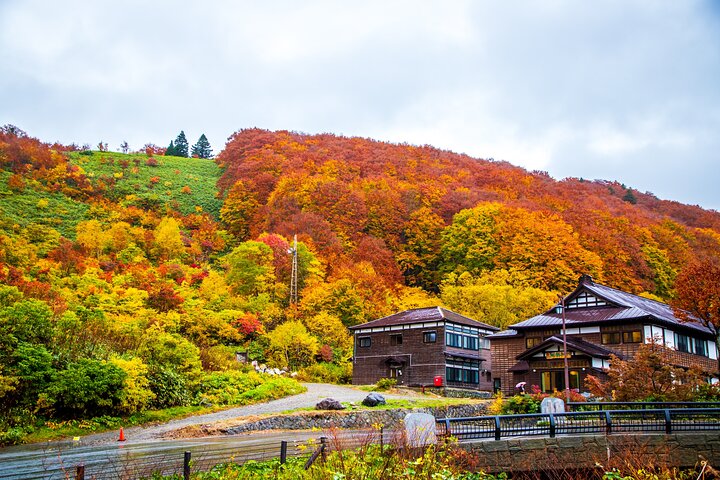
  • Seasonal Activities: Autumn paints the forest in fiery reds and golds, a visual payoff worth the extra chill. Spring bursts with fresh greenery and wildflowers, energizing every step.

  • Price Fluctuations: Accommodation and transport costs rise during peak foliage and holiday periods. Booking ahead in spring and autumn secures better rates and availability.


Pro-tip: Start early in the day during shoulder seasons to catch the crisp morning air and avoid afternoon crowds—there’s nothing like the forest waking up around you to fuel your stride.


source: climatestotravel.comJANJanuary: below average for travelingFEBFebruary: below average for travelingMARMarch: fair for travelingAPRApril: excellent for travelingMAYMay: highly recommended for travelingJUNJune: excellent for travelingJULJuly: fair for travelingAUGAugust: fair for travelingSEPSeptember: excellent for travelingOCTOctober: excellent for travelingNOVNovember: highly recommended for travelingDECDecember: below average for traveling
japan-hike-shirakami-sanchi
© Google |

✈️ The backpacker research shortcutJapan Travel Guide

An offline-friendly backpacking guide with optimized travel routes, ranked highlights, transport advice, and the best areas to stay.
example page 0 from our offline Travel Guide for Japan
example page 1 from our offline Travel Guide for Japan
example page 2 from our offline Travel Guide for Japan
example page 3 from our offline Travel Guide for Japan
example page 4 from our offline Travel Guide for Japan
example page 5 from our offline Travel Guide for Japan
example page 6 from our offline Travel Guide for Japan
example page 7 from our offline Travel Guide for Japan
The digital guide (482 pages) contains:
140 highlights, ranked by travel appeal
Optimized 7, 14 & 21-day travel routes
Cities, national parks, landmarks, beaches
How to get around
Offline-friendly for travel without Wi-Fi
👉 Click to see all 30+ guide features

📅 Plan smarter in minutes, not weeks
Month by month travel advice
Festivals & national holidays
Budget expectations

🗺️ Go to the right places, skip the overrated ones
Honest pros & cons of destinations
Top hikes, parks & viewpoints
Lesser-known places most travelers miss
Clear “worth it vs skip it” guidance

🛏️ Travel smoothly without rookie mistakes
Best areas to stay
Transport systems explained simply
Common scams & safety advice
SIM cards, money & practical tips

🌍 Understand the country, not just visit it
Culture & traditions
52 Essential phrases & customs
Festivals worth planning around
Traveler-friendly historical context
Insights that make places more meaningful

📱 Built for real travel conditions
Fully downloadable PDF
Works completely offline
Optimized for phone use
Useful in remote areas & buses
Everything in one place
Save weeks of stressful planning
Get instant access to your full guide. 30‑day money-back guarantee.
+ Add another guide for just US$7.80

By proceeding you agree to our terms.
Sent to your inbox immediately after payment • 100% Secure Checkout
Best Backpacking Travel Advisor 2025 tourism awardBest Backpacking
Travel Advisor
2025
What others say about Take Your Backpack Guides:
⭐⭐⭐⭐⭐
Fantastic, amazing amount of information!
⭐⭐⭐⭐⭐
My goodness this is amazing, it's what I've been looking for hats off too you!
⭐⭐⭐⭐⭐
I think this is absolutely BRILLIANT
⭐⭐⭐⭐
Very complete and informative. It's still missing places, but I gotta to commend you
⭐⭐⭐⭐⭐
This is truly amazing, thank you, can't wait to explore it with my kids!
⭐⭐⭐⭐⭐
Awesome resource, thank you!
⭐⭐⭐⭐⭐
This is amazing! Can't wait to explore the ones I haven't seen
⭐⭐⭐⭐
I love this! Well done, great idea.
⭐⭐⭐⭐⭐
Thanks for taking the time to make this gem!
⭐⭐⭐⭐⭐
This might be the best website I've ever seen.
⭐⭐⭐⭐⭐
Congratulations, and thank you so much for your work; it's incredibly valuable.
⭐⭐⭐⭐
In all seriousness I think you did a great job pointing out the important spots
⭐⭐⭐⭐⭐
10/10 very good
⭐⭐⭐⭐⭐
As someone who's only just starting to visit regularly this is awesome, thank you.
⭐⭐⭐⭐
Thank you very much! I'm going to visit my dad, it's going to be very useful!
⭐⭐⭐⭐⭐
This is really cool! We'll be travelling for the first time and this definitely come in handy.
⭐⭐⭐⭐⭐
You are now our minister of culture, congratulations 👨‍💼
⭐⭐⭐⭐⭐
Just wanted to tell you that this is a pearl! Going to follow your recommendations.
⭐⭐⭐⭐⭐
This is so cool. I'll definitely be using the resource for my travels soon.
⭐⭐⭐⭐⭐
This is very impressive! Good work.
⭐⭐⭐⭐⭐
This is an amazing and informative site. Very well done!

🛏️ Where to stay?Best areas and accommodation options

If you enjoy meeting fellow travelers, consider choosing hostels with high ratings for atmosphere. On the other hand, if you prefer having your own space, a hotel might be a better option.

🥾 Hike detailsEverything you need to know before hiking Shirakami Sanchi

Total Distance: Approximately 30 kilometers (about 18.6 miles) for the main trail loop, though you can choose shorter segments depending on your stamina and time.

Estimated Duration: Expect to spend around 2 to 3 days on the full trail, with daily hiking times ranging from 6 to 8 hours, depending on your pace and how often you stop to take in the views.

Difficulty Level: Moderate to challenging. The trail features some steep sections and uneven terrain, so a good level of fitness is recommended.

Starting Point: The trailhead is typically accessed from the Anmon Falls entrance.
  • Public Transport:
read more 👉
Total Distance: Approximately 30 kilometers (about 18.6 miles) for the main trail loop, though you can choose shorter segments depending on your stamina and time.

Estimated Duration: Expect to spend around 2 to 3 days on the full trail, with daily hiking times ranging from 6 to 8 hours, depending on your pace and how often you stop to take in the views.

Difficulty Level: Moderate to challenging. The trail features some steep sections and uneven terrain, so a good level of fitness is recommended.

Starting Point: The trailhead is typically accessed from the Anmon Falls entrance.
  • Public Transport: Take a train to JR Ajigasawa Station, then catch a local bus to Anmon Falls. Buses are pretty regular, but check the schedule beforehand to avoid long waits.

Major Landmarks:
  • Anmon Falls: A stunning three-tiered waterfall that’s a great spot for photos and a refreshing break.
  • Shirakami-Sanchi World Heritage Site: Recognized for its ancient beech forests, this area is rich in biodiversity and stunning landscapes.
  • Furepe Waterfall: Another beautiful waterfall along the route, offering a peaceful atmosphere and a chance to cool off.

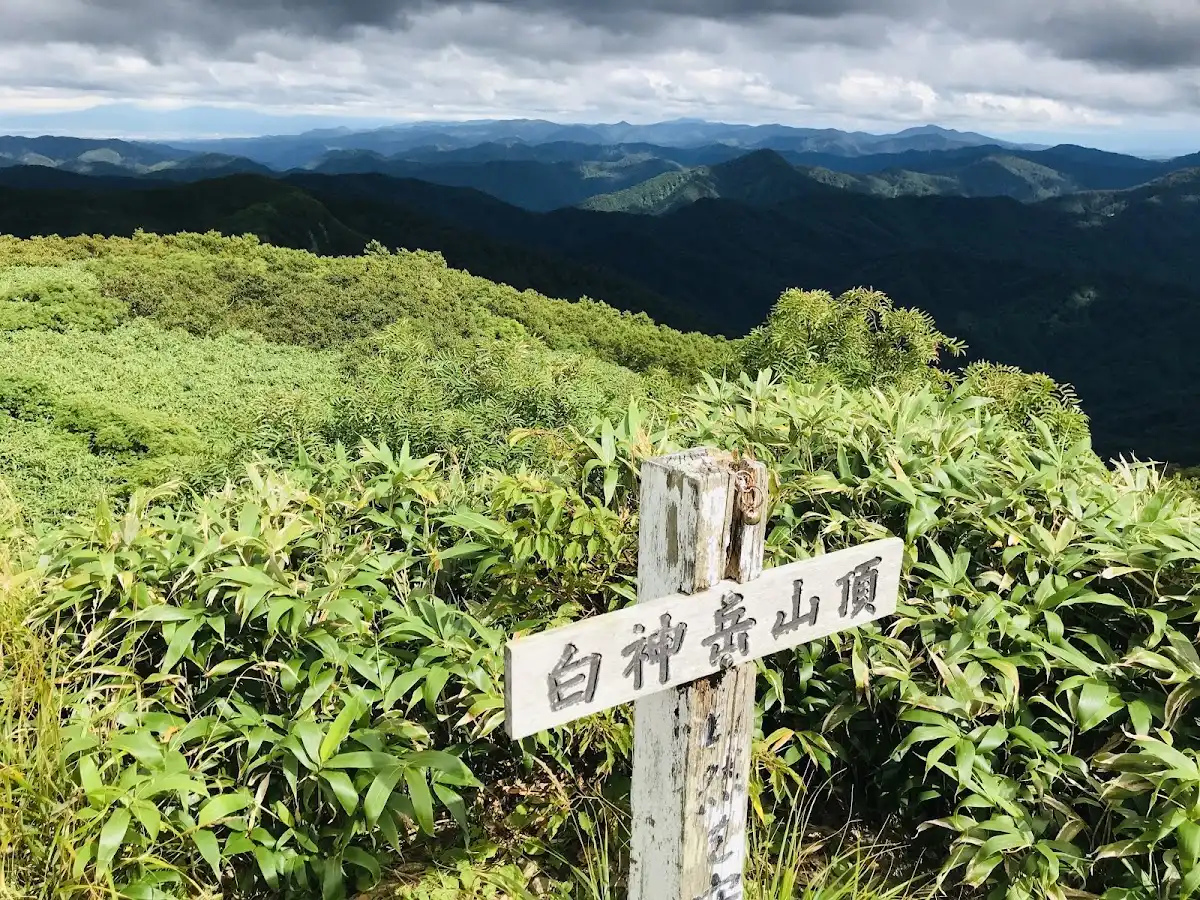
Type of Terrain and Scenery: The trail features a mix of well-maintained paths and rugged sections. Expect a variety of landscapes, from dense forests to open ridges with panoramic views. The scenery changes as you hike, with lush greenery in the lower areas and more rocky terrain as you ascend.

Typical Vegetation and Wildlife:
  • Vegetation: Dominated by ancient beech trees, you’ll also find a mix of other hardwoods and shrubs, creating a vibrant ecosystem.
  • Wildlife: Keep an eye out for Japanese macaques, various bird species, and if you’re lucky, you might spot a deer or two. The area is rich in biodiversity, so there’s always something to see!

Pack some snacks, plenty of water, and your camera. The views are definitely worth the effort!
⚠️ Hiking info can sometimes be outdated or inaccurate. Before you hit the trail, check the latest conditions with locals. If you do spot anything that's off, I'd love to hear from you, so I can update it for fellow travelers.

🛡️ SafetyTraveler Safety Guide

Shirakami Sanchi offers a thrilling mix of lush trails and rugged terrain. Expect steep sections that demand focus, especially after rain when footing can get slippery. Navigation is straightforward, but keep an eye on trail markers to stay on course. Weather can shift quickly; pack layers and a rain jacket to stay comfortable.

Wildlife is part of the experience—spotting a Japanese black bear is rare, but if you do, make noise and back away slowly. Most importantly, respect the environment; stick to trails to protect delicate ecosystems. With the right gear and a steady pace, you’ll find the effort rewarded by breathtaking views and a well-deserved cold drink at the end.

FAQCommon questions from travelers

The Shirakami Sanchi hike typically takes 1 to 2 days depending on the chosen trail, with the popular Anmon Falls route being around 7 kilometers one way. Most hikers complete it in a day, but staying overnight is possible at designated campsites.
The difficulty of the Shirakami Sanchi hike is moderate. Trails include some steep sections and uneven terrain, requiring a reasonable level of fitness and proper hiking gear, especially during rainy seasons when paths can be slippery.
No guide or permit is required to hike Shirakami Sanchi, but it is recommended to register your hike at local visitor centers for safety. Guided tours are available but optional, and there are no entrance fees for the hiking trails.
⚠️ Things can change over time, so always validate details locally before you go.

Other Japanese hikes near Shirakami Sanchi

Explore more nearby:

  • Mount Hakkoda—hot springs, deep snow, beech forests, volcanic plateaus| 65 km away
  • Daisetsuzan Grand Traverse—volcanic ridges, alpine meadows, remote huts, Hokkaido wilderness| 414 km away
  • Mount Asahi—active volcano, sulfur vents, alpine flora, Hokkaido’s highest| 414 km away

💡 Not sure where to go next?
Create a personalized itinerary for Japan including Shirakami Sanchi and the places that fit your trip.

Generate my itinerary

👉 Discover all hikes

Or checkout all Japan has to offer (think cities, towns, villages, national parks, hikes, beaches, festivals)
Country photo of Japan

We 💚 feedbackSumming up the experience

Shirakami Sanchi is a wild symphony of ancient beech trees and rushing streams that feels like stepping into a living postcard. But be ready for the mud—your boots will get caked, and the trails can be slippery. Embrace the grit; the payoff is a breathtaking view that makes every slip worth it. Trust me, that cold beer at the end hits differently after a day like this.

✈️ When did I visit Japan?
As part of my 1.5 year travel around the world trip, I visited Japan in August 2015.

✍️ Help improve this page!
The information on this page is based on my own backpacking experience in Japan, supplemented with up-to-date research and feedback from other travelers. Travel details can change, so if you notice anything outdated or incomplete, feel free to let me know.


🙋‍♂️ Give feedback

👋 Meet the founderWho’s Behind Take Your Backpack?

Johan, backpacker and founder of TakeYourBackpackHi, I’m Johan (Netherlands 🇳🇱), the creator of TakeYourBackpack. Over the past decade, I’ve backpacked through 80+ countries across six continents, gaining extensive experience with independent travel, long-term trips, and overland routes.

This site is built on a combination of firsthand travel experience and carefully curated insights from other backpackers. Many guides are based on places I’ve personally visited, while others bring together tips, observations, and practical advice shared by trusted travelers I’ve met along the way.

The goal is to provide realistic, experience-driven guidance — not generic itineraries — so you can explore destinations with better context, clearer expectations, and more confidence.

Get full Japan guide •
Instant download • 140 highlights • Full Offline guide