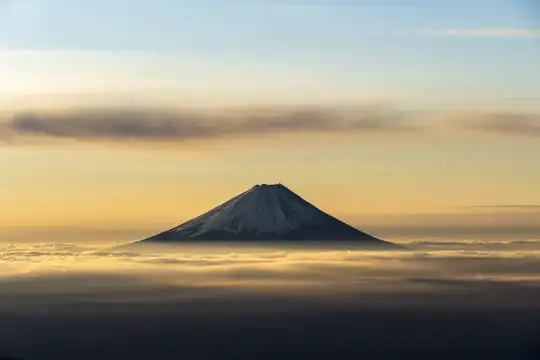
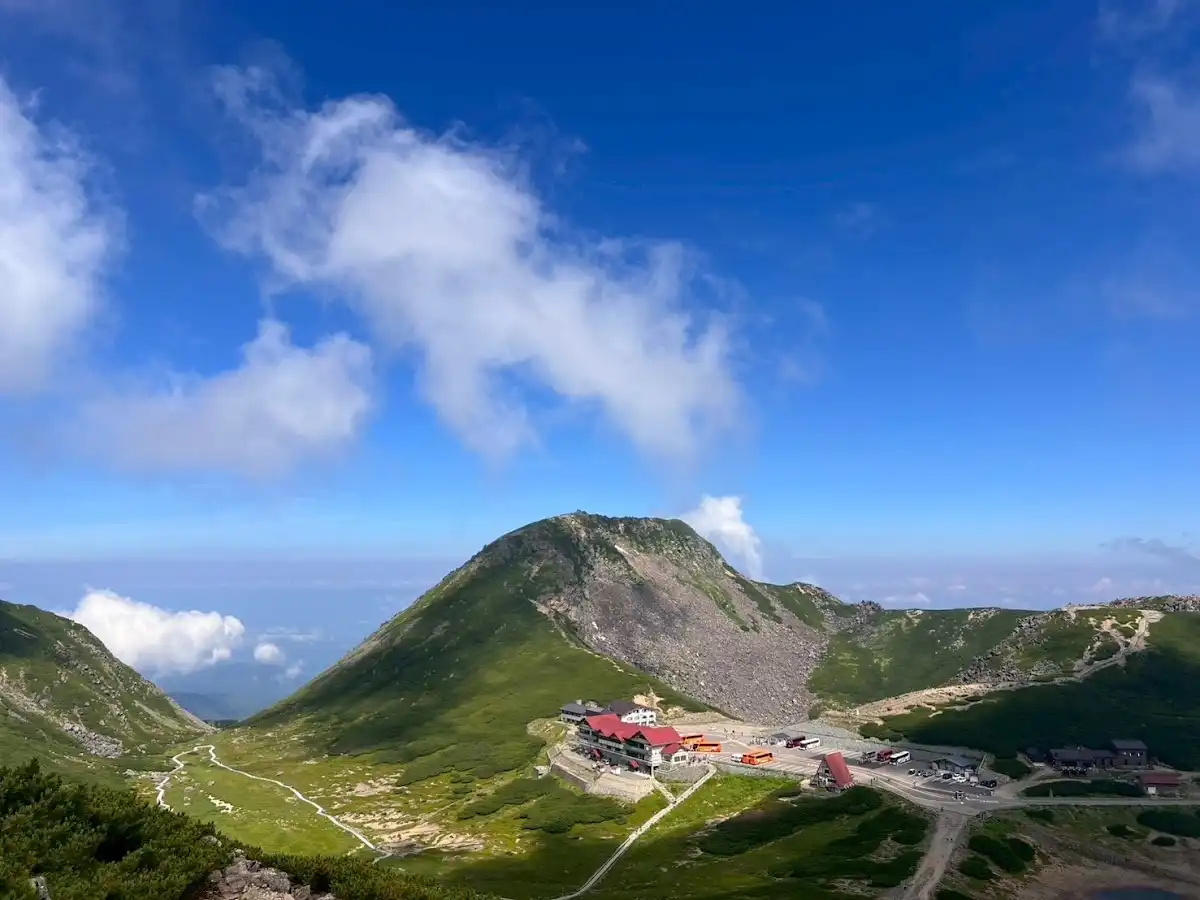
Japan suits hiking because
geography and infrastructure work together. Volcanic ranges run the length of the archipelago, and steep terrain pushes settlements into narrow valleys, which means rail and bus lines usually end near the base of a trail. That lets a traveler start a climb from a city in the morning and sleep in a bed that night, a convenience few mountain countries match. Trails are generally
well marked and maintained, and many carry elevation signs, rest benches and emergency shelters. In the high Alps, a
hut system sells bedding and meals, so you can carry less, though huts need reservations in peak season.
Culture shapes the experience as well. Mountains have long been
sacred ground in Shinto and Buddhist practice, which is why many routes pass shrines, stone markers and temples, …
read more 👉Japan suits hiking because geography and infrastructure work together. Volcanic ranges run the length of the archipelago, and steep terrain pushes settlements into narrow valleys, which means rail and bus lines usually end near the base of a trail. That lets a traveler start a climb from a city in the morning and sleep in a bed that night, a convenience few mountain countries match. Trails are generally well marked and maintained, and many carry elevation signs, rest benches and emergency shelters. In the high Alps, a hut system sells bedding and meals, so you can carry less, though huts need reservations in peak season.
Culture shapes the experience as well. Mountains have long been sacred ground in Shinto and Buddhist practice, which is why many routes pass shrines, stone markers and temples, and why courtesy matters: quiet voices, greeting other hikers with “konnichiwa,” and carrying all trash out because trailside bins are rare. Onsen towns at the bottom of many trails turn recovery into part of the plan.
There are limits to know before choosing Japan. Weather is fast-changing, with typhoons, a rainy season and heavy snow that closes high routes for months. Signs outside major trails are often in Japanese only. Many alpine areas require climbing plans or have strict camping rules, with tents allowed only at designated grounds. Bears live in northern and mountain regions, so bells are standard. Travelers who plan around these constraints find hiking here safe and efficient.
Why These Made the Cut
The list of best hikes in Japan is created based on scenery, challenge, trail quality, landmarks, and overall enjoyment. If you feel a hike is missing in this list, please let us know.






 Best Backpacking
 Hi, I’m Johan (Netherlands 🇳🇱), the creator of TakeYourBackpack. Over the past 3 decades, I’ve backpacked through 90+ countries across six continents, gaining extensive experience with independent travel, long-term trips, and overland routes.