v2.webp)
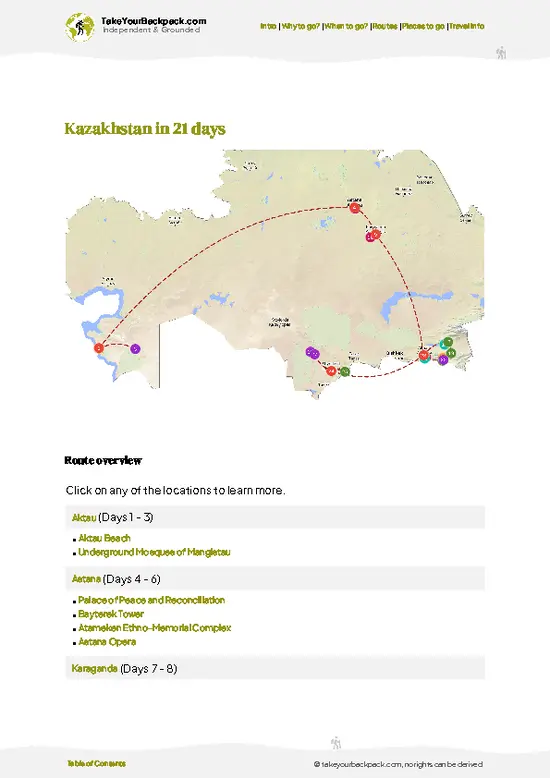
1. Traditional Kazakh Music and Dombra Performances
The heartbeat of Chabana pulses through the dombra—a two-stringed instrument that can sound like a galloping horse or a whispering wind, depending on the hands that play it. You’ll hear virtuosos and village elders alike, fingers flying, coaxing out melodies older than the Silk Road. This isn’t background music; it’s a living, breathing conversation with the past. Stand close, and you’ll feel the vibration in your bones. Miss this, and you’ve missed the soul of the festival.
2. Yurt-Building Demonstrations
Chabana isn’t just about watching; it’s about doing. The yurt-building sessions are a masterclass in nomadic engineering. Watch teams snap together latticed frames, stretch felt, and knot ropes with the confidence of people who’ve done … read more 👉
The heartbeat of Chabana pulses through the dombra—a two-stringed instrument that can sound like a galloping horse or a whispering wind, depending on the hands that play it. You’ll hear virtuosos and village elders alike, fingers flying, coaxing out melodies older than the Silk Road. This isn’t background music; it’s a living, breathing conversation with the past. Stand close, and you’ll feel the vibration in your bones. Miss this, and you’ve missed the soul of the festival.
2. Yurt-Building Demonstrations
Chabana isn’t just about watching; it’s about doing. The yurt-building sessions are a masterclass in nomadic engineering. Watch teams snap together latticed frames, stretch felt, and knot ropes with the confidence of people who’ve done … read more 👉
1. Traditional Kazakh Music and Dombra Performances
The heartbeat of Chabana pulses through the dombra—a two-stringed instrument that can sound like a galloping horse or a whispering wind, depending on the hands that play it. You’ll hear virtuosos and village elders alike, fingers flying, coaxing out melodies older than the Silk Road. This isn’t background music; it’s a living, breathing conversation with the past. Stand close, and you’ll feel the vibration in your bones. Miss this, and you’ve missed the soul of the festival.
2. Yurt-Building Demonstrations
Chabana isn’t just about watching; it’s about doing. The yurt-building sessions are a masterclass in nomadic engineering. Watch teams snap together latticed frames, stretch felt, and knot ropes with the confidence of people who’ve done this for centuries. If you’re lucky, you’ll get pulled in to help—don’t hesitate. The tactile satisfaction of fitting a wooden crown atop a yurt is worth every splinter. Plus, you’ll earn instant respect from the locals, who know that building a home with your hands is the ultimate icebreaker.
3. Steppe Horse Games
Kazakhstan’s steppe isn’t just scenery—it’s an arena. Chabana’s horse games are a kinetic spectacle: riders vaulting, wrestling, and racing at breakneck speed. The most famous event, kokpar, is a wild, muddy tug-of-war on horseback over a goat carcass. It’s raw, unscripted, and utterly gripping. You’ll see teenagers and grizzled veterans alike, all muscle and grit, thundering past in a blur of hooves and dust. Don’t just watch from afar—get close enough to taste the adrenaline, but stay nimble on your feet. The action comes fast.
4. Communal Kazakh Feasts (Dastarkhan)
Forget dainty festival snacks. Chabana’s feasts are sprawling, communal affairs where you’ll find yourself elbow-to-elbow with strangers, sharing platters of beshbarmak (boiled meat and noodles), baursak (fried dough), and endless cups of kumis (fermented mare’s milk). The food is hearty, designed to fuel a day on the steppe, and the hospitality is relentless. Don’t try to keep count of toasts or servings—just lean in and let the generosity sweep you along. This is where friendships are forged and stories traded, often late into the night.
5. Nighttime Storytelling and Epic Poetry (Aitys)
When the sun drops and the fires crackle, the festival shifts gears. Gather around for aitys—improvised poetic duels where wordsmiths trade verses, jokes, and barbs in a battle of wits. The crowd is part of the show, egging on the performers and erupting in laughter or applause. Even if you don’t speak Kazakh, the rhythm and energy are contagious. This is oral tradition at its most electric—no script, no safety net, just pure, unfiltered creativity. If you want to understand the Kazakh spirit, stay up for this.
The heartbeat of Chabana pulses through the dombra—a two-stringed instrument that can sound like a galloping horse or a whispering wind, depending on the hands that play it. You’ll hear virtuosos and village elders alike, fingers flying, coaxing out melodies older than the Silk Road. This isn’t background music; it’s a living, breathing conversation with the past. Stand close, and you’ll feel the vibration in your bones. Miss this, and you’ve missed the soul of the festival.
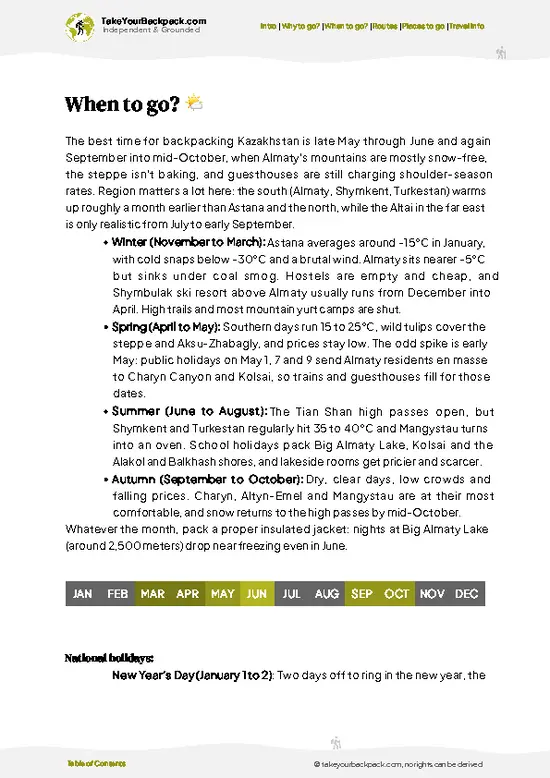
2. Yurt-Building Demonstrations
Chabana isn’t just about watching; it’s about doing. The yurt-building sessions are a masterclass in nomadic engineering. Watch teams snap together latticed frames, stretch felt, and knot ropes with the confidence of people who’ve done this for centuries. If you’re lucky, you’ll get pulled in to help—don’t hesitate. The tactile satisfaction of fitting a wooden crown atop a yurt is worth every splinter. Plus, you’ll earn instant respect from the locals, who know that building a home with your hands is the ultimate icebreaker.
3. Steppe Horse Games
Kazakhstan’s steppe isn’t just scenery—it’s an arena. Chabana’s horse games are a kinetic spectacle: riders vaulting, wrestling, and racing at breakneck speed. The most famous event, kokpar, is a wild, muddy tug-of-war on horseback over a goat carcass. It’s raw, unscripted, and utterly gripping. You’ll see teenagers and grizzled veterans alike, all muscle and grit, thundering past in a blur of hooves and dust. Don’t just watch from afar—get close enough to taste the adrenaline, but stay nimble on your feet. The action comes fast.
4. Communal Kazakh Feasts (Dastarkhan)
Forget dainty festival snacks. Chabana’s feasts are sprawling, communal affairs where you’ll find yourself elbow-to-elbow with strangers, sharing platters of beshbarmak (boiled meat and noodles), baursak (fried dough), and endless cups of kumis (fermented mare’s milk). The food is hearty, designed to fuel a day on the steppe, and the hospitality is relentless. Don’t try to keep count of toasts or servings—just lean in and let the generosity sweep you along. This is where friendships are forged and stories traded, often late into the night.
5. Nighttime Storytelling and Epic Poetry (Aitys)
When the sun drops and the fires crackle, the festival shifts gears. Gather around for aitys—improvised poetic duels where wordsmiths trade verses, jokes, and barbs in a battle of wits. The crowd is part of the show, egging on the performers and erupting in laughter or applause. Even if you don’t speak Kazakh, the rhythm and energy are contagious. This is oral tradition at its most electric—no script, no safety net, just pure, unfiltered creativity. If you want to understand the Kazakh spirit, stay up for this.
Spotted a mistake or missing something? Contact us.
 Best Backpacking
.jpg) Hi, I’m Johan (Netherlands 🇳🇱), the creator of TakeYourBackpack. Over the past 3 decades, I’ve backpacked through 90+ countries across six continents, gaining extensive experience with independent travel, long-term trips, and overland routes.
Hi, I’m Johan (Netherlands 🇳🇱), the creator of TakeYourBackpack. Over the past 3 decades, I’ve backpacked through 90+ countries across six continents, gaining extensive experience with independent travel, long-term trips, and overland routes.