v2.webp)
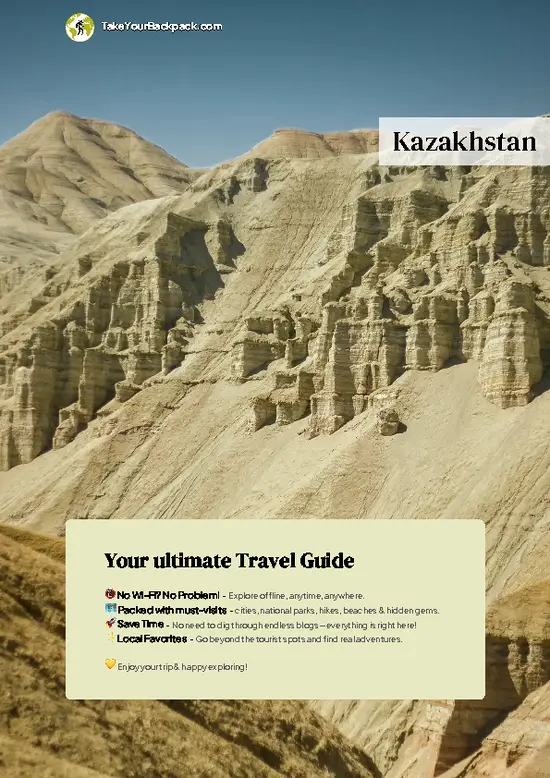
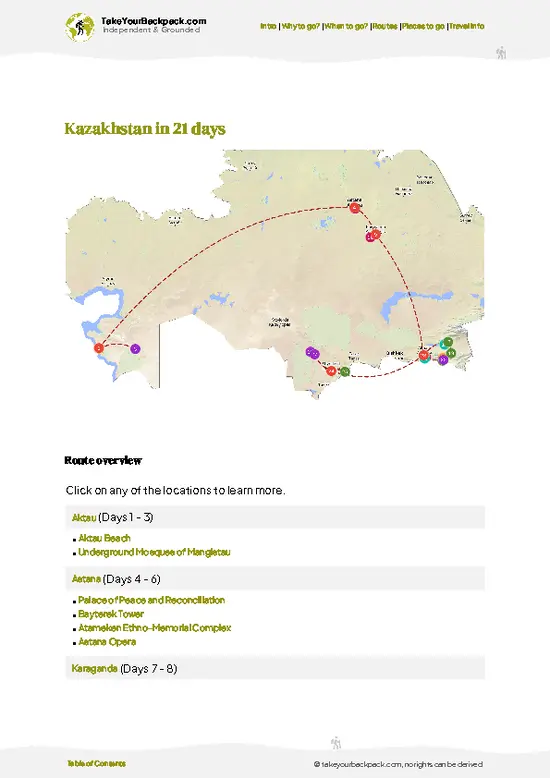
Main Prison Building
Forget the Instagram filters—this is the real deal. The KarLag’s main building isn’t a sanitized monument; it’s the original administrative heart of one of Stalin’s largest labor camps. The corridors are cold, the walls thick with history, and the sense of dread is palpable. You’re not just looking at artifacts—you’re standing where prisoners once waited for their fate.
Solitary Confinement Cells
These aren’t movie props. The cells are claustrophobic, stripped bare, and brutally honest about the psychological warfare waged here. Step inside and you’ll feel the weight of isolation. It’s not comfortable, but it’s unforgettable in the way only raw truth can be.
Personal Testimonies and Artifacts
This isn’t a dry list of names. The museum curates letters, handmade crafts, and … read more 👉
Forget the Instagram filters—this is the real deal. The KarLag’s main building isn’t a sanitized monument; it’s the original administrative heart of one of Stalin’s largest labor camps. The corridors are cold, the walls thick with history, and the sense of dread is palpable. You’re not just looking at artifacts—you’re standing where prisoners once waited for their fate.
Solitary Confinement Cells
These aren’t movie props. The cells are claustrophobic, stripped bare, and brutally honest about the psychological warfare waged here. Step inside and you’ll feel the weight of isolation. It’s not comfortable, but it’s unforgettable in the way only raw truth can be.
Personal Testimonies and Artifacts
This isn’t a dry list of names. The museum curates letters, handmade crafts, and … read more 👉
Main Prison Building
Forget the Instagram filters—this is the real deal. The KarLag’s main building isn’t a sanitized monument; it’s the original administrative heart of one of Stalin’s largest labor camps. The corridors are cold, the walls thick with history, and the sense of dread is palpable. You’re not just looking at artifacts—you’re standing where prisoners once waited for their fate.
Solitary Confinement Cells
These aren’t movie props. The cells are claustrophobic, stripped bare, and brutally honest about the psychological warfare waged here. Step inside and you’ll feel the weight of isolation. It’s not comfortable, but it’s unforgettable in the way only raw truth can be.
Personal Testimonies and Artifacts
This isn’t a dry list of names. The museum curates letters, handmade crafts, and smuggled notes from real prisoners. You’ll see the faces behind the statistics—teachers, poets, farmers—each with a story that punches through the numbers and hits you in the gut.
Reconstructed Barracks and Workspaces
The museum doesn’t just tell you about forced labor; it shows you. The reconstructed barracks and workshops are rough, utilitarian, and chillingly accurate. You’ll see the tools, the bunks, the uniforms—no romanticism, just the daily grind of survival.
Memorial to the Victims
This is where the noise drops away. The memorial is stark, honest, and unembellished. It’s a place to sit with the reality of what happened here, far from the curated narratives of social media. The silence is the point.
Forget the Instagram filters—this is the real deal. The KarLag’s main building isn’t a sanitized monument; it’s the original administrative heart of one of Stalin’s largest labor camps. The corridors are cold, the walls thick with history, and the sense of dread is palpable. You’re not just looking at artifacts—you’re standing where prisoners once waited for their fate.
Solitary Confinement Cells
These aren’t movie props. The cells are claustrophobic, stripped bare, and brutally honest about the psychological warfare waged here. Step inside and you’ll feel the weight of isolation. It’s not comfortable, but it’s unforgettable in the way only raw truth can be.
Personal Testimonies and Artifacts
This isn’t a dry list of names. The museum curates letters, handmade crafts, and smuggled notes from real prisoners. You’ll see the faces behind the statistics—teachers, poets, farmers—each with a story that punches through the numbers and hits you in the gut.
Reconstructed Barracks and Workspaces
The museum doesn’t just tell you about forced labor; it shows you. The reconstructed barracks and workshops are rough, utilitarian, and chillingly accurate. You’ll see the tools, the bunks, the uniforms—no romanticism, just the daily grind of survival.
Memorial to the Victims
This is where the noise drops away. The memorial is stark, honest, and unembellished. It’s a place to sit with the reality of what happened here, far from the curated narratives of social media. The silence is the point.
Spotted a mistake or missing something? Contact us.

 Best Backpacking
.jpg) Hi, I’m Johan (Netherlands 🇳🇱), the creator of TakeYourBackpack. Over the past 3 decades, I’ve backpacked through 90+ countries across six continents, gaining extensive experience with independent travel, long-term trips, and overland routes.
Hi, I’m Johan (Netherlands 🇳🇱), the creator of TakeYourBackpack. Over the past 3 decades, I’ve backpacked through 90+ countries across six continents, gaining extensive experience with independent travel, long-term trips, and overland routes.