×

Kazakhstan🇰🇿 | attractionsMuseum of Folk Musical Instrumentswooden pavilion, traditional instruments, sound demonstrations | things to do and best time to go

Explore First President’s Park Monument ComplexExplore Arbat Pedestrian Street & Green Bazaar Area

Backpacking in Museum of Folk Musical Instruments
👀 For curious travelersattraction ranked #14
By Johan Kruseman 🇳🇱 | Updated May 13, 2026

A hammered dulcimer’s metallic twang ricochets off carved wooden beams, and for a second, you forget the city outside. Your fingers hover over a dombra, the wood polished by a thousand curious hands. The Museum of Folk Musical Instruments sits in Almaty’s Panfilov Park, right in the city’s leafy heart. Here’s the truth: you won’t find blockbuster crowds or Instagram mobs—just a handful of locals, schoolkids, and the odd music nerd. It’s cheap, easy to reach, and delivers a hit of Kazakh soul you won’t get from the city’s glossier attractions. Skip the hype. This is the real cultural adrenaline shot.

Discover everything you want to know in the 📖 Kazakhstan Travel Guide.
Loading the map 🌍
CLICK TO FILTER
cities
towns
villages
landmarks
national parks
hikes
beaches
attractions
festivals
regions
SHOW COUNTRY’S BESTSHOW ALL

✨ Why go?
Ranked #14 attraction in Kazakhstan
What makes this attraction worth visiting

Backpackers often breeze past Kazakhstan’s flashy urban scenes, but the Museum of Folk Musical Instruments demands a stop—and here’s why. This isn’t your typical tourist pitstop plastered with glossy signs and selfie ops. It’s a deep dive into the heart of Kazakh culture, showcasing instruments that have shaped nomadic life for centuries. The museum’s historical depth is a rare find, offering a tactile connection to traditions that survived Soviet erasure and globalization’s noise. Yes, it’s modest and can get crowded during peak hours, but the effort-to-reward ratio is off the charts: you walk away with a fresh perspective on how music is woven into identity here. For anyone threading through Central Asia, it’s a major milestone—a cultural checkpoint that turns a country route into a story worth telling.
Want to include Museum of Folk Musical Instruments in your Kazakhstan route?
Create a personalized Kazakhstan itinerary that includes Museum of Folk Musical Instruments and the places that fit your trip — based on your travel style, budget, and available time. Get your route in seconds.

Generate my trip

💡 HighlightsMust-see experiences and standout moments

The Dombra Hall
Forget the souvenir-shop knockoffs. Here, you’ll see dombras—Kazakhstan’s iconic two-stringed lutes—ranging from battered nomad tools to gold-inlaid masterpieces. Some are centuries old, with scars and repairs that tell stories you won’t find on a museum placard. If you’re lucky, you’ll catch a live demo. The sound is raw, twangy, and nothing like the sanitized versions piped into tourist restaurants.


The Jaw Harp Collection
This isn’t just a wall of odd metal bits. The jaw harp, or “komuz,” is a pocket-sized instrument with a cult following among Central Asian musicians. The museum’s collection is wild—some are made from bone, others from twisted iron, and a few look like they were forged in a blacksmith’s fever dream. The staff sometimes let you try one. It’s harder than it … read more 👉
The Dombra Hall
Forget the souvenir-shop knockoffs. Here, you’ll see dombras—Kazakhstan’s iconic two-stringed lutes—ranging from battered nomad tools to gold-inlaid masterpieces. Some are centuries old, with scars and repairs that tell stories you won’t find on a museum placard. If you’re lucky, you’ll catch a live demo. The sound is raw, twangy, and nothing like the sanitized versions piped into tourist restaurants.


The Jaw Harp Collection
This isn’t just a wall of odd metal bits. The jaw harp, or “komuz,” is a pocket-sized instrument with a cult following among Central Asian musicians. The museum’s collection is wild—some are made from bone, others from twisted iron, and a few look like they were forged in a blacksmith’s fever dream. The staff sometimes let you try one. It’s harder than it looks, and the vibrations will rattle your teeth.


Interactive Sound Room
Most museums make you look, not touch. Here, you can actually play replicas of traditional instruments. No one’s going to shush you for making noise. It’s a rare chance to fumble your way through a kobyz or shankobyz and realize just how much skill it takes to coax music from these things.


Nomad-Era Instruments
The museum doesn’t just show off pretty antiques. You’ll see instruments built for survival—portable, tough, and designed to be played around a fire under the stars. Some are made from animal hide, horsehair, or even camel bone. These aren’t relics; they’re proof that music was as essential as food on the steppe.


Live Performances
Skip the Instagram-perfect photo ops. The real magic happens when local musicians drop in for impromptu performances. No stage, no pretense—just virtuosos showing off centuries-old techniques. It’s intimate, unpredictable, and a reminder that folk music here is a living, breathing force, not a museum fossil.
Spotted a mistake or missing something? Contact us.

Things to do near Museum of Folk Musical Instruments

Ratings based on Tripadvisor reviews. When you book through this link, you support our work at no extra cost to you.

🌤️ When to go?Weather, crowds, and seasonal trade-offs


  • Weather: The best weather hits between May and September when temperatures hover from 15°C to 25°C (59°F to 77°F). Winters are brutal, often dropping below -10°C (14°F), making the museum less appealing and harder to reach.

  • Temperature: Spring and early fall offer mild days perfect for wandering without sweating or freezing. July and August can spike to 30°C (86°F), which might sap your energy if you’re trekking around all day.

  • Daylight Hours: Long summer days stretch daylight up to 16 hours in June, giving you plenty of time to explore both the museum and the surrounding city without rushing.

  • Crowds: Expect a modest crowd during summer tourist season, especially July and August. It’s not overwhelming but plan for some local school groups and occasional tour buses.

  • Seasonal Activities:
read more 👉

  • Weather: The best weather hits between May and September when temperatures hover from 15°C to 25°C (59°F to 77°F). Winters are brutal, often dropping below -10°C (14°F), making the museum less appealing and harder to reach.

  • Temperature: Spring and early fall offer mild days perfect for wandering without sweating or freezing. July and August can spike to 30°C (86°F), which might sap your energy if you’re trekking around all day.

  • Daylight Hours: Long summer days stretch daylight up to 16 hours in June, giving you plenty of time to explore both the museum and the surrounding city without rushing.

  • Crowds: Expect a modest crowd during summer tourist season, especially July and August. It’s not overwhelming but plan for some local school groups and occasional tour buses.

  • Seasonal Activities: Summer months bring cultural festivals nearby, adding a lively backdrop to your visit. Winter months are quiet, offering a more introspective experience but fewer events.

  • Price Fluctuations: Entry fees stay stable year-round, but accommodation and transport costs spike in summer. Booking ahead in May or September can save you a decent chunk of cash.


Pro-tip: Aim for late spring or early fall to dodge the heat, crowds, and inflated prices while catching the museum in its most accessible and atmospheric form.


source: climatestotravel.comJANJanuary: below average for travelingFEBFebruary: below average for travelingMARMarch: fair for travelingAPRApril: good for travelingMAYMay: excellent for travelingJUNJune: excellent for travelingJULJuly: highly recommended for travelingAUGAugust: highly recommended for travelingSEPSeptember: excellent for travelingOCTOctober: good for travelingNOVNovember: fair for travelingDECDecember: below average for traveling
when-to-go

✈️ The backpacker research shortcutKazakhstan Travel Guide

An offline-friendly backpacking guide with optimized travel routes, ranked highlights, transport advice, and the best areas to stay.
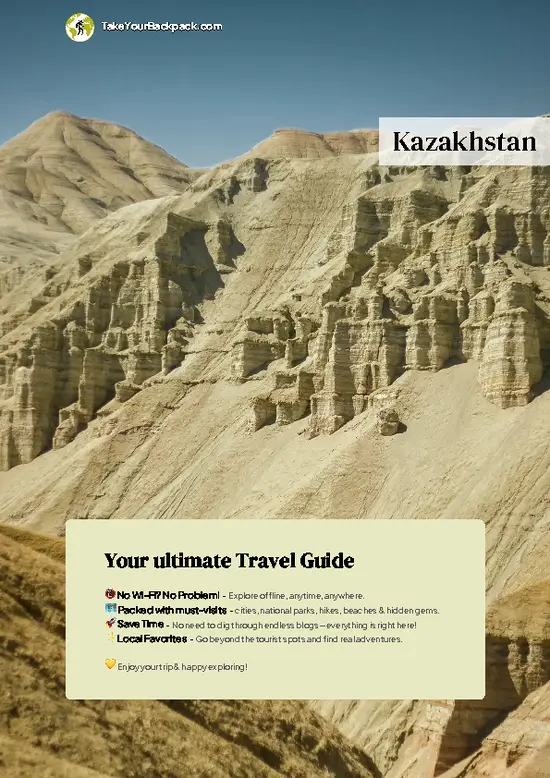
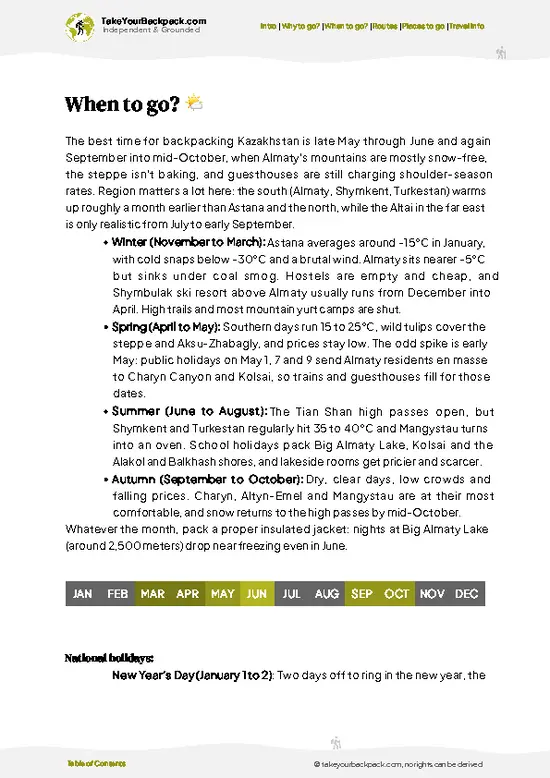
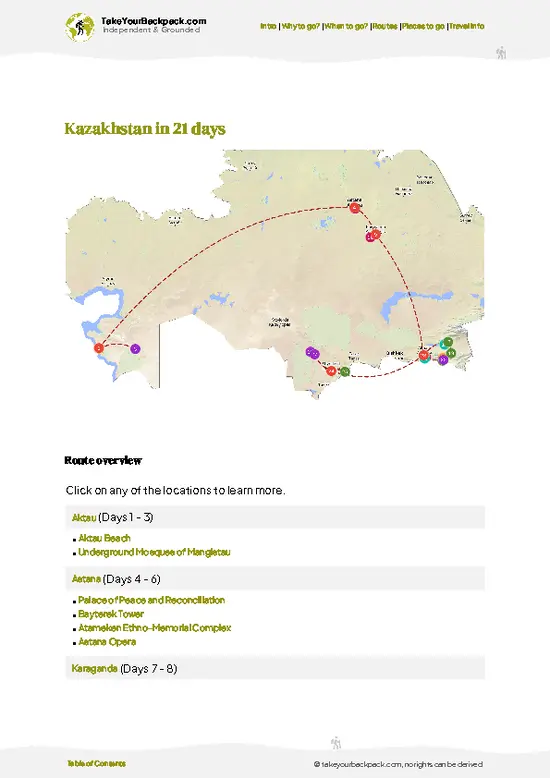
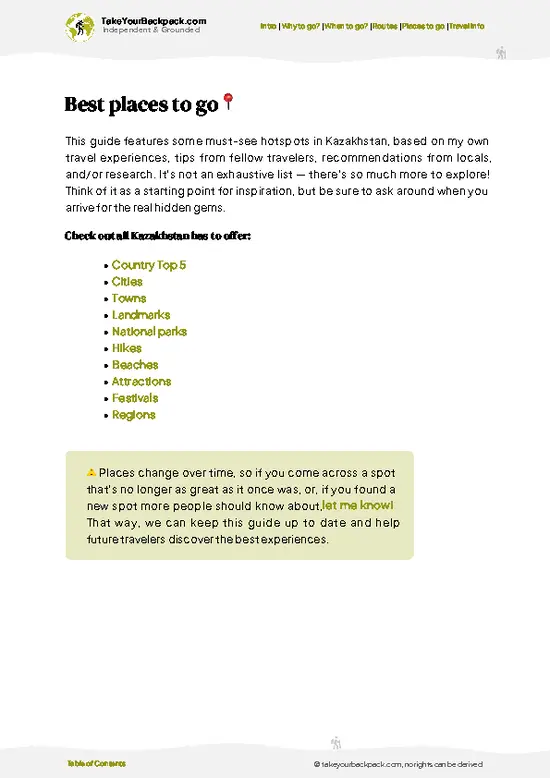
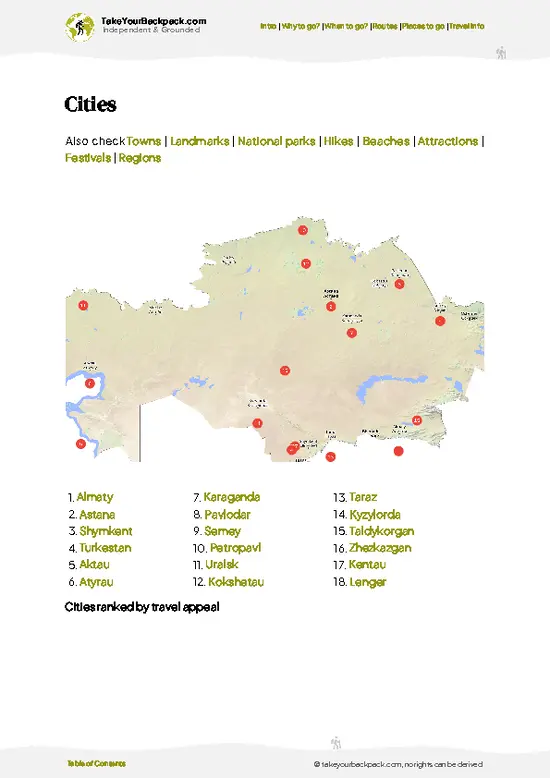
example page 0 from our offline Travel Guide for Kazakhstan
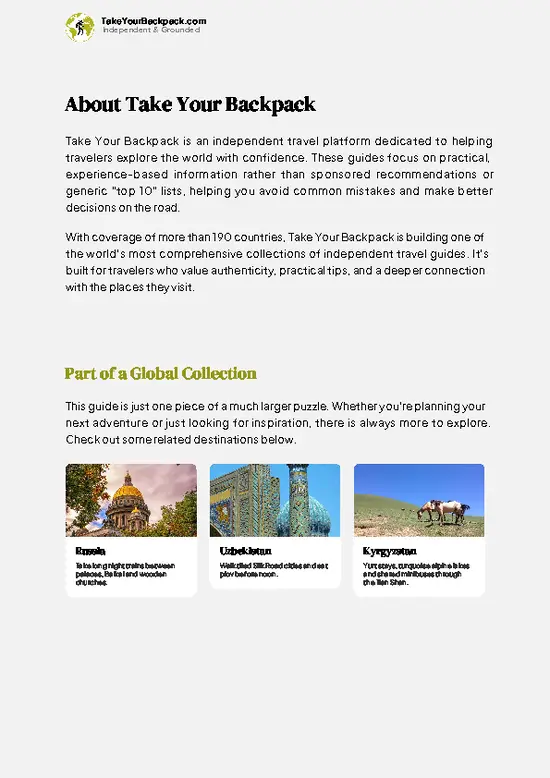
example page 1 from our offline Travel Guide for Kazakhstan
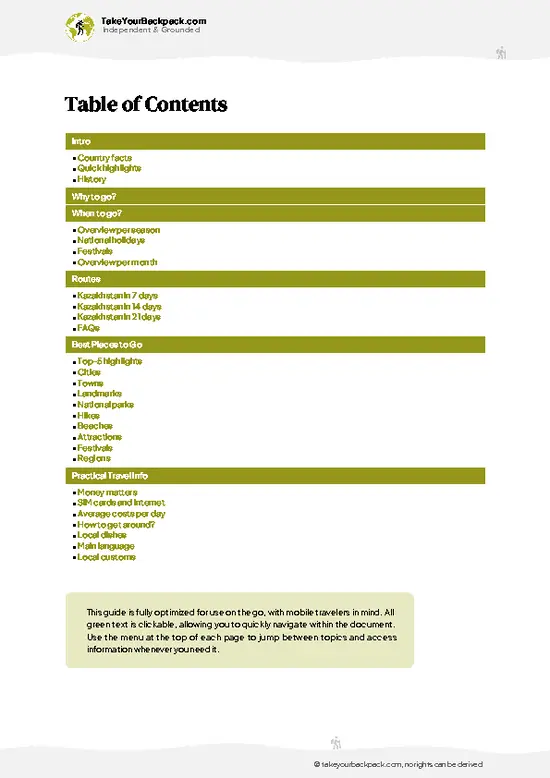
example page 2 from our offline Travel Guide for Kazakhstan
example page 3 from our offline Travel Guide for Kazakhstan
example page 4 from our offline Travel Guide for Kazakhstan
example page 5 from our offline Travel Guide for Kazakhstan
example page 6 from our offline Travel Guide for Kazakhstan
example page 7 from our offline Travel Guide for Kazakhstan
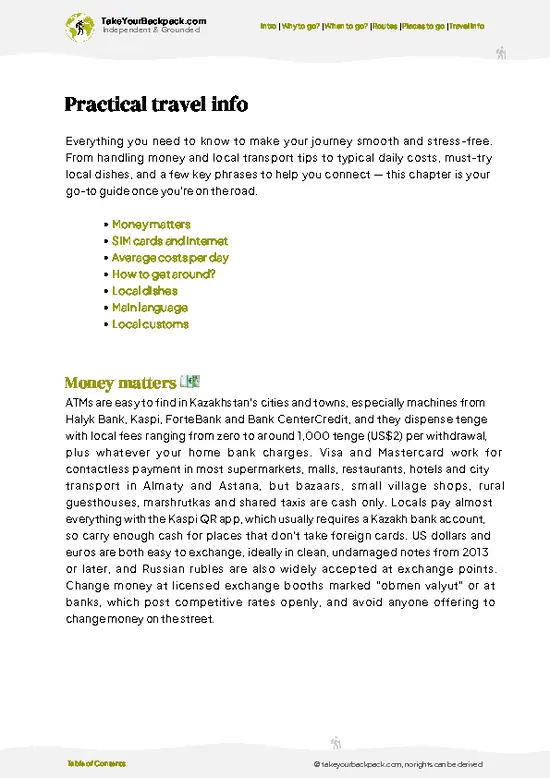
The digital guide (445 pages) contains:
118 highlights, ranked by travel appeal
Optimized 7, 14 & 21-day travel routes
Cities, national parks, landmarks, beaches
How to get around
Offline-friendly for travel without Wi-Fi
👉 Click to see all 30+ guide features

📅 Plan smarter in minutes, not weeks
Month by month travel advice
Festivals & national holidays
Budget expectations

🗺️ Go to the right places, skip the overrated ones
Honest pros & cons of destinations
Top hikes, parks & viewpoints
Lesser-known places most travelers miss
Clear “worth it vs skip it” guidance

🛏️ Travel smoothly without rookie mistakes
Best areas to stay
Transport systems explained simply
Common scams & safety advice
SIM cards, money & practical tips

🌍 Understand the country, not just visit it
Culture & traditions
52 Essential phrases & customs
Festivals worth planning around
Traveler-friendly historical context
Insights that make places more meaningful

📱 Built for real travel conditions
Fully downloadable PDF
Works completely offline
Optimized for phone use
Useful in remote areas & buses
Everything in one place
Save weeks of stressful planning
Get instant access to your full guide. 30‑day money-back guarantee.


By proceeding you agree to our terms.
Sent to your inbox immediately after payment • 100% Secure Checkout
Best Backpacking Travel Advisor 2025 tourism awardBest Backpacking
Travel Advisor
2025
What others say about Take Your Backpack Guides:
⭐⭐⭐⭐⭐
Fantastic, amazing amount of information!
⭐⭐⭐⭐⭐
My goodness this is amazing, it's what I've been looking for hats off too you!
⭐⭐⭐⭐⭐
I think this is absolutely BRILLIANT
⭐⭐⭐⭐
Very complete and informative. It's still missing places, but I gotta to commend you
⭐⭐⭐⭐⭐
This is truly amazing, thank you, can't wait to explore it with my kids!
⭐⭐⭐⭐⭐
Awesome resource, thank you!
⭐⭐⭐⭐⭐
This is amazing! Can't wait to explore the ones I haven't seen
⭐⭐⭐⭐
I love this! Well done, great idea.
⭐⭐⭐⭐⭐
Thanks for taking the time to make this gem!
⭐⭐⭐⭐⭐
This might be the best website I've ever seen.
⭐⭐⭐⭐⭐
Congratulations, and thank you so much for your work; it's incredibly valuable.
⭐⭐⭐⭐
In all seriousness I think you did a great job pointing out the important spots
⭐⭐⭐⭐⭐
10/10 very good
⭐⭐⭐⭐⭐
As someone who's only just starting to visit regularly this is awesome, thank you.
⭐⭐⭐⭐
Thank you very much! I'm going to visit my dad, it's going to be very useful!
⭐⭐⭐⭐⭐
This is really cool! We'll be travelling for the first time and this definitely come in handy.
⭐⭐⭐⭐⭐
You are now our minister of culture, congratulations 👨‍💼
⭐⭐⭐⭐⭐
Just wanted to tell you that this is a pearl! Going to follow your recommendations.
⭐⭐⭐⭐⭐
This is so cool. I'll definitely be using the resource for my travels soon.
⭐⭐⭐⭐⭐
This is very impressive! Good work.
⭐⭐⭐⭐⭐
This is an amazing and informative site. Very well done!

🛏️ Where to stay?Choosing the right base

The Museum of Folk Musical Instruments sits in Almaty’s heart, so your best bet is to camp out in the city center. This area isn’t just about proximity; it’s where the backpacker pulse beats strongest. You’ll find a mix of budget guesthouses and hostels packed with solo travelers and small groups, which means instant social vibes without the touristy gloss. Safety here is solid—Almaty’s city center is well-patrolled and lively well into the evening, so you won’t be pacing the streets nervously after dark.

Skip the flashy hotel zones; they’re expensive and isolate you from the real scene. Instead, … read more 👉
The Museum of Folk Musical Instruments sits in Almaty’s heart, so your best bet is to camp out in the city center. This area isn’t just about proximity; it’s where the backpacker pulse beats strongest. You’ll find a mix of budget guesthouses and hostels packed with solo travelers and small groups, which means instant social vibes without the touristy gloss. Safety here is solid—Almaty’s city center is well-patrolled and lively well into the evening, so you won’t be pacing the streets nervously after dark.

Skip the flashy hotel zones; they’re expensive and isolate you from the real scene. Instead, aim for neighborhoods around Panfilov Park or near Zhibek Zholy Street. These spots offer easy access to the museum, plus a cluster of cafes, street food stalls, and bars where locals and travelers mingle. It’s the kind of place where you can swap stories over a cheap beer or discover a hidden jam session—exactly the authentic experience the museum’s spirit deserves.

👛 Costs (as of 29 November 2024)Money, prices, and spending tips

As of the most recent estimates, the general admission ticket to the Museum of Folk Musical Instruments in Almaty, Kazakhstan, is priced at 350 Tenge (approximately €7). Concessions for children, students, and seniors are available at 150 Tenge (approximately €3). Group tickets for up to 25 people are offered at 650 Tenge (approximately €13). Guided tours are available for an additional 600 Tenge (approximately €12), and photography is permitted for a fee of 500 Tenge (approximately €10) per camera. The museum operates from Tuesday to Sunday, 10:00 AM to 7:00 PM, and is closed on Mondays.
⚠️ Prices can change and everyone travels differently, so take this as a rough guide. Hope it helps you plan your adventure!

Other Kazakhstani attractions near Museum of Folk Musical Instruments

Explore more nearby:


💡 Not sure where to go next?
Create a personalized itinerary for Kazakhstan including Museum of Folk Musical Instruments and the places that fit your trip.

Generate my itinerary

👉 Discover all attractions

Or checkout all Kazakhstan has to offer (think cities, towns, villages, national parks, hikes, beaches, festivals)
Country photo of Kazakhstan

We 💚 feedbackWhat to keep in mind

The Museum of Folk Musical Instruments isn’t a flashy tourist magnet, so expect a quiet, almost reverent vibe. The real magic? Hearing the stories behind each instrument—Kazakhstan’s soul laid bare in wood and strings. It’s not about crowds or glitz; it’s about connecting to a culture that sings through time.

✍️ Help improve this page!
The information on this page is based on in-depth research, insights shared by experienced travelers, and feedback from the local travel community in Kazakhstan. While every effort is made to keep the information accurate and current, conditions can change — so if you spot anything incorrect or outdated, please get in touch.


🙋‍♂️ Give feedback

👋 Meet the founderWho’s Behind Take Your Backpack?

Johan, backpacker and founder of TakeYourBackpackHi, I’m Johan (Netherlands 🇳🇱), the creator of TakeYourBackpack. Over the past decade, I’ve backpacked through 80+ countries across six continents, gaining extensive experience with independent travel, long-term trips, and overland routes.

This site is built on a combination of firsthand travel experience and carefully curated insights from other backpackers. Many guides are based on places I’ve personally visited, while others bring together tips, observations, and practical advice shared by trusted travelers I’ve met along the way.

The goal is to provide realistic, experience-driven guidance — not generic itineraries — so you can explore destinations with better context, clearer expectations, and more confidence.

Get full Kazakhstan guide •
Instant download • 118 highlights • Full Offline guide