v2.webp)
1. The Open-Air Stage Energy
You haven’t really felt the pulse of Kazakhstan’s youth culture until you’re shoulder-to-shoulder in the open air, the steppe wind tangling your hair, as local and regional rock bands tear through their sets. This isn’t a polished, stadium-style spectacle. It’s raw, kinetic, and gloriously loud. The crowd is a living organism—moshing, dancing, singing in Russian, Kazakh, sometimes English, sometimes just pure noise. The sound system is powerful enough to rattle your ribcage, but the real magic is in the way the music bounces off the endless sky. If you’re used to festivals where the crowd is glued to their phones, brace yourself: here, people are present, alive, and in it for the music, not the Instagram post.
2. The DIY Festival Spirit
Forget slick corporate … read more 👉
You haven’t really felt the pulse of Kazakhstan’s youth culture until you’re shoulder-to-shoulder in the open air, the steppe wind tangling your hair, as local and regional rock bands tear through their sets. This isn’t a polished, stadium-style spectacle. It’s raw, kinetic, and gloriously loud. The crowd is a living organism—moshing, dancing, singing in Russian, Kazakh, sometimes English, sometimes just pure noise. The sound system is powerful enough to rattle your ribcage, but the real magic is in the way the music bounces off the endless sky. If you’re used to festivals where the crowd is glued to their phones, brace yourself: here, people are present, alive, and in it for the music, not the Instagram post.
2. The DIY Festival Spirit
Forget slick corporate … read more 👉
1. The Open-Air Stage Energy
You haven’t really felt the pulse of Kazakhstan’s youth culture until you’re shoulder-to-shoulder in the open air, the steppe wind tangling your hair, as local and regional rock bands tear through their sets. This isn’t a polished, stadium-style spectacle. It’s raw, kinetic, and gloriously loud. The crowd is a living organism—moshing, dancing, singing in Russian, Kazakh, sometimes English, sometimes just pure noise. The sound system is powerful enough to rattle your ribcage, but the real magic is in the way the music bounces off the endless sky. If you’re used to festivals where the crowd is glued to their phones, brace yourself: here, people are present, alive, and in it for the music, not the Instagram post.
2. The DIY Festival Spirit
Forget slick corporate branding or overpriced food trucks. Chuy Rock Fest is built on a foundation of grassroots grit. Local volunteers run the show, from the makeshift ticket booths to the hand-painted signs. You’ll spot musicians tuning their own gear, friends hauling amps, and festival-goers pitching in to keep the grounds clean. This isn’t just a concert—it’s a community project, and you’re part of it the moment you step through the gates. The result? A festival that feels personal, unpredictable, and refreshingly uncommercial. You’ll leave with stories, not just selfies.
3. The Kazakh Campfire Culture
When the main stage goes quiet, the real festival begins. Small circles form around campfires, guitars come out, and the music shifts from amplified chaos to acoustic intimacy. Here’s where you’ll hear old Soviet rock ballads, Kazakh folk songs, and improvised jams that blur the line between performer and audience. Someone will hand you tea brewed over the fire, or maybe a chunk of homemade kurt (fermented cheese). This is where language barriers dissolve and the festival’s soul comes out—messy, generous, and utterly authentic. If you want to understand why people travel for hours across the steppe to be here, this is it.
4. The Wild Steppe Setting
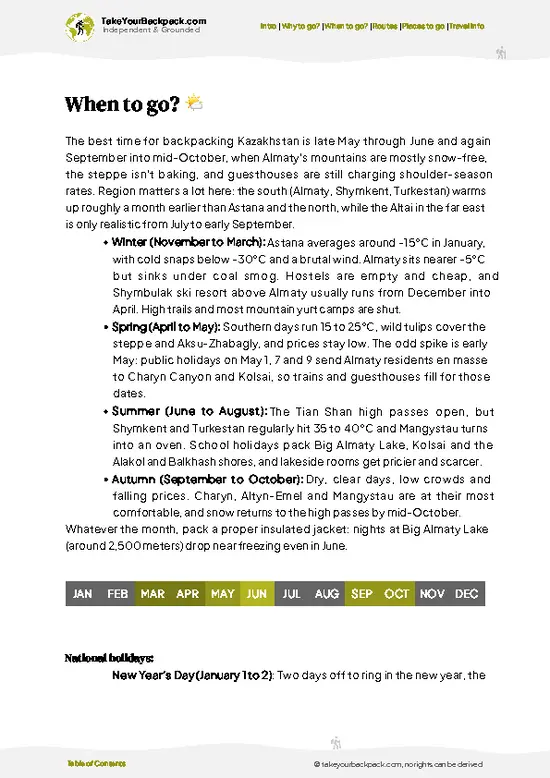
Most music festivals are boxed in by city limits or fenced-off fields. Not here. Chuy Rock Fest sprawls across the open grasslands near the Chuy River, with the Tian Shan mountains looming on the horizon. The landscape is a character in its own right—wide, wild, and impossible to ignore. You’ll wake up to sunrise over the steppe, fall asleep to the sound of distant drums, and realize that the setting isn’t just a backdrop; it’s half the experience. Bring a tent, sturdy boots, and a sense of adventure. The terrain can be rough, but the payoff is total immersion in a place that feels untamed and limitless.
You haven’t really felt the pulse of Kazakhstan’s youth culture until you’re shoulder-to-shoulder in the open air, the steppe wind tangling your hair, as local and regional rock bands tear through their sets. This isn’t a polished, stadium-style spectacle. It’s raw, kinetic, and gloriously loud. The crowd is a living organism—moshing, dancing, singing in Russian, Kazakh, sometimes English, sometimes just pure noise. The sound system is powerful enough to rattle your ribcage, but the real magic is in the way the music bounces off the endless sky. If you’re used to festivals where the crowd is glued to their phones, brace yourself: here, people are present, alive, and in it for the music, not the Instagram post.
2. The DIY Festival Spirit
Forget slick corporate branding or overpriced food trucks. Chuy Rock Fest is built on a foundation of grassroots grit. Local volunteers run the show, from the makeshift ticket booths to the hand-painted signs. You’ll spot musicians tuning their own gear, friends hauling amps, and festival-goers pitching in to keep the grounds clean. This isn’t just a concert—it’s a community project, and you’re part of it the moment you step through the gates. The result? A festival that feels personal, unpredictable, and refreshingly uncommercial. You’ll leave with stories, not just selfies.
3. The Kazakh Campfire Culture
When the main stage goes quiet, the real festival begins. Small circles form around campfires, guitars come out, and the music shifts from amplified chaos to acoustic intimacy. Here’s where you’ll hear old Soviet rock ballads, Kazakh folk songs, and improvised jams that blur the line between performer and audience. Someone will hand you tea brewed over the fire, or maybe a chunk of homemade kurt (fermented cheese). This is where language barriers dissolve and the festival’s soul comes out—messy, generous, and utterly authentic. If you want to understand why people travel for hours across the steppe to be here, this is it.
4. The Wild Steppe Setting
Most music festivals are boxed in by city limits or fenced-off fields. Not here. Chuy Rock Fest sprawls across the open grasslands near the Chuy River, with the Tian Shan mountains looming on the horizon. The landscape is a character in its own right—wide, wild, and impossible to ignore. You’ll wake up to sunrise over the steppe, fall asleep to the sound of distant drums, and realize that the setting isn’t just a backdrop; it’s half the experience. Bring a tent, sturdy boots, and a sense of adventure. The terrain can be rough, but the payoff is total immersion in a place that feels untamed and limitless.
Spotted a mistake or missing something? Contact us.

Private Full Day Almaty City Tour

Discovering 6 Stunning Sights on Private Tour of Charyn Canyon

1 Day Group Tour to Charyn Canyon, Kolsay Lake and Kaindy Lake

1 Day Private Tour to Charyn Canyon, Kolsay and Kaiyndy

Almaty Jeep Private Full-Day Tour: Kolsay, Kaindy & Charyn Canyon

Almaty city tour. Shymbulak, Koktobe, Green market, Park 28 Panfilov's guardsmen

Charyn Canyon - Private Day Tour

One day Private Tour to Charyn Canyon, Kaindy and Kolsay Lakes

Alpine Climbing around Almaty Multi Day Tour

 Best Backpacking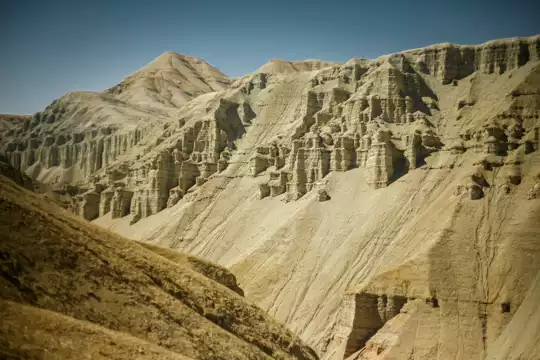
.jpg) Hi, I’m Johan (Netherlands 🇳🇱), the creator of TakeYourBackpack. Over the past 3 decades, I’ve backpacked through 90+ countries across six continents, gaining extensive experience with independent travel, long-term trips, and overland routes.
Hi, I’m Johan (Netherlands 🇳🇱), the creator of TakeYourBackpack. Over the past 3 decades, I’ve backpacked through 90+ countries across six continents, gaining extensive experience with independent travel, long-term trips, and overland routes.