v2.webp)





1. The Lumbardhi River Gorge
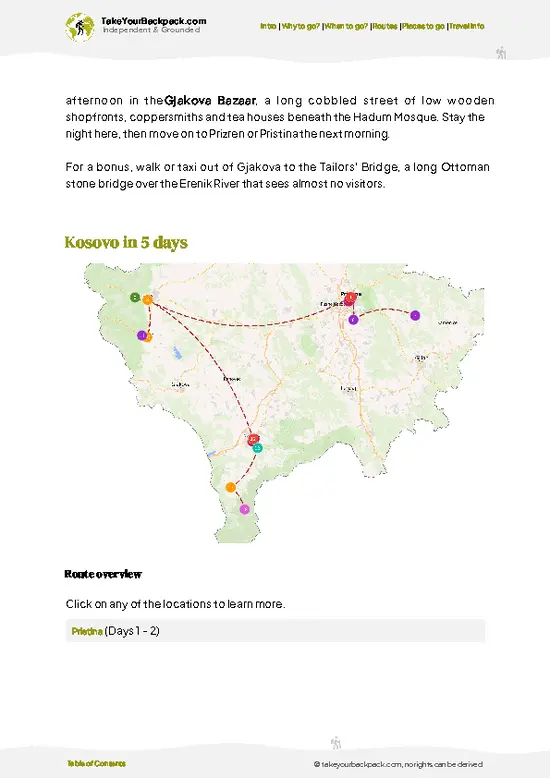
You don’t just walk beside the Lumbardhi River—you feel it. The trail clings to the edge of the gorge, the water below thrashing over boulders, loud enough to drown out your thoughts. Moss clings to the rocks, and the air is thick with the scent of wet earth and wild mint. This isn’t a polite riverside stroll; it’s a kinetic dance with the landscape, where every step is a negotiation with roots, slick stones, and the occasional spray from the river itself. The payoff? There’s a moment when the gorge opens up, and you catch a view upstream: sunlight knifing through the trees, water flashing silver, the world suddenly wide and wild. It’s the kind of view that makes you forget your knees are burning.
2. Rugova Canyon Overlook
The climb is relentless—switchbacks that … read more 👉
You don’t just walk beside the Lumbardhi River—you feel it. The trail clings to the edge of the gorge, the water below thrashing over boulders, loud enough to drown out your thoughts. Moss clings to the rocks, and the air is thick with the scent of wet earth and wild mint. This isn’t a polite riverside stroll; it’s a kinetic dance with the landscape, where every step is a negotiation with roots, slick stones, and the occasional spray from the river itself. The payoff? There’s a moment when the gorge opens up, and you catch a view upstream: sunlight knifing through the trees, water flashing silver, the world suddenly wide and wild. It’s the kind of view that makes you forget your knees are burning.
2. Rugova Canyon Overlook
The climb is relentless—switchbacks that … read more 👉
1. The Lumbardhi River Gorge
You don’t just walk beside the Lumbardhi River—you feel it. The trail clings to the edge of the gorge, the water below thrashing over boulders, loud enough to drown out your thoughts. Moss clings to the rocks, and the air is thick with the scent of wet earth and wild mint. This isn’t a polite riverside stroll; it’s a kinetic dance with the landscape, where every step is a negotiation with roots, slick stones, and the occasional spray from the river itself. The payoff? There’s a moment when the gorge opens up, and you catch a view upstream: sunlight knifing through the trees, water flashing silver, the world suddenly wide and wild. It’s the kind of view that makes you forget your knees are burning.
2. Rugova Canyon Overlook
The climb is relentless—switchbacks that test your calves and your patience. But when you break through the treeline, the Rugova Canyon sprawls out beneath you, a raw scar in the earth. The drop is dizzying, the cliffs sheer and streaked with mineral stains. Vultures ride the thermals below, and the wind up here tastes like stone and pine. You don’t just see the canyon; you feel the scale of it in your chest. This is the moment you realize why people bother with the sweat and the blisters. For me, this overlook is the soul of the Lumbardhi trail—my personal favorite. There’s no photo that does it justice. You have to earn it.
3. The Old Stone Bridge
Halfway along the trail, the forest spits you out at a bridge that looks like it was built for a fairy tale—arched stone, lichen creeping over the mortar, the river roaring beneath. It’s not just a crossing; it’s a marker of centuries. Shepherds, traders, and who knows how many hikers have crossed here. Stand in the middle and you’ll feel the vibration of the water and the weight of history. It’s a reminder that these trails aren’t just about nature—they’re about the people who’ve moved through them for generations.
4. Wild Orchids and Spring Flowers
If you hit the trail in late spring, the undergrowth explodes with color. Wild orchids—delicate, almost shy—dot the meadows and the edges of the path. There’s a riot of blues, yellows, and purples, and the air hums with bees. It’s a sensory overload, especially after the monochrome of winter. The flowers here aren’t just pretty—they’re a sign that the land is thriving, even after decades of upheaval. You’ll want to slow down, crouch low, and take it all in. This is the trail at its most alive.
You don’t just walk beside the Lumbardhi River—you feel it. The trail clings to the edge of the gorge, the water below thrashing over boulders, loud enough to drown out your thoughts. Moss clings to the rocks, and the air is thick with the scent of wet earth and wild mint. This isn’t a polite riverside stroll; it’s a kinetic dance with the landscape, where every step is a negotiation with roots, slick stones, and the occasional spray from the river itself. The payoff? There’s a moment when the gorge opens up, and you catch a view upstream: sunlight knifing through the trees, water flashing silver, the world suddenly wide and wild. It’s the kind of view that makes you forget your knees are burning.
2. Rugova Canyon Overlook
The climb is relentless—switchbacks that test your calves and your patience. But when you break through the treeline, the Rugova Canyon sprawls out beneath you, a raw scar in the earth. The drop is dizzying, the cliffs sheer and streaked with mineral stains. Vultures ride the thermals below, and the wind up here tastes like stone and pine. You don’t just see the canyon; you feel the scale of it in your chest. This is the moment you realize why people bother with the sweat and the blisters. For me, this overlook is the soul of the Lumbardhi trail—my personal favorite. There’s no photo that does it justice. You have to earn it.
3. The Old Stone Bridge
Halfway along the trail, the forest spits you out at a bridge that looks like it was built for a fairy tale—arched stone, lichen creeping over the mortar, the river roaring beneath. It’s not just a crossing; it’s a marker of centuries. Shepherds, traders, and who knows how many hikers have crossed here. Stand in the middle and you’ll feel the vibration of the water and the weight of history. It’s a reminder that these trails aren’t just about nature—they’re about the people who’ve moved through them for generations.
4. Wild Orchids and Spring Flowers
If you hit the trail in late spring, the undergrowth explodes with color. Wild orchids—delicate, almost shy—dot the meadows and the edges of the path. There’s a riot of blues, yellows, and purples, and the air hums with bees. It’s a sensory overload, especially after the monochrome of winter. The flowers here aren’t just pretty—they’re a sign that the land is thriving, even after decades of upheaval. You’ll want to slow down, crouch low, and take it all in. This is the trail at its most alive.
Spotted a mistake or missing something? Contact us.

Discover Peja and Rugova Half-Day Tour

Peja Tour, Rugova Gorge and Drini waterfalls (combined)

Discover Highlights of Kosovo in 4 days tour!

Private Prizren Walking Tour with Local Guide – History & Culture

Prizren & Prishtina Private Tour – Culture, Views & History

Day tour of Prizren from Pristina; Semi - Private

Kosovo Tour One Day - combined

Transfer Prishtina Airport to Prishtina City

Pristina Airport Transfer


 Best Backpacking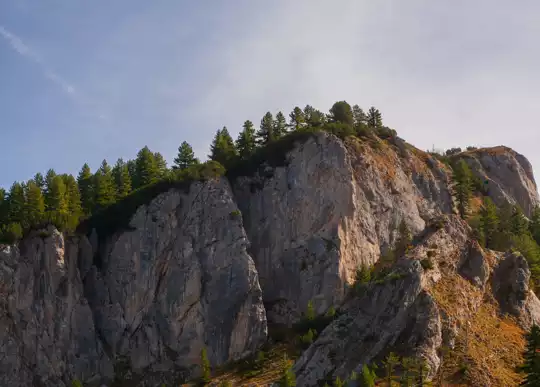
.jpg) Hi, I’m Johan (Netherlands 🇳🇱), the creator of TakeYourBackpack. Over the past 3 decades, I’ve backpacked through 90+ countries across six continents, gaining extensive experience with independent travel, long-term trips, and overland routes.
Hi, I’m Johan (Netherlands 🇳🇱), the creator of TakeYourBackpack. Over the past 3 decades, I’ve backpacked through 90+ countries across six continents, gaining extensive experience with independent travel, long-term trips, and overland routes.