v2.webp)
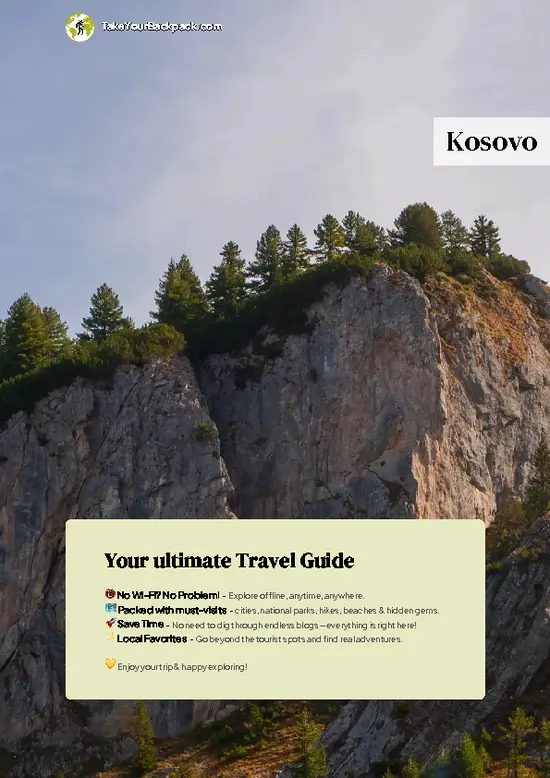
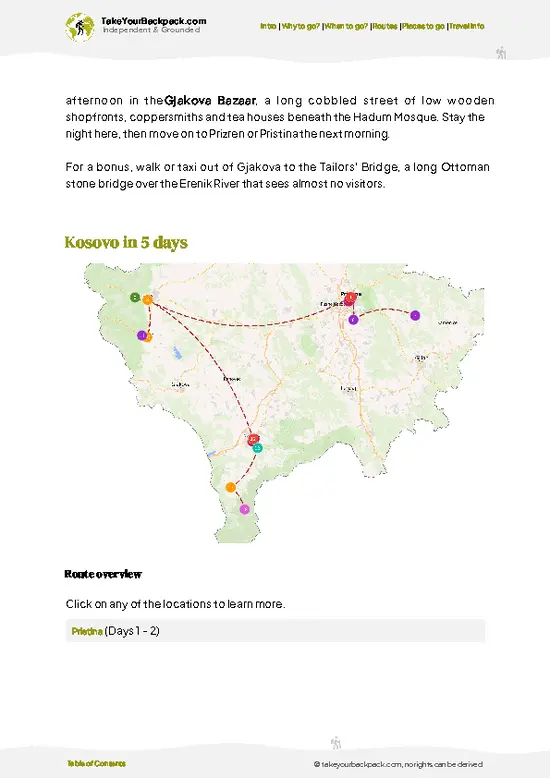
1. The Craft Workshops (Especially the Filigree Silversmiths)
Forget the Instagram shots of empty cobblestone lanes—Gjakova Bazaar is alive, and the real show is behind the shopfronts. The filigree silversmiths here aren’t just selling souvenirs; they’re practicing a centuries-old craft that’s survived war, occupation, and the onslaught of mass-produced junk. You’ll see hands blackened by silver dust, twisting impossibly fine wire into brooches and coffee sets. If you want to understand Kosovo’s soul, watch a master at work. This isn’t a staged demo for tourists—it’s the real deal, and you’ll feel the difference.
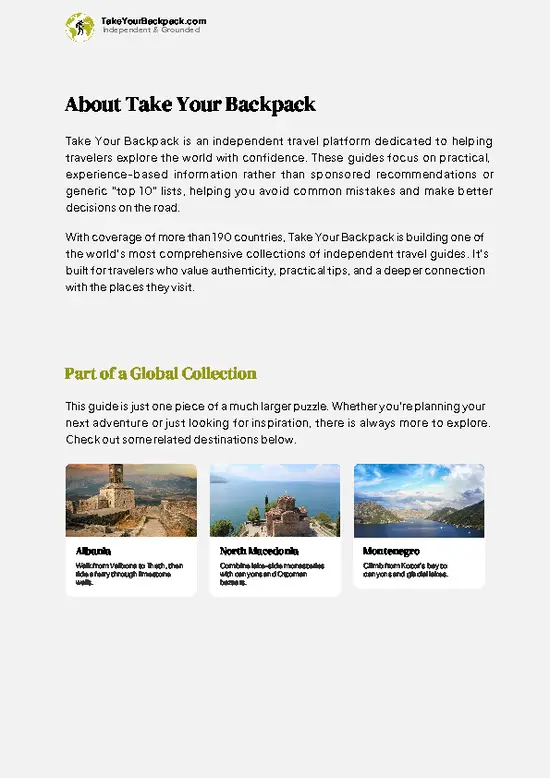
2. Çarshia e Madhe’s Coffee Culture
You’ll hear the clatter of tiny cups before you see the cafés. Locals don’t come here for a quick caffeine fix—they come to linger, gossip, and … read more 👉
Forget the Instagram shots of empty cobblestone lanes—Gjakova Bazaar is alive, and the real show is behind the shopfronts. The filigree silversmiths here aren’t just selling souvenirs; they’re practicing a centuries-old craft that’s survived war, occupation, and the onslaught of mass-produced junk. You’ll see hands blackened by silver dust, twisting impossibly fine wire into brooches and coffee sets. If you want to understand Kosovo’s soul, watch a master at work. This isn’t a staged demo for tourists—it’s the real deal, and you’ll feel the difference.
2. Çarshia e Madhe’s Coffee Culture
You’ll hear the clatter of tiny cups before you see the cafés. Locals don’t come here for a quick caffeine fix—they come to linger, gossip, and … read more 👉
1. The Craft Workshops (Especially the Filigree Silversmiths)
Forget the Instagram shots of empty cobblestone lanes—Gjakova Bazaar is alive, and the real show is behind the shopfronts. The filigree silversmiths here aren’t just selling souvenirs; they’re practicing a centuries-old craft that’s survived war, occupation, and the onslaught of mass-produced junk. You’ll see hands blackened by silver dust, twisting impossibly fine wire into brooches and coffee sets. If you want to understand Kosovo’s soul, watch a master at work. This isn’t a staged demo for tourists—it’s the real deal, and you’ll feel the difference.
2. Çarshia e Madhe’s Coffee Culture
You’ll hear the clatter of tiny cups before you see the cafés. Locals don’t come here for a quick caffeine fix—they come to linger, gossip, and debate. Order a Turkish coffee (don’t ask for a latte) and settle in. The ritual is half the fun: thick, strong, and served with a side of people-watching. The best seats are outside, where you can watch the slow-motion parade of Gjakova life. This is where deals are made, friendships are tested, and the city’s pulse is most obvious.
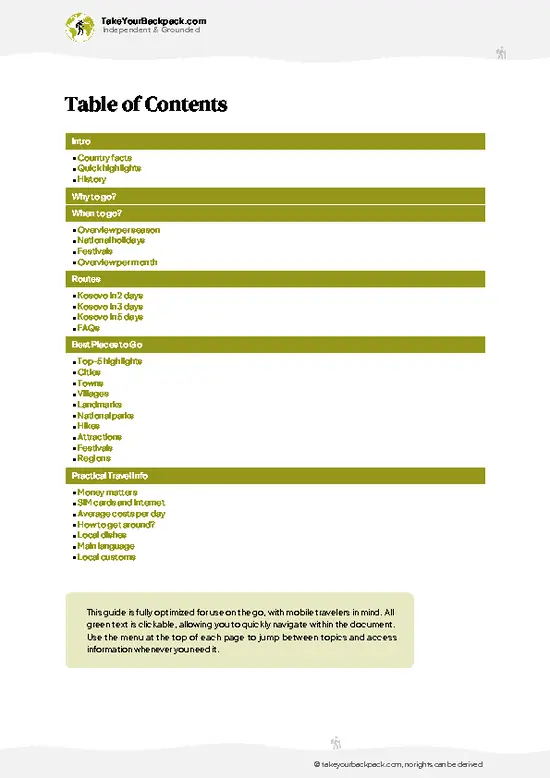
3. The Hadum Mosque and Its Courtyard
Most visitors snap a photo of the minaret and move on. Big mistake. Step inside the Hadum Mosque’s courtyard and you’ll find a pocket of calm that feels a world away from the market’s chaos. The mosque itself is a 16th-century survivor, with Ottoman-era frescoes that have outlasted empires and artillery. The real magic is in the details: the carved wooden ceilings, the scent of old books in the library, and the sense that you’re standing in a place that’s seen everything and still endures.
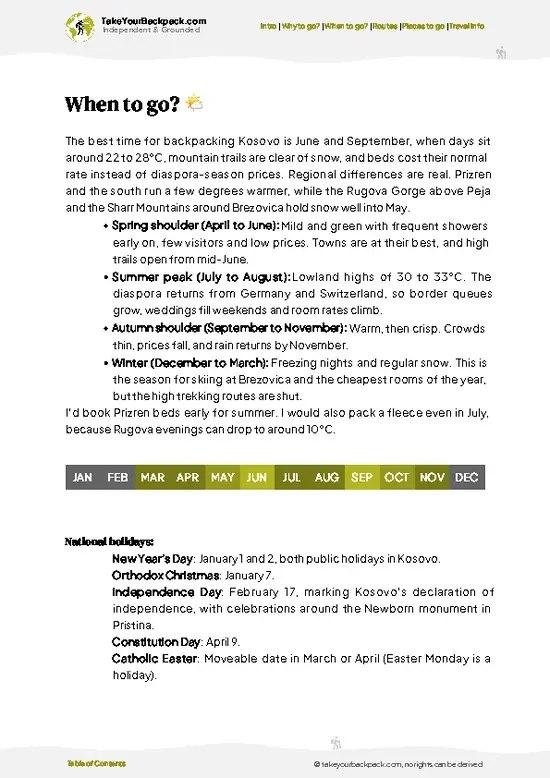
4. The Bazaar at Dusk (Personal Favorite)
Here’s the honest truth: Gjakova Bazaar can feel like a tourist trap at noon, especially in summer. But come back at dusk, when the day-trippers are gone and the shopkeepers are closing up. The air cools, the light softens, and the whole place exhales. You’ll hear laughter echoing from the teahouses, smell grilled meat from a tucked-away qebaptore, and see old men playing chess under flickering lamps. This is when the bazaar feels like it belongs to the city again, and you get a glimpse of its real character—unfiltered, unhurried, and absolutely worth the trip.
5. The Antique Shops (and Their Stories)
Skip the fridge magnets. The antique dealers here are part historians, part hustlers, and every object has a backstory—some true, some wildly embellished. You’ll find Ottoman-era coffee grinders, battered musical instruments, and the occasional relic from Yugoslav days. The real entertainment is in the bargaining: it’s half theater, half negotiation, and if you play along, you’ll walk away with more than just a souvenir. You’ll have a story that’s yours.
Forget the Instagram shots of empty cobblestone lanes—Gjakova Bazaar is alive, and the real show is behind the shopfronts. The filigree silversmiths here aren’t just selling souvenirs; they’re practicing a centuries-old craft that’s survived war, occupation, and the onslaught of mass-produced junk. You’ll see hands blackened by silver dust, twisting impossibly fine wire into brooches and coffee sets. If you want to understand Kosovo’s soul, watch a master at work. This isn’t a staged demo for tourists—it’s the real deal, and you’ll feel the difference.
2. Çarshia e Madhe’s Coffee Culture
You’ll hear the clatter of tiny cups before you see the cafés. Locals don’t come here for a quick caffeine fix—they come to linger, gossip, and debate. Order a Turkish coffee (don’t ask for a latte) and settle in. The ritual is half the fun: thick, strong, and served with a side of people-watching. The best seats are outside, where you can watch the slow-motion parade of Gjakova life. This is where deals are made, friendships are tested, and the city’s pulse is most obvious.
3. The Hadum Mosque and Its Courtyard
Most visitors snap a photo of the minaret and move on. Big mistake. Step inside the Hadum Mosque’s courtyard and you’ll find a pocket of calm that feels a world away from the market’s chaos. The mosque itself is a 16th-century survivor, with Ottoman-era frescoes that have outlasted empires and artillery. The real magic is in the details: the carved wooden ceilings, the scent of old books in the library, and the sense that you’re standing in a place that’s seen everything and still endures.
4. The Bazaar at Dusk (Personal Favorite)
Here’s the honest truth: Gjakova Bazaar can feel like a tourist trap at noon, especially in summer. But come back at dusk, when the day-trippers are gone and the shopkeepers are closing up. The air cools, the light softens, and the whole place exhales. You’ll hear laughter echoing from the teahouses, smell grilled meat from a tucked-away qebaptore, and see old men playing chess under flickering lamps. This is when the bazaar feels like it belongs to the city again, and you get a glimpse of its real character—unfiltered, unhurried, and absolutely worth the trip.
5. The Antique Shops (and Their Stories)
Skip the fridge magnets. The antique dealers here are part historians, part hustlers, and every object has a backstory—some true, some wildly embellished. You’ll find Ottoman-era coffee grinders, battered musical instruments, and the occasional relic from Yugoslav days. The real entertainment is in the bargaining: it’s half theater, half negotiation, and if you play along, you’ll walk away with more than just a souvenir. You’ll have a story that’s yours.
Spotted a mistake or missing something? Contact us.

Discover Peja and Rugova Half-Day Tour

Discover Highlights of Kosovo in 4 days tour!

Peja Tour, Rugova Gorge and Drini waterfalls (combined)

Private Prizren Walking Tour with Local Guide – History & Culture

Prizren & Prishtina Private Tour – Culture, Views & History

Day tour of Prizren from Pristina; Semi - Private

Kosovo Tour One Day - combined

Transfer Prishtina Airport to Prishtina City

Pristina Airport Transfer


 Best Backpacking
.jpg) Hi, I’m Johan (Netherlands 🇳🇱), the creator of TakeYourBackpack. Over the past 3 decades, I’ve backpacked through 90+ countries across six continents, gaining extensive experience with independent travel, long-term trips, and overland routes.
Hi, I’m Johan (Netherlands 🇳🇱), the creator of TakeYourBackpack. Over the past 3 decades, I’ve backpacked through 90+ countries across six continents, gaining extensive experience with independent travel, long-term trips, and overland routes.