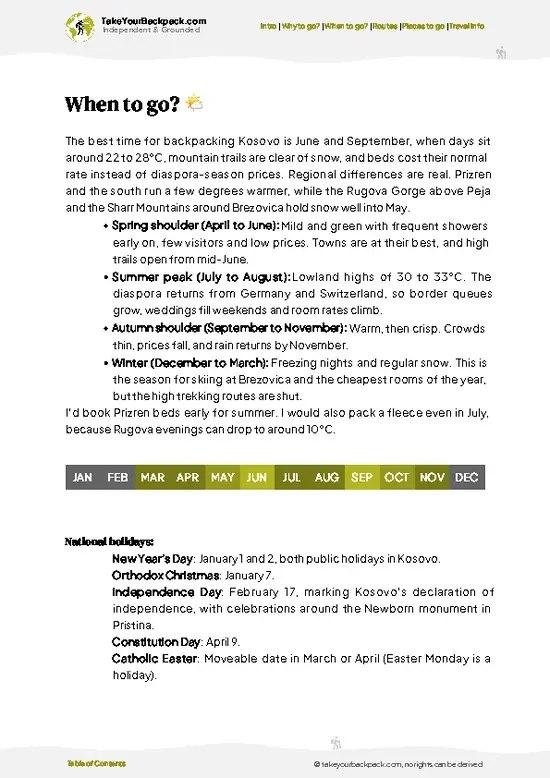
v2.webp)
Newborn Monument
Pristina’s most photographed slab of optimism. The Newborn Monument is more than a selfie stop—it’s a living, breathing barometer of Kosovo’s national mood. Every year, the block letters get a fresh coat of paint, often reflecting the country’s hopes, frustrations, or solidarity with global causes. It’s free, open 24/7, and takes 10 minutes to visit—unless you get sucked into a conversation with local students, which is half the point. Go at sunset for the best light and people-watching.
National Library of Kosovo
This is the architectural wildcard of the Balkans: a brutalist, domed, chainmail-wrapped structure that looks like a cross between a sci-fi bunker and a Byzantine fever dream. Step inside for the full effect—marble, mosaics, and a palpable sense of intellectual ambition. … read more 👉
Pristina’s most photographed slab of optimism. The Newborn Monument is more than a selfie stop—it’s a living, breathing barometer of Kosovo’s national mood. Every year, the block letters get a fresh coat of paint, often reflecting the country’s hopes, frustrations, or solidarity with global causes. It’s free, open 24/7, and takes 10 minutes to visit—unless you get sucked into a conversation with local students, which is half the point. Go at sunset for the best light and people-watching.
National Library of Kosovo
This is the architectural wildcard of the Balkans: a brutalist, domed, chainmail-wrapped structure that looks like a cross between a sci-fi bunker and a Byzantine fever dream. Step inside for the full effect—marble, mosaics, and a palpable sense of intellectual ambition. … read more 👉
Newborn Monument
Pristina’s most photographed slab of optimism. The Newborn Monument is more than a selfie stop—it’s a living, breathing barometer of Kosovo’s national mood. Every year, the block letters get a fresh coat of paint, often reflecting the country’s hopes, frustrations, or solidarity with global causes. It’s free, open 24/7, and takes 10 minutes to visit—unless you get sucked into a conversation with local students, which is half the point. Go at sunset for the best light and people-watching.
National Library of Kosovo
This is the architectural wildcard of the Balkans: a brutalist, domed, chainmail-wrapped structure that looks like a cross between a sci-fi bunker and a Byzantine fever dream. Step inside for the full effect—marble, mosaics, and a palpable sense of intellectual ambition. Entry is free, but a guided tour (if you can snag one) costs a few euros and is worth it for the stories. Allow 30-45 minutes. Early afternoon is quietest for exploring.
Ethnological Museum (Muzeu Etnologjik)
Set in a pair of restored Ottoman-era houses, this museum is a crash course in Kosovar life—weddings, war, weaving, and everything in between. The guides are passionate and often double as storytellers, making the past feel personal. Entry is about €2. Budget 45-60 minutes. Mornings are best for avoiding school groups and getting the guides’ full attention.
Mother Teresa Cathedral
A modern cathedral with a panoramic bell tower that delivers the best legal view over Pristina. The interior is airy and quietly impressive, but the real draw is the climb up the tower (small fee, elevator available). You’ll see the city’s patchwork of old and new from above. Allow 30 minutes. Late afternoon is ideal for golden light and fewer crowds.
Germia Park
If you need a breather from concrete and coffee, Germia Park is Pristina’s green lung. Locals come here to hike, swim, or just grill kebabs in the shade. There’s a public pool (entry €2-€4), forest trails, and plenty of picnic tables. It’s a 10-minute taxi or bus ride from the center. Allow 2-4 hours if you want to swim or hike. Weekdays are quieter; weekends are lively and social.
Great Hamam (Sahat Kulla & Old Bazaar area)
A rare survivor from Ottoman times, the Great Hamam is currently more atmospheric ruin than functioning bathhouse, but it’s a powerful reminder of Pristina’s layered history. The surrounding Old Bazaar area is a maze of market stalls, bakeries, and old-school cafés. Free to wander, but bring a few euros for coffee or pastries. Best explored in the morning, when the market is waking up.
Bear Sanctuary Prishtina
Technically just outside the city but reachable by taxi in 20 minutes, this sanctuary rescues bears from captivity and lets you see them up close, living as they should. Entry is €2-€4. Allow 1-2 hours. Go in the morning for active bears and cooler air.
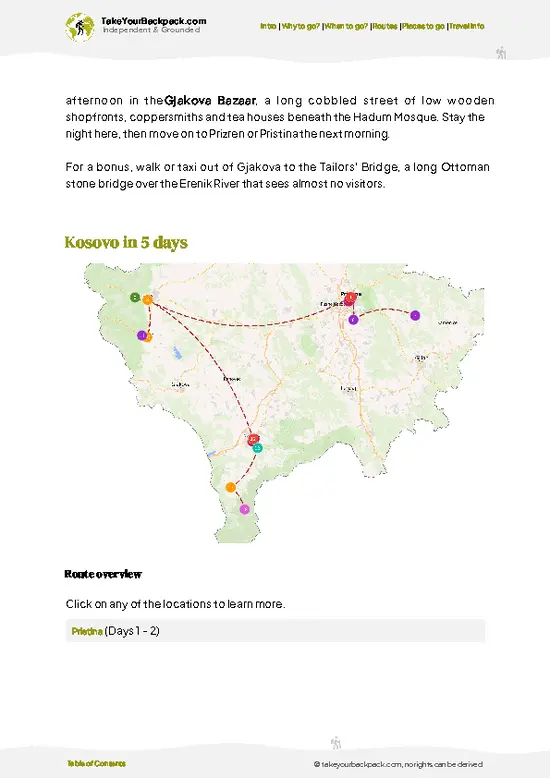
For day trips, you’re spoiled: the UNESCO-listed Gračanica Monastery, the Roman ruins of Ulpiana, and the Bear Sanctuary Prishtina are all within easy reach. Gračanica is my personal favorite—its frescoes are a masterclass in medieval art and the atmosphere is quietly electric.
Pristina’s most photographed slab of optimism. The Newborn Monument is more than a selfie stop—it’s a living, breathing barometer of Kosovo’s national mood. Every year, the block letters get a fresh coat of paint, often reflecting the country’s hopes, frustrations, or solidarity with global causes. It’s free, open 24/7, and takes 10 minutes to visit—unless you get sucked into a conversation with local students, which is half the point. Go at sunset for the best light and people-watching.
National Library of Kosovo
This is the architectural wildcard of the Balkans: a brutalist, domed, chainmail-wrapped structure that looks like a cross between a sci-fi bunker and a Byzantine fever dream. Step inside for the full effect—marble, mosaics, and a palpable sense of intellectual ambition. Entry is free, but a guided tour (if you can snag one) costs a few euros and is worth it for the stories. Allow 30-45 minutes. Early afternoon is quietest for exploring.
Ethnological Museum (Muzeu Etnologjik)
Set in a pair of restored Ottoman-era houses, this museum is a crash course in Kosovar life—weddings, war, weaving, and everything in between. The guides are passionate and often double as storytellers, making the past feel personal. Entry is about €2. Budget 45-60 minutes. Mornings are best for avoiding school groups and getting the guides’ full attention.
Mother Teresa Cathedral
A modern cathedral with a panoramic bell tower that delivers the best legal view over Pristina. The interior is airy and quietly impressive, but the real draw is the climb up the tower (small fee, elevator available). You’ll see the city’s patchwork of old and new from above. Allow 30 minutes. Late afternoon is ideal for golden light and fewer crowds.
Germia Park
If you need a breather from concrete and coffee, Germia Park is Pristina’s green lung. Locals come here to hike, swim, or just grill kebabs in the shade. There’s a public pool (entry €2-€4), forest trails, and plenty of picnic tables. It’s a 10-minute taxi or bus ride from the center. Allow 2-4 hours if you want to swim or hike. Weekdays are quieter; weekends are lively and social.
Great Hamam (Sahat Kulla & Old Bazaar area)
A rare survivor from Ottoman times, the Great Hamam is currently more atmospheric ruin than functioning bathhouse, but it’s a powerful reminder of Pristina’s layered history. The surrounding Old Bazaar area is a maze of market stalls, bakeries, and old-school cafés. Free to wander, but bring a few euros for coffee or pastries. Best explored in the morning, when the market is waking up.
Bear Sanctuary Prishtina
Technically just outside the city but reachable by taxi in 20 minutes, this sanctuary rescues bears from captivity and lets you see them up close, living as they should. Entry is €2-€4. Allow 1-2 hours. Go in the morning for active bears and cooler air.
For day trips, you’re spoiled: the UNESCO-listed Gračanica Monastery, the Roman ruins of Ulpiana, and the Bear Sanctuary Prishtina are all within easy reach. Gračanica is my personal favorite—its frescoes are a masterclass in medieval art and the atmosphere is quietly electric.
Spotted a mistake or missing something? Contact us.

Discover Peja and Rugova Half-Day Tour

Peja Tour, Rugova Gorge and Drini waterfalls (combined)

Discover Highlights of Kosovo in 4 days tour!

Private Prizren Walking Tour with Local Guide – History & Culture

Prizren & Prishtina Private Tour – Culture, Views & History

Day tour of Prizren from Pristina; Semi - Private

Kosovo Tour One Day - combined

Transfer Prishtina Airport to Prishtina City

Pristina Airport Transfer


 Best Backpacking
.jpg) Hi, I’m Johan (Netherlands 🇳🇱), the creator of TakeYourBackpack. Over the past 3 decades, I’ve backpacked through 90+ countries across six continents, gaining extensive experience with independent travel, long-term trips, and overland routes.
Hi, I’m Johan (Netherlands 🇳🇱), the creator of TakeYourBackpack. Over the past 3 decades, I’ve backpacked through 90+ countries across six continents, gaining extensive experience with independent travel, long-term trips, and overland routes.