v2.webp)

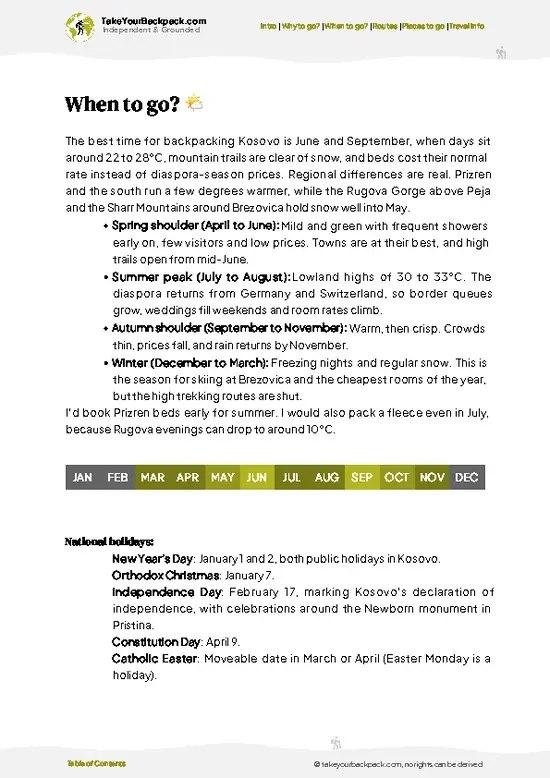
The Basilica Complex
Let’s cut through the Instagram haze: Ulpiana’s basilica isn’t some pristine, marble fantasy. It’s a raw, open-air skeleton of stone and brick, battered by centuries, but that’s exactly the point. You’re standing in the footprint of a 6th-century Christian basilica, one of the largest in the Balkans. The mosaic fragments underfoot aren’t roped off behind glass—they’re right there, sun-bleached and gritty, where you can trace the outlines with your own shadow. This is the real deal: a sacred space that’s survived earthquakes, invasions, and neglect, still radiating the stubborn endurance of early Christianity in the Balkans.
The City Walls and Gates
Forget the fantasy of wandering alone through ancient ruins. Ulpiana’s city walls are often dotted with local families, archaeologists, … read more 👉
Let’s cut through the Instagram haze: Ulpiana’s basilica isn’t some pristine, marble fantasy. It’s a raw, open-air skeleton of stone and brick, battered by centuries, but that’s exactly the point. You’re standing in the footprint of a 6th-century Christian basilica, one of the largest in the Balkans. The mosaic fragments underfoot aren’t roped off behind glass—they’re right there, sun-bleached and gritty, where you can trace the outlines with your own shadow. This is the real deal: a sacred space that’s survived earthquakes, invasions, and neglect, still radiating the stubborn endurance of early Christianity in the Balkans.
The City Walls and Gates
Forget the fantasy of wandering alone through ancient ruins. Ulpiana’s city walls are often dotted with local families, archaeologists, … read more 👉
The Basilica Complex
Let’s cut through the Instagram haze: Ulpiana’s basilica isn’t some pristine, marble fantasy. It’s a raw, open-air skeleton of stone and brick, battered by centuries, but that’s exactly the point. You’re standing in the footprint of a 6th-century Christian basilica, one of the largest in the Balkans. The mosaic fragments underfoot aren’t roped off behind glass—they’re right there, sun-bleached and gritty, where you can trace the outlines with your own shadow. This is the real deal: a sacred space that’s survived earthquakes, invasions, and neglect, still radiating the stubborn endurance of early Christianity in the Balkans.
The City Walls and Gates
Forget the fantasy of wandering alone through ancient ruins. Ulpiana’s city walls are often dotted with local families, archaeologists, and the occasional goat. But these crumbling fortifications are the bones of a city that once rivaled anything in the Roman Empire’s provinces. Walk the perimeter and you’ll see the strategic genius of Roman urban planning—bastions, gates, and defensive lines that once protected a population of thousands. The best part? You can actually climb sections of the wall. No velvet ropes, no security guards, just you and the wind, with the Sharr Mountains in the distance.
The Necropolis
If you want a reality check, head to the necropolis. This isn’t a sanitized museum exhibit—it’s a field of stone sarcophagi and tomb slabs, some cracked open by time, others still sealed. The inscriptions are in Latin and Greek, a reminder that Ulpiana was a crossroads of cultures, not some forgotten backwater. The necropolis is where the city’s story gets personal: you’re face-to-face with the people who lived, died, and were buried here nearly two millennia ago. It’s humbling, a little eerie, and absolutely essential.
The Roman Baths
Here’s where Ulpiana throws you a curveball. The Roman baths aren’t just piles of rubble—they’re a window into the city’s social life. You can see the hypocaust system (that’s ancient underfloor heating, for the uninitiated), the layout of the caldarium and frigidarium, and even the drainage channels. It’s not glamorous, but it’s ingenious. You’ll leave with a new respect for Roman engineering—and maybe a little envy for their spa days.
The Mosaics (Personal Favorite)
This is where Ulpiana punches above its weight. The mosaics here aren’t just decorative—they’re a riot of color and symbolism, with geometric patterns and Christian iconography that survived centuries of upheaval. Some are still being uncovered, so you might see archaeologists at work, brushes in hand, coaxing history out of the dirt. There’s a thrill in seeing something ancient emerge right before your eyes. It’s messy, unpredictable, and absolutely electric. This is the magic you can’t filter or fake.
Let’s cut through the Instagram haze: Ulpiana’s basilica isn’t some pristine, marble fantasy. It’s a raw, open-air skeleton of stone and brick, battered by centuries, but that’s exactly the point. You’re standing in the footprint of a 6th-century Christian basilica, one of the largest in the Balkans. The mosaic fragments underfoot aren’t roped off behind glass—they’re right there, sun-bleached and gritty, where you can trace the outlines with your own shadow. This is the real deal: a sacred space that’s survived earthquakes, invasions, and neglect, still radiating the stubborn endurance of early Christianity in the Balkans.
The City Walls and Gates
Forget the fantasy of wandering alone through ancient ruins. Ulpiana’s city walls are often dotted with local families, archaeologists, and the occasional goat. But these crumbling fortifications are the bones of a city that once rivaled anything in the Roman Empire’s provinces. Walk the perimeter and you’ll see the strategic genius of Roman urban planning—bastions, gates, and defensive lines that once protected a population of thousands. The best part? You can actually climb sections of the wall. No velvet ropes, no security guards, just you and the wind, with the Sharr Mountains in the distance.
The Necropolis
If you want a reality check, head to the necropolis. This isn’t a sanitized museum exhibit—it’s a field of stone sarcophagi and tomb slabs, some cracked open by time, others still sealed. The inscriptions are in Latin and Greek, a reminder that Ulpiana was a crossroads of cultures, not some forgotten backwater. The necropolis is where the city’s story gets personal: you’re face-to-face with the people who lived, died, and were buried here nearly two millennia ago. It’s humbling, a little eerie, and absolutely essential.
The Roman Baths
Here’s where Ulpiana throws you a curveball. The Roman baths aren’t just piles of rubble—they’re a window into the city’s social life. You can see the hypocaust system (that’s ancient underfloor heating, for the uninitiated), the layout of the caldarium and frigidarium, and even the drainage channels. It’s not glamorous, but it’s ingenious. You’ll leave with a new respect for Roman engineering—and maybe a little envy for their spa days.
The Mosaics (Personal Favorite)
This is where Ulpiana punches above its weight. The mosaics here aren’t just decorative—they’re a riot of color and symbolism, with geometric patterns and Christian iconography that survived centuries of upheaval. Some are still being uncovered, so you might see archaeologists at work, brushes in hand, coaxing history out of the dirt. There’s a thrill in seeing something ancient emerge right before your eyes. It’s messy, unpredictable, and absolutely electric. This is the magic you can’t filter or fake.
Spotted a mistake or missing something? Contact us.

Discover Peja and Rugova Half-Day Tour

Peja Tour, Rugova Gorge and Drini waterfalls (combined)

Discover Highlights of Kosovo in 4 days tour!

Private Prizren Walking Tour with Local Guide – History & Culture

Prizren & Prishtina Private Tour – Culture, Views & History

Day tour of Prizren from Pristina; Semi - Private

Kosovo Tour One Day - combined

Transfer Prishtina Airport to Prishtina City

Pristina Airport Transfer


 Best Backpacking
.jpg) Hi, I’m Johan (Netherlands 🇳🇱), the creator of TakeYourBackpack. Over the past 3 decades, I’ve backpacked through 90+ countries across six continents, gaining extensive experience with independent travel, long-term trips, and overland routes.
Hi, I’m Johan (Netherlands 🇳🇱), the creator of TakeYourBackpack. Over the past 3 decades, I’ve backpacked through 90+ countries across six continents, gaining extensive experience with independent travel, long-term trips, and overland routes.