v2.webp)
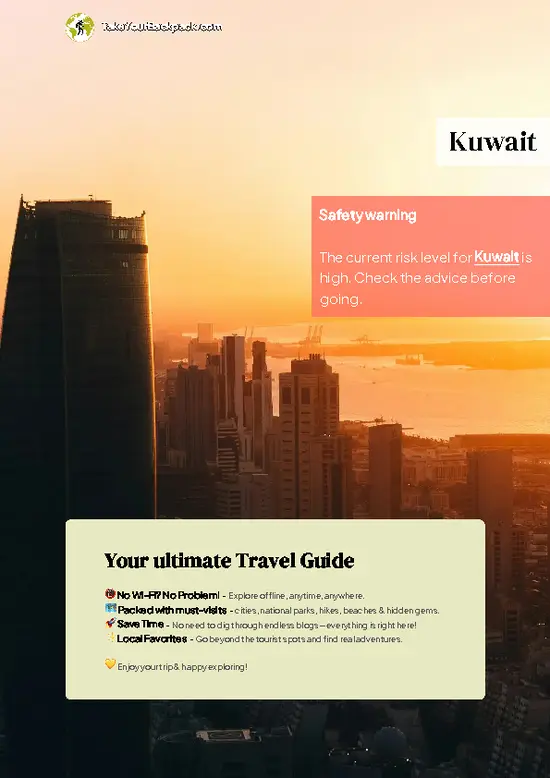
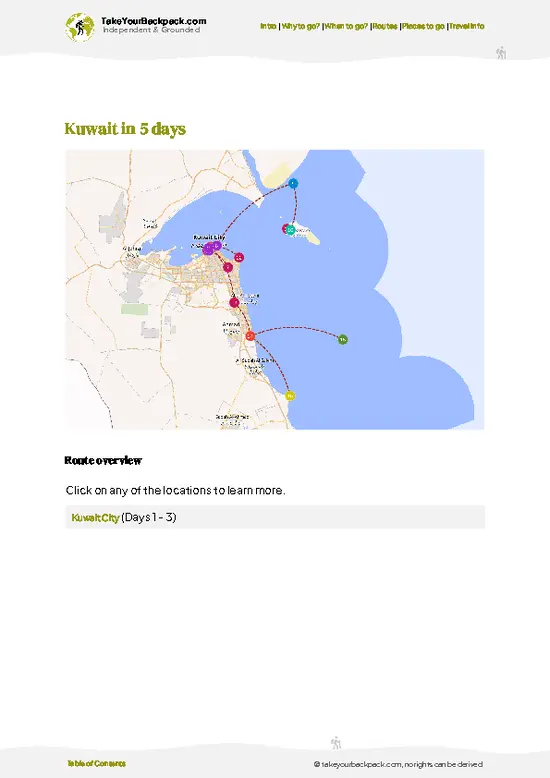
- Traditional spice and herb stalls — Mountains of saffron, dried limes, turmeric and spices stacked in burlap sacks hit you first; smell, color and noise combine into an instant sensory map of Gulf cooking. What makes it special: these are the same flavors Kuwaitis have used for generations, and you can buy tiny amounts for pennies to experiment at home.
- Oud, incense and perfume shops — Rows of tiny glass vials, blocks of frankincense and trays of oud chips, with vendors happily showing you which burns brightest. What makes it special: the ritual of smelling, bargaining and watching incense smoke curl is a core part of Kuwaiti hospitality and scent culture.
- Low-key local eateries and sweet stalls — Tiny cafes and food carts serving gahwa (Arabic coffee), chebab (sweet pancakes), shawarma,
- Traditional spice and herb stalls — Mountains of saffron, dried limes, turmeric and spices stacked in burlap sacks hit you first; smell, color and noise combine into an instant sensory map of Gulf cooking. What makes it special: these are the same flavors Kuwaitis have used for generations, and you can buy tiny amounts for pennies to experiment at home.
- Oud, incense and perfume shops — Rows of tiny glass vials, blocks of frankincense and trays of oud chips, with vendors happily showing you which burns brightest. What makes it special: the ritual of smelling, bargaining and watching incense smoke curl is a core part of Kuwaiti hospitality and scent culture.
- Low-key local eateries and sweet stalls — Tiny cafes and food carts serving gahwa (Arabic coffee), chebab (sweet pancakes), shawarma, and simple grilled fish; portions are cheap and honest. What makes it special: it’s real, everyday Kuwaiti food—no tourist menus—so you eat like a local without spending much.
- Antiques, brassware and dhow models — Shops piled with old brass coffee pots, vintage maps, model dhows and reclaimed wooden pieces begging to be examined. What makes it special: you can sniff out genuine bits of Kuwaiti maritime and trading history, and the pleasure is in the hunt as much as the find.
- Handwoven textiles and traditional crafts — Stalls selling embroidered dishdashas, bishts, and Sadu-style weavings with bold geometric patterns. What makes it special: these crafts carry Bedouin design traditions that are still woven and sold by local artisans—authentic and culturally rooted.
- Historic lanes and traditional architecture — Narrow alleys, wooden doors, and shaded arcades feel like a little time capsule tucked into the city. What makes it special: the souk’s layout and old buildings preserve the urban fabric of pre-oil Kuwait, so wandering feels like stepping back a few generations.
- Weekend bustle and festival/Ramadan atmosphere — The market livens up at weekends and during Ramadan evenings, with families, music, extra stalls and a social buzz that lasts late. What makes it special: the communal, festive energy turns shopping into people-watching and cultural immersion—great for photos and meeting locals.
Spotted a mistake or missing something? Contact us.

Half Day licensed Tours in Kuwait City & Desert PickUp & DropOff

Full Day licensed Tours in Kuwait City & Desert PickUp & DropOff

From Kuwait City : Premium Full-Day Sightseeing Tour

Kuwait: Half-Day City & Desert Tour with Pick-Up & Drop-Off

Discover Bahrain: Authentic Tours with Local Guide.

History Tour of Stories That Shaped Kuwait by Kuwaiti Guide

Kuwait City Heritage Souq & Modern Shopping Malls Tour

Full Day Kuwait City Tour

Full Day Private Kuwait City and Desert Tour with a Local Guide


 Best Backpacking
.jpg) Hi, I’m Johan (Netherlands 🇳🇱), the creator of TakeYourBackpack. Over the past 3 decades, I’ve backpacked through 90+ countries across six continents, gaining extensive experience with independent travel, long-term trips, and overland routes.
Hi, I’m Johan (Netherlands 🇳🇱), the creator of TakeYourBackpack. Over the past 3 decades, I’ve backpacked through 90+ countries across six continents, gaining extensive experience with independent travel, long-term trips, and overland routes.