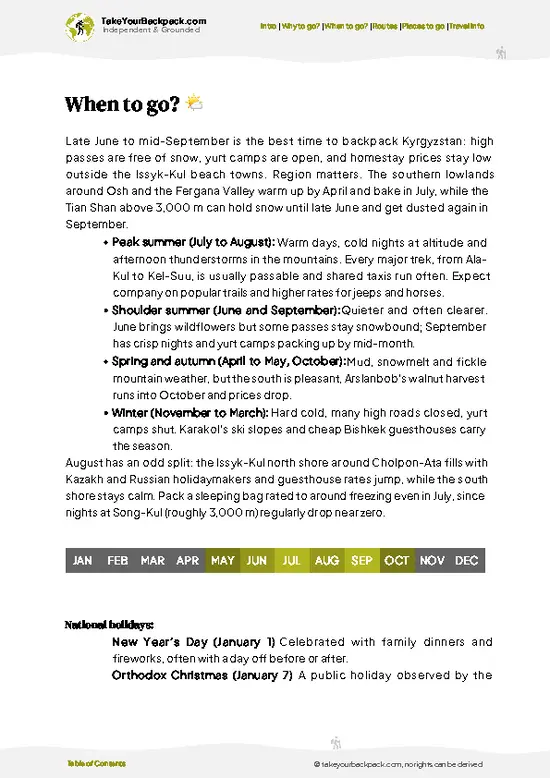
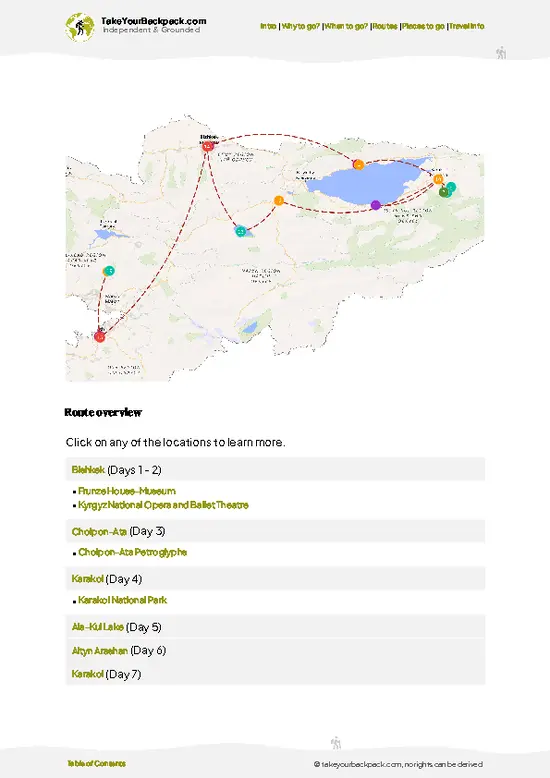
1. Soviet-Era Grandeur—With a Central Asian Twist
Forget the Instagram filters: the building itself is a time capsule. You’re stepping into a 1950s Soviet palace, but with flourishes that nod to Kyrgyz heritage—think marble columns, velvet drapes, and ceilings that look like they were painted for a tsar. It’s not just a backdrop; it’s a living artifact. The lobby alone is worth lingering in, especially when the crowd is a mix of local families in their best clothes and students sneaking in for a dose of culture.
2. Kyrgyz Ballet: Folk Stories on Pointe
This isn’t Moscow’s Bolshoi, and that’s the point. The Kyrgyz National Ballet takes classic Russian technique and fuses it with local legends and music. You’ll see dancers in traditional kalpaks (felt hats) and costumes that actually reference … read more 👉
Forget the Instagram filters: the building itself is a time capsule. You’re stepping into a 1950s Soviet palace, but with flourishes that nod to Kyrgyz heritage—think marble columns, velvet drapes, and ceilings that look like they were painted for a tsar. It’s not just a backdrop; it’s a living artifact. The lobby alone is worth lingering in, especially when the crowd is a mix of local families in their best clothes and students sneaking in for a dose of culture.
2. Kyrgyz Ballet: Folk Stories on Pointe
This isn’t Moscow’s Bolshoi, and that’s the point. The Kyrgyz National Ballet takes classic Russian technique and fuses it with local legends and music. You’ll see dancers in traditional kalpaks (felt hats) and costumes that actually reference … read more 👉
1. Soviet-Era Grandeur—With a Central Asian Twist
Forget the Instagram filters: the building itself is a time capsule. You’re stepping into a 1950s Soviet palace, but with flourishes that nod to Kyrgyz heritage—think marble columns, velvet drapes, and ceilings that look like they were painted for a tsar. It’s not just a backdrop; it’s a living artifact. The lobby alone is worth lingering in, especially when the crowd is a mix of local families in their best clothes and students sneaking in for a dose of culture.
2. Kyrgyz Ballet: Folk Stories on Pointe
This isn’t Moscow’s Bolshoi, and that’s the point. The Kyrgyz National Ballet takes classic Russian technique and fuses it with local legends and music. You’ll see dancers in traditional kalpaks (felt hats) and costumes that actually reference nomadic history. The choreography can be raw and athletic—sometimes less polished, but always more heartfelt. If you catch a performance of “Ak-Moor” or “Cholpon,” you’re getting a crash course in Kyrgyz identity, not just a ballet recital.
3. Opera in the Kyrgyz Language
You haven’t really traveled until you’ve heard Verdi or Bizet sung in Kyrgyz. The theatre is one of the rare places where you can hear world-class opera performed in the local language, often with a Central Asian orchestra. It’s a reminder that opera isn’t just for the Italian elite; here, it’s a living, breathing part of Bishkek’s cultural DNA.
4. The Ticket Price: The World’s Best Bargain
Here’s the straight talk: you can see a full-scale opera or ballet for the price of a fancy coffee in Paris. No velvet rope, no snobbery. You’ll sit shoulder-to-shoulder with locals who treat this as a night out, not a luxury. The value-for-entertainment ratio is off the charts. This is my personal favorite—because nowhere else have I felt so welcomed into high culture for so little.
5. The Curtain Call: Meet the Performers
Stick around after the show. Unlike the West, where stars vanish backstage, here the performers often mingle in the lobby, chatting with friends and fans. It’s a rare, unfiltered moment—no PR handlers, just real artists proud of their craft. If you want to understand the soul of Bishkek, this is where it’s hiding, right in plain sight.
Forget the Instagram filters: the building itself is a time capsule. You’re stepping into a 1950s Soviet palace, but with flourishes that nod to Kyrgyz heritage—think marble columns, velvet drapes, and ceilings that look like they were painted for a tsar. It’s not just a backdrop; it’s a living artifact. The lobby alone is worth lingering in, especially when the crowd is a mix of local families in their best clothes and students sneaking in for a dose of culture.
2. Kyrgyz Ballet: Folk Stories on Pointe
This isn’t Moscow’s Bolshoi, and that’s the point. The Kyrgyz National Ballet takes classic Russian technique and fuses it with local legends and music. You’ll see dancers in traditional kalpaks (felt hats) and costumes that actually reference nomadic history. The choreography can be raw and athletic—sometimes less polished, but always more heartfelt. If you catch a performance of “Ak-Moor” or “Cholpon,” you’re getting a crash course in Kyrgyz identity, not just a ballet recital.
3. Opera in the Kyrgyz Language
You haven’t really traveled until you’ve heard Verdi or Bizet sung in Kyrgyz. The theatre is one of the rare places where you can hear world-class opera performed in the local language, often with a Central Asian orchestra. It’s a reminder that opera isn’t just for the Italian elite; here, it’s a living, breathing part of Bishkek’s cultural DNA.
4. The Ticket Price: The World’s Best Bargain
Here’s the straight talk: you can see a full-scale opera or ballet for the price of a fancy coffee in Paris. No velvet rope, no snobbery. You’ll sit shoulder-to-shoulder with locals who treat this as a night out, not a luxury. The value-for-entertainment ratio is off the charts. This is my personal favorite—because nowhere else have I felt so welcomed into high culture for so little.
5. The Curtain Call: Meet the Performers
Stick around after the show. Unlike the West, where stars vanish backstage, here the performers often mingle in the lobby, chatting with friends and fans. It’s a rare, unfiltered moment—no PR handlers, just real artists proud of their craft. If you want to understand the soul of Bishkek, this is where it’s hiding, right in plain sight.
Spotted a mistake or missing something? Contact us.
v2.webp)

Best Backpacking
Hi, I’m Johan (Netherlands 🇳🇱), the creator of TakeYourBackpack. Over the past decade, I’ve backpacked through 80+ countries across six continents, gaining extensive experience with independent travel, long-term trips, and overland routes.