×

Latvia🇱🇻 | national parksGauja National Parkriver valley, medieval castles, sandstone caves | things to do and best time to go

Explore Gauja River TrailExplore Kemeri National Park

Backpacking in Gauja
🏆 Top picknational park ranked #1
By Johan Kruseman 🇳🇱 | Updated June 1, 2026

Most people only realize after they leave that Gauja National Park is where you can get a full “Latvia nature trip” without burning days on long transfers or expensive tours. It sits in the Vidzeme region of northeastern Latvia, roughly between Sigulda, Cēsis, and Valmiera, and is easy to fold into a Riga-based itinerary. For backpackers, Gauja is a solid, low-drama base: plenty of marked hiking trails through pine forest and along the Gauja River valley, sandstone cliffs and caves that are pretty but not alpine-level dramatic, and decent chances of spotting deer, beavers, and birds if you’re patient. Access by train and bus is straightforward, entrance to the park itself is free, and only specific sites charge small fees. Crowds cluster around Sigulda and Turaida on weekends, but thin out fast once you’re a few kilometers down a trail. Camping and simple guesthouses are available, though not ultra-cheap by Balkan standards. Compared with Latvia’s smaller coastal or bog-heavy parks like Ķemeri or Slītere, Gauja offers the most variety and infrastructure, but also feels the least remote.

Discover everything you want to know in the 📖 Latvia Travel Guide.


Get your Latvia guide
69 ranked highlights, routes & tips, works offline (273 pages)
Loading the map 🌍
CLICK TO FILTER
cities
towns
villages
landmarks
national parks
hikes
beaches
attractions
festivals
SHOW COUNTRY’S BESTSHOW ALL

✨ Why go?
Ranked #1 national park in Latvia
What makes it a must-see national park

Gauja National Park in Latvia attracts backpackers for several compelling reasons. First, independent exploration is a major draw. The park’s extensive trail network allows you to roam freely, soaking in the lush landscapes and unique rock formations without the constraints of guided tours.

For those on a budget, camping options are plentiful. You can pitch your tent in designated areas or find affordable hostels nearby, making it easy to stretch your funds while enjoying the great outdoors. This flexibility means you can spend more on experiences that matter, like local cuisine or a canoe trip on the Gauja River.

The trail variety is another highlight. Whether you’re seeking a leisurely stroll or a challenging hike, the park caters to all fitness levels. You’ll find well-marked paths that … read more 👉
Gauja National Park in Latvia attracts backpackers for several compelling reasons. First, independent exploration is a major draw. The park’s extensive trail network allows you to roam freely, soaking in the lush landscapes and unique rock formations without the constraints of guided tours.

For those on a budget, camping options are plentiful. You can pitch your tent in designated areas or find affordable hostels nearby, making it easy to stretch your funds while enjoying the great outdoors. This flexibility means you can spend more on experiences that matter, like local cuisine or a canoe trip on the Gauja River.

The trail variety is another highlight. Whether you’re seeking a leisurely stroll or a challenging hike, the park caters to all fitness levels. You’ll find well-marked paths that lead to breathtaking viewpoints and hidden nooks, perfect for a quiet moment of reflection.

Gauja National Park is particularly suited for self-guided travelers. With clear signage and a wealth of resources available, you can navigate the park confidently. This independence not only enhances your experience but also allows you to connect more deeply with the stunning surroundings.
Want to include Gauja National Park in your Latvia route?
Create a personalized Latvia itinerary that includes Gauja National Park and the places that fit your trip — based on your travel style, budget, and available time. Get your route in seconds.

Generate my trip

💡 HighlightsMust-see experiences and standout moments

  • Turaida Castle and Museum Reserve — a photogenic red-brick castle perched above the Gauja valley; the hilltop views are worth the climb, and the surrounding museum grounds mix nature, history and the local “Turaida Rose” legend for a proper sense of place.
  • Gutmanis Cave — the largest sandstone cave in the Baltics, carved into the valley walls with a small spring inside and centuries-old carved inscriptions; it’s atmospheric and surprising, especially after rain when the colors in the rock pop.
  • Sandstone cliffs and observation points (Sigulda-Krimulda ridges) — steep, forested river slopes with cliffs, lookout platforms and walking links between Sigulda and Krimulda; great for dramatic valley panoramas, sunrise photos and short cliffside hikes.
  • Zvārte Rock — a distinctive pine-topped sandstone
read more 👉
  • Turaida Castle and Museum Reserve — a photogenic red-brick castle perched above the Gauja valley; the hilltop views are worth the climb, and the surrounding museum grounds mix nature, history and the local “Turaida Rose” legend for a proper sense of place.
  • Gutmanis Cave — the largest sandstone cave in the Baltics, carved into the valley walls with a small spring inside and centuries-old carved inscriptions; it’s atmospheric and surprising, especially after rain when the colors in the rock pop.
  • Sandstone cliffs and observation points (Sigulda-Krimulda ridges) — steep, forested river slopes with cliffs, lookout platforms and walking links between Sigulda and Krimulda; great for dramatic valley panoramas, sunrise photos and short cliffside hikes.
  • Zvārte Rock — a distinctive pine-topped sandstone outcrop with steep faces and a fairy-tale vibe; the short trail to the viewpoint is easy and the rock itself is a favourite for birdwatching and geology fans.
  • Amata River valley — a wild-feeling, winding river corridor with narrow gorges, small rapids and lush banks; perfect for kayak trips, riverside hikes and listening to dripping sandstone and rushing water rather than cars.
  • Līgatne Nature Trails and wooden mill town — quiet forest paths and raised boardwalks around semi-wild enclosures where you can spot native mammals (deer, bison and the like) without a zoo vibe; the nearby old paper-mill village adds character to a day out.
  • Āraiši Lake Dwelling Site — an Iron Age lakeside reconstruction of stilt houses and fortifications on a pretty shallow lake; it’s a compact mix of archaeology, shoreline walking and birdwatching that feels very different from the castle-and-cliff side of the park.
Spotted a mistake or missing something? Contact us.

Things to do near Gauja National Park

Ratings based on Tripadvisor reviews. When you book through this link, you support our work at no extra cost to you.

🌤️ When to go?Best time to explore Gauja


  • Weather: Spring and early autumn offer mild, stable conditions ideal for hiking. Summers can be warm, around 20-25°C (68-77°F), but also bring occasional heavy rain. Winters are cold, often below freezing, limiting trail access.

  • Temperature: Late May to September sees daytime highs between 18-25°C (64-77°F), comfortable for long treks. Early spring and late autumn drop to 5-15°C (41-59°F), requiring layered gear. Winter temperatures often fall below -5°C (23°F), demanding serious cold-weather preparation.

  • Daylight Hours: Summer provides long days, up to 18 hours of light in June, maximizing hiking time. In contrast, winter days shrink to around 6 hours, restricting outdoor activity and increasing risk on trails.

  • Crowds: Peak season (June-August) attracts local tourists and weekenders,
read more 👉

  • Weather: Spring and early autumn offer mild, stable conditions ideal for hiking. Summers can be warm, around 20-25°C (68-77°F), but also bring occasional heavy rain. Winters are cold, often below freezing, limiting trail access.

  • Temperature: Late May to September sees daytime highs between 18-25°C (64-77°F), comfortable for long treks. Early spring and late autumn drop to 5-15°C (41-59°F), requiring layered gear. Winter temperatures often fall below -5°C (23°F), demanding serious cold-weather preparation.

  • Daylight Hours: Summer provides long days, up to 18 hours of light in June, maximizing hiking time. In contrast, winter days shrink to around 6 hours, restricting outdoor activity and increasing risk on trails.

  • Crowds: Peak season (June-August) attracts local tourists and weekenders, especially on popular routes and near Sigulda. Shoulder seasons see fewer visitors, offering more solitude and easier campsite reservations.

  • Seasonal Activities: Summer is prime for hiking, canoeing, and exploring caves. Autumn brings colorful foliage and mushroom foraging but shorter days. Winter allows cross-country skiing but limits trail access and increases hazards.

  • Price Fluctuations: Accommodation and transport costs peak in summer. Booking in shoulder seasons can save money and avoid sold-out spots, but some services may reduce availability.


Pro-tip: Aim for late spring or early autumn to balance weather, daylight, and crowd size—this preserves your energy and budget for the park’s best experiences without the hassle.


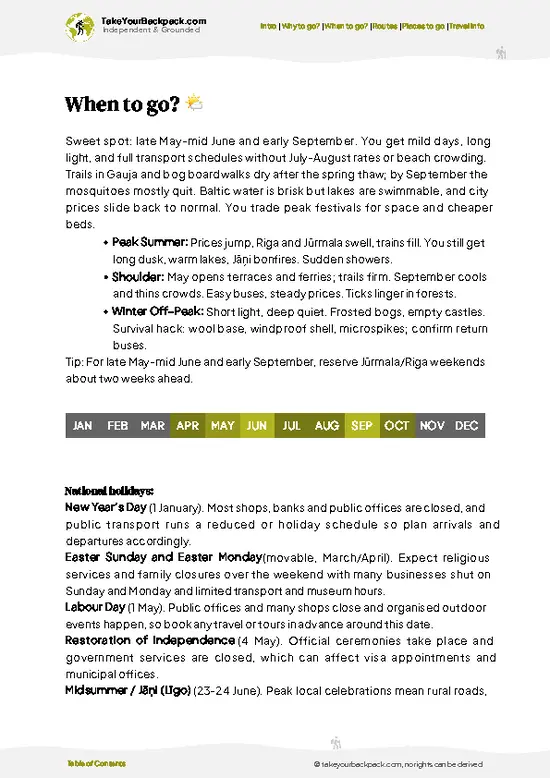
source: climatestotravel.comJANJanuary: below average for travelingFEBFebruary: below average for travelingMARMarch: fair for travelingAPRApril: highly recommended for travelingMAYMay: excellent for travelingJUNJune: highly recommended for travelingJULJuly: highly recommended for travelingAUGAugust: highly recommended for travelingSEPSeptember: excellent for travelingOCTOctober: highly recommended for travelingNOVNovember: fair for travelingDECDecember: below average for traveling

✈️ The backpacker research shortcutLatvia Travel Guide

An offline-friendly backpacking guide with optimized travel routes, ranked highlights, transport advice, and the best areas to stay.
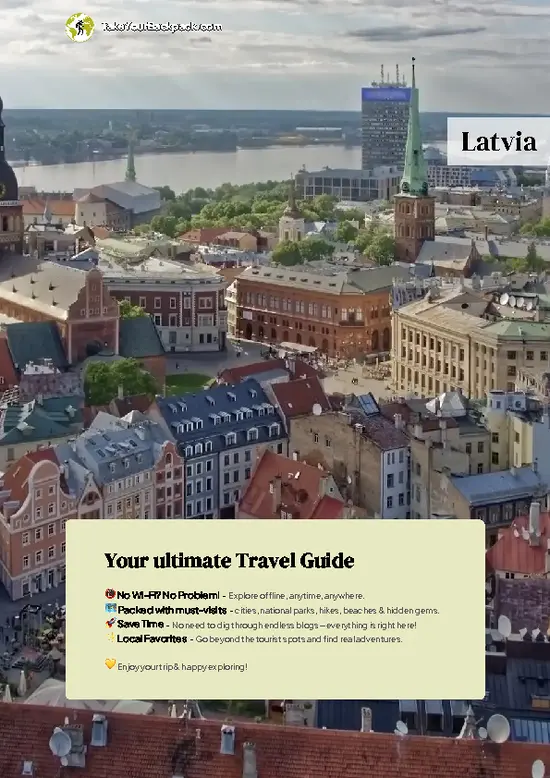
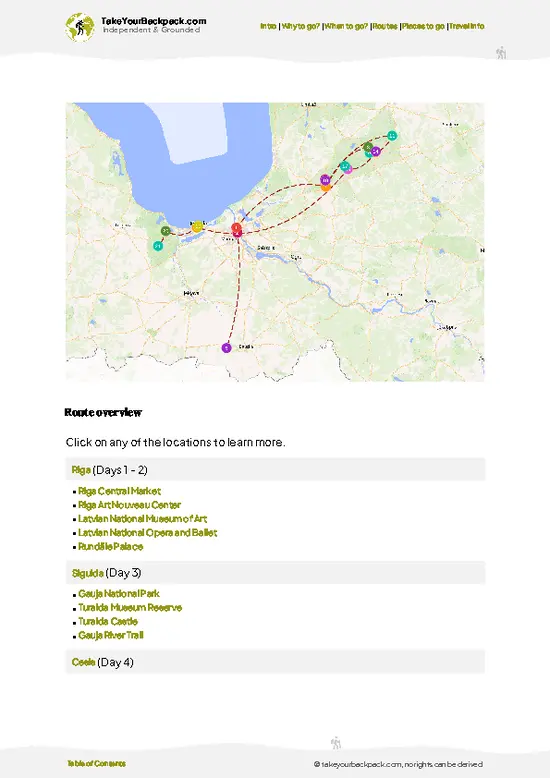
example page 0 from our offline Travel Guide for Latvia
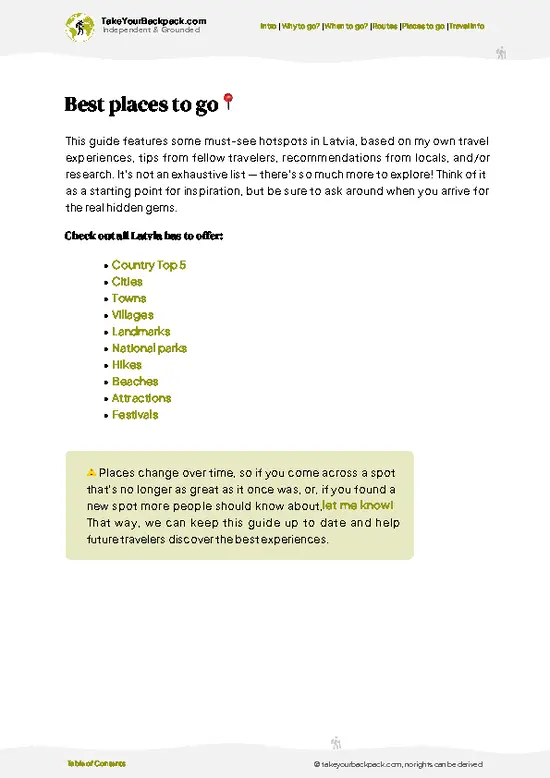
example page 1 from our offline Travel Guide for Latvia
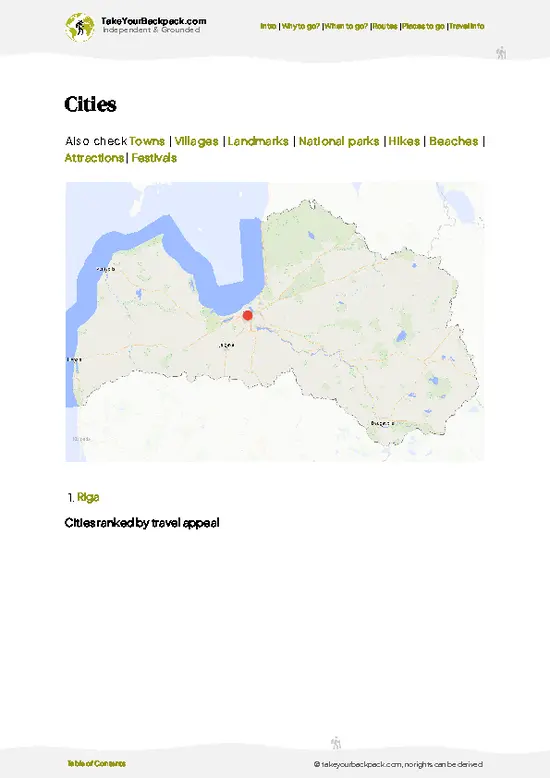
example page 2 from our offline Travel Guide for Latvia
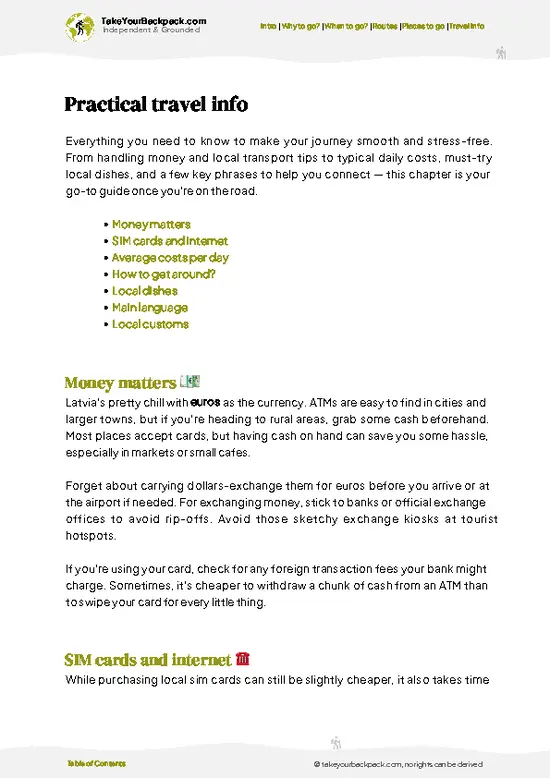
example page 3 from our offline Travel Guide for Latvia
example page 4 from our offline Travel Guide for Latvia
example page 5 from our offline Travel Guide for Latvia
example page 6 from our offline Travel Guide for Latvia
example page 7 from our offline Travel Guide for Latvia
The digital guide (273 pages) contains:
69 highlights, ranked by travel appeal
Optimized 2, 3 & 5-day travel routes
Cities, national parks, landmarks, beaches
How to get around
Offline-friendly for travel without Wi-Fi
👉 Click to see all 30+ guide features

📅 Plan smarter in minutes, not weeks
Month by month travel advice
Festivals & national holidays
Budget expectations

🗺️ Go to the right places, skip the overrated ones
Honest pros & cons of destinations
Top hikes, parks & viewpoints
Lesser-known places most travelers miss
Clear “worth it vs skip it” guidance

🛏️ Travel smoothly without rookie mistakes
Best areas to stay
Transport systems explained simply
Common scams & safety advice
SIM cards, money & practical tips

🌍 Understand the country, not just visit it
Culture & traditions
52 Essential phrases & customs
Festivals worth planning around
Traveler-friendly historical context
Insights that make places more meaningful

📱 Built for real travel conditions
Fully downloadable PDF
Works completely offline
Optimized for phone use
Useful in remote areas & buses
Everything in one place
Save weeks of stressful planning
Get instant access to your full guide. 30‑day money-back guarantee.


By proceeding you agree to our terms.
Sent to your inbox immediately after payment • 100% Secure Checkout
Best Backpacking Travel Advisor 2025 tourism awardBest Backpacking
Travel Advisor
2025
What others say about Take Your Backpack Guides:
⭐⭐⭐⭐⭐
Fantastic, amazing amount of information!
⭐⭐⭐⭐⭐
My goodness this is amazing, it's what I've been looking for hats off too you!
⭐⭐⭐⭐⭐
I think this is absolutely BRILLIANT
⭐⭐⭐⭐
Very complete and informative. It's still missing places, but I gotta to commend you
⭐⭐⭐⭐⭐
This is truly amazing, thank you, can't wait to explore it with my kids!
⭐⭐⭐⭐⭐
Awesome resource, thank you!
⭐⭐⭐⭐⭐
This is amazing! Can't wait to explore the ones I haven't seen
⭐⭐⭐⭐
I love this! Well done, great idea.
⭐⭐⭐⭐⭐
Thanks for taking the time to make this gem!
⭐⭐⭐⭐⭐
This might be the best website I've ever seen.
⭐⭐⭐⭐⭐
Congratulations, and thank you so much for your work; it's incredibly valuable.
⭐⭐⭐⭐
In all seriousness I think you did a great job pointing out the important spots
⭐⭐⭐⭐⭐
10/10 very good
⭐⭐⭐⭐⭐
As someone who's only just starting to visit regularly this is awesome, thank you.
⭐⭐⭐⭐
Thank you very much! I'm going to visit my dad, it's going to be very useful!
⭐⭐⭐⭐⭐
This is really cool! We'll be travelling for the first time and this definitely come in handy.
⭐⭐⭐⭐⭐
You are now our minister of culture, congratulations 👨‍💼
⭐⭐⭐⭐⭐
Just wanted to tell you that this is a pearl! Going to follow your recommendations.
⭐⭐⭐⭐⭐
This is so cool. I'll definitely be using the resource for my travels soon.
⭐⭐⭐⭐⭐
This is very impressive! Good work.
⭐⭐⭐⭐⭐
This is an amazing and informative site. Very well done!

🛏️ Where to stay?How to pick the right area

Gauja National Park offers a range of accommodations that cater to backpackers, from rustic lodges to budget-friendly hostels. Staying inside the park is limited, but you can find a few options that provide a unique experience.

One solid choice is the Cēsis area, just a short drive from the park. This charming town has several hostels and guesthouses, like Cēsis Hostel, which offers dormitory-style rooms and a communal kitchen. It’s a great base for exploring the park’s trails and historical sites.

For a more immersive experience, consider Vaidava, a small village near the park. The Vaidava read more 👉
Gauja National Park offers a range of accommodations that cater to backpackers, from rustic lodges to budget-friendly hostels. Staying inside the park is limited, but you can find a few options that provide a unique experience.

One solid choice is the Cēsis area, just a short drive from the park. This charming town has several hostels and guesthouses, like Cēsis Hostel, which offers dormitory-style rooms and a communal kitchen. It’s a great base for exploring the park’s trails and historical sites.

For a more immersive experience, consider Vaidava, a small village near the park. The Vaidava Guesthouse provides cozy accommodations and easy access to hiking routes. It’s quieter and lets you soak in the local vibe.

If you prefer a more traditional stay, Sigulda is another nearby town with various hotels and hostels. The Sigulda Hostel is popular among backpackers for its affordability and proximity to attractions like the Turaida Castle.

Be mindful of seasonal pricing; summer months can see a spike in rates. Booking in advance can save you from inflated costs. Always check for additional fees, especially for amenities like breakfast or parking. This way, you can focus your budget on the experiences that truly matter.

👛 Costs (as of 7 February 2025)How expensive it really is

Gauja National Park in Latvia is a treasure for nature lovers, but understanding the costs can save you from unexpected surprises.

Entry to the park is generally free, which is a plus. However, if you plan to visit specific attractions within the park, like the Turaida Castle or the Gutmanis Cave, expect to pay entrance fees. Turaida Castle charges around €6, while Gutmanis Cave is about €2.

If you’re considering guided tours, prices can range from €20 to €50 per person, depending on the length and inclusivity of the tour. Renting a bike for exploring the park typically costs around €10 to €15 for a day.

Food options vary. A meal at a local café can set you back €10 to €15. If you’re packing your own food, budget for snacks and drinks, which can add another €5 to €10 to your daily expenses. … read more 👉
Gauja National Park in Latvia is a treasure for nature lovers, but understanding the costs can save you from unexpected surprises.

Entry to the park is generally free, which is a plus. However, if you plan to visit specific attractions within the park, like the Turaida Castle or the Gutmanis Cave, expect to pay entrance fees. Turaida Castle charges around €6, while Gutmanis Cave is about €2.

If you’re considering guided tours, prices can range from €20 to €50 per person, depending on the length and inclusivity of the tour. Renting a bike for exploring the park typically costs around €10 to €15 for a day.

Food options vary. A meal at a local café can set you back €10 to €15. If you’re packing your own food, budget for snacks and drinks, which can add another €5 to €10 to your daily expenses.

Transportation is another factor. If you’re using public transport, a bus ticket from Riga to the park is about €5 each way. If you’re driving, factor in fuel costs and parking fees, which can be around €2 to €5 per day.

In summary, while the park itself is budget-friendly, the costs can add up quickly if you’re not mindful. Plan ahead to keep your energy and budget focused on the experiences that matter most.


source: latvia.travel
⚠️ Prices can change and everyone travels differently, so take this as a rough guide. Hope it helps you plan your adventure!

🥾 TrailsHiking Gauja national park: highlights and difficulty

Gauja National Park is a gem for hikers, offering a mix of stunning landscapes, rich wildlife, and a variety of trails. You’ll find everything from lush forests to dramatic cliffs along the Gauja River, making each hike a bit of an adventure. The terrain can be quite varied—think rolling hills, rocky paths, and some steep sections, so be prepared for a workout. Keep your eyes peeled for deer, foxes, and the occasional eagle soaring overhead.

One of the standout trails is the Gauja River Trail. Here are the details:
  • Length: 30 km
  • Estimated Duration: 8-10 hours
  • Difficulty Level: Moderate
  • Key Features:
read more 👉
Gauja National Park is a gem for hikers, offering a mix of stunning landscapes, rich wildlife, and a variety of trails. You’ll find everything from lush forests to dramatic cliffs along the Gauja River, making each hike a bit of an adventure. The terrain can be quite varied—think rolling hills, rocky paths, and some steep sections, so be prepared for a workout. Keep your eyes peeled for deer, foxes, and the occasional eagle soaring overhead.

One of the standout trails is the Gauja River Trail. Here are the details:
  • Length: 30 km
  • Estimated Duration: 8-10 hours
  • Difficulty Level: Moderate
  • Key Features: Scenic river views, sandstone cliffs, historical sites like Turaida Castle
  • Terrain: Mixed, with some rocky and steep sections

Another good option is the Turaida Castle Trail:
  • Length: 6 km
  • Estimated Duration: 1.5-2 hours
  • Difficulty Level: Easy
  • Key Features: Turaida Castle, beautiful gardens, panoramic views from the castle tower
  • Terrain: Mostly flat with well-marked paths

Getting to the park is pretty straightforward. You can catch a bus or train from Riga, and it’s usually a quick ride—about an hour or so. Just keep in mind that some trails can get a bit busy, especially on weekends during peak season, but you can always find a quieter spot if you venture off the main paths. There’s no entrance fee for the park itself, which is a nice bonus for budget travelers. Just pack some snacks, wear comfy shoes, and enjoy the natural beauty!
⚠️ Hiking info can sometimes be outdated or inaccurate. Before you hit the trail, check the latest conditions with locals. If you do spot anything that's off, I'd love to hear from you, so I can update it for fellow travelers.

🛡️ SafetyTraveler Safety Guide

Gauja National Park is generally welcoming for backpackers, but a few realities can help you navigate it smoothly. Weather can shift quickly, especially in spring and autumn. Be prepared for rain and chilly winds, even if the forecast looks clear. Layer your clothing and pack a waterproof jacket to stay comfortable.

The terrain is mostly manageable, with well-marked trails. However, some sections can be steep or muddy, especially after rain. Good hiking boots are essential for grip and support. Navigation is straightforward, but a map or GPS can save you from unnecessary detours.

Wildlife encounters are rare but possible. If you spot a deer or a wild boar, keep your distance and don’t feed them. They’re more scared of you than you are of them.

Lastly, don’t underestimate the importance … read more 👉
Gauja National Park is generally welcoming for backpackers, but a few realities can help you navigate it smoothly. Weather can shift quickly, especially in spring and autumn. Be prepared for rain and chilly winds, even if the forecast looks clear. Layer your clothing and pack a waterproof jacket to stay comfortable.

The terrain is mostly manageable, with well-marked trails. However, some sections can be steep or muddy, especially after rain. Good hiking boots are essential for grip and support. Navigation is straightforward, but a map or GPS can save you from unnecessary detours.

Wildlife encounters are rare but possible. If you spot a deer or a wild boar, keep your distance and don’t feed them. They’re more scared of you than you are of them.

Lastly, don’t underestimate the importance of timing. Start your hikes early to avoid the crowds and enjoy the tranquility of the park. With these tips in mind, you’ll preserve your energy and budget for the moments that truly matter.

Other Latvian national parks near Gauja

Explore more nearby:


💡 Not sure where to go next?
Create a personalized itinerary for Latvia including Gauja and the places that fit your trip.

Generate my itinerary

👉 Discover all national parks

Or checkout all Latvia has to offer (think cities, towns, villages, national parks, hikes, beaches, festivals)
Country photo of Latvia

We 💚 feedbackSumming up the experience

Gauja National Park is a breath of fresh air, but don’t underestimate its size. You’ll want to plan your hikes wisely; trails can be longer than they appear. The real surprise? The local food scene—try the rye bread and smoked fish at a nearby café. It’s a treat that feels like a warm hug after a day outdoors. Just keep an eye on the weather; it can change quickly, and a sudden downpour can dampen your spirits if you’re unprepared. Enjoy the wild beauty, but stay sharp!

✍️ Help improve this page!
The information on this page is based on in-depth research, insights shared by experienced travelers, and feedback from the local travel community in Latvia. While every effort is made to keep the information accurate and current, conditions can change — so if you spot anything incorrect or outdated, please get in touch.


🙋‍♂️ Give feedback

👋 Meet the founderWho’s Behind Take Your Backpack?

Johan, backpacker and founder of TakeYourBackpackHi, I’m Johan (Netherlands 🇳🇱), the creator of TakeYourBackpack. Over the past decade, I’ve backpacked through 80+ countries across six continents, gaining extensive experience with independent travel, long-term trips, and overland routes.

This site is built on a combination of firsthand travel experience and carefully curated insights from other backpackers. Many guides are based on places I’ve personally visited, while others bring together tips, observations, and practical advice shared by trusted travelers I’ve met along the way.

The goal is to provide realistic, experience-driven guidance — not generic itineraries — so you can explore destinations with better context, clearer expectations, and more confidence.

Get full Latvia guide •
Instant download • 69 highlights • Full Offline guide