v2.webp)
The Grand Staircase and Dome
Forget the art for a second. The museum’s marble staircase and glass dome are a spectacle in their own right—think Belle Époque grandeur with a Baltic twist. The Instagram crowd will jostle for a shot, but here’s the real secret: stand at the top landing, look up, and you’ll catch the light filtering through the stained glass, painting the walls in shifting colors. It’s a rare moment of architectural theater that’s worth the price of admission alone. No filter needed, just patience to dodge the selfie sticks.
Latvian Art from the 19th and 20th Centuries
This is the museum’s backbone. If you want to understand Latvia beyond the clichés, start here. The collection is a crash course in the country’s identity—romantic landscapes, Soviet-era grit, and the kind of raw, … read more 👉
Forget the art for a second. The museum’s marble staircase and glass dome are a spectacle in their own right—think Belle Époque grandeur with a Baltic twist. The Instagram crowd will jostle for a shot, but here’s the real secret: stand at the top landing, look up, and you’ll catch the light filtering through the stained glass, painting the walls in shifting colors. It’s a rare moment of architectural theater that’s worth the price of admission alone. No filter needed, just patience to dodge the selfie sticks.
Latvian Art from the 19th and 20th Centuries
This is the museum’s backbone. If you want to understand Latvia beyond the clichés, start here. The collection is a crash course in the country’s identity—romantic landscapes, Soviet-era grit, and the kind of raw, … read more 👉
The Grand Staircase and Dome
Forget the art for a second. The museum’s marble staircase and glass dome are a spectacle in their own right—think Belle Époque grandeur with a Baltic twist. The Instagram crowd will jostle for a shot, but here’s the real secret: stand at the top landing, look up, and you’ll catch the light filtering through the stained glass, painting the walls in shifting colors. It’s a rare moment of architectural theater that’s worth the price of admission alone. No filter needed, just patience to dodge the selfie sticks.
Latvian Art from the 19th and 20th Centuries
This is the museum’s backbone. If you want to understand Latvia beyond the clichés, start here. The collection is a crash course in the country’s identity—romantic landscapes, Soviet-era grit, and the kind of raw, emotional portraiture that never makes it onto travel brochures. You’ll see names like Vilhelms Purvītis and Jānis Rozentāls, who are household legends in Latvia but criminally underrated abroad. The art is honest, sometimes bleak, sometimes defiantly hopeful. It’s not curated for tourists; it’s curated for truth.
Temporary Exhibitions
Here’s where the museum flexes its creative muscle. The rotating exhibitions are unpredictable—sometimes provocative, sometimes playful, always a window into what’s pulsing through Latvia’s cultural veins right now. You might stumble into avant-garde installations, political commentary, or collaborations with contemporary Baltic artists. These shows are where you’ll find the locals, not just the tour groups. If you want to see Riga’s art scene in motion, this is your ticket.
The Rooftop Terrace
Most visitors never make it up here, which is a shame. The rooftop terrace is Riga’s best-kept secret for a panoramic view of the city’s skyline—red-tiled roofs, church spires, and the slow sprawl of the city beyond. It’s not a bar, it’s not a café, and that’s the point. Bring your own snack, lean on the railing, and watch the city breathe. If you crave a moment of quiet above the crowds, this is your sanctuary.
The Basement Vaults
Downstairs, the mood flips. The museum’s basement vaults are a time capsule—arched brick ceilings, moody lighting, and a sense of history that’s almost cinematic. These spaces often host experimental exhibitions or installations that play with sound, shadow, and space. It’s the museum’s wildcard: sometimes eerie, sometimes electrifying, always memorable. If you’re tired of the polished galleries upstairs, the vaults will jolt you awake.
Art Nouveau Architecture
The building itself is a work of art. Designed by Wilhelm Neumann in 1905, it’s a prime example of Riga’s obsession with Art Nouveau—ornate facades, sculpted details, and a sense of drama that’s more theater than museum. Walk the exterior, run your fingers along the stonework, and you’ll see why architecture buffs make pilgrimages here. This isn’t just a container for art; it’s a masterpiece that frames everything inside.
Forget the art for a second. The museum’s marble staircase and glass dome are a spectacle in their own right—think Belle Époque grandeur with a Baltic twist. The Instagram crowd will jostle for a shot, but here’s the real secret: stand at the top landing, look up, and you’ll catch the light filtering through the stained glass, painting the walls in shifting colors. It’s a rare moment of architectural theater that’s worth the price of admission alone. No filter needed, just patience to dodge the selfie sticks.
Latvian Art from the 19th and 20th Centuries
This is the museum’s backbone. If you want to understand Latvia beyond the clichés, start here. The collection is a crash course in the country’s identity—romantic landscapes, Soviet-era grit, and the kind of raw, emotional portraiture that never makes it onto travel brochures. You’ll see names like Vilhelms Purvītis and Jānis Rozentāls, who are household legends in Latvia but criminally underrated abroad. The art is honest, sometimes bleak, sometimes defiantly hopeful. It’s not curated for tourists; it’s curated for truth.
Temporary Exhibitions
Here’s where the museum flexes its creative muscle. The rotating exhibitions are unpredictable—sometimes provocative, sometimes playful, always a window into what’s pulsing through Latvia’s cultural veins right now. You might stumble into avant-garde installations, political commentary, or collaborations with contemporary Baltic artists. These shows are where you’ll find the locals, not just the tour groups. If you want to see Riga’s art scene in motion, this is your ticket.
The Rooftop Terrace
Most visitors never make it up here, which is a shame. The rooftop terrace is Riga’s best-kept secret for a panoramic view of the city’s skyline—red-tiled roofs, church spires, and the slow sprawl of the city beyond. It’s not a bar, it’s not a café, and that’s the point. Bring your own snack, lean on the railing, and watch the city breathe. If you crave a moment of quiet above the crowds, this is your sanctuary.
The Basement Vaults
Downstairs, the mood flips. The museum’s basement vaults are a time capsule—arched brick ceilings, moody lighting, and a sense of history that’s almost cinematic. These spaces often host experimental exhibitions or installations that play with sound, shadow, and space. It’s the museum’s wildcard: sometimes eerie, sometimes electrifying, always memorable. If you’re tired of the polished galleries upstairs, the vaults will jolt you awake.
Art Nouveau Architecture
The building itself is a work of art. Designed by Wilhelm Neumann in 1905, it’s a prime example of Riga’s obsession with Art Nouveau—ornate facades, sculpted details, and a sense of drama that’s more theater than museum. Walk the exterior, run your fingers along the stonework, and you’ll see why architecture buffs make pilgrimages here. This isn’t just a container for art; it’s a masterpiece that frames everything inside.
Spotted a mistake or missing something? Contact us.

Riga Sightseeing Tour by Canal Boat with Audioguide
✓ Free cancellation

The best of Riga segway tour
✓ Free cancellation

Riga Private Photoshoot Tour
✓ Free cancellation

Kayaking Adventure in Riga
✓ Free cancellation

Old Town Walking Tour of Riga
✓ Free cancellation

Riga: Historic Canal Boat Tour with Audio Guide
✓ Free cancellation

Riga Art Nouveau walking tour
✓ Free cancellation

Riga Combo: Boat Tour & Old Town Electrobus Tour with Audio Guide
✓ Free cancellation

Old Town And Art Nouveau Walking Tour Of Riga
✓ Free cancellation

Riga City Canal & Daugava River Premium Boat Tour with Audioguide
✓ Free cancellation



 Best Backpacking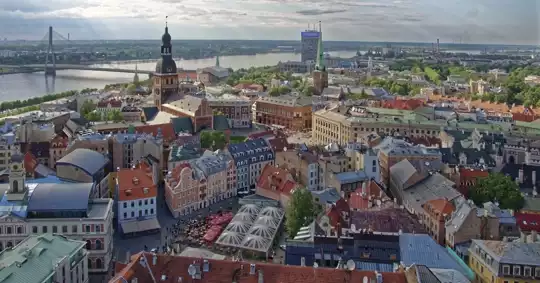
.jpg) Hi, I’m Johan (Netherlands 🇳🇱), the creator of TakeYourBackpack. Over the past decade, I’ve backpacked through 80+ countries across six continents, gaining extensive experience with independent travel, long-term trips, and overland routes.
Hi, I’m Johan (Netherlands 🇳🇱), the creator of TakeYourBackpack. Over the past decade, I’ve backpacked through 80+ countries across six continents, gaining extensive experience with independent travel, long-term trips, and overland routes.