v2.webp)
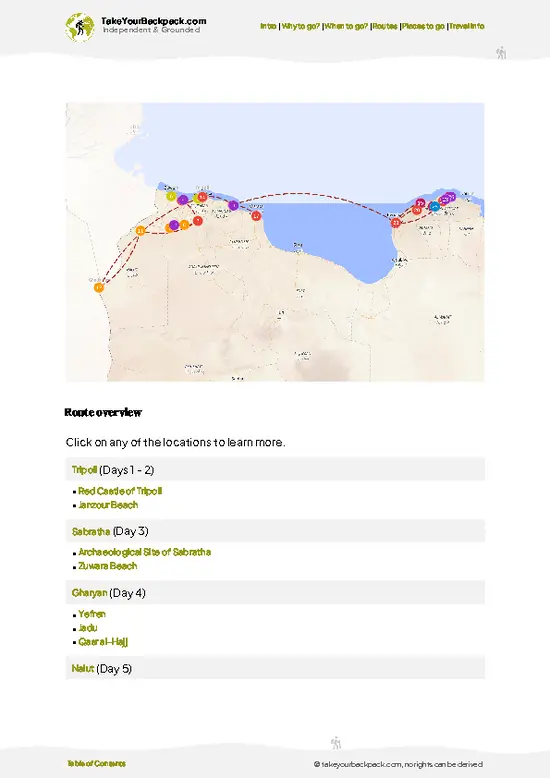
- Taj Old Town: the mud-brick quarter where the Senussi leadership settled in the 1890s, with a ruined zawiya and tangled lanes that make the order’s retreat into the desert easy to picture.
- Al-Jawf Date Palm Groves and Market: the town’s green core, where dates, flatbread and basic supplies change hands in the shade, and a good place to talk to drivers.
- Kufra Agricultural Project Circles: huge round fields of irrigated crops pressed into the sand, odd and striking up close, fed by fossil groundwater.
- Rebiana Sand Sea: tall dunes southwest of the main settlement, best crossed with an experienced 4x4 driver and camped in overnight.
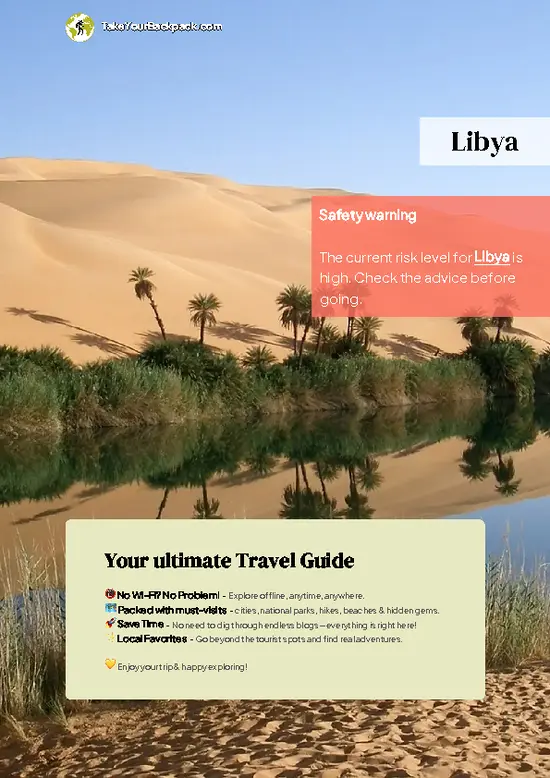
- Rebiana Oasis: a small village with salt flats and palms on the edge of the dunes, quiet and rarely visited, a lesser-known stop locals still value for its date harvest.
- Taj Old Town: the mud-brick quarter where the Senussi leadership settled in the 1890s, with a ruined zawiya and tangled lanes that make the order’s retreat into the desert easy to picture.
- Al-Jawf Date Palm Groves and Market: the town’s green core, where dates, flatbread and basic supplies change hands in the shade, and a good place to talk to drivers.
- Kufra Agricultural Project Circles: huge round fields of irrigated crops pressed into the sand, odd and striking up close, fed by fossil groundwater.
- Rebiana Sand Sea: tall dunes southwest of the main settlement, best crossed with an experienced 4x4 driver and camped in overnight.
- Rebiana Oasis: a small village with salt flats and palms on the edge of the dunes, quiet and rarely visited, a lesser-known stop locals still value for its date harvest.
- Buzeima Oasis: a modest palm settlement to the north with wells and a calm, farming feel, far from any tourist routine.
- Jebel Arkenu: a granite massif rising abruptly from the plain, with ring-shaped formations and wadis cut by rare floods.
- Jebel Uweinat: a sandstone mountain on the border, known for prehistoric rock paintings of cattle and people in its sheltered canyons.
- Tazirbu Oasis: a palm-ringed oasis with salt lakes to the north, where date groves and old walled quarters sit well off any standard route.
Spotted a mistake or missing something? Contact us.

 Best Backpacking
.jpg) Hi, I’m Johan (Netherlands 🇳🇱), the creator of TakeYourBackpack. Over the past 3 decades, I’ve backpacked through 90+ countries across six continents, gaining extensive experience with independent travel, long-term trips, and overland routes.
Hi, I’m Johan (Netherlands 🇳🇱), the creator of TakeYourBackpack. Over the past 3 decades, I’ve backpacked through 90+ countries across six continents, gaining extensive experience with independent travel, long-term trips, and overland routes.