v2.webp)

The World’s Largest Devil Collection
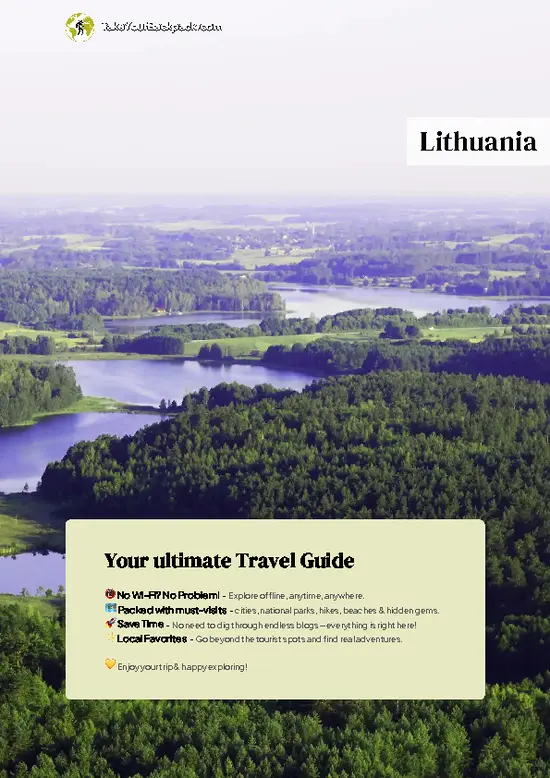
Let’s get the obvious out of the way: you’re here for the devils. Not a handful—over 3,000 of them, crammed into glass cases, perched on shelves, and lurking in corners. Forget the Instagram myth of a single “creepy room.” This is a fever dream of folk art, political satire, and global superstition. Lithuanian woodcarvings grin next to Japanese oni masks, Mexican diablos, and Soviet-era caricatures. It’s a riot of horns, hooves, and sly humor. The sheer volume is overwhelming, but that’s the point: it’s a museum that laughs at its own excess.
The Satirical Soviet Devils
This isn’t just a parade of pitchforks. The museum’s founder, Antanas Žmuidzinavičius, started collecting devils as a tongue-in-cheek jab at authority. The Soviet-era pieces are the sharpest: … read more 👉
Let’s get the obvious out of the way: you’re here for the devils. Not a handful—over 3,000 of them, crammed into glass cases, perched on shelves, and lurking in corners. Forget the Instagram myth of a single “creepy room.” This is a fever dream of folk art, political satire, and global superstition. Lithuanian woodcarvings grin next to Japanese oni masks, Mexican diablos, and Soviet-era caricatures. It’s a riot of horns, hooves, and sly humor. The sheer volume is overwhelming, but that’s the point: it’s a museum that laughs at its own excess.
The Satirical Soviet Devils
This isn’t just a parade of pitchforks. The museum’s founder, Antanas Žmuidzinavičius, started collecting devils as a tongue-in-cheek jab at authority. The Soviet-era pieces are the sharpest: … read more 👉
The World’s Largest Devil Collection
Let’s get the obvious out of the way: you’re here for the devils. Not a handful—over 3,000 of them, crammed into glass cases, perched on shelves, and lurking in corners. Forget the Instagram myth of a single “creepy room.” This is a fever dream of folk art, political satire, and global superstition. Lithuanian woodcarvings grin next to Japanese oni masks, Mexican diablos, and Soviet-era caricatures. It’s a riot of horns, hooves, and sly humor. The sheer volume is overwhelming, but that’s the point: it’s a museum that laughs at its own excess.
The Satirical Soviet Devils
This isn’t just a parade of pitchforks. The museum’s founder, Antanas Žmuidzinavičius, started collecting devils as a tongue-in-cheek jab at authority. The Soviet-era pieces are the sharpest: Stalin and Lenin as devils, bureaucrats with forked tongues, and propaganda twisted into folk art. It’s subversive, clever, and a crash course in how Lithuanians used humor to survive oppression. If you want to understand Baltic resilience, linger here.
The “Wish Devil” Ritual
Here’s where the Instagrammers miss the real magic. In a quiet corner, you’ll find a small, battered devil statue with a bowl for coins. Locals (and in-the-know travelers) whisper wishes to it, leaving a coin for luck. It’s not a tourist trap—this is a living tradition, a wink at the old pagan roots that run deep in Lithuania. Try it. The ritual is simple, a little mischievous, and oddly moving.
Folk Art That’s Actually Fun
Most folk art museums are a slog. Not here. The Devil’s Museum is a masterclass in irreverence. The Lithuanian devils are carved with wild, exaggerated features—bulging eyes, toothy grins, and a sense of mischief that’s contagious. You’ll find devils as bottle openers, chess pieces, and even musical instruments. It’s folk art with a pulse, and it’s impossible not to smile.
The Global Devil Diaspora
This isn’t just a Lithuanian oddity. The collection sprawls across continents: African trickster figures, French fauns, Indian rakshasas. Each devil tells a story about what scares us, what makes us laugh, and how every culture needs a scapegoat. The museum doesn’t just show you devils—it shows you humanity’s wild imagination, in all its weird, wonderful forms.
The Devil’s Postcards and Ephemera
Tucked away from the main displays, you’ll find a wall of devil-themed postcards, stamps, and kitsch. It’s a time capsule of how the devil has been used to sell everything from cigarettes to chocolate. This is where the museum’s sense of humor really shines—proof that even the darkest symbols can be turned into a punchline.
Let’s get the obvious out of the way: you’re here for the devils. Not a handful—over 3,000 of them, crammed into glass cases, perched on shelves, and lurking in corners. Forget the Instagram myth of a single “creepy room.” This is a fever dream of folk art, political satire, and global superstition. Lithuanian woodcarvings grin next to Japanese oni masks, Mexican diablos, and Soviet-era caricatures. It’s a riot of horns, hooves, and sly humor. The sheer volume is overwhelming, but that’s the point: it’s a museum that laughs at its own excess.
The Satirical Soviet Devils
This isn’t just a parade of pitchforks. The museum’s founder, Antanas Žmuidzinavičius, started collecting devils as a tongue-in-cheek jab at authority. The Soviet-era pieces are the sharpest: Stalin and Lenin as devils, bureaucrats with forked tongues, and propaganda twisted into folk art. It’s subversive, clever, and a crash course in how Lithuanians used humor to survive oppression. If you want to understand Baltic resilience, linger here.
The “Wish Devil” Ritual
Here’s where the Instagrammers miss the real magic. In a quiet corner, you’ll find a small, battered devil statue with a bowl for coins. Locals (and in-the-know travelers) whisper wishes to it, leaving a coin for luck. It’s not a tourist trap—this is a living tradition, a wink at the old pagan roots that run deep in Lithuania. Try it. The ritual is simple, a little mischievous, and oddly moving.
Folk Art That’s Actually Fun
Most folk art museums are a slog. Not here. The Devil’s Museum is a masterclass in irreverence. The Lithuanian devils are carved with wild, exaggerated features—bulging eyes, toothy grins, and a sense of mischief that’s contagious. You’ll find devils as bottle openers, chess pieces, and even musical instruments. It’s folk art with a pulse, and it’s impossible not to smile.
The Global Devil Diaspora
This isn’t just a Lithuanian oddity. The collection sprawls across continents: African trickster figures, French fauns, Indian rakshasas. Each devil tells a story about what scares us, what makes us laugh, and how every culture needs a scapegoat. The museum doesn’t just show you devils—it shows you humanity’s wild imagination, in all its weird, wonderful forms.
The Devil’s Postcards and Ephemera
Tucked away from the main displays, you’ll find a wall of devil-themed postcards, stamps, and kitsch. It’s a time capsule of how the devil has been used to sell everything from cigarettes to chocolate. This is where the museum’s sense of humor really shines—proof that even the darkest symbols can be turned into a punchline.
Spotted a mistake or missing something? Contact us.

Kaunas Old Town tour + IX Fort Museum (BONUS)

Best of Kaunas: A Modernism and Medieval History Self Guided tour

Private Custom Walking Tour with a Local Guide in Kaunas

Private Kaunas Tour Rumsiskes Museum and Pazaislis Monastery

Kaunas Old Town : Private Ghost Tour

Tour from Kaunas to Riga via The Hill of Crosses, Rundale, Bauska

Kaunas Ninth Fort Museum

Quad Bike Safari Adventure Near Vilnius

Recreational Tour in Kaunas - The City of Freedom


 Best Backpacking
.jpg) Hi, I’m Johan (Netherlands 🇳🇱), the creator of TakeYourBackpack. Over the past 3 decades, I’ve backpacked through 90+ countries across six continents, gaining extensive experience with independent travel, long-term trips, and overland routes.
Hi, I’m Johan (Netherlands 🇳🇱), the creator of TakeYourBackpack. Over the past 3 decades, I’ve backpacked through 90+ countries across six continents, gaining extensive experience with independent travel, long-term trips, and overland routes.