v2.webp)
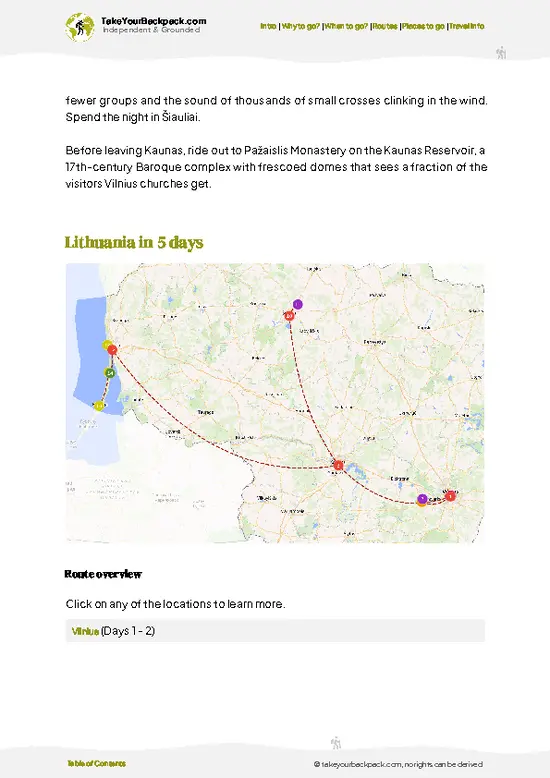
- Plungė (Oginskiai) Manor and Ensemble — The town’s signature site: a noble manor complex with parkland, restored buildings and museum displays that tell the story of the Oginski family and local life. It’s where history, big trees and occasional open-air concerts meet.
- Plungė Manor Park (Dvaro parkas) — A wide, walkable green space attached to the manor: alleys, ponds and old specimen trees. Great for a lazy stroll, birdwatching or a picnic under century-old oaks.
- Plungė Local History Museum (Plungės kraštotyros muziejus) — Small but well-focused exhibits on Samogitian everyday life, local crafts and the town’s past. Good for getting context before exploring the streets and manor.
- St. John the Baptist Church (Plungės parapija) — The town’s main Catholic church; notable for its role in
- Plungė (Oginskiai) Manor and Ensemble — The town’s signature site: a noble manor complex with parkland, restored buildings and museum displays that tell the story of the Oginski family and local life. It’s where history, big trees and occasional open-air concerts meet.
- Plungė Manor Park (Dvaro parkas) — A wide, walkable green space attached to the manor: alleys, ponds and old specimen trees. Great for a lazy stroll, birdwatching or a picnic under century-old oaks.
- Plungė Local History Museum (Plungės kraštotyros muziejus) — Small but well-focused exhibits on Samogitian everyday life, local crafts and the town’s past. Good for getting context before exploring the streets and manor.
- St. John the Baptist Church (Plungės parapija) — The town’s main Catholic church; notable for its role in local community life and its interior details. Attending a service or stepping inside for a look gives a sense of living tradition in Plungė.
- Old Town and Market Square — The compact historic centre where you’ll find local shops, cafés and market stalls. Walking here gives a real feel for modern Plungė layered on top of older streets and buildings.
- Plungė Jewish cemetery and memorial sites — Important, solemn places of remembrance for the once-vibrant Jewish community of Plungė and the lives lost during WWII. Visiting is a respectful way to engage with the town’s fuller history.
- Plungė Cultural Centre (Plungės kultūros centras) — The town’s hub for concerts, theatre and community events. Check the schedule: you can often catch folk performances, exhibitions or local festivals here.
- Town Pond and Riverside Walks (Plungės tvenkinys / upės pakrantės) — A relaxed urban green/blue space popular with locals for short walks, informal fishing and watching sunsets. Handy for a low-effort nature break without leaving town.
- Historic Wooden Architecture and Alleyways — Scattered through Plungė are well-preserved wooden homes and narrow lanes that show traditional Samogitian town building styles. Good for slow wandering and photography.
- Local Markets and Food Stalls — Not a single monument, but the town’s food market and neighborhood vendors are where you’ll taste regional cheeses, breads and smoked fish — very much part of Plungė’s living culture.
Spotted a mistake or missing something? Contact us.
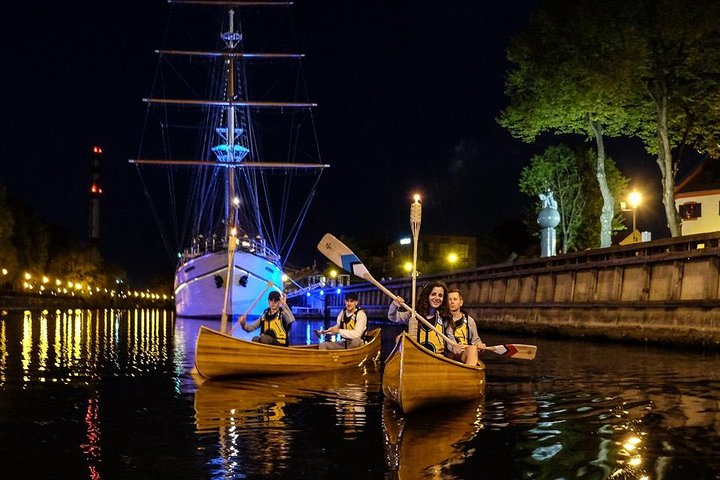
Night Canoe City Tour in Klaipeda

Historical Klaipeda Old Town -search for the lost City of Memel

Private Curonian Spit (Neringa) Tour from Klaipeda – Nida & Dunes

Premium canoe tour at Curonian spit National Park (from Klaipeda)

Cedar canoe tour in Klaipeda - ideal for Cruise Ship travelers.

BIRDWATCH - Premium guided canoe tour at Cape Vente, Nemunas Delta Regional Park

Wild Beach single handed Blokart Safari

Cruise Friendly Klaipeda Tour
Curonian Spit (Neringa) Day Trip from Klaipeda – Small Group Tour


 Best Backpacking
.jpg) Hi, I’m Johan (Netherlands 🇳🇱), the creator of TakeYourBackpack. Over the past 3 decades, I’ve backpacked through 90+ countries across six continents, gaining extensive experience with independent travel, long-term trips, and overland routes.
Hi, I’m Johan (Netherlands 🇳🇱), the creator of TakeYourBackpack. Over the past 3 decades, I’ve backpacked through 90+ countries across six continents, gaining extensive experience with independent travel, long-term trips, and overland routes.