×

Macau🇲🇴 | festivalsMacao Food Festivalstreet stalls, fusion cuisine, tasting booths | things to do and best time to go

Explore Macao Arts FestivalExplore Macao International Fireworks Display Contest

Backpacking in Macao Food
🏆 Top pickfestival ranked #2
By Johan Kruseman 🇳🇱 | Updated October 15, 2026

Ten years ago the Macao Food Festival felt scrappy and local: plastic stools, aunties yelling orders, smoky grills, and you elbow-to-elbow with Macanese families. Today it’s bigger, louder, more organized, and more commercial, but still a fun calorie marathon if you play it right. The festival sets up at Sai Van Lake Square, near the Macau Tower on the Macau Peninsula, so you’re not trekking to the edges of nowhere. Expect pop music, C-pop and K-pop covers, occasional live bands, and a carnival theme with rides and game stalls. The crowd skews local families, students, and mainland tour groups, with backpackers sprinkled in. It usually runs for a few weeks in November, evenings only, and the vibe is busy, bright, and slightly chaotic. Go if you want a fast, dense hit of Macanese and regional Asian street food in one place, not a quiet, “authentic” alleyway discovery.

Discover everything you want to know in the 📖 Macau Travel Guide.


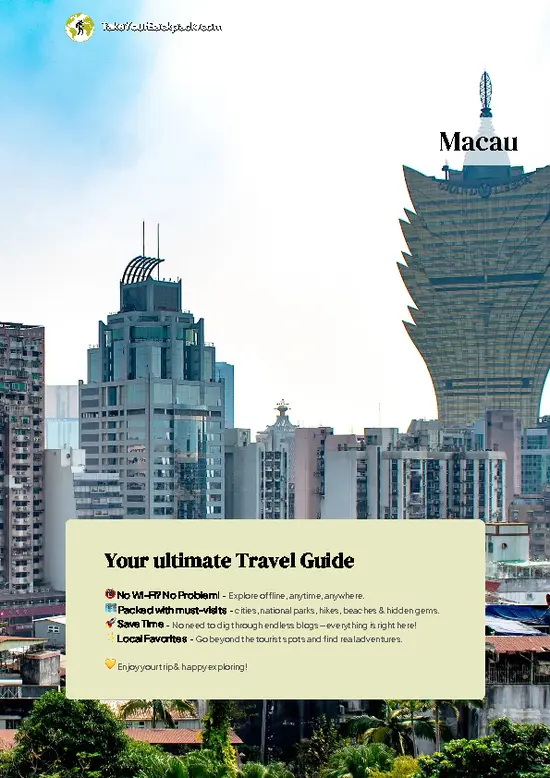
example page 0 from our offline Travel Guide for Macau
example page 1 from our offline Travel Guide for Macau
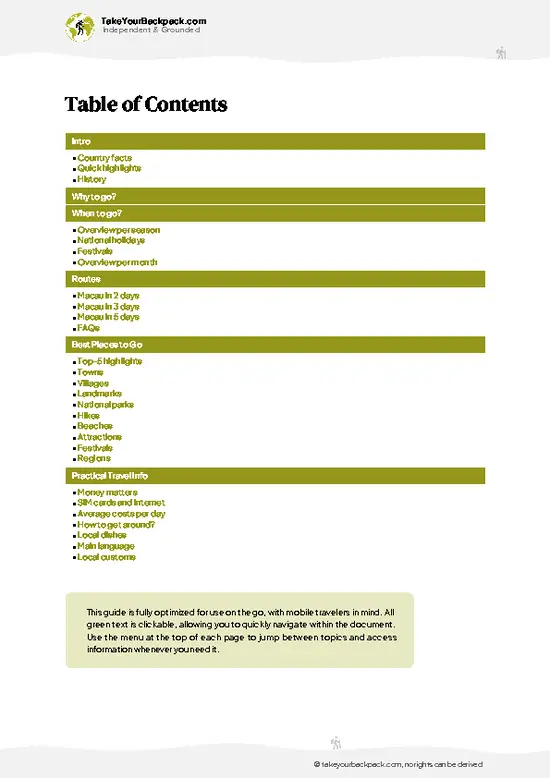
example page 2 from our offline Travel Guide for Macau
example page 3 from our offline Travel Guide for Macau
example page 4 from our offline Travel Guide for Macau
example page 5 from our offline Travel Guide for Macau
example page 6 from our offline Travel Guide for Macau
example page 7 from our offline Travel Guide for Macau
Loading the map 🌍
CLICK TO FILTER
towns
villages
landmarks
national parks
hikes
beaches
attractions
festivals
regions
SHOW COUNTRY’S BESTSHOW ALL

✨ Why go?
Ranked #2 festival in Macau
Why visitors keep coming back

Backpackers flock to the Macao Food Festival for a taste of social energy that’s hard to find elsewhere. This isn’t just about food; it’s about temporary community. You’ll mingle with locals and fellow travelers, sharing bites and stories, creating connections that last beyond the festival.

The festival is a cultural immersion experience, showcasing Macanese cuisine that blends Portuguese and Chinese flavors. You’ll savor dishes that tell a story, all while surrounded by vibrant stalls and live performances. It’s a feast for the senses, and the best part? It’s surprisingly affordable compared to similar events around the globe.

Planning your route around this festival can elevate your entire trip. It fits seamlessly into longer travel plans, allowing you to explore the unique neighborhoods … read more 👉
Backpackers flock to the Macao Food Festival for a taste of social energy that’s hard to find elsewhere. This isn’t just about food; it’s about temporary community. You’ll mingle with locals and fellow travelers, sharing bites and stories, creating connections that last beyond the festival.

The festival is a cultural immersion experience, showcasing Macanese cuisine that blends Portuguese and Chinese flavors. You’ll savor dishes that tell a story, all while surrounded by vibrant stalls and live performances. It’s a feast for the senses, and the best part? It’s surprisingly affordable compared to similar events around the globe.

Planning your route around this festival can elevate your entire trip. It fits seamlessly into longer travel plans, allowing you to explore the unique neighborhoods of Macau before and after the festivities. You’ll discover hidden corners and local haunts, fueling your journey with authentic experiences.

Avoid the gotchas of overpriced tourist traps by diving into this festival. Preserve your energy and budget for the moments that truly matter—like sharing a plate of pork chop buns with new friends. This festival isn’t just a stop; it’s a highlight that transforms your adventure.

💡 HighlightsPlaces and moments you shouldn't skip

  1. Macanese fusion classics — The festival is the best place to taste Macao’s signature mix of Portuguese, Cantonese and Southeast Asian flavors in one go: think savory African-style stews, egg tarts with a local twist, and pork dishes that show the colony-era influence. It’s a living-food-history lesson that you can eat your way through — ideal for sampling stuff you won’t find exactly the same anywhere else.
  2. Street-food alleys and bite-sized tasting stalls — Rows of small vendors offering sample portions let you try more dishes for less money, which is perfect if you’re on a budget or traveling with friends. Portion sizes are made for sharing, so you can graze your way through dumplings, skewers, seafood snacks and desserts without committing to one big meal.
  3. Regional and international
… read more 👉
  1. Macanese fusion classics — The festival is the best place to taste Macao’s signature mix of Portuguese, Cantonese and Southeast Asian flavors in one go: think savory African-style stews, egg tarts with a local twist, and pork dishes that show the colony-era influence. It’s a living-food-history lesson that you can eat your way through — ideal for sampling stuff you won’t find exactly the same anywhere else.
  2. Street-food alleys and bite-sized tasting stalls — Rows of small vendors offering sample portions let you try more dishes for less money, which is perfect if you’re on a budget or traveling with friends. Portion sizes are made for sharing, so you can graze your way through dumplings, skewers, seafood snacks and desserts without committing to one big meal.
  3. Regional and international pavilions — Rather than only local food, the festival gathers stalls representing Chinese provinces, Lusophone cuisines and nearby Asian flavors, so you can hop from a Sichuan spice hit to Portuguese-influenced seafood to Southeast Asian street snacks within a few minutes. It’s a compact world tour of flavor under one roof/sky.
  4. Live cooking demos and hands-on workshops — Chefs and local cooks put food on stage: watch quick demos of classic dishes, pick up tricks for household recipes, or join short workshops where you actually roll, dip or plate something yourself. It’s a chance to learn a couple of usable tips and leave with more than just a full stomach.
  5. Nighttime festival vibe — music, lights and community tables — After dusk the place turns lively: music and cultural performances, colorful stalls, long communal tables and alfresco seating create a sociable, party-ish atmosphere. It’s as much about hanging out with friends and meeting other food lovers as it is about the plates — great for low-key people-watching and late-night snacking.
Spotted a mistake or missing something? Contact us.

Things to do around Macao Food Festival

Ratings based on Tripadvisor reviews. When you book through this link, you support our work at no extra cost to you.

🌤️ When to go?When is the celebration of Macao Food Festival?

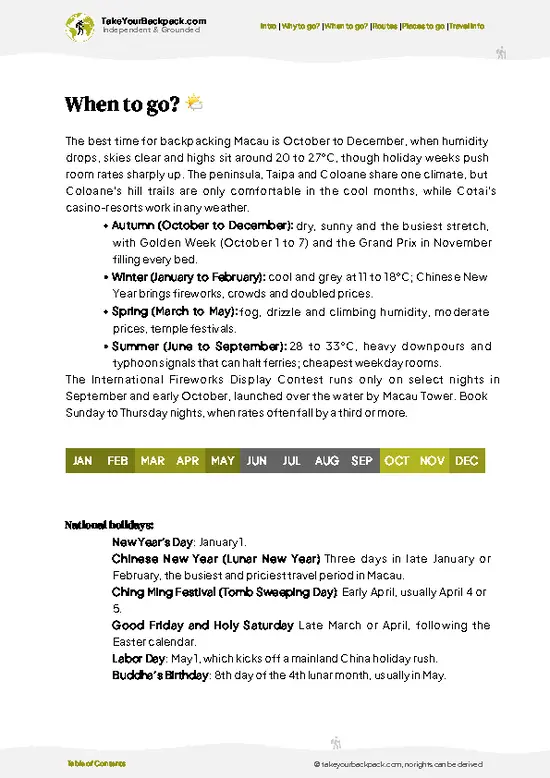
  • Topic: Weather - Macau’s subtropical climate means summers (June to August) hit highs around 32-35°C (90-95°F) with sticky humidity that can drain your energy fast. Winters (December to February) are mild and dry, hovering around 15-18°C (59-64°F), perfect for wandering food stalls without overheating or shivering.
  • Topic: Temperature - Aim for the shoulder seasons, spring (March to May) or autumn (September to November), when temperatures settle between 20-25°C (68-77°F). This range keeps you comfortable while you sample street eats without sweating through your backpack.
  • Topic: Daylight Hours - Macau enjoys roughly 11-13 hours of daylight during festival season, enough time to explore multiple food zones and catch evening shows without rushing. Longer days in spring and autumn maximize
… read more 👉
  • Topic: Weather - Macau’s subtropical climate means summers (June to August) hit highs around 32-35°C (90-95°F) with sticky humidity that can drain your energy fast. Winters (December to February) are mild and dry, hovering around 15-18°C (59-64°F), perfect for wandering food stalls without overheating or shivering.
  • Topic: Temperature - Aim for the shoulder seasons, spring (March to May) or autumn (September to November), when temperatures settle between 20-25°C (68-77°F). This range keeps you comfortable while you sample street eats without sweating through your backpack.
  • Topic: Daylight Hours - Macau enjoys roughly 11-13 hours of daylight during festival season, enough time to explore multiple food zones and catch evening shows without rushing. Longer days in spring and autumn maximize your eating and exploring window.
  • Topic: Crowds - The festival draws locals and tourists alike, but weekends and public holidays pack the streets. Visiting on weekdays or early in the festival’s run means shorter lines and more relaxed vibes, letting you savor bites instead of battling crowds.
  • Topic: Seasonal Activities - The festival often aligns with local holidays or cultural events, adding layers of entertainment beyond food. Timing your visit to coincide with these boosts the experience but expect higher prices and busier scenes.
  • Topic: Price Fluctuations - Accommodation and flights spike during peak festival days and weekends. Booking early or targeting weekdays can save you serious cash, leaving more budget for the food stalls that matter.
Pro-tip: Lock in your visit during the festival’s early weekdays in spring or autumn—cool temps, manageable crowds, and wallet-friendly rates keep your energy high and your taste buds happy.


source: climatestotravel.comJANJanuary: not recommended for travelingFEBFebruary: not recommended for travelingMARMarch: excellent for travelingAPRApril: not recommended for travelingMAYMay: not recommended for travelingJUNJune: not recommended for travelingJULJuly: not recommended for travelingAUGAugust: not recommended for travelingSEPSeptember: not recommended for travelingOCTOctober: not recommended for travelingNOVNovember: not recommended for travelingDECDecember: not recommended for traveling

✈️ The backpacker research shortcutMacau Travel Guide

An offline-friendly backpacking guide with optimized travel routes, ranked highlights, transport advice, and the best areas to stay.
example page 0 from our offline Travel Guide for Macau
example page 1 from our offline Travel Guide for Macau
example page 2 from our offline Travel Guide for Macau
example page 3 from our offline Travel Guide for Macau
example page 4 from our offline Travel Guide for Macau
example page 5 from our offline Travel Guide for Macau
example page 6 from our offline Travel Guide for Macau
example page 7 from our offline Travel Guide for Macau
The digital guide (126 pages) contains:
✅ 33 highlights, ranked by travel appeal
✅ Optimized 2, 3 & 5-day travel routes
✅ Cities, national parks, landmarks, beaches
✅ How to get around
✅ Offline-friendly for travel without Wi-Fi
👉 Click to see all 30+ guide features

📅 Plan smarter in minutes, not weeks
✅ Month by month travel advice
✅ Festivals & national holidays
✅ Budget expectations

🗺️ Go to the right places, skip the overrated ones
✅ Honest pros & cons of destinations
✅ Top hikes, parks & viewpoints
✅ Lesser-known places most travelers miss
✅ Clear “worth it vs skip it” guidance

🛏️ Travel smoothly without rookie mistakes
✅ Best areas to stay
✅ Transport systems explained simply
✅ Common scams & safety advice
✅ SIM cards, money & practical tips

🌍 Understand the country, not just visit it
✅ Culture & traditions
✅ 52 Essential phrases & customs
✅ Festivals worth planning around
✅ Traveler-friendly historical context
✅ Insights that make places more meaningful

📱 Built for real travel conditions
✅ Fully downloadable PDF
✅ Works completely offline
✅ Optimized for phone use
✅ Useful in remote areas & buses
✅ Everything in one place
Stop searching, start planning
Get instant access to your full guide. 30‑day money-back guarantee.
+ Add another guide for just

By proceeding you agree to our terms.
Sent to your inbox immediately after payment • 100% Secure Checkout
Best Backpacking Travel Advisor 2025 tourism awardBest Backpacking
Travel Advisor
2025
What others say about Take Your Backpack Guides:
⭐⭐⭐⭐⭐
Fantastic, amazing amount of information!
⭐⭐⭐⭐⭐
My goodness this is amazing, it's what I've been looking for hats off too you!
⭐⭐⭐⭐⭐
I think this is absolutely BRILLIANT
⭐⭐⭐⭐
Very complete and informative. It's still missing places, but I gotta to commend you
⭐⭐⭐⭐⭐
This is truly amazing, thank you, can't wait to explore it with my kids!
⭐⭐⭐⭐⭐
Awesome resource, thank you!
⭐⭐⭐⭐⭐
This is amazing! Can't wait to explore the ones I haven't seen
⭐⭐⭐⭐
I love this! Well done, great idea.
⭐⭐⭐⭐⭐
Thanks for taking the time to make this gem!
⭐⭐⭐⭐⭐
This might be the best website I've ever seen.
⭐⭐⭐⭐⭐
Congratulations, and thank you so much for your work; it's incredibly valuable.
⭐⭐⭐⭐
In all seriousness I think you did a great job pointing out the important spots
⭐⭐⭐⭐⭐
10/10 very good
⭐⭐⭐⭐⭐
As someone who's only just starting to visit regularly this is awesome, thank you.
⭐⭐⭐⭐
Thank you very much! I'm going to visit my dad, it's going to be very useful!
⭐⭐⭐⭐⭐
This is really cool! We'll be travelling for the first time and this definitely come in handy.
⭐⭐⭐⭐⭐
You are now our minister of culture, congratulations 👨‍💼
⭐⭐⭐⭐⭐
Just wanted to tell you that this is a pearl! Going to follow your recommendations.
⭐⭐⭐⭐⭐
This is so cool. I'll definitely be using the resource for my travels soon.
⭐⭐⭐⭐⭐
This is very impressive! Good work.
⭐⭐⭐⭐⭐
This is an amazing and informative site. Very well done!

🛏️ Where to stay?How to pick the right area

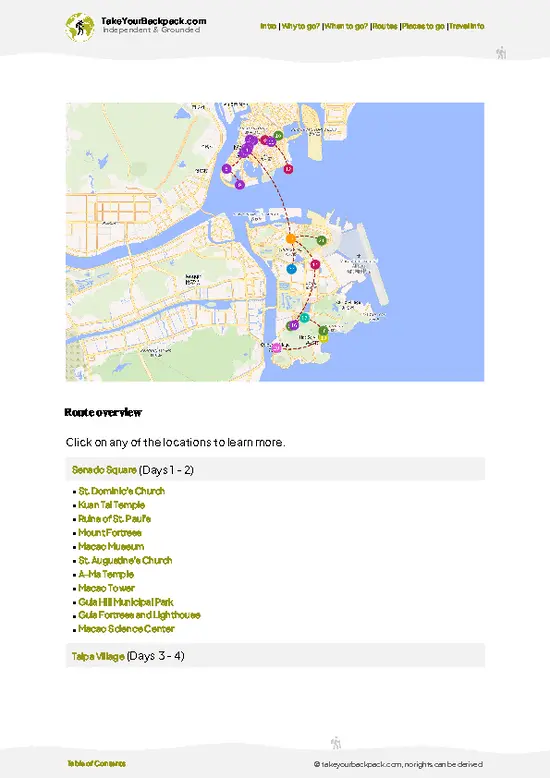
When you’re gearing up for the Macao Food Festival, the right base can make all the difference. Head to the Historic Center of Macau. This area pulses with energy and is a stone’s throw from the festival. You’ll find a mix of budget-friendly guesthouses and hostels that attract fellow backpackers. The streets are alive with chatter, and you’ll easily connect with others over shared meals or late-night adventures.

Next, consider Taipa Village. It’s a charming spot with a local vibe, where you can soak in the culture while still being close to the festival action. The accommodations here are often … read more 👉
When you’re gearing up for the Macao Food Festival, the right base can make all the difference. Head to the Historic Center of Macau. This area pulses with energy and is a stone’s throw from the festival. You’ll find a mix of budget-friendly guesthouses and hostels that attract fellow backpackers. The streets are alive with chatter, and you’ll easily connect with others over shared meals or late-night adventures.

Next, consider Taipa Village. It’s a charming spot with a local vibe, where you can soak in the culture while still being close to the festival action. The accommodations here are often more affordable, and you’ll find cozy hostels that foster a communal atmosphere. Plus, the local eateries serve up authentic bites that won’t break the bank.

Lastly, check out Cotai Strip. While it’s known for its glitzy resorts, there are budget options tucked away. Staying here gives you easy access to the festival and the chance to explore the extravagant surroundings. Just keep an eye on your budget; some places can be pricey if you’re not careful.

Choose wisely, and you’ll save your energy and cash for the real feast: the food and experiences waiting for you at the festival!

👛 Costs (as of 15 October 2026)What things cost and how to budget

The Macao Food Festival is a culinary adventure, but navigating costs can be tricky. Here’s what you need to know to keep your budget intact while savoring every bite.
  • Festival Tickets: Expect to pay around €10 to €15 ($11 to $16) for entry. This gives you access to a world of flavors, but keep an eye out for any special events or workshops that may have additional fees. They can add up quickly if you’re not careful.
  • Accommodation: Prices vary widely. Budget hotels start at about €30 to €50 ($33 to $55) per night, while mid-range options can run from €70 to €120 ($77 to $132). Book early to snag the best deals, especially during the festival when demand spikes.
  • Local Transport: Public transport is efficient and affordable. A single bus or ferry ride costs around €1 to €2 ($1.10 to $2.20). If
… read more 👉
The Macao Food Festival is a culinary adventure, but navigating costs can be tricky. Here’s what you need to know to keep your budget intact while savoring every bite.
  • Festival Tickets: Expect to pay around €10 to €15 ($11 to $16) for entry. This gives you access to a world of flavors, but keep an eye out for any special events or workshops that may have additional fees. They can add up quickly if you’re not careful.
  • Accommodation: Prices vary widely. Budget hotels start at about €30 to €50 ($33 to $55) per night, while mid-range options can run from €70 to €120 ($77 to $132). Book early to snag the best deals, especially during the festival when demand spikes.
  • Local Transport: Public transport is efficient and affordable. A single bus or ferry ride costs around €1 to €2 ($1.10 to $2.20). If you plan to hop around, consider a transport card for savings. Taxis are available but can be pricier, especially late at night.
  • Food & Drinks: This is where you’ll want to splurge a bit. Sample dishes at the festival range from €5 to €15 ($5.50 to $16.50) each. Drinks can add another €2 to €6 ($2.20 to $6.60) per item. Set aside a budget of €30 to €50 ($33 to $55) per day for a satisfying experience.
  • Miscellaneous Expenses: Always have a buffer. This includes souvenirs, unexpected fees, or even a spontaneous activity. Aim for an extra €20 to €40 ($22 to $44) to keep your options open without stress.

Plan wisely, and you’ll have the energy and funds to dive into the festival’s delights without a hitch.


source: macaotourism.gov.mo
⚠️ Prices can change and everyone travels differently, so take this as a rough guide. Hope it helps you plan your adventure!

🍲 FoodLocal Cuisine & Drinks

At the Macao Food Festival, your taste buds are in for a wild ride. Picture this: sizzling pork chop buns that ooze flavor, egg tarts with a creamy custard that dances on your tongue, and Macanese curry that packs a punch. Stalls burst with local specialties, each one a mini-adventure waiting to be devoured.

Don’t miss the pork belly skewers; they’re a festival staple. Grab a few and share them with friends—it’s part of the vibe here. You’ll also find Portuguese wines and local beers that pair perfectly with the rich flavors. The atmosphere is electric, with laughter and chatter filling the air, so dive into the experience.

Be prepared for lines; they’re part of the thrill. Embrace the wait; it builds anticipation. Cash is king here, so stash some bills to avoid fumbling with cards. Serving … read more 👉
At the Macao Food Festival, your taste buds are in for a wild ride. Picture this: sizzling pork chop buns that ooze flavor, egg tarts with a creamy custard that dances on your tongue, and Macanese curry that packs a punch. Stalls burst with local specialties, each one a mini-adventure waiting to be devoured.

Don’t miss the pork belly skewers; they’re a festival staple. Grab a few and share them with friends—it’s part of the vibe here. You’ll also find Portuguese wines and local beers that pair perfectly with the rich flavors. The atmosphere is electric, with laughter and chatter filling the air, so dive into the experience.

Be prepared for lines; they’re part of the thrill. Embrace the wait; it builds anticipation. Cash is king here, so stash some bills to avoid fumbling with cards. Serving sizes can be generous, so consider sharing dishes to sample more.

Remember, this festival isn’t just about eating; it’s about connecting. So, grab a plate, strike up a conversation, and let the flavors of Macau fuel your adventure.

FAQTraveler FAQ

Macao Food Festival typically takes place in November each year, lasting around 10 days. The exact dates can vary slightly, so checking the official schedule closer to the event is recommended.
Entry to Macao Food Festival is free, but food and drink items are sold separately at various stalls. Prices for food range from about 10 to 100 MOP depending on the dish and vendor.
No, you do not need tickets in advance to attend Macao Food Festival. It is an open public event, so visitors can arrive anytime during the festival hours without prior booking.
⚠️ Things can change over time, so always validate details locally before you go.

Other Macanese festivals near Macao Food

Explore more nearby:


💡 Not sure where to go next?
Create a personalized itinerary for Macau including Macao Food and the places that fit your trip.

Generate my itinerary

👉 Discover all festivals

Or checkout all Macau has to offer (think cities, towns, villages, national parks, hikes, beaches, festivals)
Country photo of Macau

We 💚 feedbackParting advice and final tips

The Macao Food Festival is a whirlwind of flavors and energy. Dive into the street food stalls; the grilled squid is a must-try. You’ll be surprised by the fusion of Portuguese and Chinese dishes—each bite tells a story. But watch your wallet; those tempting samples can add up fast. Pace yourself and savor the experience. The real joy is in the hustle, the laughter, and the unexpected culinary delights. Embrace the chaos; it’s all part of the adventure.

✍️ Help improve this page!
The information on this page is based on in-depth research, insights shared by experienced travelers, and feedback from the local travel community in Macau. While every effort is made to keep the information accurate and current, conditions can change — so if you spot anything incorrect or outdated, please get in touch.


🙋‍♂️ Give feedback

👋 Meet the founderWho’s Behind Take Your Backpack?

Johan, backpacker and founder of TakeYourBackpackHi, I’m Johan (Netherlands 🇳🇱), the creator of TakeYourBackpack. Over the past 3 decades, I’ve backpacked through 90+ countries across six continents, gaining extensive experience with independent travel, long-term trips, and overland routes.

This site is built on a combination of firsthand travel experience and carefully curated insights from other backpackers. Many guides are based on places I’ve personally visited, while others bring together tips, observations, and practical advice shared by trusted travelers I’ve met along the way.

The goal is to provide realistic, experience-driven guidance — not generic itineraries — so you can explore destinations with better context, clearer expectations, and more confidence.