


The Old Fortress Foundations
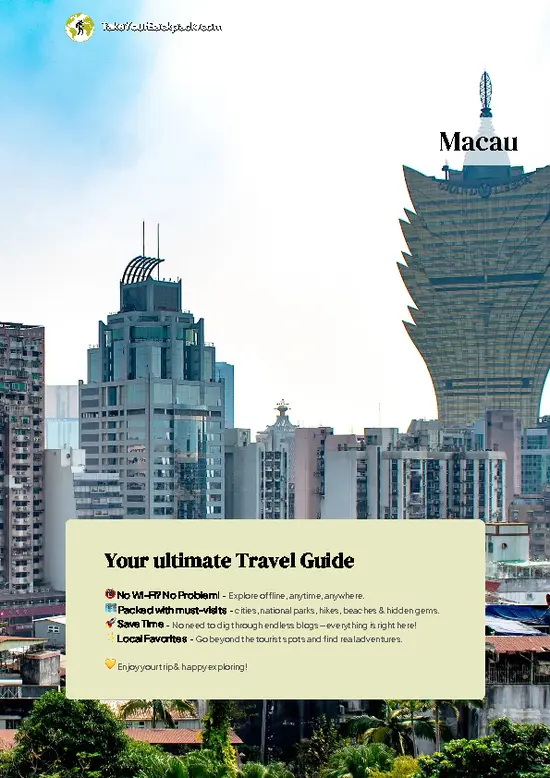
Let’s get real: most people snap a photo of the cannons outside and call it a day. But the real showstopper is underground. The museum is built right into the 17th-century Monte Fortress, and you can literally walk through the thick, timeworn stonework that once kept pirates and invaders at bay. It’s not just a backdrop—it’s the bones of Macau’s story. The air is cool, the walls are scarred, and you can almost hear the echo of centuries-old boots. This isn’t a sterile display case; it’s a living chunk of colonial drama.
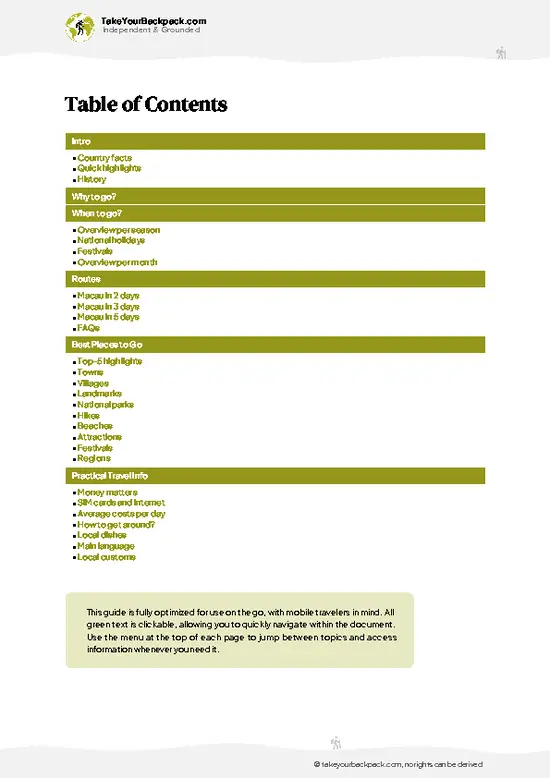
The Street Life Dioramas
Forget the usual glass-box monotony. The Macao Museum’s dioramas are a punchy, immersive blast of old Macau street life—think barber shops, herbal pharmacies, and a bustling Chinese teahouse, all recreated down to the last … read more 👉
The Old Fortress Foundations
Let’s get real: most people snap a photo of the cannons outside and call it a day. But the real showstopper is underground. The museum is built right into the 17th-century Monte Fortress, and you can literally walk through the thick, timeworn stonework that once kept pirates and invaders at bay. It’s not just a backdrop—it’s the bones of Macau’s story. The air is cool, the walls are scarred, and you can almost hear the echo of centuries-old boots. This isn’t a sterile display case; it’s a living chunk of colonial drama.
The Street Life Dioramas
Forget the usual glass-box monotony. The Macao Museum’s dioramas are a punchy, immersive blast of old Macau street life—think barber shops, herbal pharmacies, and a bustling Chinese teahouse, all recreated down to the last faded poster and chipped teacup. It’s not just for kids. You’ll find yourself peering in, half-expecting a shopkeeper to look up and ask what you want. It’s a time machine, minus the sci-fi nonsense.
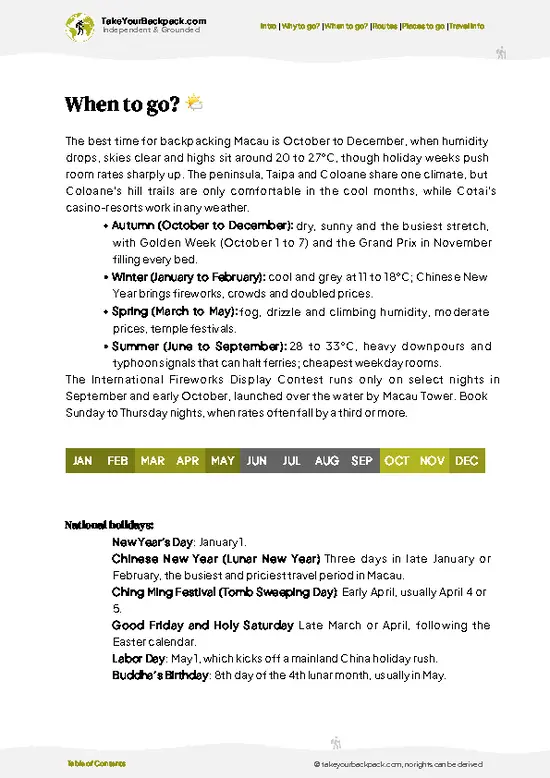
The Portuguese-Chinese Mashup Gallery
Macau’s not just a “fusion” city—it’s a full-on cultural collision, and this gallery doesn’t sugarcoat it. You’ll see Catholic icons next to Taoist charms, blue-and-white azulejos tiles rubbing shoulders with dragon motifs. The museum doesn’t pretend the blend was always harmonious, but it does show how the city’s identity was forged in the friction. If you want to understand why Macau feels so different from anywhere else in China or Portugal, this is where the penny drops.
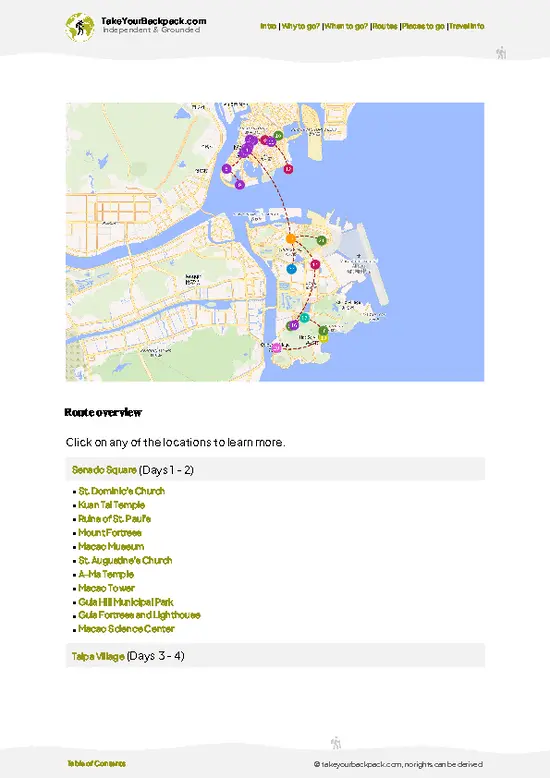
The Festival Room
Here’s where the museum ditches the textbook and goes full spectacle. Costumes, lion dance heads, firecrackers, and the kind of oversized parade props that make you wish you’d timed your visit for Chinese New Year. It’s loud, it’s colorful, and it’s a reminder that Macau’s real magic is in its street celebrations, not its casinos. You’ll leave wanting to crash the next festival, guaranteed.
The Rooftop Viewpoint
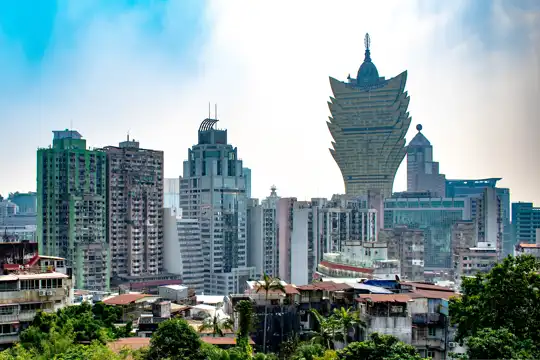
Most people miss this, but don’t be “most people.” Climb up to the museum’s rooftop terrace and you get a panoramic sweep of old Macau: tiled roofs, church spires, and the neon sprawl of the city’s modern side. It’s a jolt of perspective—literally above the crowds—and a rare spot where you can breathe, snap a photo, and actually feel the city’s layers. No filter needed.
Spotted a mistake or missing something? Contact us.


 Best Backpacking
 Hi, I’m Johan (Netherlands 🇳🇱), the creator of TakeYourBackpack. Over the past 3 decades, I’ve backpacked through 90+ countries across six continents, gaining extensive experience with independent travel, long-term trips, and overland routes.