v2.webp)
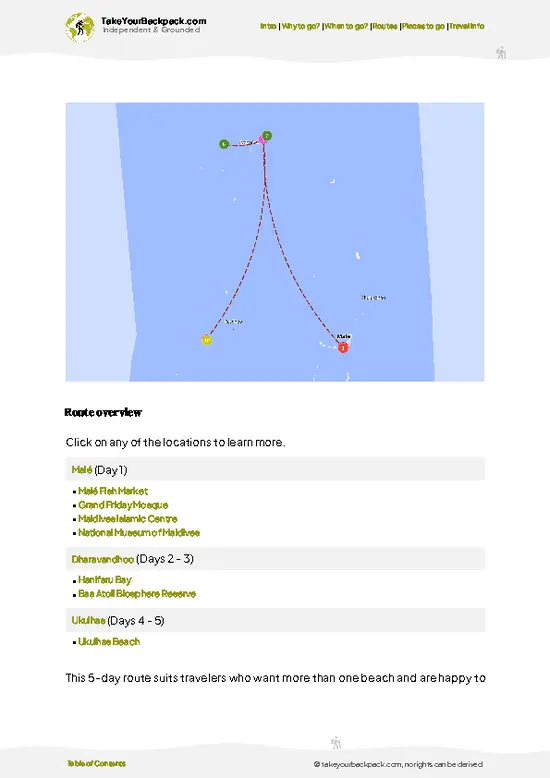
1. The 11th-Century Coral Stone Carvings
Forget the glass cases of random pottery you’ll find in a hundred other national museums. The National Museum of the Maldives has coral stone panels and tombstones carved by hand, some dating back to the 11th century. These aren’t just relics—they’re the bones of Maldivian history, pulled from ancient mosques and royal tombs. Run your eyes over the script: it’s Thaana, the local alphabet, and it’s a visual punch of how the Maldives once sat at the crossroads of Indian Ocean trade. If you want to see the real, pre-resort Maldives, this is where it’s hiding in plain sight.
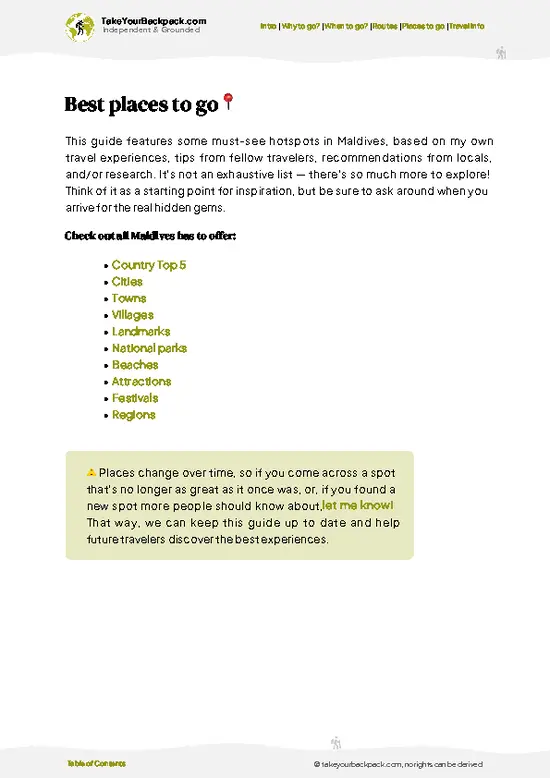
2. The Sultan’s Thrones and Regalia
Here’s the part Instagram never shows: the Maldivian monarchy was a wild ride, and the museum’s collection of royal thrones, ceremonial dresses, … read more 👉
Forget the glass cases of random pottery you’ll find in a hundred other national museums. The National Museum of the Maldives has coral stone panels and tombstones carved by hand, some dating back to the 11th century. These aren’t just relics—they’re the bones of Maldivian history, pulled from ancient mosques and royal tombs. Run your eyes over the script: it’s Thaana, the local alphabet, and it’s a visual punch of how the Maldives once sat at the crossroads of Indian Ocean trade. If you want to see the real, pre-resort Maldives, this is where it’s hiding in plain sight.
2. The Sultan’s Thrones and Regalia
Here’s the part Instagram never shows: the Maldivian monarchy was a wild ride, and the museum’s collection of royal thrones, ceremonial dresses, … read more 👉
1. The 11th-Century Coral Stone Carvings
Forget the glass cases of random pottery you’ll find in a hundred other national museums. The National Museum of the Maldives has coral stone panels and tombstones carved by hand, some dating back to the 11th century. These aren’t just relics—they’re the bones of Maldivian history, pulled from ancient mosques and royal tombs. Run your eyes over the script: it’s Thaana, the local alphabet, and it’s a visual punch of how the Maldives once sat at the crossroads of Indian Ocean trade. If you want to see the real, pre-resort Maldives, this is where it’s hiding in plain sight.
2. The Sultan’s Thrones and Regalia
Here’s the part Instagram never shows: the Maldivian monarchy was a wild ride, and the museum’s collection of royal thrones, ceremonial dresses, and weaponry is proof. The thrones are small—Maldivians are not a tall people—and the craftsmanship is intricate, with mother-of-pearl inlays and gold filigree. It’s not Versailles, but it’s got attitude. You’ll get a sense of how power and pageantry worked in a country that’s mostly ocean.
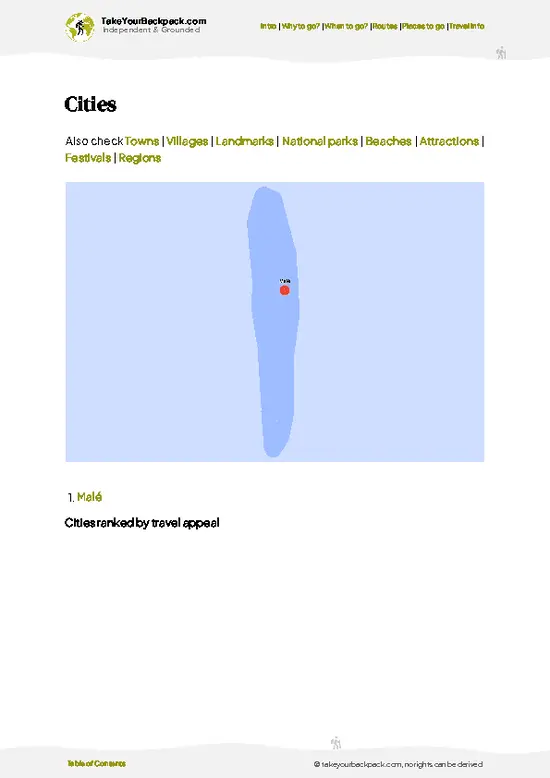
3. The 17th-Century Quran Manuscripts
These Qurans are works of art, not just religious texts. Handwritten on coconut paper, with ink made from local plants, the calligraphy is hypnotic. The covers are lacquered wood, sometimes inlaid with silver. Even if you’re not religious, the sheer effort and artistry will stop you. This is the Maldives flexing its cultural muscle, not just its beaches.
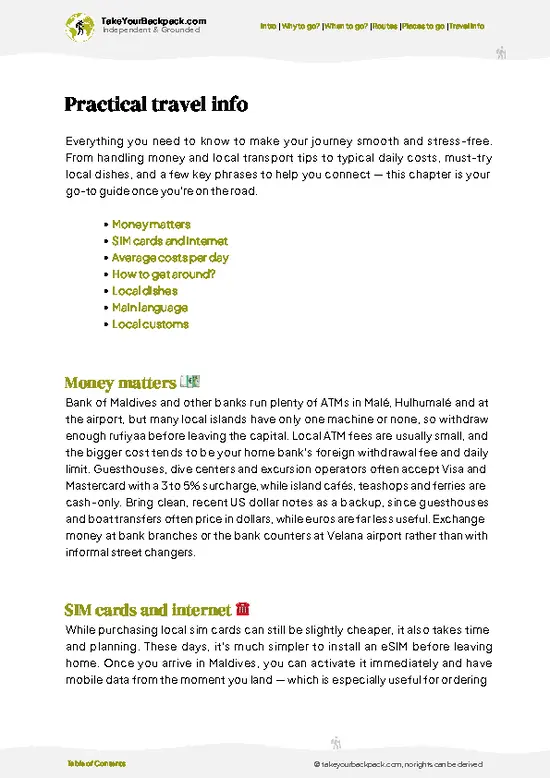
4. The Colonial-Era Oddities
The British left behind more than just tea habits. The museum’s colonial section is a time capsule of weirdness: Victorian clocks, faded uniforms, and diplomatic gifts that feel out of place in the tropics. It’s a crash course in how the Maldives navigated foreign rule—awkward, sometimes funny, and always revealing. You’ll leave with a sharper sense of how global forces shaped this tiny island nation.
5. The Pre-Islamic Buddhist Artifacts
Most visitors have no clue the Maldives was Buddhist for over a thousand years. The museum’s fragments of Buddha statues and temple carvings are battered but powerful. They’re rare—most were destroyed after the country converted to Islam—but what’s left is a direct line to a forgotten era. This is the Maldives before the Maldives you think you know.
Forget the glass cases of random pottery you’ll find in a hundred other national museums. The National Museum of the Maldives has coral stone panels and tombstones carved by hand, some dating back to the 11th century. These aren’t just relics—they’re the bones of Maldivian history, pulled from ancient mosques and royal tombs. Run your eyes over the script: it’s Thaana, the local alphabet, and it’s a visual punch of how the Maldives once sat at the crossroads of Indian Ocean trade. If you want to see the real, pre-resort Maldives, this is where it’s hiding in plain sight.
2. The Sultan’s Thrones and Regalia
Here’s the part Instagram never shows: the Maldivian monarchy was a wild ride, and the museum’s collection of royal thrones, ceremonial dresses, and weaponry is proof. The thrones are small—Maldivians are not a tall people—and the craftsmanship is intricate, with mother-of-pearl inlays and gold filigree. It’s not Versailles, but it’s got attitude. You’ll get a sense of how power and pageantry worked in a country that’s mostly ocean.
3. The 17th-Century Quran Manuscripts
These Qurans are works of art, not just religious texts. Handwritten on coconut paper, with ink made from local plants, the calligraphy is hypnotic. The covers are lacquered wood, sometimes inlaid with silver. Even if you’re not religious, the sheer effort and artistry will stop you. This is the Maldives flexing its cultural muscle, not just its beaches.
4. The Colonial-Era Oddities
The British left behind more than just tea habits. The museum’s colonial section is a time capsule of weirdness: Victorian clocks, faded uniforms, and diplomatic gifts that feel out of place in the tropics. It’s a crash course in how the Maldives navigated foreign rule—awkward, sometimes funny, and always revealing. You’ll leave with a sharper sense of how global forces shaped this tiny island nation.
5. The Pre-Islamic Buddhist Artifacts
Most visitors have no clue the Maldives was Buddhist for over a thousand years. The museum’s fragments of Buddha statues and temple carvings are battered but powerful. They’re rare—most were destroyed after the country converted to Islam—but what’s left is a direct line to a forgotten era. This is the Maldives before the Maldives you think you know.
Spotted a mistake or missing something? Contact us.

Malé Uncovered Heritage, Culture and Hidden Gems

4 Hour Highlights of Malé Walking Tour

Private Vacation Photography Session in Male Maldives

3 Point Snorkeling Safari

Greater Male Explorer - Private City Tour by Car or by Walking

Maldives Adventure Trip
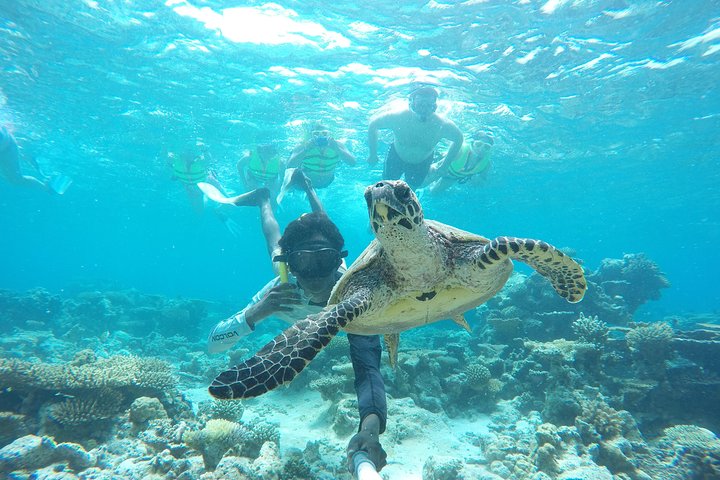
Sandbank Snorkeling and Sunset Cruise

Private Male City Walking Tour with optional Vilimale tour

Full Day Male' Walking Tour


 Best Backpacking
.jpg) Hi, I’m Johan (Netherlands 🇳🇱), the creator of TakeYourBackpack. Over the past 3 decades, I’ve backpacked through 90+ countries across six continents, gaining extensive experience with independent travel, long-term trips, and overland routes.
Hi, I’m Johan (Netherlands 🇳🇱), the creator of TakeYourBackpack. Over the past 3 decades, I’ve backpacked through 90+ countries across six continents, gaining extensive experience with independent travel, long-term trips, and overland routes.