×

Malta🇲🇹 | townsVallettafortified city, grand architecture, museums | things to do and best time to go

Explore St. Julian’sExplore Birgu

Backpacking in Valletta
UNESCO World Heritage site
🏆 Top picktown ranked #1
By Johan Kruseman 🇳🇱 | Updated September 4, 2026

Ten years ago Valletta felt almost sleepy: honey-colored streets echoing at night, church bells louder than traffic, a harbor that smelled of salt and engine oil more than perfume and cocktails. Today it’s sharper around the edges. Same golden stone, same blinding Mediterranean light, but more cruise crowds, louder bars, and higher prices. Valletta sits on a small peninsula on Malta’s northeast coast, facing the Grand Harbour, and for backpackers it’s less a beach town and more a compact urban base camp. You come here for walkable alleys, balcony-lined streets, and easy bus links that fan out across the island, not for sand. It’s safe, busy by day, calmer at night than Sliema or St Julian’s, and hostels and cafés make it social without feeling like a party factory. Compared to nearby resort strips, Valletta is denser, more historic, slightly pricier, and better as a 2–3 night hub than a long-term crash pad.

Discover everything you want to know in the 📖 Malta Travel Guide.


Get your Malta guide
52 ranked highlights, routes & tips, works offline (209 pages)
Loading the map 🌍
CLICK TO FILTER
towns
villages
landmarks
national parks
hikes
beaches
attractions
festivals
regions
SHOW COUNTRY’S BESTSHOW ALL

✨ Why go?
Ranked #1 town in Malta
What makes this town worth visiting

Valletta, Malta, is a backpacker’s hub that strikes a balance between convenience and character. Its compact layout makes it easy to navigate on foot, with cobblestone streets leading you past historic architecture and vibrant local life. This isn’t just a place to pass through; it’s a spot where you can linger. Many travelers find themselves staying a few days, soaking in the cultural richness and enjoying the friendly atmosphere.

From Valletta, you can easily access nearby hiking trails along the coast or take a quick ferry to the beaches of the surrounding islands. The local food scene is a treat, with small eateries serving up hearty Maltese dishes that fuel your adventures.

The town’s small-scale hostels and guesthouses foster a sense of community, making it ideal for solo travelersread more 👉
Valletta, Malta, is a backpacker’s hub that strikes a balance between convenience and character. Its compact layout makes it easy to navigate on foot, with cobblestone streets leading you past historic architecture and vibrant local life. This isn’t just a place to pass through; it’s a spot where you can linger. Many travelers find themselves staying a few days, soaking in the cultural richness and enjoying the friendly atmosphere.

From Valletta, you can easily access nearby hiking trails along the coast or take a quick ferry to the beaches of the surrounding islands. The local food scene is a treat, with small eateries serving up hearty Maltese dishes that fuel your adventures.

The town’s small-scale hostels and guesthouses foster a sense of community, making it ideal for solo travelers or those in small groups looking to connect. While it’s not a nightlife hotspot, the evenings can be lively, especially in the open squares where locals gather. Valletta is perfect for slow travelers who appreciate a blend of exploration and relaxation, making it a worthy stop on your backpacking route.
Want to include Valletta in your Malta route?
Create a personalized Malta itinerary that includes Valletta and the places that fit your trip — based on your travel style, budget, and available time. Get your route in seconds.

Generate my trip

💡 HighlightsWhat this place is best known for

  1. St. John’s Co-Cathedral — An outrageously ornate Baroque interior hidden behind a relatively plain exterior; the carved marble floors, gilded chapels and Caravaggio’s masterpiece make this a must for art and history lovers.
  2. Upper Barrakka Gardens & Siege Bell Memorial — Small, shady gardens with the best panoramic view over the Grand Harbour and the Three Cities; the nearby Siege Bell is a poignant reminder of WWII and the Great Siege of 1565.
  3. Valletta Saluting Battery — Historic coastal battery below the Upper Barrakka where daily cannon salutes and guided demonstrations bring the city’s military past to life — great for photographs of the harbour and fortifications.
  4. Grandmaster’s Palace (State Rooms & Armoury) — Once the headquarters of the Knights of St. John, the palace’s state rooms
read more 👉
  1. St. John’s Co-Cathedral — An outrageously ornate Baroque interior hidden behind a relatively plain exterior; the carved marble floors, gilded chapels and Caravaggio’s masterpiece make this a must for art and history lovers.
  2. Upper Barrakka Gardens & Siege Bell Memorial — Small, shady gardens with the best panoramic view over the Grand Harbour and the Three Cities; the nearby Siege Bell is a poignant reminder of WWII and the Great Siege of 1565.
  3. Valletta Saluting Battery — Historic coastal battery below the Upper Barrakka where daily cannon salutes and guided demonstrations bring the city’s military past to life — great for photographs of the harbour and fortifications.
  4. Grandmaster’s Palace (State Rooms & Armoury) — Once the headquarters of the Knights of St. John, the palace’s state rooms and armoury showcase ceremonial splendor and one of Europe’s best collections of historic arms and armour.
  5. National Museum of Archaeology — Housed in Auberge de Provence, this museum traces Malta’s deep prehistoric roots — you’ll see temple-era figurines, pottery and the infamous “Sleeping Lady” statuette up close.
  6. MUŻA (Malta’s National Community Art Museum) — A compact, well-curated modern museum in an Auberge building that connects Maltese visual culture from old masters to contemporary artists; good for a cultural reset between walks.
  7. Fort St. Elmo & National War Museum — Perched on Valletta’s tip, the fort offers dramatic views and a museum that covers the Great Siege through both world wars — the site itself is a story of defence and survival.
  8. Casa Rocca Piccola — A lived-in 16th-century palace you can tour with a guide; seeing the private rooms, silver collection and wartime shelter gives a real feel for Maltese aristocratic life across centuries.
  9. Manoel Theatre — One of Europe’s oldest working theatres (1731): take a behind-the-scenes tour or, even better, catch an intimate performance to feel Valletta’s cultural heartbeat.
  10. Lascaris War Rooms — A fascinating subterranean complex used for WWII and later operations; well-preserved communications rooms, maps and exhibits make it a compact, compelling visit for history buffs.
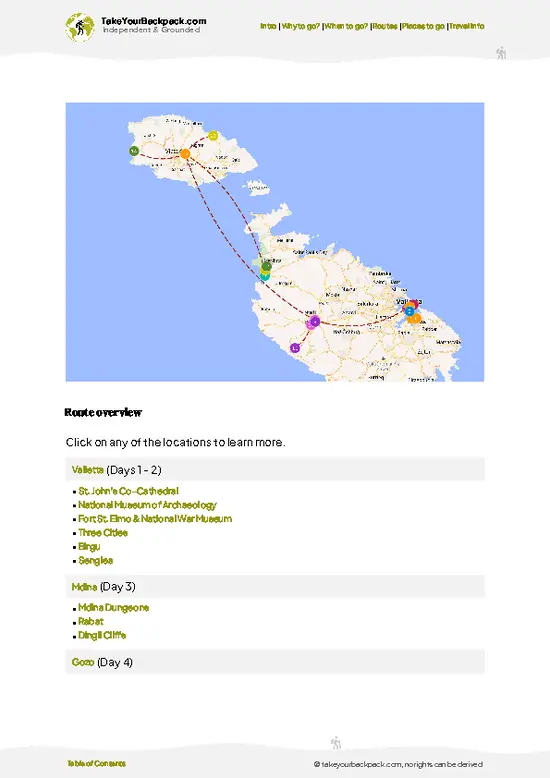
A few excellent day trips nearby: the Three Cities (Vittoriosa/Birgu, Senglea, Cospicua), the old capital Mdina, and the megalithic Ħaġar Qim & Mnajdra temples on the southern coast.
Spotted a mistake or missing something? Contact us.

Things to do around Valletta

Ratings based on Tripadvisor reviews. When you book through this link, you support our work at no extra cost to you.

🏘️ NeighborhoodsKey areas and districts to know

Valletta, Malta’s capital, is a compact marvel where history and modernity collide. Each neighborhood offers a unique flavor, making it essential for backpackers to choose wisely.

City Center: This is the heartbeat of Valletta. Expect a lively atmosphere with cafes spilling onto cobblestone streets. It’s walkable, and you can easily hop between historical sites like St. John’s Co-Cathedral and the Upper Barracca Gardens. Prices can be higher here, especially for food, but the convenience is worth it. Perfect for short stays where you want to soak up the essence of the city.

Floriana: Just outside the city walls, Floriana offers a quieter vibe. It’s less touristy, with local markets and parks. The walk to Valletta is short, making it easy to access the action while enjoying a more laid-back … read more 👉
Valletta, Malta’s capital, is a compact marvel where history and modernity collide. Each neighborhood offers a unique flavor, making it essential for backpackers to choose wisely.

City Center: This is the heartbeat of Valletta. Expect a lively atmosphere with cafes spilling onto cobblestone streets. It’s walkable, and you can easily hop between historical sites like St. John’s Co-Cathedral and the Upper Barracca Gardens. Prices can be higher here, especially for food, but the convenience is worth it. Perfect for short stays where you want to soak up the essence of the city.

Floriana: Just outside the city walls, Floriana offers a quieter vibe. It’s less touristy, with local markets and parks. The walk to Valletta is short, making it easy to access the action while enjoying a more laid-back atmosphere. Accommodation is generally cheaper here, ideal for longer stays where you want to feel like a local.

Sliema: A bustling area known for its waterfront promenade. It’s a hotspot for nightlife, with bars and restaurants lining the coast. While it’s a bit further from Valletta, frequent ferries make the trip quick and scenic. This area suits those who want a mix of beach time and city exploration, perfect for both short and extended visits.

Birgu (Vittoriosa): Rich in history, this area is quieter and more atmospheric. It’s a short ferry ride from Valletta, making it a great base for exploring the Three Cities. The vibe is relaxed, with charming streets and waterfront views. Accommodation is often more affordable, making it suitable for longer stays where you can immerse yourself in local culture.

⌛️ 1 dayWhat you can realistically do in a day

Valletta, Malta’s capital, is a living museum where history whispers through the cobblestone streets and the Mediterranean sun casts a golden glow on its baroque architecture. This compact city is a treasure trove of culture, art, and stunning views, making it perfect for a day of exploration.

Start your morning at the bustling **Mercato di Valletta**. The aroma of fresh bread mingles with the scent of ripe tomatoes and local cheeses. Grab a pastizzi, a flaky pastry filled with ricotta or peas, and sip a strong coffee while soaking in the local vibe. After fueling up, wander over to **St. John’s Co-Cathedral**. The intricate details of its interior, especially Caravaggio’s masterpiece, will leave you in awe.

As the sun climbs higher, head towards the **Upper Barracca Gardens**. The panoramic … read more 👉
Valletta, Malta’s capital, is a living museum where history whispers through the cobblestone streets and the Mediterranean sun casts a golden glow on its baroque architecture. This compact city is a treasure trove of culture, art, and stunning views, making it perfect for a day of exploration.

Start your morning at the bustling **Mercato di Valletta**. The aroma of fresh bread mingles with the scent of ripe tomatoes and local cheeses. Grab a pastizzi, a flaky pastry filled with ricotta or peas, and sip a strong coffee while soaking in the local vibe. After fueling up, wander over to **St. John’s Co-Cathedral**. The intricate details of its interior, especially Caravaggio’s masterpiece, will leave you in awe.

As the sun climbs higher, head towards the **Upper Barracca Gardens**. The panoramic views of the Grand Harbour are breathtaking, and the gardens themselves are a peaceful retreat. Take a moment to breathe in the salty air and listen to the distant sounds of the city. From here, stroll down to **Strait Street**, a lesser-known area that once thrived with sailors and soldiers. Today, it’s a vibrant spot filled with quirky bars and art studios. Pop into **The Malta Experience**, a multimedia show that dives into the island’s rich history, giving you context for everything you’ve seen.

In the afternoon, make your way to **Valletta Waterfront**. The colorful facades of the buildings reflect in the water, creating a picturesque scene. Grab lunch at one of the waterfront restaurants, where you can savor fresh seafood while watching the boats glide by.

As evening approaches, head to **Fort St. Elmo**. The sunset here is magical, casting a warm glow over the harbor. Afterward, explore the lively streets of **Merchant Street**. Find a cozy spot for dinner, perhaps trying local dishes like rabbit stew or bragioli.

End your day with a stroll along the **City Walls**, where the night sky twinkles above, and the city hums with life. Valletta may be small, but it’s packed with experiences that linger long after you leave.
Turn your Valletta visit into an Malta adventure
Build a complete Malta route with Valletta, hidden gems, must-see destinations, and realistic travel times included.

Generate my trip

🌤️ When to go?Best time to visit Valletta


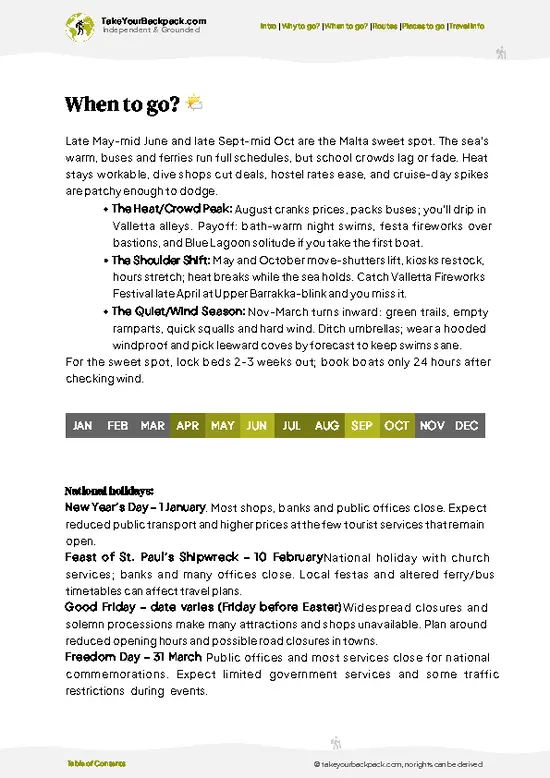
  • Topic: Weather and Temperature — Valletta basks in Mediterranean warmth. From May to September, expect highs around 28-32°C (82-90°F), perfect for wandering sunlit streets but potentially draining midday. Winters are mild, 12-16°C (54-61°F), with occasional rain, making off-season exploration cooler and quieter.

  • Topic: Daylight Hours — Long summer days stretch up to 14 hours, giving you ample time to soak in the city’s baroque details and harbor views. Winter days shrink to about 9-10 hours, which means earlier sunsets but softer, golden light ideal for photography without the harsh glare.

  • Topic: Crowds — Summer draws tourists in droves, especially July and August, turning narrow alleys into bustling thoroughfares. Spring (April-May) and autumn (September-October) offer a sweet spot:
read more 👉

  • Topic: Weather and Temperature — Valletta basks in Mediterranean warmth. From May to September, expect highs around 28-32°C (82-90°F), perfect for wandering sunlit streets but potentially draining midday. Winters are mild, 12-16°C (54-61°F), with occasional rain, making off-season exploration cooler and quieter.

  • Topic: Daylight Hours — Long summer days stretch up to 14 hours, giving you ample time to soak in the city’s baroque details and harbor views. Winter days shrink to about 9-10 hours, which means earlier sunsets but softer, golden light ideal for photography without the harsh glare.

  • Topic: Crowds — Summer draws tourists in droves, especially July and August, turning narrow alleys into bustling thoroughfares. Spring (April-May) and autumn (September-October) offer a sweet spot: fewer people, lively streets, and a more authentic vibe without the shoulder-season chill.

  • Topic: Seasonal Activities — Valletta’s calendar peaks in summer with open-air concerts, festivals, and vibrant nightlife. The Malta International Fireworks Festival in April and the Valletta Film Festival in June add cultural spice. Winter is quieter but offers a chance to experience local life without tourist noise.

  • Topic: Price Fluctuations — Accommodation and flights spike in summer, especially August. Booking in shoulder seasons can save you 20-40%, letting you splurge on a waterfront meal or a guided tour. Winter deals exist but some venues close or reduce hours.


Pro-tip: Aim for late spring or early autumn to balance warm weather, manageable crowds, and better prices—Valletta feels like it’s yours to discover, not just visit.


source: climatestotravel.comJANJanuary: good for travelingFEBFebruary: good for travelingMARMarch: good for travelingAPRApril: highly recommended for travelingMAYMay: excellent for travelingJUNJune: highly recommended for travelingJULJuly: good for travelingAUGAugust: fair for travelingSEPSeptember: excellent for travelingOCTOctober: highly recommended for travelingNOVNovember: good for travelingDECDecember: good for traveling

✈️ The backpacker research shortcutMalta Travel Guide

An offline-friendly backpacking guide with optimized travel routes, ranked highlights, transport advice, and the best areas to stay.
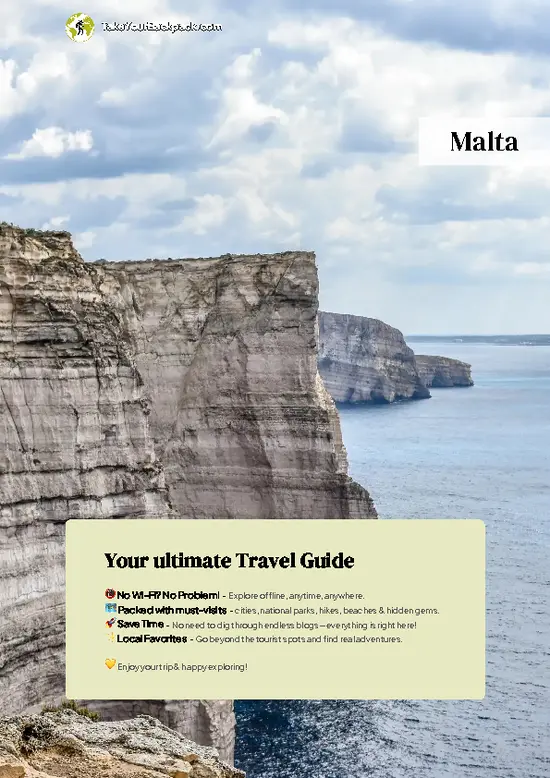
example page 0 from our offline Travel Guide for Malta
example page 1 from our offline Travel Guide for Malta
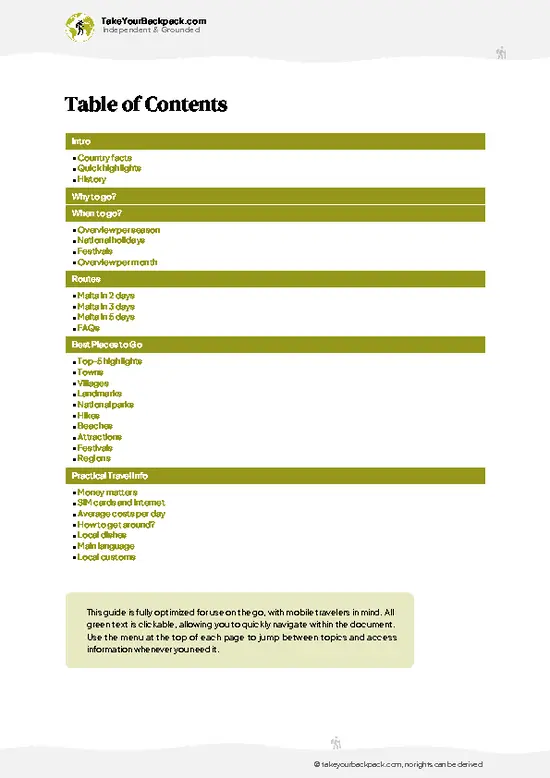
example page 2 from our offline Travel Guide for Malta
example page 3 from our offline Travel Guide for Malta
example page 4 from our offline Travel Guide for Malta
example page 5 from our offline Travel Guide for Malta
example page 6 from our offline Travel Guide for Malta
example page 7 from our offline Travel Guide for Malta
The digital guide (209 pages) contains:
52 highlights, ranked by travel appeal
Optimized 2, 3 & 5-day travel routes
Cities, national parks, landmarks, beaches
How to get around
Offline-friendly for travel without Wi-Fi
👉 Click to see all 30+ guide features

📅 Plan smarter in minutes, not weeks
Month by month travel advice
Festivals & national holidays
Budget expectations

🗺️ Go to the right places, skip the overrated ones
Honest pros & cons of destinations
Top hikes, parks & viewpoints
Lesser-known places most travelers miss
Clear “worth it vs skip it” guidance

🛏️ Travel smoothly without rookie mistakes
Best areas to stay
Transport systems explained simply
Common scams & safety advice
SIM cards, money & practical tips

🌍 Understand the country, not just visit it
Culture & traditions
52 Essential phrases & customs
Festivals worth planning around
Traveler-friendly historical context
Insights that make places more meaningful

📱 Built for real travel conditions
Fully downloadable PDF
Works completely offline
Optimized for phone use
Useful in remote areas & buses
Everything in one place
Save weeks of stressful planning
Get instant access to your full guide. 30‑day money-back guarantee.
+ Add another guide for just €6.50

By proceeding you agree to our terms.
Sent to your inbox immediately after payment • 100% Secure Checkout
Best Backpacking Travel Advisor 2025 tourism awardBest Backpacking
Travel Advisor
2025
What others say about Take Your Backpack Guides:
⭐⭐⭐⭐⭐
Fantastic, amazing amount of information!
⭐⭐⭐⭐⭐
My goodness this is amazing, it's what I've been looking for hats off too you!
⭐⭐⭐⭐⭐
I think this is absolutely BRILLIANT
⭐⭐⭐⭐
Very complete and informative. It's still missing places, but I gotta to commend you
⭐⭐⭐⭐⭐
This is truly amazing, thank you, can't wait to explore it with my kids!
⭐⭐⭐⭐⭐
Awesome resource, thank you!
⭐⭐⭐⭐⭐
This is amazing! Can't wait to explore the ones I haven't seen
⭐⭐⭐⭐
I love this! Well done, great idea.
⭐⭐⭐⭐⭐
Thanks for taking the time to make this gem!
⭐⭐⭐⭐⭐
This might be the best website I've ever seen.
⭐⭐⭐⭐⭐
Congratulations, and thank you so much for your work; it's incredibly valuable.
⭐⭐⭐⭐
In all seriousness I think you did a great job pointing out the important spots
⭐⭐⭐⭐⭐
10/10 very good
⭐⭐⭐⭐⭐
As someone who's only just starting to visit regularly this is awesome, thank you.
⭐⭐⭐⭐
Thank you very much! I'm going to visit my dad, it's going to be very useful!
⭐⭐⭐⭐⭐
This is really cool! We'll be travelling for the first time and this definitely come in handy.
⭐⭐⭐⭐⭐
You are now our minister of culture, congratulations 👨‍💼
⭐⭐⭐⭐⭐
Just wanted to tell you that this is a pearl! Going to follow your recommendations.
⭐⭐⭐⭐⭐
This is so cool. I'll definitely be using the resource for my travels soon.
⭐⭐⭐⭐⭐
This is very impressive! Good work.
⭐⭐⭐⭐⭐
This is an amazing and informative site. Very well done!

🛏️ Where to stay?Choosing the right base

Valletta’s compact size means you’re never far from the action, but where you drop your pack shapes the whole experience. For backpackers craving a mix of safety, social buzz, and budget-friendly digs, the area around Republic Street is your sweet spot. This main artery pulses with life—cafés spill onto sidewalks, street musicians add texture, and the scent of fresh bread from nearby bakeries lingers in the air. It’s a natural meeting ground for solo travelers and groups alike, making it easy to strike up conversations without feeling like you’re forcing it.

Just a few steps off Republic Street, … read more 👉
Valletta’s compact size means you’re never far from the action, but where you drop your pack shapes the whole experience. For backpackers craving a mix of safety, social buzz, and budget-friendly digs, the area around Republic Street is your sweet spot. This main artery pulses with life—cafés spill onto sidewalks, street musicians add texture, and the scent of fresh bread from nearby bakeries lingers in the air. It’s a natural meeting ground for solo travelers and groups alike, making it easy to strike up conversations without feeling like you’re forcing it.

Just a few steps off Republic Street, the quieter side streets offer a welcome retreat after a day of exploring. These lanes are lined with affordable hostels that balance clean, no-frills comfort with a communal vibe. You’ll find common rooms where travelers swap stories over cheap local wine, and rooftop terraces where the golden light of sunset hits the limestone walls just right—perfect for unwinding and planning your next move.

Compared to the more residential or business-heavy parts of Valletta, this central zone keeps you plugged into the city’s heartbeat without the hassle of long commutes or feeling isolated. It’s safe, walkable, and alive with the kind of energy that turns a simple stay into a memorable chapter of your journey.

🚌 Getting aroundHow to get from A to B

Valletta moves at its own rhythm—part old-world precision, part Mediterranean laissez-faire. The sun slants sharply off limestone walls, casting long shadows that stretch lazily across narrow streets. Here, time feels both measured and fluid. You won’t find a frantic rush, but don’t mistake that for sloppiness. The city’s pulse is a blend of deliberate steps and spontaneous detours, where schedules exist but the real flow is dictated by the light, the scent of sea salt, and the chatter spilling from cafés. Understanding this balance is your key to navigating Valletta like a local rather than a lost tourist.


  • Walking: Valletta’s compact size makes walking the most natural way to explore. The city’s grid is straightforward but peppered with steep staircases and uneven limestone paving that
read more 👉
Valletta moves at its own rhythm—part old-world precision, part Mediterranean laissez-faire. The sun slants sharply off limestone walls, casting long shadows that stretch lazily across narrow streets. Here, time feels both measured and fluid. You won’t find a frantic rush, but don’t mistake that for sloppiness. The city’s pulse is a blend of deliberate steps and spontaneous detours, where schedules exist but the real flow is dictated by the light, the scent of sea salt, and the chatter spilling from cafés. Understanding this balance is your key to navigating Valletta like a local rather than a lost tourist.


  • Walking: Valletta’s compact size makes walking the most natural way to explore. The city’s grid is straightforward but peppered with steep staircases and uneven limestone paving that can be slippery when wet. Walking lets you soak in the scent of freshly baked bread from neighborhood bakeries and catch the sudden bursts of sea breeze through open windows. It’s free, flexible, and the best way to discover tucked-away corners, but wear sturdy shoes and be ready for some uphill stretches.


  • Bus: The public bus system is the budget traveler’s lifeline for reaching Valletta from other parts of Malta. Buses run roughly from 5:30 AM to midnight, with tickets costing around €2 per ride if bought onboard (exact change needed). The main hub is just outside the city gates, where buses arrive and depart with a rhythm that’s more practical than punctual—expect some waiting and occasional crowding during peak hours. It’s slow compared to taxis but offers a window into everyday Maltese life.


  • Ferry: For a quick, scenic hop, the Valletta-Msida ferry is a gem. It runs every 15-20 minutes from early morning until late evening, costing about €1.50 one way. The ferry docks are small but efficient, and the ride offers a refreshing breeze and a unique perspective of the harbor’s rugged coastline. It’s faster than the bus for certain routes and a great way to avoid traffic snarls, especially during the tourist season.


  • Taxi: Taxis in Valletta don’t run on meters; fares are fixed by zones, so always confirm the price before you hop in. They’re more expensive than buses or ferries, typically starting around €10 for short trips within the city or to nearby towns. Taxis offer comfort and speed, especially if you’re carrying heavy gear or traveling late at night when public transit winds down. Negotiating a fair price upfront is essential to avoid surprises.


  • Bicycle: Renting a bike is an option for the adventurous, though Valletta’s narrow streets and steep inclines demand confidence and good brakes. Bike rentals cost around €10-15 per day. Cycling lets you cover more ground than walking and gives you access to waterfront paths and nearby suburbs. However, traffic can be unpredictable, and parking spots are limited, so weigh convenience against the physical effort and safety concerns.

👛 Costs (as of 4 September 2026)What things cost and how to budget

Backpacking in Valletta, Malta, means balancing the charm of a historic Mediterranean city with practical costs that keep your trip smooth and enjoyable.
  • Dorm Accommodation: Expect to pay between €20 and €35 per night for a bed in a shared dorm. Valletta’s hostels are compact but clean, often housed in old stone buildings where the thick walls keep the heat out and the city noise at bay. Booking early can snag you the lower end of this range, especially outside peak tourist seasons.
  • Meals: Budget around €10 to €15 daily if you stick to casual spots. Grab a pastizzi (a flaky pastry filled with ricotta or peas) for about €1 each from local bakeries, or a simple plate of ftira (Maltese sandwich) for €3-5. Markets and small cafés offer fresh, filling options without the tourist markup. Splurging
read more 👉
Backpacking in Valletta, Malta, means balancing the charm of a historic Mediterranean city with practical costs that keep your trip smooth and enjoyable.
  • Dorm Accommodation: Expect to pay between €20 and €35 per night for a bed in a shared dorm. Valletta’s hostels are compact but clean, often housed in old stone buildings where the thick walls keep the heat out and the city noise at bay. Booking early can snag you the lower end of this range, especially outside peak tourist seasons.
  • Meals: Budget around €10 to €15 daily if you stick to casual spots. Grab a pastizzi (a flaky pastry filled with ricotta or peas) for about €1 each from local bakeries, or a simple plate of ftira (Maltese sandwich) for €3-5. Markets and small cafés offer fresh, filling options without the tourist markup. Splurging on a sit-down dinner will push you closer to €20 or more.
  • Local Transport: Valletta is compact, so walking covers most ground, but a single bus ride costs about €2. If you plan multiple trips, a day pass for around €3.50 is a smart buy. The buses run frequently, and the routes connect Valletta well with surrounding towns, making it easy to explore without a car.
  • Basic Activities/Entry Fees: Many of Valletta’s highlights, like St. John’s Co-Cathedral, charge entry fees around €10 to €15. Museums and historic sites hover in the same range. Some outdoor spots and churches are free, but budgeting for a couple of paid entries daily keeps your itinerary flexible and rich.
  • Miscellaneous Expenses: This covers essentials like water (€1-2 per bottle), occasional coffee (€1.50-3), and small souvenirs or snacks. A daily buffer of €5 to €10 helps you avoid tight corners and lets you indulge in little extras without stress.

Altogether, a realistic daily budget for backpacking in Valletta sits between €50 and €75. This range covers basic comfort without cutting corners, letting you soak in the city’s limestone glow and sea breeze without constant money worries.


source: numbeo.com
⚠️ Prices can change and everyone travels differently, so take this as a rough guide. Hope it helps you plan your adventure!

🚌 Day tripsShort trips worth adding

Valletta, Malta, is a backpacker’s dream base for day trips, offering a blend of history, culture, and stunning landscapes just a bus ride away.

Mdina: The Silent City
Just a 30-minute bus ride from Valletta, Mdina feels like stepping into a medieval time capsule. The narrow, winding streets are lined with honey-colored stone buildings that glow in the afternoon sun. You can explore the ancient walls and enjoy panoramic views of the island. Grab a pastizzi from a local bakery—these flaky pastries filled with ricotta or peas are a must-try. Budget around €5 for the bus and snacks. Aim for late afternoon when the crowds thin out, and the golden light casts a magical glow. A common mistake? Rushing through without taking a moment to soak in the quiet charm.
👉 Explore Mdina

Gozo: The Island read more 👉
Valletta, Malta, is a backpacker’s dream base for day trips, offering a blend of history, culture, and stunning landscapes just a bus ride away.

Mdina: The Silent City
Just a 30-minute bus ride from Valletta, Mdina feels like stepping into a medieval time capsule. The narrow, winding streets are lined with honey-colored stone buildings that glow in the afternoon sun. You can explore the ancient walls and enjoy panoramic views of the island. Grab a pastizzi from a local bakery—these flaky pastries filled with ricotta or peas are a must-try. Budget around €5 for the bus and snacks. Aim for late afternoon when the crowds thin out, and the golden light casts a magical glow. A common mistake? Rushing through without taking a moment to soak in the quiet charm.
👉 Explore Mdina

Gozo: The Island Escape
A ferry ride from Cirkewwa takes you to Gozo, Malta’s quieter sister island, in about 25 minutes. The journey costs around €5 round trip. Once there, rent a bike or hop on a local bus to explore the Azure Window ruins and the stunning coastline. The island’s slower pace allows for a more relaxed vibe, perfect for wandering through the charming villages. Spring and early fall are ideal for avoiding the summer heat and crowds. Many first-timers miss the chance to explore the inland sea and its hidden coves—don’t be one of them!
👉 Explore Gozo

Comino: Blue Lagoon Bliss
For a slice of paradise, take a short boat ride to Comino, home to the famous Blue Lagoon. The trip from Valletta is about 30 minutes, costing around €10 for a round trip. The turquoise waters and white sands are postcard-perfect, but don’t just lounge—snorkel among the vibrant marine life. Visit in the early morning or late afternoon to dodge the day-trippers. A common pitfall is forgetting to bring enough water and snacks; the island has limited facilities.


Three Cities: A Historical Journey
Just a 15-minute ferry ride from Valletta, the Three Cities—Vittoriosa, Senglea, and Cospicua—offer a deep dive into Malta’s maritime history. The ferry costs about €2 each way. Stroll along the waterfront, explore the Fort St. Angelo, and enjoy the local cafes. The best time to visit is early morning when the light dances on the water, and the streets are less crowded. Many backpackers overlook this area, but it’s a treasure trove of authentic Maltese life.
👉 Explore Three Cities
Want to know what more Malta offers?
The Malta Travel Guide describes 52 highlights, from cities to national parks, from beaches to hikes

Get the Travel Guide -

🛡️ SafetyStaying Safe: What Travelers Should Know

Valletta is generally safe, but like any city, it has its quirks. The narrow streets can feel like a maze, especially after dark. Stick to well-lit areas and avoid alleyways that seem too quiet. If you’re solo, consider joining a small group for evening strolls; the camaraderie can enhance your experience and keep you feeling secure.

Scams are rare, but watch for overly friendly locals offering unsolicited help. A simple “no, thank you” usually suffices. Street vendors can be persistent, so if you’re not interested, keep walking with purpose.

Annoyances might include the occasional aggressive seagull eyeing your lunch or the hustle of tourists crowding popular spots like St. John’s Co-Cathedral. Embrace the chaos; it’s part of the charm. Carry a small backpack with essentials, and keep … read more 👉
Valletta is generally safe, but like any city, it has its quirks. The narrow streets can feel like a maze, especially after dark. Stick to well-lit areas and avoid alleyways that seem too quiet. If you’re solo, consider joining a small group for evening strolls; the camaraderie can enhance your experience and keep you feeling secure.

Scams are rare, but watch for overly friendly locals offering unsolicited help. A simple “no, thank you” usually suffices. Street vendors can be persistent, so if you’re not interested, keep walking with purpose.

Annoyances might include the occasional aggressive seagull eyeing your lunch or the hustle of tourists crowding popular spots like St. John’s Co-Cathedral. Embrace the chaos; it’s part of the charm. Carry a small backpack with essentials, and keep your phone handy for navigation. This way, you’ll glide through Valletta’s vibrant streets, soaking in the history without a hitch.

FAQFrequently asked questions about Valletta

Yes, Valletta is worth visiting for its rich history, stunning Baroque architecture, and vibrant cultural scene. It offers more than just a stopover with attractions like St. John's Co-Cathedral and the Grandmaster's Palace. The compact city center allows for easy exploration on foot.
Two to three days are ideal to fully experience Valletta. This allows time to visit major sites, enjoy local cuisine, and explore museums such as the National Museum of Archaeology. One day is often too short to appreciate the city's depth.
Yes, Valletta can be visited as a day trip from nearby cities like Sliema or St. Julian's, which are about 10-15 minutes away by ferry or bus. The ferry ride offers scenic views and runs frequently, making a day trip practical for those based nearby.
⚠️ Things can change over time, so always validate details locally before you go.

Other Maltese towns near Valletta

Explore more nearby:

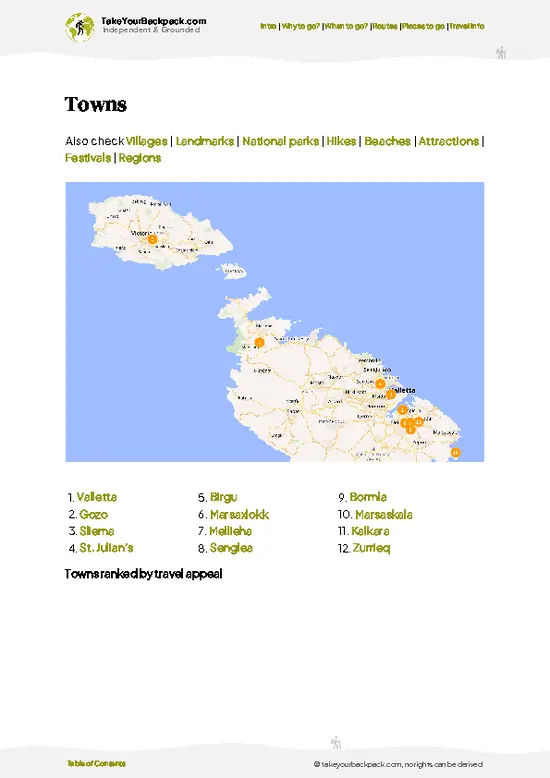
  • Senglea—gardjola tower, panoramic bastions, residential streets| 1 km away
  • Birgu—marina, Inquisitor’s Palace, narrow alleys| 1 km away
  • Sliema—seafront promenade, shopping streets, modern apartments| 2 km away

💡 Not sure where to go next?
Create a personalized itinerary for Malta including Valletta and the places that fit your trip.

Generate my itinerary

👉 Discover all towns

Or checkout all Malta has to offer (think cities, towns, villages, national parks, hikes, beaches, festivals)
Country photo of Malta

We 💚 feedbackSumming up the experience

Valletta’s charm sneaks up on you. The narrow streets hum with history, and the golden light at sunset makes the stone glow like it’s alive. Don’t miss the Upper Barracca Gardens; the view over the Grand Harbour is a jaw-dropper, especially with a local pastry in hand. Just a heads-up: the hills can be relentless. Embrace the sweat; it’s part of the experience. Every step leads to a new story, and trust me, the payoff is worth every uphill battle.

✍️ Help improve this page!
The information on this page is based on in-depth research, insights shared by experienced travelers, and feedback from the local travel community in Malta. While every effort is made to keep the information accurate and current, conditions can change — so if you spot anything incorrect or outdated, please get in touch.


🙋‍♂️ Give feedback

👋 Meet the founderWho’s Behind Take Your Backpack?

Johan, backpacker and founder of TakeYourBackpackHi, I’m Johan (Netherlands 🇳🇱), the creator of TakeYourBackpack. Over the past decade, I’ve backpacked through 80+ countries across six continents, gaining extensive experience with independent travel, long-term trips, and overland routes.

This site is built on a combination of firsthand travel experience and carefully curated insights from other backpackers. Many guides are based on places I’ve personally visited, while others bring together tips, observations, and practical advice shared by trusted travelers I’ve met along the way.

The goal is to provide realistic, experience-driven guidance — not generic itineraries — so you can explore destinations with better context, clearer expectations, and more confidence.

Get full Malta guide •
Instant download • 52 highlights • Full Offline guide