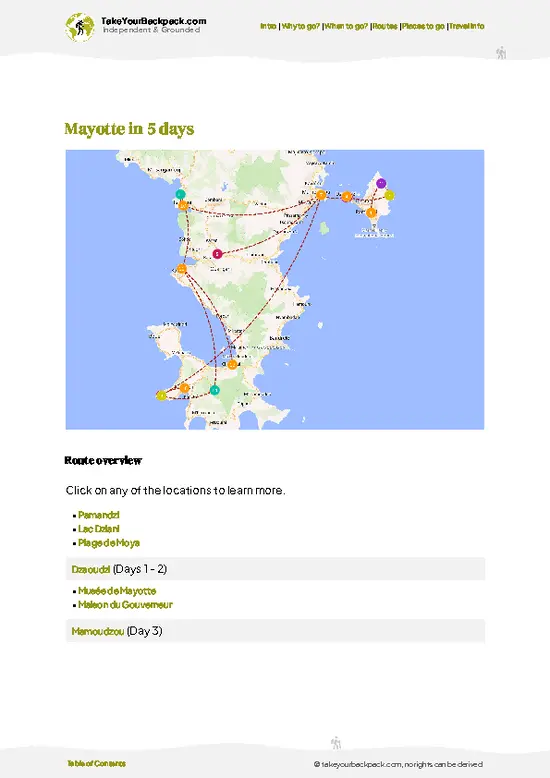
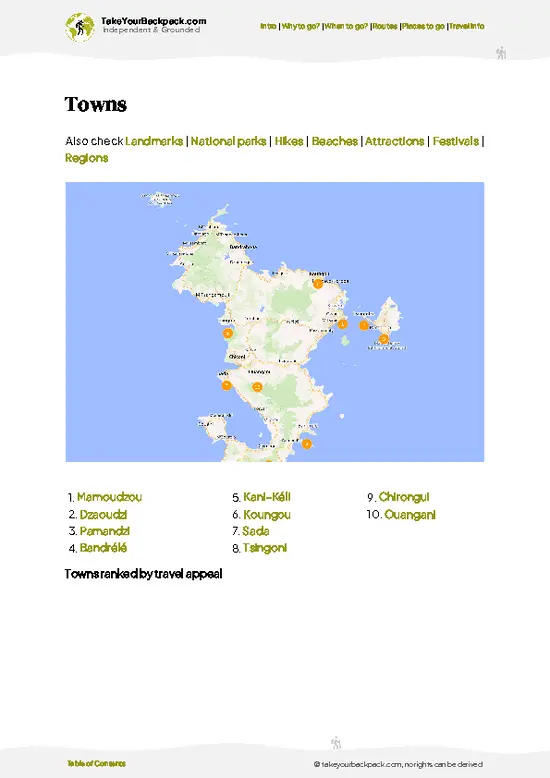
1. The Living Heritage Room
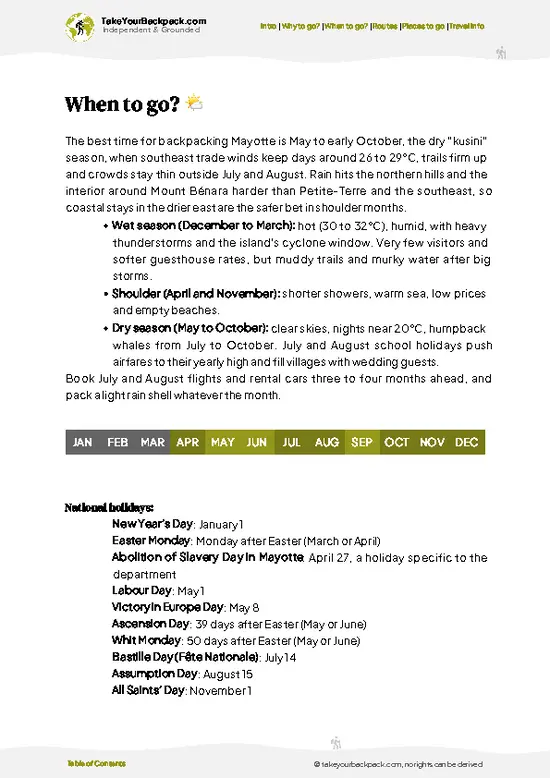
Forget the glass cases and hushed tones—this is where Mayotte’s real story kicks you in the shins. The Living Heritage Room isn’t about relics; it’s about the pulse of Mahoran life. You’ll find handwoven mats, musical instruments, and everyday objects that locals still use. The best part? The displays aren’t sanitized for tourists. You’ll see the wear, the patchwork repairs, the fingerprints of generations. This is the antidote to the Instagram fantasy of Mayotte as just a turquoise lagoon. Here, you get the grit and the pride, side by side.
2. The Swahili-Arabic Manuscripts
If you want to understand why Mayotte feels so different from the rest of France, start here. These manuscripts—some centuries old—are written in a script that fuses Swahili and Arabic, a reminder … read more 👉
Forget the glass cases and hushed tones—this is where Mayotte’s real story kicks you in the shins. The Living Heritage Room isn’t about relics; it’s about the pulse of Mahoran life. You’ll find handwoven mats, musical instruments, and everyday objects that locals still use. The best part? The displays aren’t sanitized for tourists. You’ll see the wear, the patchwork repairs, the fingerprints of generations. This is the antidote to the Instagram fantasy of Mayotte as just a turquoise lagoon. Here, you get the grit and the pride, side by side.
2. The Swahili-Arabic Manuscripts
If you want to understand why Mayotte feels so different from the rest of France, start here. These manuscripts—some centuries old—are written in a script that fuses Swahili and Arabic, a reminder … read more 👉
1. The Living Heritage Room
Forget the glass cases and hushed tones—this is where Mayotte’s real story kicks you in the shins. The Living Heritage Room isn’t about relics; it’s about the pulse of Mahoran life. You’ll find handwoven mats, musical instruments, and everyday objects that locals still use. The best part? The displays aren’t sanitized for tourists. You’ll see the wear, the patchwork repairs, the fingerprints of generations. This is the antidote to the Instagram fantasy of Mayotte as just a turquoise lagoon. Here, you get the grit and the pride, side by side.
2. The Swahili-Arabic Manuscripts
If you want to understand why Mayotte feels so different from the rest of France, start here. These manuscripts—some centuries old—are written in a script that fuses Swahili and Arabic, a reminder that Mayotte’s soul is Indian Ocean, not Parisian. You won’t find these texts in any mainland museum. They’re fragile, sometimes barely legible, but they’re the DNA of Mahoran identity. The staff will sometimes pull out a translation or two, and if you’re lucky, you’ll catch a local elder explaining the stories behind the script. This is living history, not just a dusty archive.
3. The Mahoran Wedding Exhibit
Instagram will show you a Mahoran wedding as a riot of color and gold. The museum shows you the layers beneath: the intricate henna patterns, the ceremonial garments, the symbolism of every gesture. There’s a whole section dedicated to the “grand mariage,” a rite of passage that can last days and bankrupt families—yes, the museum is honest about that, too. You’ll see photos, textiles, and even the actual jewelry worn by brides. It’s not just spectacle; it’s a window into how tradition and modernity collide on this island.
4. The Slavery and Colonialism Gallery
Brace yourself—this isn’t the sanitized version. The Musée de Mayotte doesn’t flinch from the island’s brutal past. Shackles, trade ledgers, and first-person accounts lay bare the reality of slavery and colonial exploitation. There’s no sugarcoating, no “it was a different time” nonsense. The gallery is compact but packs a punch, and it’s the rare place on the island where you’ll see locals and visitors alike stop, read, and actually talk about what they’ve seen. It’s uncomfortable, necessary, and—if you care about understanding Mayotte—absolutely essential.
5. The Outdoor Botanical Path
Most people come for the artifacts, but the museum’s outdoor path is where you’ll actually feel Mayotte under your feet. This isn’t a manicured French garden. It’s a living catalog of the island’s medicinal and culinary plants, from ylang-ylang to breadfruit. Placards explain how each plant is used in Mahoran households—think remedies, rituals, and recipes. If you time it right, you might catch a staff member crushing leaves or offering a taste of something you’ve never heard of. It’s hands-on, earthy, and a reminder that Mayotte’s magic is as much about what grows from the ground as what hangs on the walls.
Forget the glass cases and hushed tones—this is where Mayotte’s real story kicks you in the shins. The Living Heritage Room isn’t about relics; it’s about the pulse of Mahoran life. You’ll find handwoven mats, musical instruments, and everyday objects that locals still use. The best part? The displays aren’t sanitized for tourists. You’ll see the wear, the patchwork repairs, the fingerprints of generations. This is the antidote to the Instagram fantasy of Mayotte as just a turquoise lagoon. Here, you get the grit and the pride, side by side.
2. The Swahili-Arabic Manuscripts
If you want to understand why Mayotte feels so different from the rest of France, start here. These manuscripts—some centuries old—are written in a script that fuses Swahili and Arabic, a reminder that Mayotte’s soul is Indian Ocean, not Parisian. You won’t find these texts in any mainland museum. They’re fragile, sometimes barely legible, but they’re the DNA of Mahoran identity. The staff will sometimes pull out a translation or two, and if you’re lucky, you’ll catch a local elder explaining the stories behind the script. This is living history, not just a dusty archive.
3. The Mahoran Wedding Exhibit
Instagram will show you a Mahoran wedding as a riot of color and gold. The museum shows you the layers beneath: the intricate henna patterns, the ceremonial garments, the symbolism of every gesture. There’s a whole section dedicated to the “grand mariage,” a rite of passage that can last days and bankrupt families—yes, the museum is honest about that, too. You’ll see photos, textiles, and even the actual jewelry worn by brides. It’s not just spectacle; it’s a window into how tradition and modernity collide on this island.
4. The Slavery and Colonialism Gallery
Brace yourself—this isn’t the sanitized version. The Musée de Mayotte doesn’t flinch from the island’s brutal past. Shackles, trade ledgers, and first-person accounts lay bare the reality of slavery and colonial exploitation. There’s no sugarcoating, no “it was a different time” nonsense. The gallery is compact but packs a punch, and it’s the rare place on the island where you’ll see locals and visitors alike stop, read, and actually talk about what they’ve seen. It’s uncomfortable, necessary, and—if you care about understanding Mayotte—absolutely essential.
5. The Outdoor Botanical Path
Most people come for the artifacts, but the museum’s outdoor path is where you’ll actually feel Mayotte under your feet. This isn’t a manicured French garden. It’s a living catalog of the island’s medicinal and culinary plants, from ylang-ylang to breadfruit. Placards explain how each plant is used in Mahoran households—think remedies, rituals, and recipes. If you time it right, you might catch a staff member crushing leaves or offering a taste of something you’ve never heard of. It’s hands-on, earthy, and a reminder that Mayotte’s magic is as much about what grows from the ground as what hangs on the walls.
Spotted a mistake or missing something? Contact us.
v2.webp)

Best Backpacking
Hi, I’m Johan (Netherlands 🇳🇱), the creator of TakeYourBackpack. Over the past decade, I’ve backpacked through 80+ countries across six continents, gaining extensive experience with independent travel, long-term trips, and overland routes.