v2.webp)
1. Naslavcea Panoramic Cliff Overlook
The raw edge of Moldova meets the Dniester River here, and you feel it in your bones. The overlook isn’t a manicured viewpoint—it’s a natural limestone bluff, wind-burnished and wild, where the river bends in a horseshoe below. The air smells faintly of wild thyme and river mud. You’ll hear the distant clatter of Ukrainian church bells across the water, a reminder that you’re standing at the very tip of Moldova. This spot isn’t just about the view (though it’s the kind that makes you forget your phone exists); it’s about the sensation of standing at a border, both literal and figurative. Early morning is best, when the mist lifts and the light turns the river silver. Free to visit, but you’ll want sturdy shoes for the uneven ground. Give yourself at least … read more 👉
The raw edge of Moldova meets the Dniester River here, and you feel it in your bones. The overlook isn’t a manicured viewpoint—it’s a natural limestone bluff, wind-burnished and wild, where the river bends in a horseshoe below. The air smells faintly of wild thyme and river mud. You’ll hear the distant clatter of Ukrainian church bells across the water, a reminder that you’re standing at the very tip of Moldova. This spot isn’t just about the view (though it’s the kind that makes you forget your phone exists); it’s about the sensation of standing at a border, both literal and figurative. Early morning is best, when the mist lifts and the light turns the river silver. Free to visit, but you’ll want sturdy shoes for the uneven ground. Give yourself at least … read more 👉
1. Naslavcea Panoramic Cliff Overlook
The raw edge of Moldova meets the Dniester River here, and you feel it in your bones. The overlook isn’t a manicured viewpoint—it’s a natural limestone bluff, wind-burnished and wild, where the river bends in a horseshoe below. The air smells faintly of wild thyme and river mud. You’ll hear the distant clatter of Ukrainian church bells across the water, a reminder that you’re standing at the very tip of Moldova. This spot isn’t just about the view (though it’s the kind that makes you forget your phone exists); it’s about the sensation of standing at a border, both literal and figurative. Early morning is best, when the mist lifts and the light turns the river silver. Free to visit, but you’ll want sturdy shoes for the uneven ground. Give yourself at least 45 minutes—longer if you want to let the silence work its magic.
2. Naslavcea Orthodox Church (Biserica Sfânta Treime)
This isn’t a grand cathedral; it’s a humble, whitewashed church with a blue tin roof, perched above the village. The scent of beeswax and incense lingers inside, and the icons are worn smooth by generations of hands. If you’re lucky, you’ll catch the low hum of a liturgy or the quiet bustle of locals tending the grounds. The church is a living piece of Naslavcea’s soul—more than a photo stop, it’s a place to witness the rhythms of village faith. Modest dress is expected, and a respectful pause is appreciated. Visit late morning or early afternoon, when the doors are most likely open and sunlight slants through the windows. No entry fee. Allow 20-30 minutes, longer if you linger in the small, flower-filled yard.
3. Village Walking Circuit: Traditional Homes and Orchard Lanes
Naslavcea’s spirit isn’t locked in a museum—it’s in the slow, sensory walk through its lived-in lanes. Start near the church and wander downhill: you’ll pass pastel-painted homes with carved wooden gates, gardens bursting with tomatoes and sunflowers, and the occasional goat peering over a fence. The air is thick with the scent of apples in late summer, and you might be invited for a shot of homemade țuică if you smile and greet the locals. This is where you feel the pulse of the place—quiet, unhurried, and deeply Moldovan. Best in the golden hour before sunset, when the light softens and the village feels suspended in time. Free, of course. Give yourself at least an hour; the real value is in not rushing.
Naslavcea is compact, but its edges open up to adventure: the Saharna Monastery’s cliffside caves and the rocky outcrops of Tipova are both within easy reach for day trips, each offering a different flavor of Moldova’s borderland beauty.
The raw edge of Moldova meets the Dniester River here, and you feel it in your bones. The overlook isn’t a manicured viewpoint—it’s a natural limestone bluff, wind-burnished and wild, where the river bends in a horseshoe below. The air smells faintly of wild thyme and river mud. You’ll hear the distant clatter of Ukrainian church bells across the water, a reminder that you’re standing at the very tip of Moldova. This spot isn’t just about the view (though it’s the kind that makes you forget your phone exists); it’s about the sensation of standing at a border, both literal and figurative. Early morning is best, when the mist lifts and the light turns the river silver. Free to visit, but you’ll want sturdy shoes for the uneven ground. Give yourself at least 45 minutes—longer if you want to let the silence work its magic.
2. Naslavcea Orthodox Church (Biserica Sfânta Treime)
This isn’t a grand cathedral; it’s a humble, whitewashed church with a blue tin roof, perched above the village. The scent of beeswax and incense lingers inside, and the icons are worn smooth by generations of hands. If you’re lucky, you’ll catch the low hum of a liturgy or the quiet bustle of locals tending the grounds. The church is a living piece of Naslavcea’s soul—more than a photo stop, it’s a place to witness the rhythms of village faith. Modest dress is expected, and a respectful pause is appreciated. Visit late morning or early afternoon, when the doors are most likely open and sunlight slants through the windows. No entry fee. Allow 20-30 minutes, longer if you linger in the small, flower-filled yard.
3. Village Walking Circuit: Traditional Homes and Orchard Lanes
Naslavcea’s spirit isn’t locked in a museum—it’s in the slow, sensory walk through its lived-in lanes. Start near the church and wander downhill: you’ll pass pastel-painted homes with carved wooden gates, gardens bursting with tomatoes and sunflowers, and the occasional goat peering over a fence. The air is thick with the scent of apples in late summer, and you might be invited for a shot of homemade țuică if you smile and greet the locals. This is where you feel the pulse of the place—quiet, unhurried, and deeply Moldovan. Best in the golden hour before sunset, when the light softens and the village feels suspended in time. Free, of course. Give yourself at least an hour; the real value is in not rushing.
Naslavcea is compact, but its edges open up to adventure: the Saharna Monastery’s cliffside caves and the rocky outcrops of Tipova are both within easy reach for day trips, each offering a different flavor of Moldova’s borderland beauty.
Spotted a mistake or missing something? Contact us.


 Best Backpacking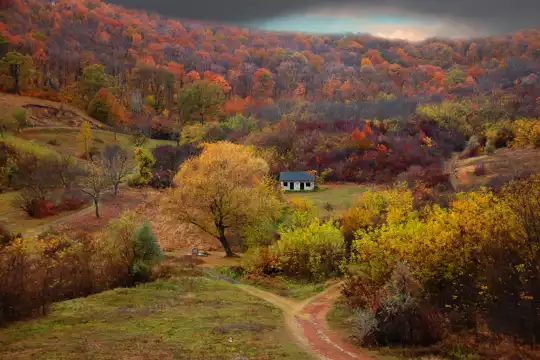
.jpg) Hi, I’m Johan (Netherlands 🇳🇱), the creator of TakeYourBackpack. Over the past decade, I’ve backpacked through 80+ countries across six continents, gaining extensive experience with independent travel, long-term trips, and overland routes.
Hi, I’m Johan (Netherlands 🇳🇱), the creator of TakeYourBackpack. Over the past decade, I’ve backpacked through 80+ countries across six continents, gaining extensive experience with independent travel, long-term trips, and overland routes.