v2.webp)
- Rupestral cave monastery — A real cliff-carved monastery with tiny cells, a cave chapel and monks’ niches cut into the limestone. It’s atmospheric and intimate in a way modern churches rarely are — you’ll feel the scale and solitude of medieval monastic life up close.
- Multi-layer archaeological site — Orheiul Vechi isn’t just one period: you can spot traces from prehistoric settlements through Geto-Dacian fortifications to medieval and Tatar occupations. Walking the site is like stepping through stacked chapters of history.
- Hilltop fortress ruins — Ruins on the promontory that once guarded the river route give a strong sense of the strategic importance of the place. The earthworks and stone remnants are compact but evocative — great for imagining border skirmishes and watchful sentries.
- Rupestral cave monastery — A real cliff-carved monastery with tiny cells, a cave chapel and monks’ niches cut into the limestone. It’s atmospheric and intimate in a way modern churches rarely are — you’ll feel the scale and solitude of medieval monastic life up close.
- Multi-layer archaeological site — Orheiul Vechi isn’t just one period: you can spot traces from prehistoric settlements through Geto-Dacian fortifications to medieval and Tatar occupations. Walking the site is like stepping through stacked chapters of history.
- Hilltop fortress ruins — Ruins on the promontory that once guarded the river route give a strong sense of the strategic importance of the place. The earthworks and stone remnants are compact but evocative — great for imagining border skirmishes and watchful sentries.
- Răut river valley panoramas — The cliffs drop dramatically to the Răut river and the surrounding terraced hills. Sunrise or sunset here is worth the early wake-up; the light makes the limestone and vineyards glow and gives excellent photo angles.
- Butuceni ethnographic village — A short walk from the site, Butuceni has restored traditional houses, family guesthouses and hands-on workshops (pottery, weaving, cooking). It’s the practical place to stay cheaply and experience local life without the tourist gloss.
- Troglodyte caves and rock cellars — Beyond the monastery there are dozens of small cave dwellings and rock-cut cellars used historically for storage and wine ageing. They show how people adapted to the karst landscape — simple, clever, and oddly cozy.
- Local food, wine and living traditions — Small homestays and village eateries serve hearty Moldovan fare and local wine; you can join a family meal, taste homemade wine and hear folklore stories. It’s the cultural side that turns a visit from “sightseeing” into a real place-memory.
Spotted a mistake or missing something? Contact us.

Best of Moldova: Cricova Winery & Old Orhei and Curchi Monastery

Highlights of Moldova - Curchi, Old Orhei and Cricova (Optional)

Authentic Moldova - Excursion to Orhei Vechi

Stone age experience Old Orhei Monasterie Brănești Cellar

Private Bike Tour to Orheiul Vechi Old Orhei and Branesti Cellars

Orheiul Vechi and Curchi Private Day Trip




 Best Backpacking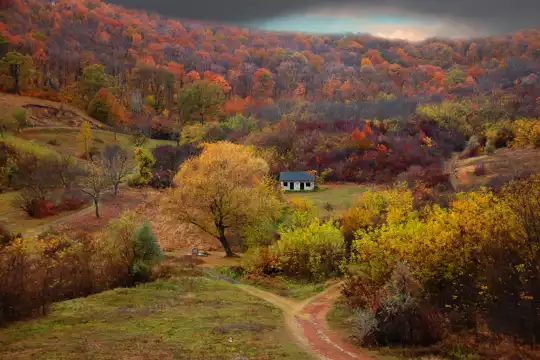
.jpg) Hi, I’m Johan (Netherlands 🇳🇱), the creator of TakeYourBackpack. Over the past decade, I’ve backpacked through 80+ countries across six continents, gaining extensive experience with independent travel, long-term trips, and overland routes.
Hi, I’m Johan (Netherlands 🇳🇱), the creator of TakeYourBackpack. Over the past decade, I’ve backpacked through 80+ countries across six continents, gaining extensive experience with independent travel, long-term trips, and overland routes.