v2.webp)
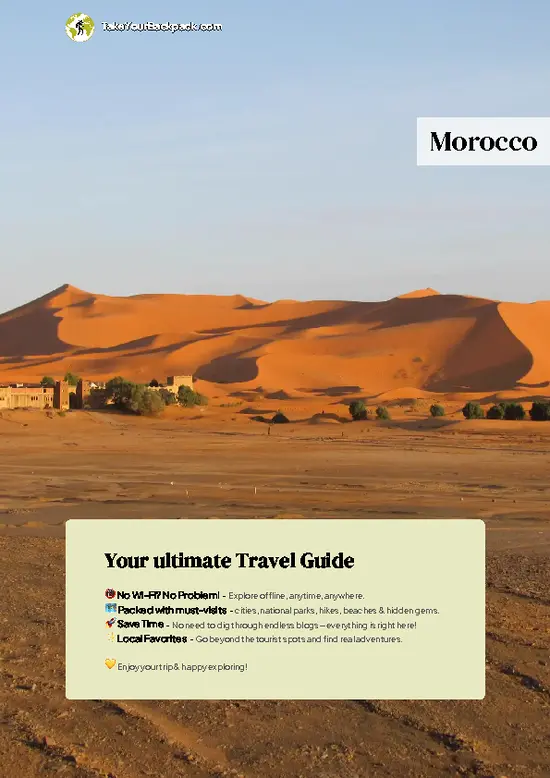
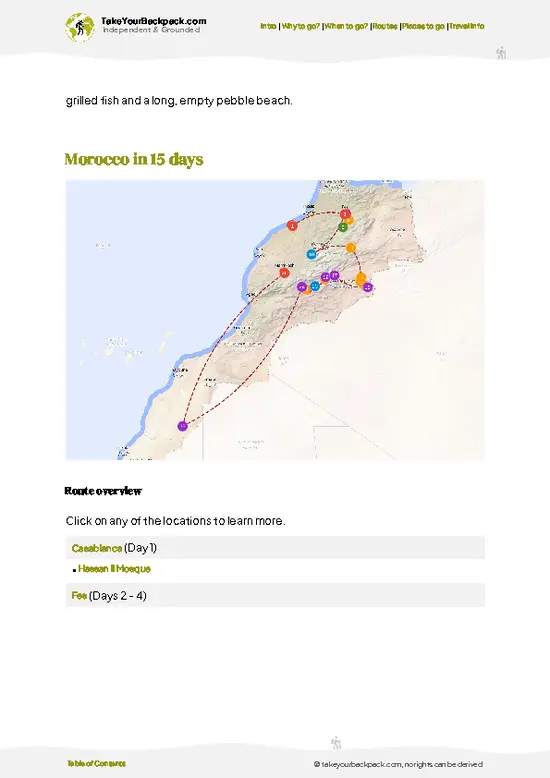
- Shrine of Moulay Idriss I: The reason everyone comes. Pilgrims gather around the mausoleum of the dynasty’s founder, and non-Muslims cannot enter, but the surrounding square shows the devotion clearly.
- Sufi brotherhood processions: Groups in matching robes march with drums, flutes and banners through the narrow streets, and the sound bounces off the walls.
- Fantasia horse displays: Riders in traditional dress charge in line and fire rifles in unison. Get a spot early at the field edge for the best view.
- Khiyat and Sarha viewpoints: The rooftops and terraces on the two hills give the best overview of the crowd, the green shrine roof and the valley beyond.
- Street food and market stalls: Grilled meat, sweets, nuts and fresh fruit line the lanes, and the stalls fill with pilgrims buying souvenirs and
- Shrine of Moulay Idriss I: The reason everyone comes. Pilgrims gather around the mausoleum of the dynasty’s founder, and non-Muslims cannot enter, but the surrounding square shows the devotion clearly.
- Sufi brotherhood processions: Groups in matching robes march with drums, flutes and banners through the narrow streets, and the sound bounces off the walls.
- Fantasia horse displays: Riders in traditional dress charge in line and fire rifles in unison. Get a spot early at the field edge for the best view.
- Khiyat and Sarha viewpoints: The rooftops and terraces on the two hills give the best overview of the crowd, the green shrine roof and the valley beyond.
- Street food and market stalls: Grilled meat, sweets, nuts and fresh fruit line the lanes, and the stalls fill with pilgrims buying souvenirs and prayer items.
Spotted a mistake or missing something? Contact us.

Full-Day Tour from Fez to Vollubulis, Moulay Idriss Zerhoun, Mèknes

Private Excursion to Volubilis Meknes and Moulay Idriss from Fez

Private Day Trip to Volubilis Meknes and Moulay Driss From Fez

From Fes to Volubilis, Moulay Idriss and Meknes day trip

Tangier transfer from Fes via Volubilis and Chefchaouen

Excursion privée d’une journée à Meknes volubilis et Moulay Idris

Full day Fez Guided Tour

Day trip from Fez to Volubilis and Meknes

Private VIP 2 Days Tour to Tangier night at Chefchaouen from Fes

 Best Backpacking
.jpg) Hi, I’m Johan (Netherlands 🇳🇱), the creator of TakeYourBackpack. Over the past 3 decades, I’ve backpacked through 90+ countries across six continents, gaining extensive experience with independent travel, long-term trips, and overland routes.
Hi, I’m Johan (Netherlands 🇳🇱), the creator of TakeYourBackpack. Over the past 3 decades, I’ve backpacked through 90+ countries across six continents, gaining extensive experience with independent travel, long-term trips, and overland routes.