v2.webp)
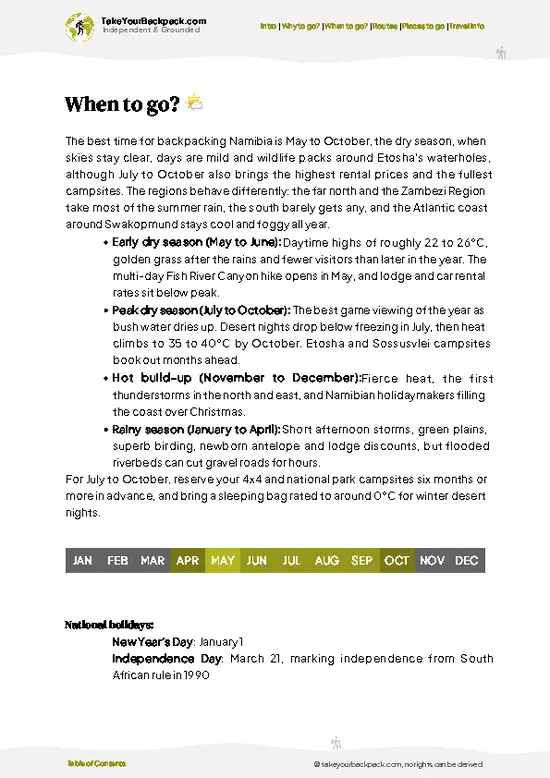
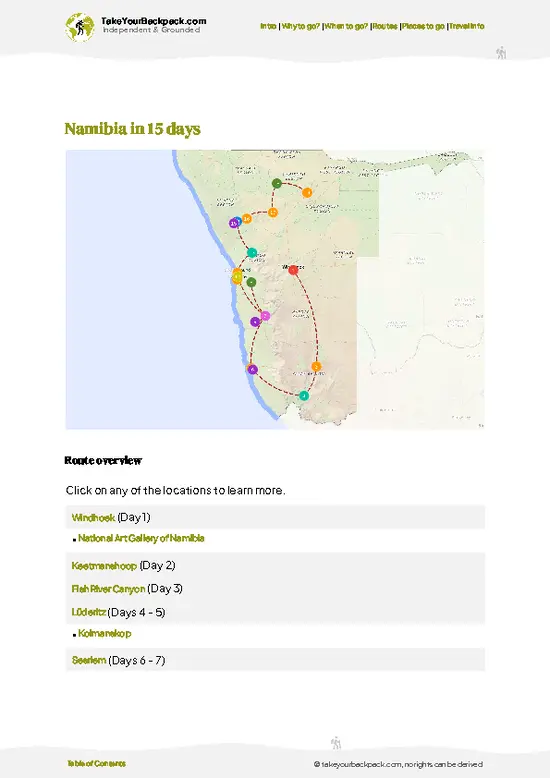
- Dolphin Beach shoreline walk: The firm, damp sand at low tide makes for easy, long walking. Bring binoculars, because Heaviside’s dolphins do occasionally surface beyond the breakers, and pelicans, cormorants and gulls are regular company. Expect kelp, shells and the smell of cold salt water.
- Surf angling: Fishing from the shore is the beach’s everyday pastime. Locals cast long rods into the surf for species such as kob, and you will see anglers lined up near their parked vehicles. Watching them is entertaining even if you never touch a rod.
- Sunset braai on the sand: Namibians bring coolers and grills to this stretch of coast on weekends. The sky turns amber over the water while the dunes behind cool to a soft pink. Pack a windbreak and warm layers, as the air chills quickly after the sun drops.
- Dolphin Beach shoreline walk: The firm, damp sand at low tide makes for easy, long walking. Bring binoculars, because Heaviside’s dolphins do occasionally surface beyond the breakers, and pelicans, cormorants and gulls are regular company. Expect kelp, shells and the smell of cold salt water.
- Surf angling: Fishing from the shore is the beach’s everyday pastime. Locals cast long rods into the surf for species such as kob, and you will see anglers lined up near their parked vehicles. Watching them is entertaining even if you never touch a rod.
- Sunset braai on the sand: Namibians bring coolers and grills to this stretch of coast on weekends. The sky turns amber over the water while the dunes behind cool to a soft pink. Pack a windbreak and warm layers, as the air chills quickly after the sun drops.
- Dune backdrop and sandboarding country: The dunes behind the beach are part of the Namib sand sea that reaches the coast around here. They are best appreciated for their shape and color, especially when low light picks out the ridgelines. Sandboarding and quad biking are offered by operators in the surrounding area, and the beach makes a good cool-down afterward.
Spotted a mistake or missing something? Contact us.

Sandwich Harbour Seals and Dune Tour

Seal Kayaking at Pelican Point from Swakopmund

Sandwich Harbour & Pelican Point Tour 7hours

Seal Kayaking at Pelican Point from Walvis Bay
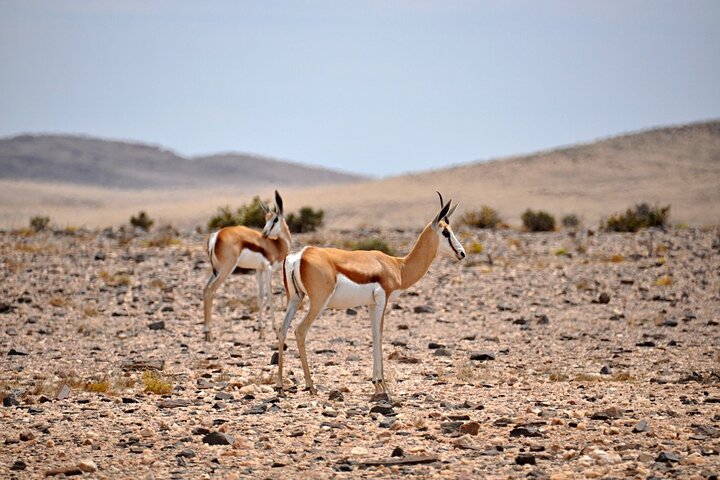
Namib Desert Landscape Tour

Sandwich Harbour 4x4 Private Guided Tour(Cruise clients welcome)

Sandwich Harbour 4x4 Guided Tour - Unforgettable Adventure

Mola Mola Day with Beach Braai Lunch

Sandwich Harbour Half Day Scenic Excursion

 Best Backpacking
.jpg) Hi, I’m Johan (Netherlands 🇳🇱), the creator of TakeYourBackpack. Over the past 3 decades, I’ve backpacked through 90+ countries across six continents, gaining extensive experience with independent travel, long-term trips, and overland routes.
Hi, I’m Johan (Netherlands 🇳🇱), the creator of TakeYourBackpack. Over the past 3 decades, I’ve backpacked through 90+ countries across six continents, gaining extensive experience with independent travel, long-term trips, and overland routes.