v2.webp)


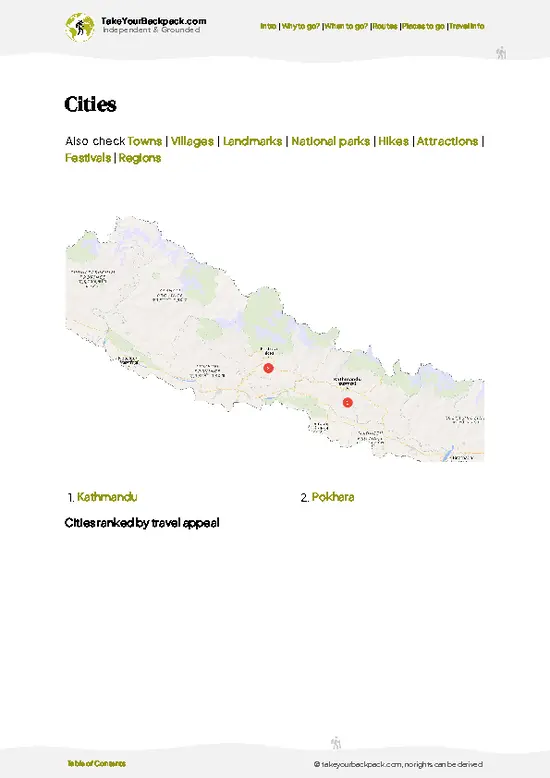
- The giant chariot and the pulling procession — A massive, beautifully carved wooden chariot is the literal centerpiece. Whole neighborhoods take turns hauling it through narrow streets with thick ropes, drums, horns and chanting; being part of a pull (or watching from the sidelines when it squeaks past) is pure, physical festival energy. Personal favorite: joining a pull at dusk — sweaty, loud and oddly addictive.
- Traditional masked dances and street theatre — Newar masked performances (think demons, deities and comic characters) break up the procession with choreography, thunderous drums and crisp cymbals. They’re not staged for tourists — they’re ritual acts with costumes, stories and a raw theatricality that feels alive rather than polished.
- Bhoto Jatra (the public display of the vest)
- The giant chariot and the pulling procession — A massive, beautifully carved wooden chariot is the literal centerpiece. Whole neighborhoods take turns hauling it through narrow streets with thick ropes, drums, horns and chanting; being part of a pull (or watching from the sidelines when it squeaks past) is pure, physical festival energy. Personal favorite: joining a pull at dusk — sweaty, loud and oddly addictive.
- Traditional masked dances and street theatre — Newar masked performances (think demons, deities and comic characters) break up the procession with choreography, thunderous drums and crisp cymbals. They’re not staged for tourists — they’re ritual acts with costumes, stories and a raw theatricality that feels alive rather than polished.
- Bhoto Jatra (the public display of the vest) — A unique ritual where a sacred vest is shown from the chariot to the crowds, symbolically resolving an old dispute and marking the festival’s climax. It’s one of those things you won’t see anywhere else and always draws a huge, excited crowd around the central square.
- Local rituals, offerings and sacred stops — The route isn’t just about spectacle; the chariot halts at tiny shrines and courtyards for prayers, priestly rites and offerings to local deities. Those quiet, incense-wreathed moments between the chaos feel intimate and remind you this is a deeply spiritual event tied to the agricultural cycle.
- Community atmosphere and neighborhood rivalries — What makes the whole thing human is how different wards and families pour themselves into it: feasts, temporary shrines, children running alongside the ropes, impromptu songs. There’s friendly rivalry about who gets the honor of pulling or hosting the deity, and that local pride gives the festival its color and warmth.
Spotted a mistake or missing something? Contact us.

Jungle Towernight Stay In Chitwan National Park ,nepal-2 Nights 3 Days Package

Jeep safari (Sharing, 4-5 hrs.) inside Chitwan National Park.

Jungle Towernight Stay: 4-Day Tour in Chitwan National Park

2 Nights 3 Days Chitwan National Park Package with Jeep Safari

Tiger Tracking Safari (Private) in Chitwan National Park, 4 Days.

Chitwan to Pokhara Tourist Bus Sofa seater

Tourist Bus Tickets: Kathmandu to Chitwan or Chitwan to KTM

One Day Safari (Sharing) inside Chitwan National Park

Jeep Safari (Private, 8-10 hrs.)inside Chitwan National Park.

 Best Backpacking
.jpg) Hi, I’m Johan (Netherlands 🇳🇱), the creator of TakeYourBackpack. Over the past 3 decades, I’ve backpacked through 90+ countries across six continents, gaining extensive experience with independent travel, long-term trips, and overland routes.
Hi, I’m Johan (Netherlands 🇳🇱), the creator of TakeYourBackpack. Over the past 3 decades, I’ve backpacked through 90+ countries across six continents, gaining extensive experience with independent travel, long-term trips, and overland routes.