v2.webp)
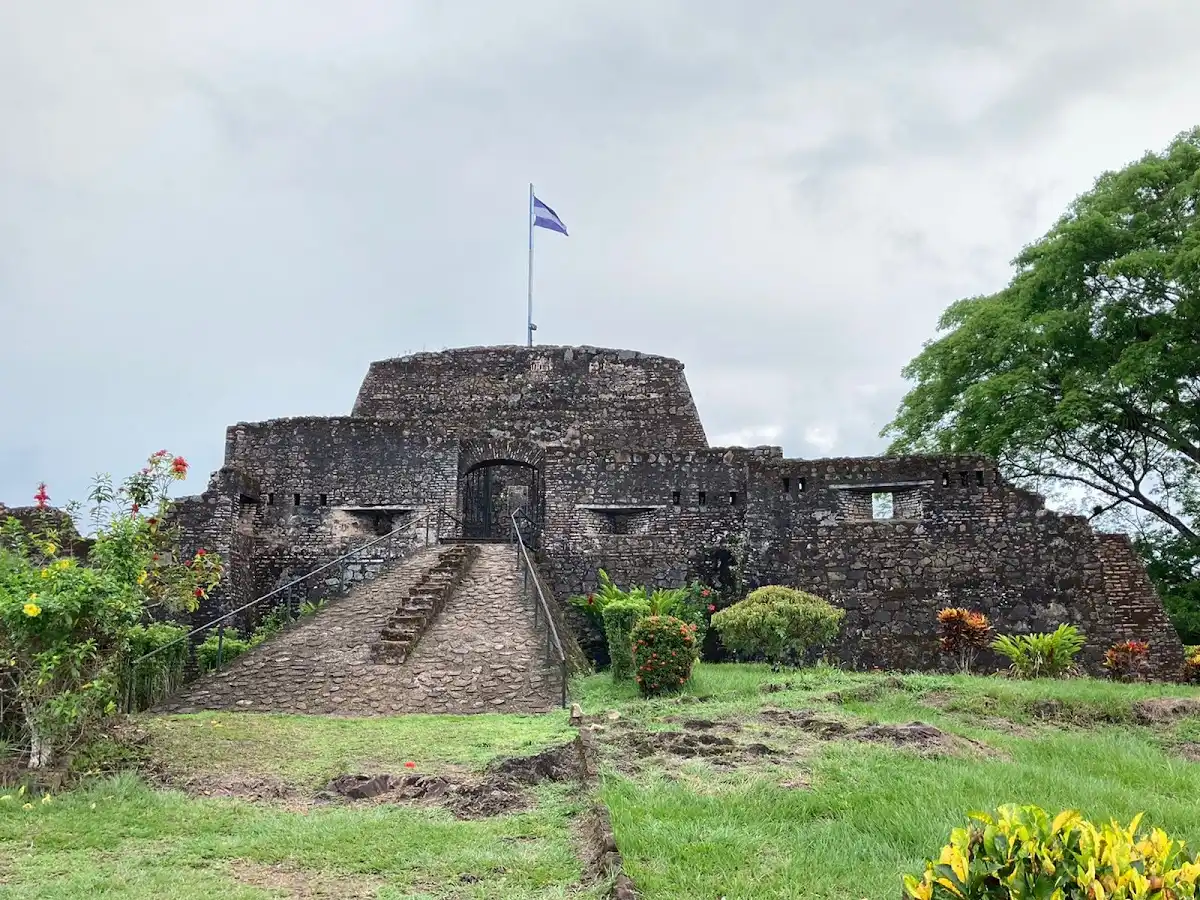
- Fortaleza de la Inmaculada Concepción — The town’s 17th/18th-century fort is the reason El Castillo exists; thick stone walls, cannons and crumbling bastions tell the story of colonial river warfare and make for the town’s most photogenic spot.
- Fort ramparts and lookout points — Walk the ramparts for sweeping views of the Río San Juan and Lake Nicaragua entrance; it’s a great place to watch river traffic, birds and the occasional crocodile without leaving the village.
- Fort’s small interpretive displays and historic rooms — Inside the fortress you’ll find basic exhibits, old maps and artefacts that provide context to what you’re seeing on the walls — small, low-key but useful if you care about history on site.
- Riverside malecón and boat pier — The wooden pier and riverfront are where life
- Fortaleza de la Inmaculada Concepción — The town’s 17th/18th-century fort is the reason El Castillo exists; thick stone walls, cannons and crumbling bastions tell the story of colonial river warfare and make for the town’s most photogenic spot.
- Fort ramparts and lookout points — Walk the ramparts for sweeping views of the Río San Juan and Lake Nicaragua entrance; it’s a great place to watch river traffic, birds and the occasional crocodile without leaving the village.
- Fort’s small interpretive displays and historic rooms — Inside the fortress you’ll find basic exhibits, old maps and artefacts that provide context to what you’re seeing on the walls — small, low-key but useful if you care about history on site.
- Riverside malecón and boat pier — The wooden pier and riverfront are where life happens: local panga launches, fishermen cleaning their catch, kids jumping in the water and beautiful sunsets over a working river.
- Main plaza and parish church — The town square is where locals gather; the modest church beside it gives you a glimpse of daily religious life and is a good spot for people-watching, especially on market days or Sundays.
- Local market stalls and riverside comedores — Small vendors sell fresh river fish, empanadas, fruit and handmade sweets — eating at a riverside comedor is one of the best ways to taste local life and flavors without fuss.
- Community-run homestays and guesthouses — Staying in a family-run casa or choosing a small lodge in town gives you direct cultural contact: shared meals, stories, and practical help arranging jungle or boat trips the local way.
- Boatmen’s landing and trip-booking hub — This cluster of skiffs and boatmen is where you arrange Indio Maíz or crocodile-spotting excursions; even if you don’t take a trip, watching the comings and goings is an authentic slice of river life.
- Quiet backstreets and traditional wooden houses — Wander the village lanes to see classic Caribbean-influenced wooden architecture, backyard gardens and friendly neighborhood scenes that give you a feel for everyday El Castillo beyond the fort.
- Short riparian trails and guided walks leaving from town — Local guides run brief jungle walks that start right in or next to the village; these are perfect for seeing river-edge wildlife, learning about medicinal plants and getting a taste of the surrounding rainforest without a long boat ride.
Spotted a mistake or missing something? Contact us.
 Best Backpacking
.jpg) Hi, I’m Johan (Netherlands 🇳🇱), the creator of TakeYourBackpack. Over the past decade, I’ve backpacked through 80+ countries across six continents, gaining extensive experience with independent travel, long-term trips, and overland routes.
Hi, I’m Johan (Netherlands 🇳🇱), the creator of TakeYourBackpack. Over the past decade, I’ve backpacked through 80+ countries across six continents, gaining extensive experience with independent travel, long-term trips, and overland routes.