


- The ancient cavea and seating tiers — The semi-circular stone seating is remarkably intact, giving you the real sense of how thousands once watched plays and ceremonies; the layout and stepped rows are a textbook example of Hellenistic/Roman theatre design that you can still walk through.
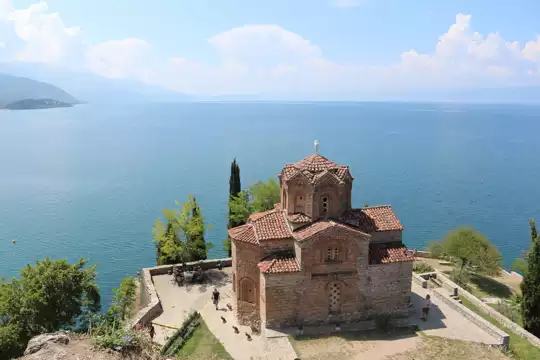
- Lakeside perch with postcard views — Perched above the bay of Lake Ohrid, the theatre frames sweeping lake-and-mountain vistas that make even a quick stop feel like a mini-photo pilgrimage, especially when the light softens toward evening.
- Natural acoustics that still work — The way sound carries here is no accident: the shape and stone construction produce surprisingly clear acoustics, which is why contemporary concerts and readings here feel both intimate and powerful.
- Layers of history underfoot —
- The ancient cavea and seating tiers — The semi-circular stone seating is remarkably intact, giving you the real sense of how thousands once watched plays and ceremonies; the layout and stepped rows are a textbook example of Hellenistic/Roman theatre design that you can still walk through.
- Lakeside perch with postcard views — Perched above the bay of Lake Ohrid, the theatre frames sweeping lake-and-mountain vistas that make even a quick stop feel like a mini-photo pilgrimage, especially when the light softens toward evening.
- Natural acoustics that still work — The way sound carries here is no accident: the shape and stone construction produce surprisingly clear acoustics, which is why contemporary concerts and readings here feel both intimate and powerful.
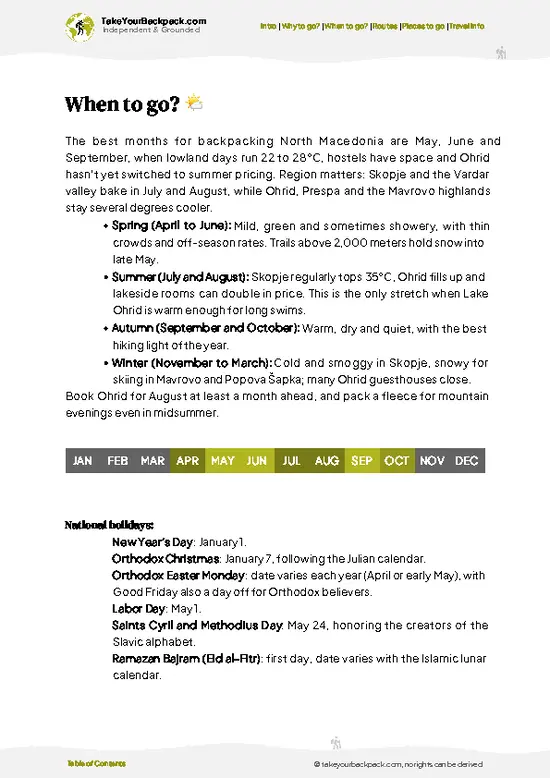
- Layers of history underfoot — Built in Hellenistic times and reshaped under Roman rule, the site shows visible palimpsests of different eras; that mix of periods gives the place a rich, lived-through character rather than a single frozen moment.
- Live cultural life — festivals and performances — The theatre isn’t just a ruin: it’s used for the Ohrid Summer Festival and occasional concerts, so you can see ancient stone doing modern cultural work — a nice way to connect past and present.
- Architectural details and carved stonework — Look closely at the surviving stage elements, column fragments and decorative blocks; the craftsmanship and reused pieces tell stories about the city’s artistic tastes and resourcefulness across centuries.
- Easy access to Old Town and archaeological context — A short walk from Ohrid’s old town, the theatre sits among other ruins and museums, so you can layer a visit with coastal strolls, churches, and local markets without needing a whole day or a guide.
Spotted a mistake or missing something? Contact us.

Monastery Winery Tour and Wine Tasting

Paragliding above Ohrid

Lake Ohrid Boat Trip Bay of Bones Saint Naum and Swim

S&S Winery - Wine Tasting Experience in Ohrid

Ohrid Old Town Panoramic Boat Tour

Ohrid cooking classes

ATV Full Day Adventure through National Park Galicica Ohrid

Stand up Paddle Tour in Lake Ohrid

Discover Ohrid Old Town Through the Eyes of a Local


 Best Backpacking
 Hi, I’m Johan (Netherlands 🇳🇱), the creator of TakeYourBackpack. Over the past 3 decades, I’ve backpacked through 90+ countries across six continents, gaining extensive experience with independent travel, long-term trips, and overland routes.