v2.webp)
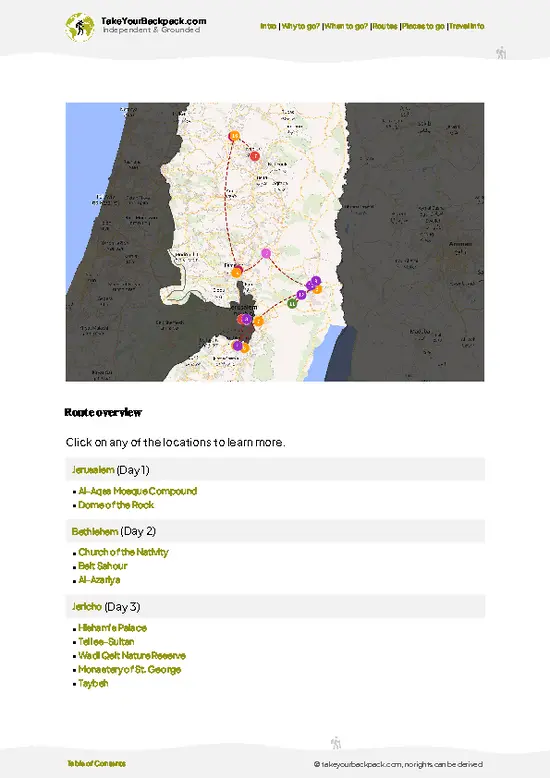
The Dome of the Rock
Let’s cut through the postcard haze: yes, the Dome’s golden roof is the Instagram shot, but standing beneath it is a different animal. The mosaics are not just pretty—they’re a centuries-old flex, a visual argument about faith and power. The real magic is in the details: Qur’anic inscriptions so intricate you’ll wish you’d paid more attention in art history, and a palpable sense of gravity. This is not just a photo op; it’s a place where the world’s tectonic plates of belief actually meet. Expect crowds, especially on Fridays, but don’t let that stop you. The energy is electric, not just spiritual—think of it as the world’s most intense open-air museum, with real stakes.
Al-Aqsa Mosque (The Qibli Mosque)
Forget the outside hype for a second. Inside, the mosque is a living, … read more 👉
Let’s cut through the postcard haze: yes, the Dome’s golden roof is the Instagram shot, but standing beneath it is a different animal. The mosaics are not just pretty—they’re a centuries-old flex, a visual argument about faith and power. The real magic is in the details: Qur’anic inscriptions so intricate you’ll wish you’d paid more attention in art history, and a palpable sense of gravity. This is not just a photo op; it’s a place where the world’s tectonic plates of belief actually meet. Expect crowds, especially on Fridays, but don’t let that stop you. The energy is electric, not just spiritual—think of it as the world’s most intense open-air museum, with real stakes.
Al-Aqsa Mosque (The Qibli Mosque)
Forget the outside hype for a second. Inside, the mosque is a living, … read more 👉
The Dome of the Rock
Let’s cut through the postcard haze: yes, the Dome’s golden roof is the Instagram shot, but standing beneath it is a different animal. The mosaics are not just pretty—they’re a centuries-old flex, a visual argument about faith and power. The real magic is in the details: Qur’anic inscriptions so intricate you’ll wish you’d paid more attention in art history, and a palpable sense of gravity. This is not just a photo op; it’s a place where the world’s tectonic plates of belief actually meet. Expect crowds, especially on Fridays, but don’t let that stop you. The energy is electric, not just spiritual—think of it as the world’s most intense open-air museum, with real stakes.
Al-Aqsa Mosque (The Qibli Mosque)
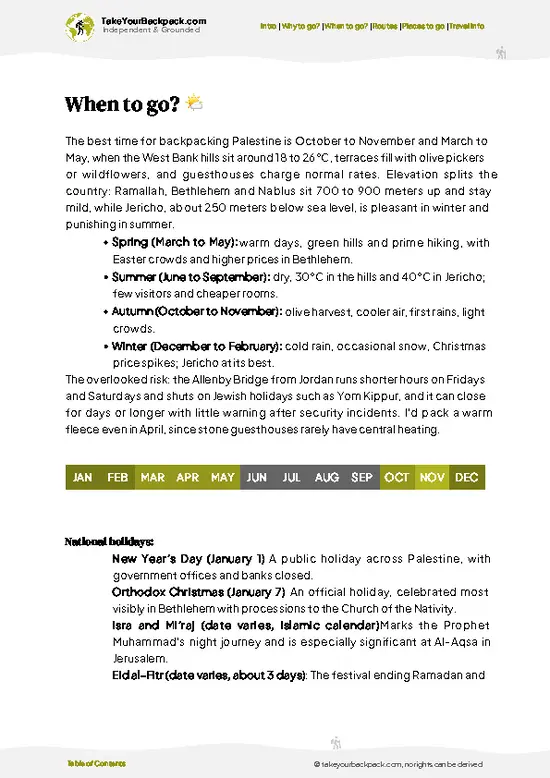
Forget the outside hype for a second. Inside, the mosque is a living, breathing place of worship. The carpets are worn, the air is thick with incense and whispered prayers, and the sense of continuity is overwhelming. This is not a relic; it’s a heartbeat. Non-Muslims can’t enter during prayer times, but even from the threshold, you feel the pulse of a community that’s been gathering here for over a millennium. The real entertainment is people-watching: families, scholars, and pilgrims all weaving their own stories into the fabric of the place.
The Western Portico and Ancient Olive Trees
Here’s where the Instagrammers usually give up, but you shouldn’t. The western edge of the compound is lined with olive trees older than most countries. Sit under one and you’ll hear the city’s soundtrack: kids playing soccer, old men debating politics, the call to prayer echoing off ancient stone. It’s the most honest slice of daily life you’ll get in Jerusalem. If you want to feel the compound’s soul, this is where you do it.
The Marwani Prayer Hall (Solomon’s Stables)
This underground hall is a jaw-dropper. Originally built as a substructure, it’s now a vast, echoing prayer space. The columns are thick, the arches are low, and the history is layered—Roman, Umayyad, Crusader. It’s cooler (literally and figuratively) than the sun-baked courtyards above. Access can be limited, but if you get in, you’ll see a side of the compound most tourists miss. This is my personal favorite: it feels like you’ve slipped through a crack in time.
The Islamic Museum
Skip the gift shop and head here instead. The museum is small but dense, packed with relics that tell the story of Jerusalem’s many lives: ancient Qur’ans, Ottoman ceramics, even Crusader-era artifacts. It’s not flashy, but it’s real. If you want context for everything you’ve seen outside, this is where you get it—no filter, no spin, just raw history.
The Compound at Dawn
If you’re chasing a moment that feels private, come at first light. The crowds are gone, the air is cool, and the city feels like it’s holding its breath. The compound is at its most honest—no vendors, no noise, just the sound of birds and the city waking up. It’s the closest you’ll get to having the place to yourself, and it’s worth the early alarm.
Let’s cut through the postcard haze: yes, the Dome’s golden roof is the Instagram shot, but standing beneath it is a different animal. The mosaics are not just pretty—they’re a centuries-old flex, a visual argument about faith and power. The real magic is in the details: Qur’anic inscriptions so intricate you’ll wish you’d paid more attention in art history, and a palpable sense of gravity. This is not just a photo op; it’s a place where the world’s tectonic plates of belief actually meet. Expect crowds, especially on Fridays, but don’t let that stop you. The energy is electric, not just spiritual—think of it as the world’s most intense open-air museum, with real stakes.
Al-Aqsa Mosque (The Qibli Mosque)
Forget the outside hype for a second. Inside, the mosque is a living, breathing place of worship. The carpets are worn, the air is thick with incense and whispered prayers, and the sense of continuity is overwhelming. This is not a relic; it’s a heartbeat. Non-Muslims can’t enter during prayer times, but even from the threshold, you feel the pulse of a community that’s been gathering here for over a millennium. The real entertainment is people-watching: families, scholars, and pilgrims all weaving their own stories into the fabric of the place.
The Western Portico and Ancient Olive Trees
Here’s where the Instagrammers usually give up, but you shouldn’t. The western edge of the compound is lined with olive trees older than most countries. Sit under one and you’ll hear the city’s soundtrack: kids playing soccer, old men debating politics, the call to prayer echoing off ancient stone. It’s the most honest slice of daily life you’ll get in Jerusalem. If you want to feel the compound’s soul, this is where you do it.
The Marwani Prayer Hall (Solomon’s Stables)
This underground hall is a jaw-dropper. Originally built as a substructure, it’s now a vast, echoing prayer space. The columns are thick, the arches are low, and the history is layered—Roman, Umayyad, Crusader. It’s cooler (literally and figuratively) than the sun-baked courtyards above. Access can be limited, but if you get in, you’ll see a side of the compound most tourists miss. This is my personal favorite: it feels like you’ve slipped through a crack in time.
The Islamic Museum
Skip the gift shop and head here instead. The museum is small but dense, packed with relics that tell the story of Jerusalem’s many lives: ancient Qur’ans, Ottoman ceramics, even Crusader-era artifacts. It’s not flashy, but it’s real. If you want context for everything you’ve seen outside, this is where you get it—no filter, no spin, just raw history.
The Compound at Dawn
If you’re chasing a moment that feels private, come at first light. The crowds are gone, the air is cool, and the city feels like it’s holding its breath. The compound is at its most honest—no vendors, no noise, just the sound of birds and the city waking up. It’s the closest you’ll get to having the place to yourself, and it’s worth the early alarm.
Spotted a mistake or missing something? Contact us.


 Best Backpacking
.jpg) Hi, I’m Johan (Netherlands 🇳🇱), the creator of TakeYourBackpack. Over the past 3 decades, I’ve backpacked through 90+ countries across six continents, gaining extensive experience with independent travel, long-term trips, and overland routes.
Hi, I’m Johan (Netherlands 🇳🇱), the creator of TakeYourBackpack. Over the past 3 decades, I’ve backpacked through 90+ countries across six continents, gaining extensive experience with independent travel, long-term trips, and overland routes.