
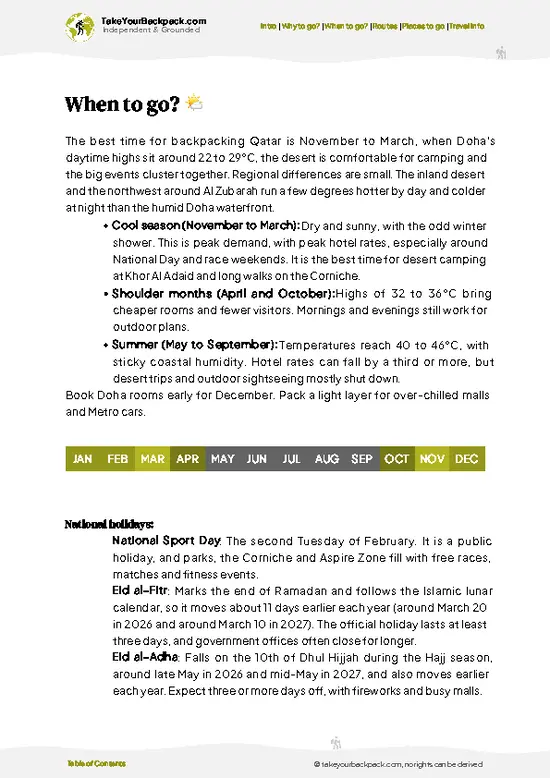
1. The Permanent Collection: A Crash Course in Arab Modernism
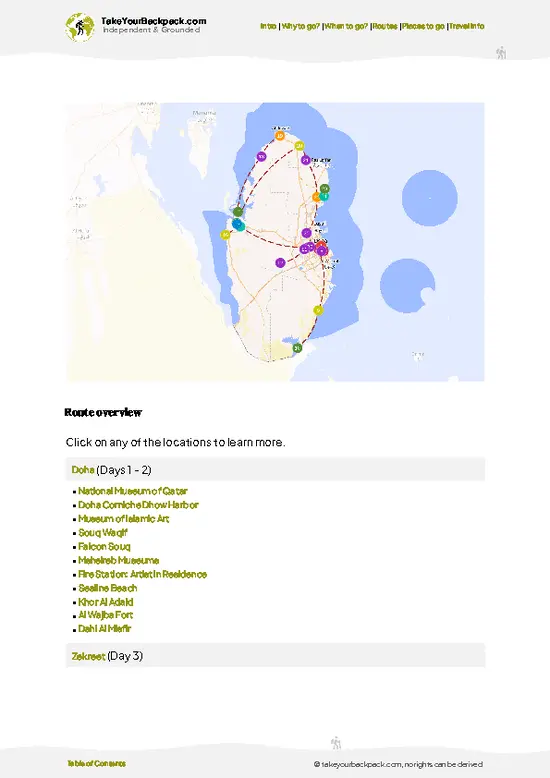
Forget the sanitized, echoing white cubes you see on influencer feeds. Mathaf’s permanent collection is a living argument—sometimes messy, sometimes electrifying—about what “modern” means in the Arab world. You’ll see Iraqi abstraction hanging next to North African surrealism, Palestinian protest art across from Gulf minimalism. The curation isn’t afraid to challenge you. This is not a museum that tiptoes around politics or identity. If you want to understand the region’s creative pulse, start here. You’ll leave with more questions than answers, which is exactly the point.
2. The Library: A Sanctuary for the Curious
Most visitors breeze past the library, but that’s a rookie mistake. This isn’t just a quiet room with books; it’s a … read more 👉
1. The Permanent Collection: A Crash Course in Arab Modernism
Forget the sanitized, echoing white cubes you see on influencer feeds. Mathaf’s permanent collection is a living argument—sometimes messy, sometimes electrifying—about what “modern” means in the Arab world. You’ll see Iraqi abstraction hanging next to North African surrealism, Palestinian protest art across from Gulf minimalism. The curation isn’t afraid to challenge you. This is not a museum that tiptoes around politics or identity. If you want to understand the region’s creative pulse, start here. You’ll leave with more questions than answers, which is exactly the point.
2. The Library: A Sanctuary for the Curious
Most visitors breeze past the library, but that’s a rookie mistake. This isn’t just a quiet room with books; it’s a treasure trove of rare exhibition catalogs, out-of-print art theory, and archival photographs you won’t find digitized anywhere. If you’re the type who likes to dig deeper—maybe you want to trace the roots of Syrian conceptual art or decode the visual language of Algerian poster design—this is your playground. The staff actually know their stuff and won’t treat you like a nuisance for asking questions.
3. The Rotating Exhibitions: Where the Gloves Come Off
Here’s where Mathaf earns its reputation for risk-taking. The temporary shows are often raw, sometimes controversial, and never predictable. One month you might walk into a room filled with sound installations that rattle your bones; another, you’re face-to-face with a retrospective that rewrites the story of Arab feminism. These exhibitions aren’t curated for Instagram—they’re curated to provoke, to unsettle, to make you argue with your travel partner over coffee afterward. If you want safe, go elsewhere.
4. The Outdoor Sculpture Park: Art That Fights the Heat
Qatar’s sun is relentless, but Mathaf’s outdoor installations are worth braving it. These aren’t afterthoughts; they’re site-specific works that play with shadow, sand, and the brutal honesty of the desert. Some pieces are monumental, others almost disappear into the landscape. Either way, you’re forced to confront art outside the air-conditioned bubble, which is a rare thrill in Doha.
5. The Café: Where the Conversation Continues
It’s not just a caffeine pit stop. The café is where artists, curators, and the odd philosopher actually hang out. Don’t be surprised if you overhear a heated debate about censorship or the future of Arab art. The food is solid, the coffee is strong, and the people-watching is world-class. If you want to feel the pulse of the creative scene, linger here.
Spotted a mistake or missing something? Contact us.


 Best Backpacking

 Hi, I’m Johan (Netherlands 🇳🇱), the creator of TakeYourBackpack. Over the past 3 decades, I’ve backpacked through 90+ countries across six continents, gaining extensive experience with independent travel, long-term trips, and overland routes.