×

Rwanda🇷🇼 | festivalsUbumuntu Arts FestivalTheater-led, physical performance, memory and forgiveness, post-show talks | things to do and best time to go

Explore Hobe Rwanda FestivalExplore Fespad (Pan-African Dance Festival)

Backpacking in Ubumuntu Arts
🌟 Highlightfestival ranked #3
By Johan Kruseman 🇳🇱 | Updated October 22, 2026

Years ago Ubumuntu Arts Festival was a small, reflective gathering of artists and local audiences, held close to the memory of the 1994 genocide against the Tutsi. Today performers arrive from many countries, and a traveler can build a trip around it. It takes place in Kigali, in Rwanda’s capital, over about five days toward the end of the year, with theater, dance, music and storytelling organized around the idea of shared humanity. Entry has generally been free, so the costs that catch people out are beds, which fill up and climb in price once dates circulate. Book early. Schedules shift and shows can start late, so confirm the venue the day before and keep small cash for moto and taxi rides. Dress modestly at memorial sites. Unlike Kigali Up, a ticketed music festival, Ubumuntu is theater-led and quiet in tone.

Discover everything you want to know in the 📖 Rwanda Travel Guide.


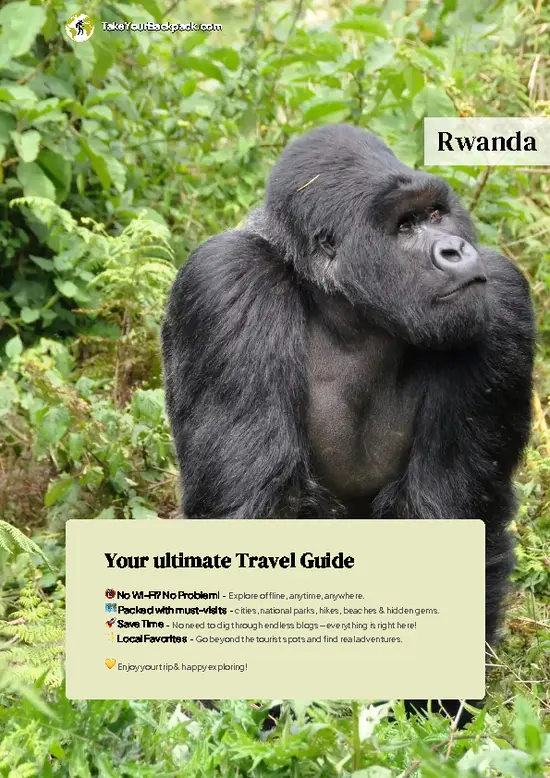
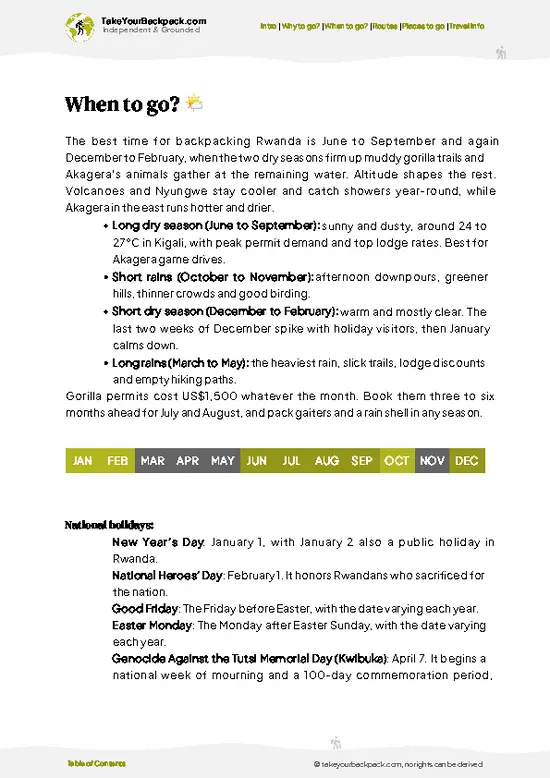
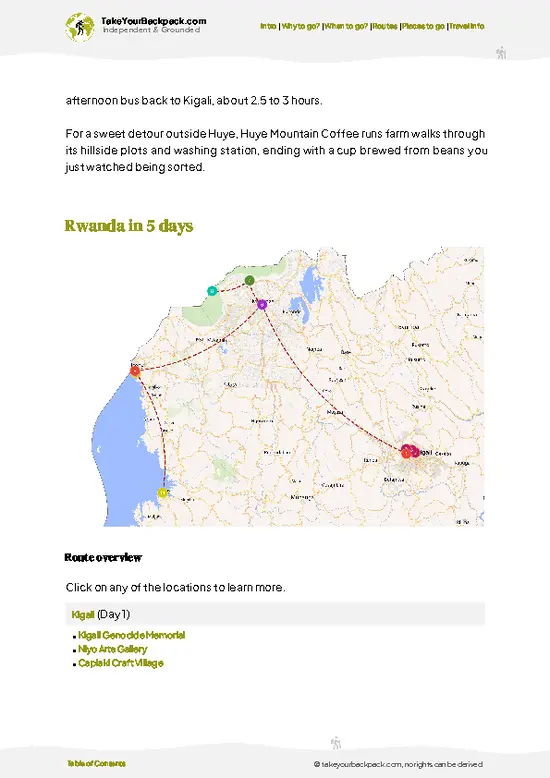
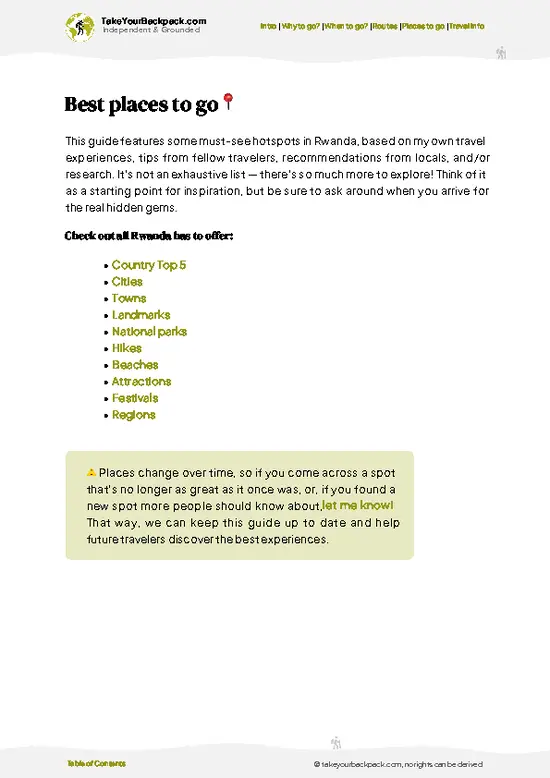
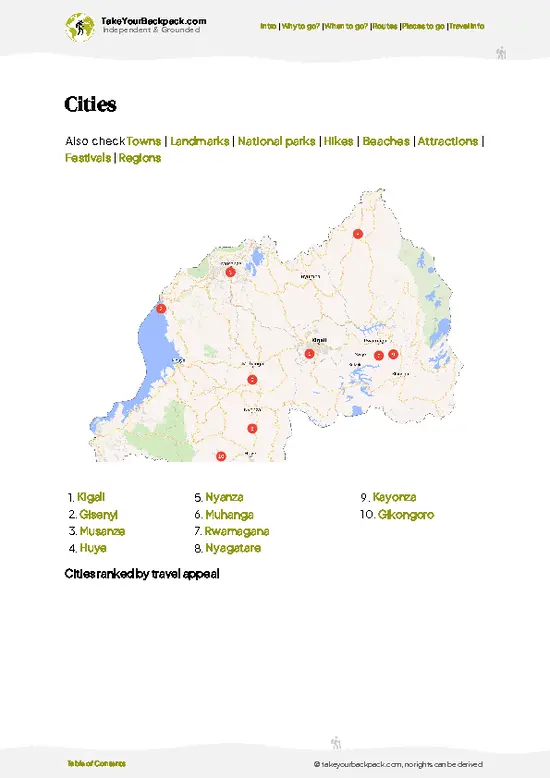
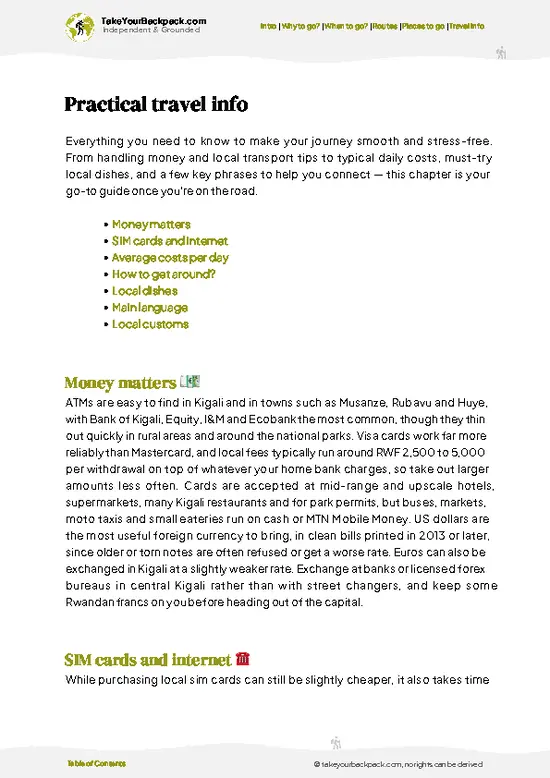
example page 0 from our offline Travel Guide for Rwanda
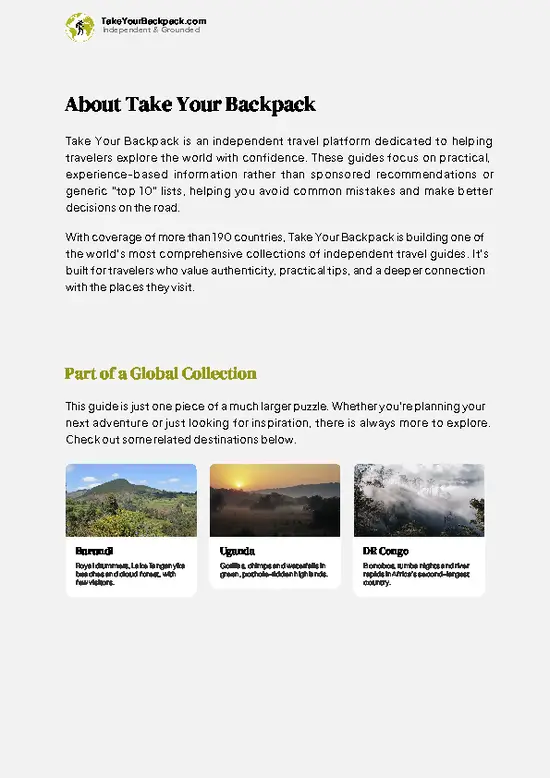
example page 1 from our offline Travel Guide for Rwanda
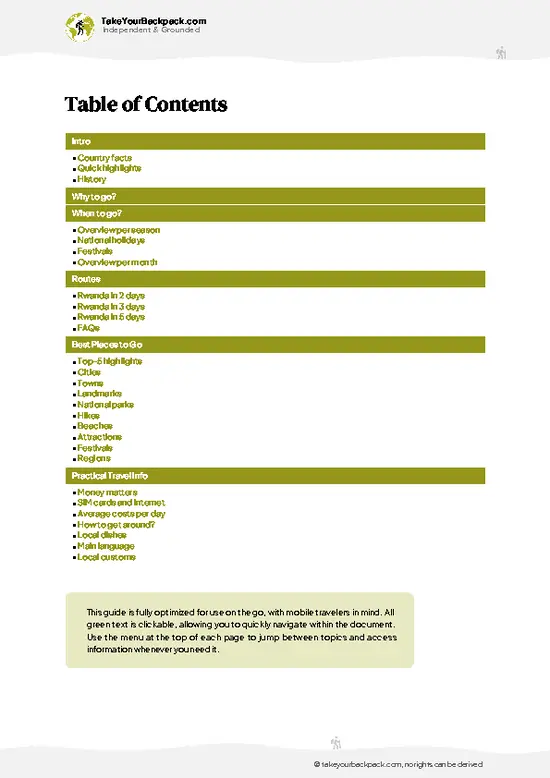
example page 2 from our offline Travel Guide for Rwanda
example page 3 from our offline Travel Guide for Rwanda
example page 4 from our offline Travel Guide for Rwanda
example page 5 from our offline Travel Guide for Rwanda
example page 6 from our offline Travel Guide for Rwanda
example page 7 from our offline Travel Guide for Rwanda
Loading the map 🌍
CLICK TO FILTER
cities
towns
landmarks
national parks
hikes
beaches
attractions
festivals
regions
SHOW COUNTRY’S BESTSHOW ALL

✨ Why go?
Ranked #3 festival in Rwanda
What makes it a must-see festival

Ubumuntu Arts Festival gives you something most backpacker festivals can’t: a room full of strangers who came to listen. The social energy is real, but it runs on attention rather than alcohol. Audiences stay after shows to talk with performers, and in a few days you can meet playwrights, dancers and Rwandan students without any effort.

The festival was founded by director Hope Azeda and her company Mashirika, and its theme of “ubumuntu” (roughly, humanness) shapes the choices made on stage. That gives you a way into Rwanda’s history that sits alongside, and adds to, a museum visit. Many pieces deal with memory, loss and repair, and you will leave with questions a guidebook can’t supply.

It also fits longer plans well. Kigali is the hub for gorilla trekking in the northwest and lake towns … read more 👉
Ubumuntu Arts Festival gives you something most backpacker festivals can’t: a room full of strangers who came to listen. The social energy is real, but it runs on attention rather than alcohol. Audiences stay after shows to talk with performers, and in a few days you can meet playwrights, dancers and Rwandan students without any effort.

The festival was founded by director Hope Azeda and her company Mashirika, and its theme of “ubumuntu” (roughly, humanness) shapes the choices made on stage. That gives you a way into Rwanda’s history that sits alongside, and adds to, a museum visit. Many pieces deal with memory, loss and repair, and you will leave with questions a guidebook can’t supply.

It also fits longer plans well. Kigali is the hub for gorilla trekking in the northwest and lake towns in the west, so the festival makes a natural opening or closing chapter. Because entry has generally been free, the money you save can go toward a trek or a few extra nights in a guesthouse. Choose your dates around the festival, not the other way round.

💡 HighlightsMust-see experiences and standout moments

  1. The main stage theater performances. This is what the festival is known for: full productions from Rwandan and international companies, many in several languages, with acting that leans on body and voice more than set design. Expect pieces about conflict, memory and forgiveness, some hard to watch and several unexpectedly funny.
  2. Physical theater and contemporary dance. Language barriers matter less here, which suits a mixed crowd of backpackers. Performers use movement, drumming and silence, and the shows often run in open-air spaces where the audience sits close enough to hear breathing.
  3. Traditional Rwandan music and Intore dance. Drummers and Intore dancers appear alongside the contemporary acts. The high leaps, spears and shaking headdresses of Intore make the best cultural introduction you
… read more 👉
  1. The main stage theater performances. This is what the festival is known for: full productions from Rwandan and international companies, many in several languages, with acting that leans on body and voice more than set design. Expect pieces about conflict, memory and forgiveness, some hard to watch and several unexpectedly funny.
  2. Physical theater and contemporary dance. Language barriers matter less here, which suits a mixed crowd of backpackers. Performers use movement, drumming and silence, and the shows often run in open-air spaces where the audience sits close enough to hear breathing.
  3. Traditional Rwandan music and Intore dance. Drummers and Intore dancers appear alongside the contemporary acts. The high leaps, spears and shaking headdresses of Intore make the best cultural introduction you can get without traveling to a village performance.
  4. Talks, workshops and post-show conversations. Artists stay to discuss what they made and why. These sessions are where the festival’s idea of shared humanity becomes practical, and where you will likely meet local students, actors and writers who can point you toward other events in Kigali.
  5. Visiting Kigali Genocide Memorial. The festival’s themes are tied to the history this memorial documents, and many visitors go before or between shows. Entry is free, with donations welcome, and the exhibits and gardens take around two hours. Go early in your trip, because the performances read differently once you have.
Ubumuntu Arts Festival fills about five days, and seeing the main shows plus one memorial visit takes roughly two to three full days, leaving room to rest between the heavier performances.
Spotted a mistake or missing something? Contact us.

Things to do near Ubumuntu Arts Festival

Ratings based on Tripadvisor reviews. When you book through this link, you support our work at no extra cost to you.

🌤️ When to go?When is the celebration of Ubumuntu Arts Festival?

Ubumuntu Arts Festival is held in Kigali, Rwanda, in the last week of November or early December, runs about five days, and is based at the Kigali Genocide Memorial and nearby venues, with dates that shift slightly each edition.
  • Best day: The opening day sets the tone with the largest crowds and a mix of performances, while the closing day offers farewell shows. Midweek afternoons are calmer and easier for seeing multiple acts.
  • Weather: Expect warm days around 24 to 27°C (75 to 81°F), cool evenings near 15 to 17°C (59 to 63°F), and afternoon showers, since the short rains are underway. Bring a light rain jacket, sunscreen, and a sweater for evening shows.
  • Booking: Book a bed three to four weeks ahead. Kigali rates rise roughly 10 to 25 percent when events and conferences overlap.
  • Getting around:
… read more 👉
Ubumuntu Arts Festival is held in Kigali, Rwanda, in the last week of November or early December, runs about five days, and is based at the Kigali Genocide Memorial and nearby venues, with dates that shift slightly each edition.
  • Best day: The opening day sets the tone with the largest crowds and a mix of performances, while the closing day offers farewell shows. Midweek afternoons are calmer and easier for seeing multiple acts.
  • Weather: Expect warm days around 24 to 27°C (75 to 81°F), cool evenings near 15 to 17°C (59 to 63°F), and afternoon showers, since the short rains are underway. Bring a light rain jacket, sunscreen, and a sweater for evening shows.
  • Booking: Book a bed three to four weeks ahead. Kigali rates rise roughly 10 to 25 percent when events and conferences overlap.
  • Getting around: Arrive the day before and leave the morning after. Kigali traffic jams build on weekday evenings between 5 and 7 pm, so allow extra time for moto-taxis and buses.
Check the festival’s official channels for the exact program a few weeks out, because venues and show times can change between editions.


source: climatestotravel.comJANJanuary: not recommended for travelingFEBFebruary: not recommended for travelingMARMarch: not recommended for travelingAPRApril: not recommended for travelingMAYMay: not recommended for travelingJUNJune: not recommended for travelingJULJuly: excellent for travelingAUGAugust: not recommended for travelingSEPSeptember: not recommended for travelingOCTOctober: not recommended for travelingNOVNovember: not recommended for travelingDECDecember: not recommended for traveling

✈️ The backpacker research shortcutRwanda Travel Guide

An offline-friendly backpacking guide with optimized travel routes, ranked highlights, transport advice, and the best areas to stay.
example page 0 from our offline Travel Guide for Rwanda
example page 1 from our offline Travel Guide for Rwanda
example page 2 from our offline Travel Guide for Rwanda
example page 3 from our offline Travel Guide for Rwanda
example page 4 from our offline Travel Guide for Rwanda
example page 5 from our offline Travel Guide for Rwanda
example page 6 from our offline Travel Guide for Rwanda
example page 7 from our offline Travel Guide for Rwanda
The digital guide (233 pages) contains:
✅ 57 highlights, ranked by travel appeal
✅ Optimized 2, 3 & 5-day travel routes
✅ Cities, national parks, landmarks, beaches
✅ How to get around
✅ Offline-friendly for travel without Wi-Fi
👉 Click to see all 30+ guide features

📅 Plan smarter in minutes, not weeks
✅ Month by month travel advice
✅ Festivals & national holidays
✅ Budget expectations

🗺️ Go to the right places, skip the overrated ones
✅ Honest pros & cons of destinations
✅ Top hikes, parks & viewpoints
✅ Lesser-known places most travelers miss
✅ Clear “worth it vs skip it” guidance

🛏️ Travel smoothly without rookie mistakes
✅ Best areas to stay
✅ Transport systems explained simply
✅ Common scams & safety advice
✅ SIM cards, money & practical tips

🌍 Understand the country, not just visit it
✅ Culture & traditions
✅ 52 Essential phrases & customs
✅ Festivals worth planning around
✅ Traveler-friendly historical context
✅ Insights that make places more meaningful

📱 Built for real travel conditions
✅ Fully downloadable PDF
✅ Works completely offline
✅ Optimized for phone use
✅ Useful in remote areas & buses
✅ Everything in one place
Stop searching, start planning
Get instant access to your full guide. 30‑day money-back guarantee.
+ Add another guide for just

By proceeding you agree to our terms.
Sent to your inbox immediately after payment • 100% Secure Checkout
Best Backpacking Travel Advisor 2025 tourism awardBest Backpacking
Travel Advisor
2025
What others say about Take Your Backpack Guides:
⭐⭐⭐⭐⭐
Fantastic, amazing amount of information!
⭐⭐⭐⭐⭐
My goodness this is amazing, it's what I've been looking for hats off too you!
⭐⭐⭐⭐⭐
I think this is absolutely BRILLIANT
⭐⭐⭐⭐
Very complete and informative. It's still missing places, but I gotta to commend you
⭐⭐⭐⭐⭐
This is truly amazing, thank you, can't wait to explore it with my kids!
⭐⭐⭐⭐⭐
Awesome resource, thank you!
⭐⭐⭐⭐⭐
This is amazing! Can't wait to explore the ones I haven't seen
⭐⭐⭐⭐
I love this! Well done, great idea.
⭐⭐⭐⭐⭐
Thanks for taking the time to make this gem!
⭐⭐⭐⭐⭐
This might be the best website I've ever seen.
⭐⭐⭐⭐⭐
Congratulations, and thank you so much for your work; it's incredibly valuable.
⭐⭐⭐⭐
In all seriousness I think you did a great job pointing out the important spots
⭐⭐⭐⭐⭐
10/10 very good
⭐⭐⭐⭐⭐
As someone who's only just starting to visit regularly this is awesome, thank you.
⭐⭐⭐⭐
Thank you very much! I'm going to visit my dad, it's going to be very useful!
⭐⭐⭐⭐⭐
This is really cool! We'll be travelling for the first time and this definitely come in handy.
⭐⭐⭐⭐⭐
You are now our minister of culture, congratulations 👨‍💼
⭐⭐⭐⭐⭐
Just wanted to tell you that this is a pearl! Going to follow your recommendations.
⭐⭐⭐⭐⭐
This is so cool. I'll definitely be using the resource for my travels soon.
⭐⭐⭐⭐⭐
This is very impressive! Good work.
⭐⭐⭐⭐⭐
This is an amazing and informative site. Very well done!

🛏️ Where to stay?Choosing the right base

Kimihurura is the best area for backpackers heading to Ubumuntu Arts Festival, because it has the most social energy and sits a short moto ride from the main venues. Its restaurants and bars fill with travelers and expats, and you can walk home after dark along lit main streets. Expect a 10 to 15 minute ride to the memorial for US$1 to 2.

Kiyovu is the quieter, leafier option. It suits solo travelers who want calm evenings, easy access to cafés, and a safe walk to most places. It is closer to the city center and the memorial, but fewer budget beds are found here, so book early.

The city center … read more 👉
Kimihurura is the best area for backpackers heading to Ubumuntu Arts Festival, because it has the most social energy and sits a short moto ride from the main venues. Its restaurants and bars fill with travelers and expats, and you can walk home after dark along lit main streets. Expect a 10 to 15 minute ride to the memorial for US$1 to 2.

Kiyovu is the quieter, leafier option. It suits solo travelers who want calm evenings, easy access to cafés, and a safe walk to most places. It is closer to the city center and the memorial, but fewer budget beds are found here, so book early.

The city center around Nyarugenge and the main bus station is the cheapest base. You can reach buses to Musanze, Huye, and Rubavu easily, and the area is busy and practical rather than pretty. Take a moto or taxi after dark rather than walking.

Remera, near the airport and Amahoro Stadium, gives good value for money. Local restaurants are plentiful and the bus links into town are frequent, though you will spend more time in transit. Choose it if the cheaper rate matters more than nightlife.

Across all areas, use registered moto-taxis or ride-hailing apps at night, and book a few weeks ahead because festival week fills dorms quickly.

👛 Costs (as of 22 October 2026)What things cost and how to budget

Ubumuntu Arts Festival costs most independent travelers about US$28 to 81 a day, including a dorm bed, local transport, and food.
CategoryBudget RangeLocal Reality
Festival ticketsUS$0 to 15Many performances are free or low cost, and some special shows charge a small entrance fee. Check the program for ticketed events.
AccommodationUS$12 to 30Dorms in Kigali run about US$12 to 20 in high season, and private budget rooms cost US$25 to 45. Prices rise during the festival.
Local transportUS$3 to 8Moto-taxis cost US$1 to 2 per ride within the city, and buses cost less than US$1. Ride-hailing apps run slightly higher.
Food & drinksUS$10 to 20Buffet lunches cost US$2 to 4, brochettes about US$1 to 2, and a local beer around US$1.50 to 2.50.
Miscellaneous expensesUS$3 to 8Covers bottled water, a SIM
… read more 👉
Ubumuntu Arts Festival costs most independent travelers about US$28 to 81 a day, including a dorm bed, local transport, and food.
CategoryBudget RangeLocal Reality
Festival ticketsUS$0 to 15Many performances are free or low cost, and some special shows charge a small entrance fee. Check the program for ticketed events.
AccommodationUS$12 to 30Dorms in Kigali run about US$12 to 20 in high season, and private budget rooms cost US$25 to 45. Prices rise during the festival.
Local transportUS$3 to 8Moto-taxis cost US$1 to 2 per ride within the city, and buses cost less than US$1. Ride-hailing apps run slightly higher.
Food & drinksUS$10 to 20Buffet lunches cost US$2 to 4, brochettes about US$1 to 2, and a local beer around US$1.50 to 2.50.
Miscellaneous expensesUS$3 to 8Covers bottled water, a SIM card with data, small tips, and souvenirs from craft stalls.
Total Daily BudgetUS$28 to 81About US$55 on average for a comfortable backpacker plan.
⚠️ Prices can change and everyone travels differently, so take this as a rough guide. Hope it helps you plan your adventure!

🍲 FoodWhat to Eat & Drink

Food at Ubumuntu Arts Festival is mostly a Kigali affair, with small vendors and cafés near the venues rather than a big stall village, so plan to eat around the shows.

The local staple is the buffet lunch, often called a “mixed plate”, with rice, beans, plantain, cassava leaves, and a little stewed meat or fish. Try brochettes, grilled goat or beef skewers served with roasted banana, which are the go-to evening snack in Kigali. Isombe (cassava leaves in a rich sauce) and ugali-style cassava paste are filling and good for stretching a budget.

For drinks, local Primus and Mützig beers are the standard, and you can add a Fanta or a cold Inyange juice in the afternoon. Rwandan coffee is superb and sold in nearby cafés, so grab a cup between performances. Tea with milk and ginger, called Africa … read more 👉
Food at Ubumuntu Arts Festival is mostly a Kigali affair, with small vendors and cafés near the venues rather than a big stall village, so plan to eat around the shows.

The local staple is the buffet lunch, often called a “mixed plate”, with rice, beans, plantain, cassava leaves, and a little stewed meat or fish. Try brochettes, grilled goat or beef skewers served with roasted banana, which are the go-to evening snack in Kigali. Isombe (cassava leaves in a rich sauce) and ugali-style cassava paste are filling and good for stretching a budget.

For drinks, local Primus and Mützig beers are the standard, and you can add a Fanta or a cold Inyange juice in the afternoon. Rwandan coffee is superb and sold in nearby cafés, so grab a cup between performances. Tea with milk and ginger, called Africa tea, is warm and comforting on rainy evenings.

A few quirks help. Brochette stands often cook to order, so expect a ten minute wait and a plate to share. Mobile money is widely used, but carry small cash notes because many small vendors do not take cards. Plastic bags are banned in Rwanda, so bring a reusable bag for snacks. Restaurants may serve slowly during festival rushes, so eat before the evening performance rather than after.

FAQFrequently asked questions about Ubumuntu Arts

Ubumuntu Arts Festival takes place in Kigali in late November or early December, usually over about five days. The main venue is the Kigali Genocide Memorial, with additional performances at nearby spaces. Exact dates shift slightly each edition, so check the festival’s official channels a few weeks before arriving.
Many performances at Ubumuntu Arts Festival are free or cost very little, with some special shows charging roughly US$0 to 15. Budget about US$50 to 70 a day for a dorm bed, local transport, and food in Kigali. Moto-taxi rides cost US$1 to 2 and meals at local restaurants US$2 to 4.
Ubumuntu Arts Festival does not usually require advance tickets for most performances, since many are free or sold at the door. Some special shows or limited seating events may ask you to reserve or pay a small fee beforehand. Book your bed in Kigali three to four weeks ahead, because rates rise by 10 to 25 percent during the festival.
⚠️ Things can change over time, so always validate details locally before you go.

Other Rwandan festivals near Ubumuntu Arts

Explore more nearby:


💡 Not sure where to go next?
Create a personalized itinerary for Rwanda including Ubumuntu Arts and the places that fit your trip.

Generate my itinerary

👉 Discover all festivals

Or checkout all Rwanda has to offer (think cities, towns, villages, national parks, hikes, beaches, festivals)
Country photo of Rwanda

We 💚 feedbackSumming up the experience

Ubumuntu Arts Festival catches people out when they treat it like a party event and cram three shows into every evening. Pick fewer performances and stay for the conversations afterward, because that is where the festival works. Leave a gap on your first day for the Kigali Genocide Memorial, so the theater has context. Book your bed before anything else.

✍️ Help improve this page!
The information on this page is based on in-depth research, insights shared by experienced travelers, and feedback from the local travel community in Rwanda. While every effort is made to keep the information accurate and current, conditions can change — so if you spot anything incorrect or outdated, please get in touch.


🙋‍♂️ Give feedback

👋 Meet the founderWho’s Behind Take Your Backpack?

Johan, backpacker and founder of TakeYourBackpackHi, I’m Johan (Netherlands 🇳🇱), the creator of TakeYourBackpack. Over the past 3 decades, I’ve backpacked through 90+ countries across six continents, gaining extensive experience with independent travel, long-term trips, and overland routes.

This site is built on a combination of firsthand travel experience and carefully curated insights from other backpackers. Many guides are based on places I’ve personally visited, while others bring together tips, observations, and practical advice shared by trusted travelers I’ve met along the way.

The goal is to provide realistic, experience-driven guidance — not generic itineraries — so you can explore destinations with better context, clearer expectations, and more confidence.