v2.webp)
- Reef and point surfing: Lefaga’s southwest exposure and reef formations create predictable, long rides—especially left-handers—without the crowds you get elsewhere on Upolu. Bring reef boots, ask a local about the break and tides, and you’ll score clean walls when the southern swell hits.
- Snorkel the tucked coves: Between the lava outcrops are small, sheltered coves with unexpectedly clear water and healthy patch reefs. Not a huge tourist snorkel site, so you’ll often have colorful fish and coral to yourself at the right tide.
- Explore the lava headlands and tide pools: The shoreline here is punctuated by jagged lava rock, little sea caves and tide pools full of crabs, sea stars and weird coral formations—great for low-tide wandering and photos that feel distinctly Samoan rather than generic
- Reef and point surfing: Lefaga’s southwest exposure and reef formations create predictable, long rides—especially left-handers—without the crowds you get elsewhere on Upolu. Bring reef boots, ask a local about the break and tides, and you’ll score clean walls when the southern swell hits.
- Snorkel the tucked coves: Between the lava outcrops are small, sheltered coves with unexpectedly clear water and healthy patch reefs. Not a huge tourist snorkel site, so you’ll often have colorful fish and coral to yourself at the right tide.
- Explore the lava headlands and tide pools: The shoreline here is punctuated by jagged lava rock, little sea caves and tide pools full of crabs, sea stars and weird coral formations—great for low-tide wandering and photos that feel distinctly Samoan rather than generic postcard sand.
- Sunset from palm-fringed vantage points: Lefaga faces west, so sunset is a real event—wide skies, silhouetted coconut palms and scattered reef islets. It’s easy to find a quiet stretch to watch the light change and the water go bronze.
- Village visits and beachside umu (earth-oven) meals: The villages along Lefaga are less tourism-driven than other spots; arrange to join a family for an umu or a small cultural visit and you’ll get a genuine fa’a Samoa evening—food, stories and often a casual dance—far more intimate than a staged show.
- Stargazing and dark-sky views: With low coastal development, nights are genuinely dark—great for spotting southern constellations and the Milky Way. Bring a sweater; the humidity drops and mosquitoes don’t care about your ocean view.
- Moonlit beach walks and long-exposure photos: When the moon’s up the west-facing beach takes on a silver sheen—perfect for slow, quiet walks or experimenting with night photography of the surf and silhouetted palms.
- Join locals for night fishing (if invited): It’s common for fishermen to head out or night-line from rocks; if you’re polite and build a rapport, you might be invited to tag along—practical, cheap, and a great way to meet people and try fresh-cooked catch.
- Occasional village open-air performances: Small community fiafia (dance/music) nights pop up, especially around weekends or special events. They’re not a commercial tourist show—more communal, and a much better cultural experience if you’re welcomed.
Spotted a mistake or missing something? Contact us.

Full Day Tour in Samoa with a Local

Full-Day Upolu Island Highlights Tour from Apia

Apia Cruise: To Sua Trench, Lalomanu Beach

The Pristine Waters of Upolu

Apia Highlights Shore Excursion Tour + Lunch & Island Show

Island Show Fiafia Night @ Le Manumea Hotel

Namua Turtle Island and Eastern Upolu Tour

Guided Tour to Primeval Crystal Waters of Samoa

Tour Samoa with a local Full Day Island Tour of Apia Upolu Samoa



 Best Backpacking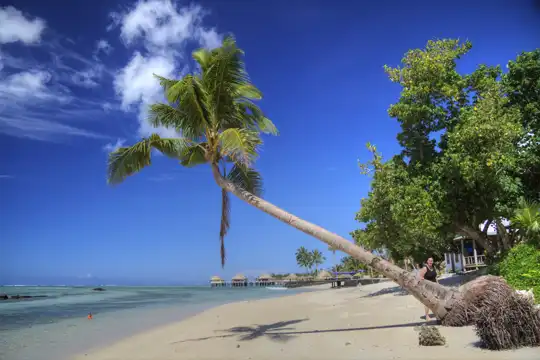
.jpg) Hi, I’m Johan (Netherlands 🇳🇱), the creator of TakeYourBackpack. Over the past decade, I’ve backpacked through 80+ countries across six continents, gaining extensive experience with independent travel, long-term trips, and overland routes.
Hi, I’m Johan (Netherlands 🇳🇱), the creator of TakeYourBackpack. Over the past decade, I’ve backpacked through 80+ countries across six continents, gaining extensive experience with independent travel, long-term trips, and overland routes.