v2.webp)
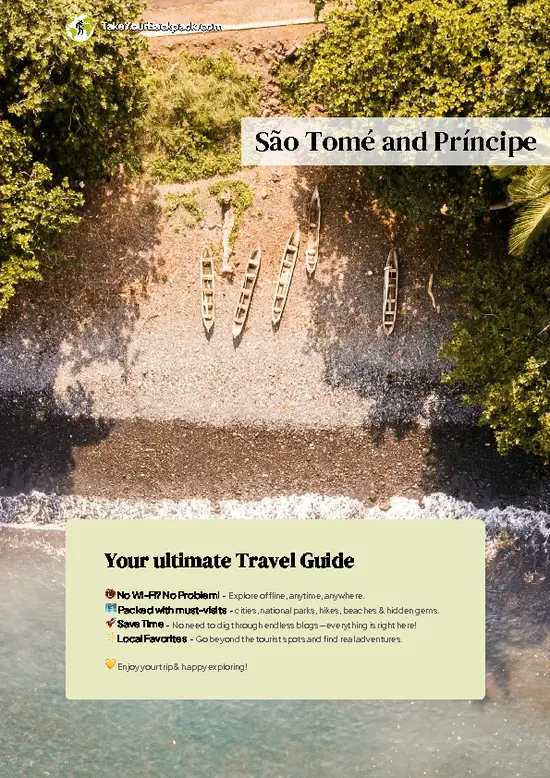
- The village shoreline and fishing canoes. This is what Ribeira Peixe is known for: wooden dugout canoes hauled onto dark sand, nets spread to dry, and the catch passed from boat to buyer. Go in the morning when boats come in, and bring a little cash if you want to buy fish. Visiting is free and an hour is enough, though you can easily stretch it to two if you start chatting. Ask before photographing people.
- The river mouth. The stream that gives the village its name reaches the sea here, with smooth stones, brown freshwater meeting gray surf, and women often washing clothes. It’s a quiet, textured spot, best in the dry months when the water is lower and the stones are easier to cross. Entry costs nothing, and 30 to 45 minutes covers it. Wear sandals you don’t mind getting wet, and do not swim
- The village shoreline and fishing canoes. This is what Ribeira Peixe is known for: wooden dugout canoes hauled onto dark sand, nets spread to dry, and the catch passed from boat to buyer. Go in the morning when boats come in, and bring a little cash if you want to buy fish. Visiting is free and an hour is enough, though you can easily stretch it to two if you start chatting. Ask before photographing people.
- The river mouth. The stream that gives the village its name reaches the sea here, with smooth stones, brown freshwater meeting gray surf, and women often washing clothes. It’s a quiet, textured spot, best in the dry months when the water is lower and the stones are easier to cross. Entry costs nothing, and 30 to 45 minutes covers it. Wear sandals you don’t mind getting wet, and do not swim in the surf, as the current is strong.
- A walk along the coastal road and village lanes. Walking the lanes behind the beach shows you the daily routine: breadfruit and banana trees beside the houses, cocoa beans drying on mats, children walking home from school and neighbors talking in the shade. It costs nothing and takes 1 to 2 hours at a slow pace. Early morning or late afternoon is cooler, and greeting people with a “bom dia” or “boa tarde” goes a long way.
Spotted a mistake or missing something? Contact us.


 Best Backpacking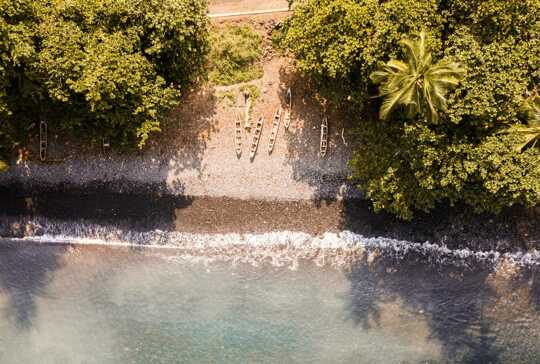
.jpg) Hi, I’m Johan (Netherlands 🇳🇱), the creator of TakeYourBackpack. Over the past 3 decades, I’ve backpacked through 90+ countries across six continents, gaining extensive experience with independent travel, long-term trips, and overland routes.
Hi, I’m Johan (Netherlands 🇳🇱), the creator of TakeYourBackpack. Over the past 3 decades, I’ve backpacked through 90+ countries across six continents, gaining extensive experience with independent travel, long-term trips, and overland routes.