v2.webp)
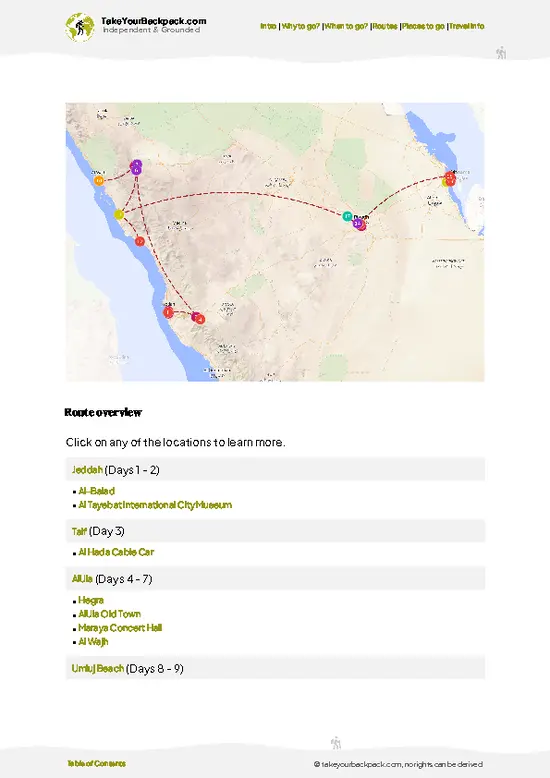
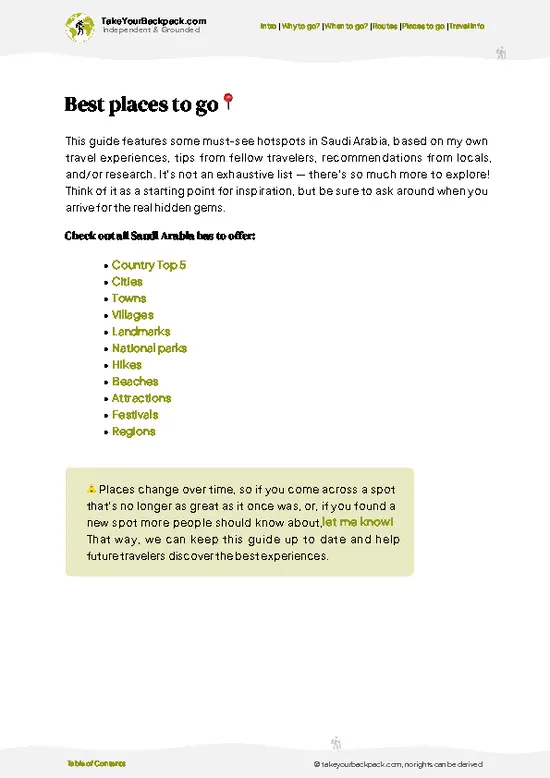
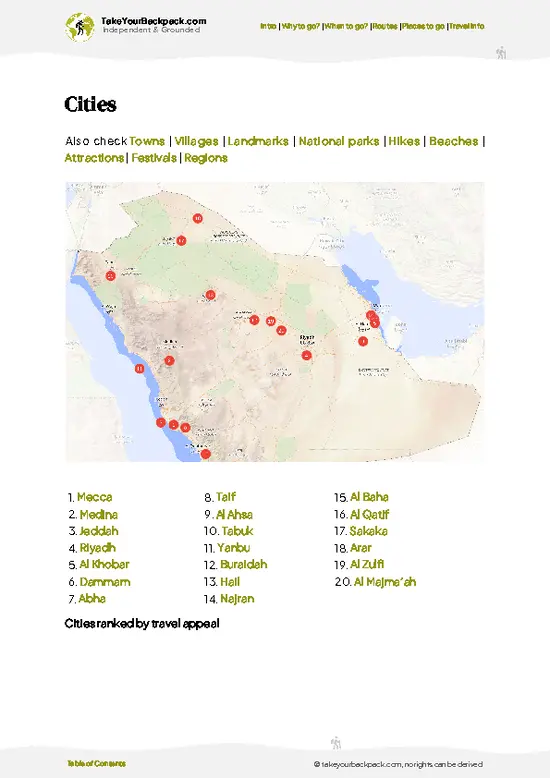
Al-Muftaha Village
Abha’s creative heart beats loudest in Al-Muftaha Village. This isn’t a museum—it’s a living, breathing arts quarter where you can wander through galleries, peek into workshops, and see bold murals splashed across old stone walls. The village’s blend of traditional Asiri architecture and contemporary art makes it a rare place where the past and present actually shake hands. Go in the late afternoon when the light is soft and the artists are most active. Entry is usually free, but budget for a coffee or a handmade souvenir. Give yourself 1-2 hours; more if you get drawn into a conversation with a local painter (which you should).
Shada Palace (Qasr Shada)
This mud-brick fortress is Abha’s time capsule. Climb its creaky wooden stairs and you’re walking the same halls as Asir’s … read more 👉
Abha’s creative heart beats loudest in Al-Muftaha Village. This isn’t a museum—it’s a living, breathing arts quarter where you can wander through galleries, peek into workshops, and see bold murals splashed across old stone walls. The village’s blend of traditional Asiri architecture and contemporary art makes it a rare place where the past and present actually shake hands. Go in the late afternoon when the light is soft and the artists are most active. Entry is usually free, but budget for a coffee or a handmade souvenir. Give yourself 1-2 hours; more if you get drawn into a conversation with a local painter (which you should).
Shada Palace (Qasr Shada)
This mud-brick fortress is Abha’s time capsule. Climb its creaky wooden stairs and you’re walking the same halls as Asir’s … read more 👉
Al-Muftaha Village
Abha’s creative heart beats loudest in Al-Muftaha Village. This isn’t a museum—it’s a living, breathing arts quarter where you can wander through galleries, peek into workshops, and see bold murals splashed across old stone walls. The village’s blend of traditional Asiri architecture and contemporary art makes it a rare place where the past and present actually shake hands. Go in the late afternoon when the light is soft and the artists are most active. Entry is usually free, but budget for a coffee or a handmade souvenir. Give yourself 1-2 hours; more if you get drawn into a conversation with a local painter (which you should).
Shada Palace (Qasr Shada)
This mud-brick fortress is Abha’s time capsule. Climb its creaky wooden stairs and you’re walking the same halls as Asir’s old governors. The palace’s thick walls and lattice windows are a masterclass in local design, and the small museum inside gives you a tactile sense of how people lived before air conditioning. Visit in the morning to avoid crowds and the midday heat. Entry is usually free or a nominal fee. You’ll need 45 minutes to an hour, unless you’re a history buff who reads every placard.
Tuesday Market (Souq Ath-Thulatha)
Skip the sanitized malls—this is where Abha’s real commerce happens. Every Tuesday, the city’s oldest market erupts with color, noise, and the scent of mountain honey and spices. You’ll see women in traditional Asiri dress selling handwoven baskets, and old men haggling over daggers and antiques. Arrive early (8-10am) for the best finds and fewer crowds. Entry is free, but bring cash for impulse buys. You can breeze through in 30 minutes, but a full hour lets you soak in the atmosphere and maybe score a snack you can’t pronounce.
Abha Dam Lake
This isn’t just a reservoir—it’s the city’s unofficial living room. Locals picnic, paddleboat, and stroll the lakeside promenade, especially at sunset when the mountains turn gold. The air is cooler here, and the vibe is relaxed but lively. Go in the late afternoon for the best light and people-watching. Free to visit, but boat rentals and snacks cost extra. Plan for 1-2 hours, longer if you want to join a family for tea.
Art Street (Al-Fan Street)
A short, pedestrian-friendly stretch that punches above its weight. Art Street is lined with open-air installations, quirky sculptures, and pop-up cafés. At night, the place glows with string lights and the buzz of young Saudis out for a stroll. It’s a quick hit of Abha’s modern, creative side. Best in the evening. Free, unless you’re tempted by coffee or street food. 30-45 minutes is enough unless you linger for people-watching.
Abha’s city core is compact, but if you want to stretch your legs, day trips to the hanging village of Al-Habala, the misty heights of Jabal Sawda, or the ancient stone houses of Rijal Almaa are all within easy striking distance—each a different chapter in the Asir story.
Abha’s creative heart beats loudest in Al-Muftaha Village. This isn’t a museum—it’s a living, breathing arts quarter where you can wander through galleries, peek into workshops, and see bold murals splashed across old stone walls. The village’s blend of traditional Asiri architecture and contemporary art makes it a rare place where the past and present actually shake hands. Go in the late afternoon when the light is soft and the artists are most active. Entry is usually free, but budget for a coffee or a handmade souvenir. Give yourself 1-2 hours; more if you get drawn into a conversation with a local painter (which you should).
Shada Palace (Qasr Shada)
This mud-brick fortress is Abha’s time capsule. Climb its creaky wooden stairs and you’re walking the same halls as Asir’s old governors. The palace’s thick walls and lattice windows are a masterclass in local design, and the small museum inside gives you a tactile sense of how people lived before air conditioning. Visit in the morning to avoid crowds and the midday heat. Entry is usually free or a nominal fee. You’ll need 45 minutes to an hour, unless you’re a history buff who reads every placard.
Tuesday Market (Souq Ath-Thulatha)
Skip the sanitized malls—this is where Abha’s real commerce happens. Every Tuesday, the city’s oldest market erupts with color, noise, and the scent of mountain honey and spices. You’ll see women in traditional Asiri dress selling handwoven baskets, and old men haggling over daggers and antiques. Arrive early (8-10am) for the best finds and fewer crowds. Entry is free, but bring cash for impulse buys. You can breeze through in 30 minutes, but a full hour lets you soak in the atmosphere and maybe score a snack you can’t pronounce.
Abha Dam Lake
This isn’t just a reservoir—it’s the city’s unofficial living room. Locals picnic, paddleboat, and stroll the lakeside promenade, especially at sunset when the mountains turn gold. The air is cooler here, and the vibe is relaxed but lively. Go in the late afternoon for the best light and people-watching. Free to visit, but boat rentals and snacks cost extra. Plan for 1-2 hours, longer if you want to join a family for tea.
Art Street (Al-Fan Street)
A short, pedestrian-friendly stretch that punches above its weight. Art Street is lined with open-air installations, quirky sculptures, and pop-up cafés. At night, the place glows with string lights and the buzz of young Saudis out for a stroll. It’s a quick hit of Abha’s modern, creative side. Best in the evening. Free, unless you’re tempted by coffee or street food. 30-45 minutes is enough unless you linger for people-watching.
Abha’s city core is compact, but if you want to stretch your legs, day trips to the hanging village of Al-Habala, the misty heights of Jabal Sawda, or the ancient stone houses of Rijal Almaa are all within easy striking distance—each a different chapter in the Asir story.
Spotted a mistake or missing something? Contact us.

 Best Backpacking
.jpg) Hi, I’m Johan (Netherlands 🇳🇱), the creator of TakeYourBackpack. Over the past 3 decades, I’ve backpacked through 90+ countries across six continents, gaining extensive experience with independent travel, long-term trips, and overland routes.
Hi, I’m Johan (Netherlands 🇳🇱), the creator of TakeYourBackpack. Over the past 3 decades, I’ve backpacked through 90+ countries across six continents, gaining extensive experience with independent travel, long-term trips, and overland routes.