
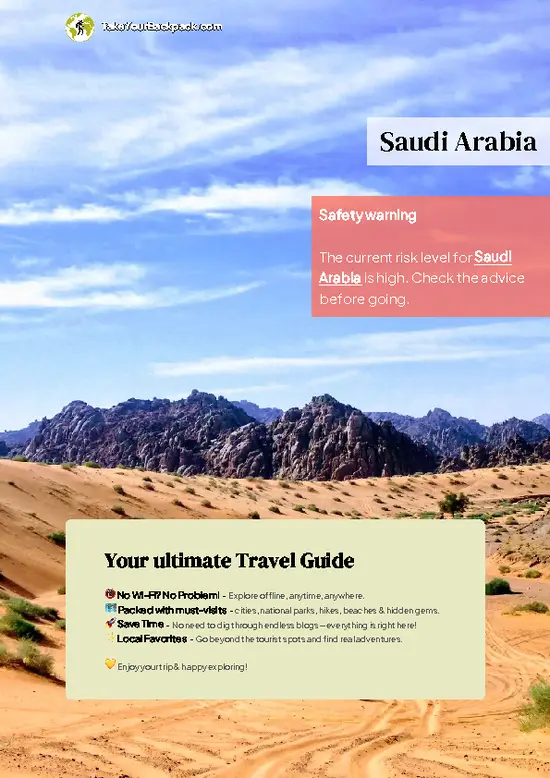

The Hejaz-Style Architecture
Forget sterile glass cases—this museum is a living, breathing architectural statement. The buildings themselves are a crash course in Jeddah’s old-world swagger, with coral stone walls, intricate wooden latticework, and winding corridors that feel more like a sultan’s private estate than a gallery. You’re not just looking at history; you’re walking through it, dodging the Instagrammers who came for the façade and stayed for the labyrinthine charm.
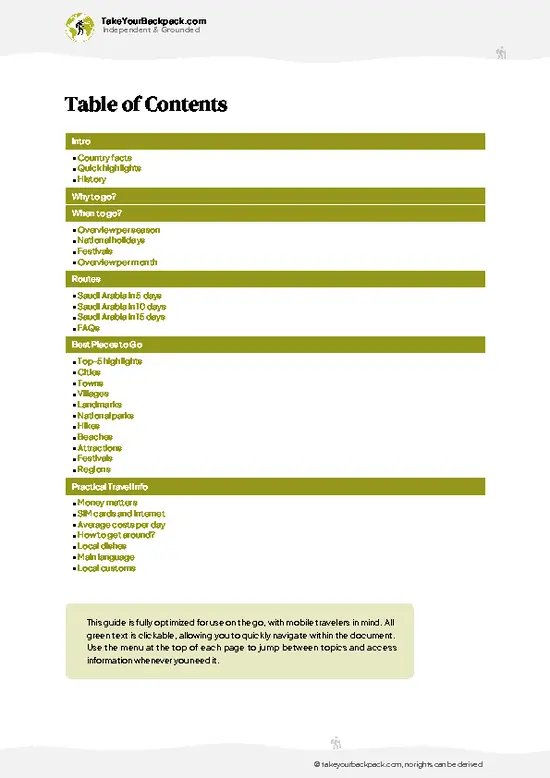
The Manuscript and Qur’an Collection
If you think ancient texts are just for scholars, think again. The museum’s manuscript rooms are a time machine: hand-inked Qur’ans, centuries-old scrolls, and illuminated pages that survived wars, sandstorms, and the occasional clumsy curator. The sheer age and artistry here will make … read more 👉
The Hejaz-Style Architecture
Forget sterile glass cases—this museum is a living, breathing architectural statement. The buildings themselves are a crash course in Jeddah’s old-world swagger, with coral stone walls, intricate wooden latticework, and winding corridors that feel more like a sultan’s private estate than a gallery. You’re not just looking at history; you’re walking through it, dodging the Instagrammers who came for the façade and stayed for the labyrinthine charm.
The Manuscript and Qur’an Collection
If you think ancient texts are just for scholars, think again. The museum’s manuscript rooms are a time machine: hand-inked Qur’ans, centuries-old scrolls, and illuminated pages that survived wars, sandstorms, and the occasional clumsy curator. The sheer age and artistry here will make your phone feel like a disposable toy.
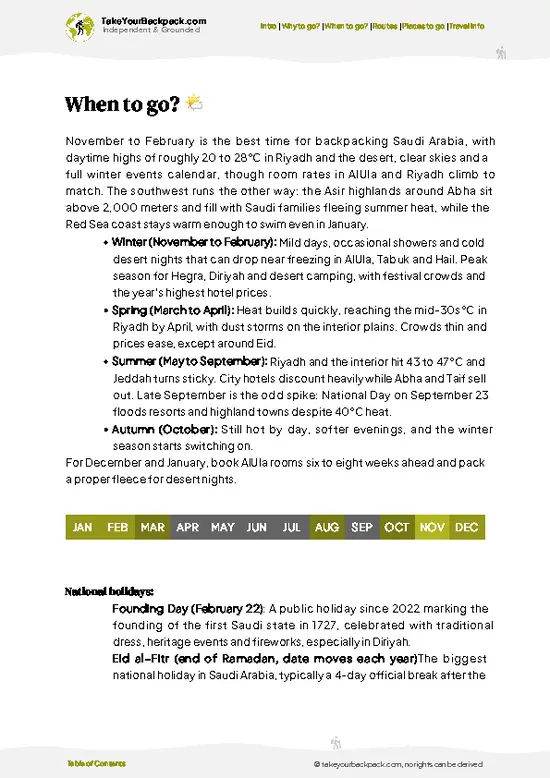
Traditional Saudi Costumes and Jewelry
This isn’t a dusty lineup of mannequins. The textile halls are a riot of color and texture—Bedouin robes stitched with silver thread, wedding dresses heavy with coins, and enough gold to make a Bond villain blush. It’s a tactile, sensory overload that tells you more about Saudi identity than any textbook ever could.
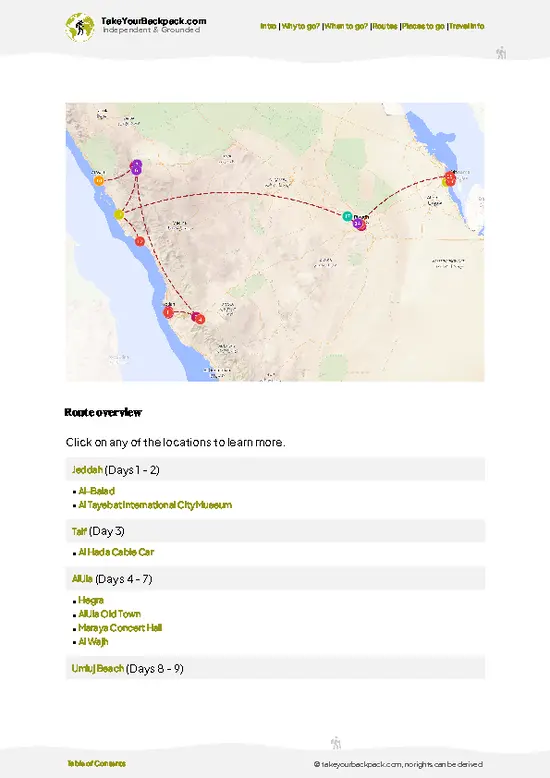
Islamic Artifacts and Ceramics
You’ll see more than just pretty plates. The ceramics and artifacts here are the real deal: centuries-old incense burners, calligraphy panels, and household objects that once belonged to actual families, not just faceless “historical figures.” It’s the difference between reading about a culture and feeling like you’ve been invited into someone’s home.
The Miniature Model of Old Jeddah (Al-Balad)
This isn’t your average diorama. The scale model of historic Jeddah is obsessively detailed—down to the carved doors and rooftop pigeon coops. It’s a rare chance to see what the city looked like before the skyscrapers and shopping malls muscled in. Stand over it and you’ll understand why locals still get misty-eyed about Al-Balad.
Multi-Faith Religious Artifacts
Here’s the curveball: Al Tayebat doesn’t just showcase Islamic history. You’ll find Christian and Jewish artifacts, too—a gutsy, quietly radical move in a country not known for religious pluralism. It’s a reminder that the Red Sea coast has always been a crossroads, not a cul-de-sac.
Spotted a mistake or missing something? Contact us.

Guided Tour in Jeddah by local woman

Historical & Heritage Tour in Jeddah Al Balad

Historic District Tour in Jeddah By a Local Guide

Dubai Desert Safari: with Camel Ride, live entertainment and bbq

Moon Mountain Hike from Jeddah City

Private Jeddah Tour

Jeddah discover old Jeddah Albalad

Jeddah Old Town Tour (Al Balad)

Full Day Guided Jeddah City Tour


 Best Backpacking

 Hi, I’m Johan (Netherlands 🇳🇱), the creator of TakeYourBackpack. Over the past 3 decades, I’ve backpacked through 90+ countries across six continents, gaining extensive experience with independent travel, long-term trips, and overland routes.