v2.webp)
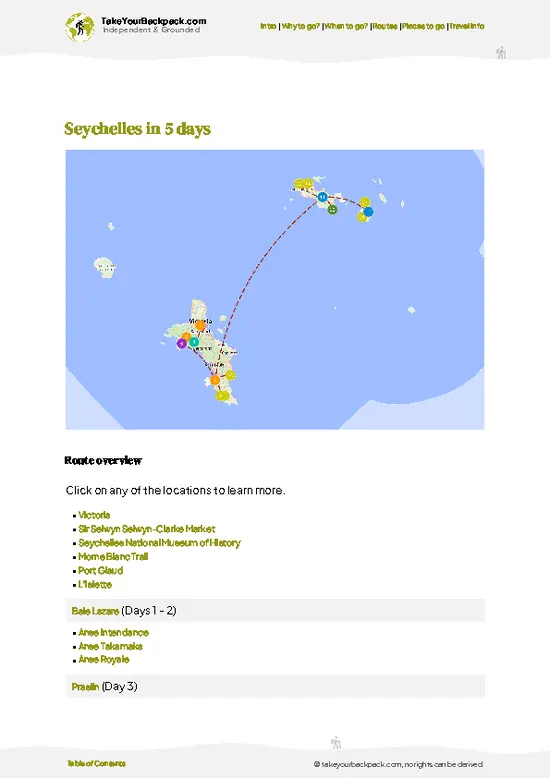
The Original Stone of Possession
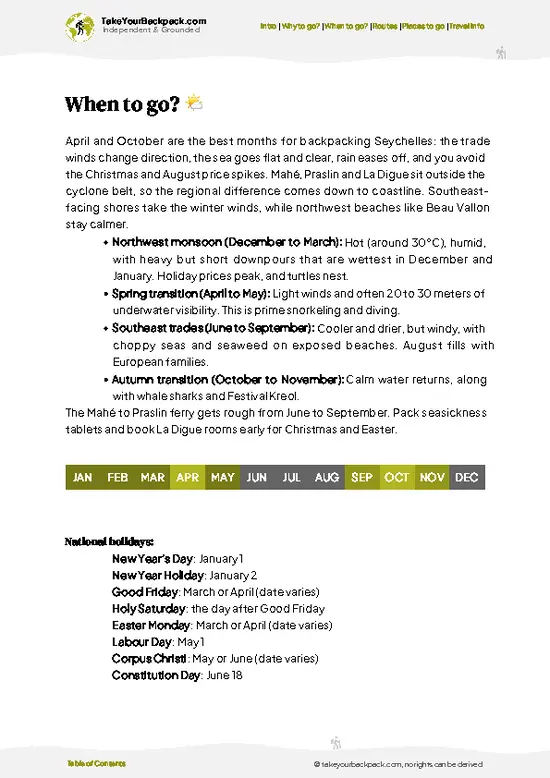
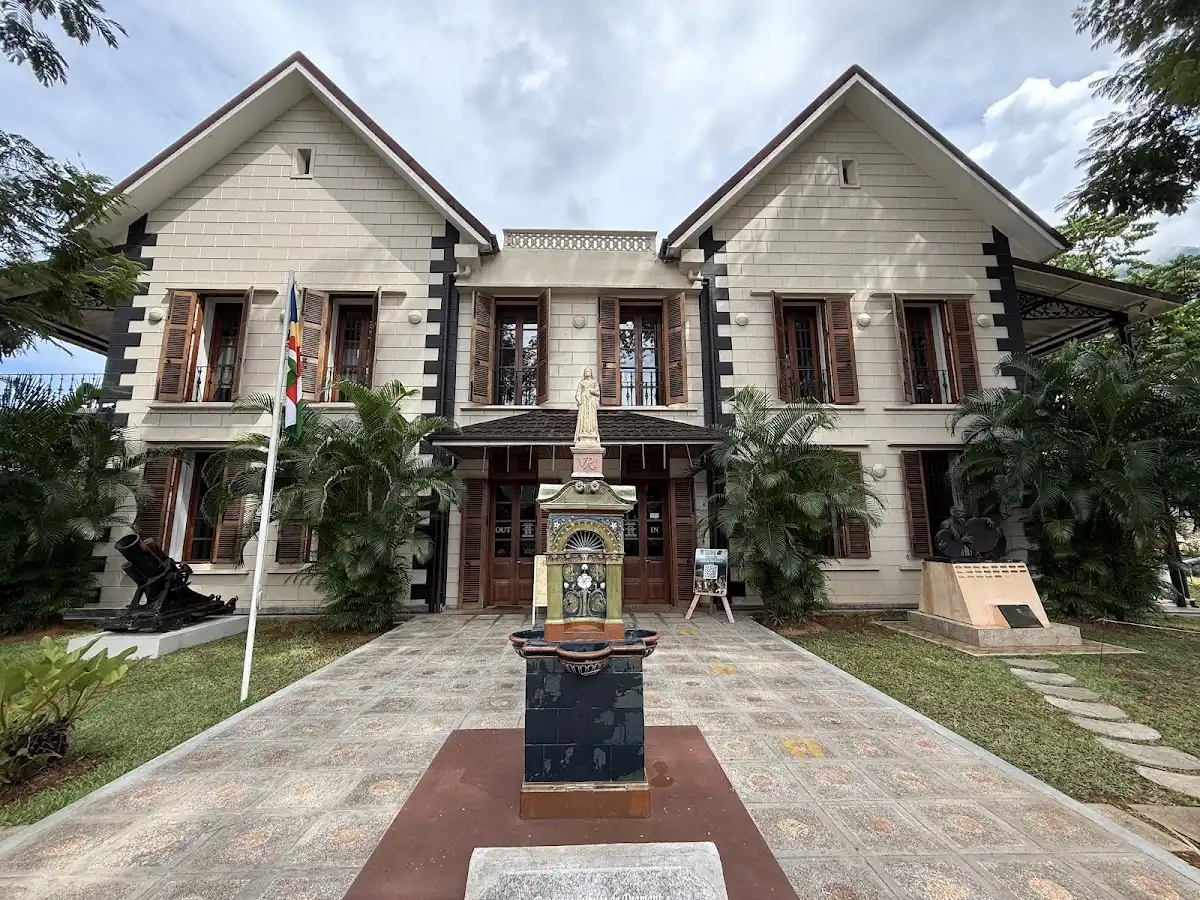
Let’s cut through the Instagram filters: this is a literal slab of history. The Stone of Possession, dated 1756, is the physical proof of France’s colonial claim over Seychelles. It’s not just a rock with a plaque. You’re looking at the reason Seychelles exists as it does today. Touch it, and you’re connecting with the moment the islands’ fate was sealed—no digital recreation needed. It’s the kind of artifact that makes you realize how much of world history is decided by a few bold moves and a chiseled inscription.
The Slave Register
This isn’t a feel-good exhibit, but it’s one of the most important. The Slave Register is a blunt, unvarnished record of the people who were enslaved on these islands. Names, ages, origins—each line a life, not a statistic. It’s … read more 👉
Let’s cut through the Instagram filters: this is a literal slab of history. The Stone of Possession, dated 1756, is the physical proof of France’s colonial claim over Seychelles. It’s not just a rock with a plaque. You’re looking at the reason Seychelles exists as it does today. Touch it, and you’re connecting with the moment the islands’ fate was sealed—no digital recreation needed. It’s the kind of artifact that makes you realize how much of world history is decided by a few bold moves and a chiseled inscription.
The Slave Register
This isn’t a feel-good exhibit, but it’s one of the most important. The Slave Register is a blunt, unvarnished record of the people who were enslaved on these islands. Names, ages, origins—each line a life, not a statistic. It’s … read more 👉
The Original Stone of Possession
Let’s cut through the Instagram filters: this is a literal slab of history. The Stone of Possession, dated 1756, is the physical proof of France’s colonial claim over Seychelles. It’s not just a rock with a plaque. You’re looking at the reason Seychelles exists as it does today. Touch it, and you’re connecting with the moment the islands’ fate was sealed—no digital recreation needed. It’s the kind of artifact that makes you realize how much of world history is decided by a few bold moves and a chiseled inscription.
The Slave Register
This isn’t a feel-good exhibit, but it’s one of the most important. The Slave Register is a blunt, unvarnished record of the people who were enslaved on these islands. Names, ages, origins—each line a life, not a statistic. It’s a sobering counterweight to the Seychelles’ postcard-perfect beaches. If you want to understand the real story of the islands, you have to look this history in the eye. No sugarcoating, no skipping the hard parts.
Traditional Creole Kitchen Display
Forget the staged “local flavor” you get at overpriced resorts. The museum’s Creole kitchen is a time capsule of daily life before air conditioning and Instagrammable brunches. You’ll see battered pots, coconut graters, and the kind of hand-carved utensils that actually built a cuisine. It’s a reminder that Creole food isn’t just about spice—it’s about resourcefulness, survival, and making something delicious out of whatever the ocean and jungle handed you.
Queen Victoria’s Letter
Yes, the actual letter. Queen Victoria’s correspondence with the Seychelles authorities is on display, and it’s a rare chance to see colonial bureaucracy in action—handwritten, not emailed. There’s something oddly thrilling about reading the words that shaped policy on these remote islands, penned by the most powerful woman in the world at the time. It’s a direct line to the era when Seychelles was a pawn in the imperial game.
19th-Century Seychellois Costumes
Skip the souvenir shops. The museum’s collection of authentic 19th-century clothing tells you more about Seychellois identity than any T-shirt ever could. These aren’t costumes for tourists—they’re the real deal, worn by real people who lived, worked, and sweated through the tropical heat. The details—hand-stitched seams, faded fabrics—are a crash course in adaptation and style before polyester and fast fashion.
Early Maps of the Indian Ocean
If you geek out over old maps, this is your jackpot. The museum’s collection of hand-drawn charts shows how explorers saw (and mis-saw) the world. You’ll spot wild guesses, sea monsters, and the slow, stubborn progress of cartographic knowledge. It’s a reminder that every “paradise” was once a blank spot on someone’s map, and that discovery is always messier than the travel brochures admit.
Let’s cut through the Instagram filters: this is a literal slab of history. The Stone of Possession, dated 1756, is the physical proof of France’s colonial claim over Seychelles. It’s not just a rock with a plaque. You’re looking at the reason Seychelles exists as it does today. Touch it, and you’re connecting with the moment the islands’ fate was sealed—no digital recreation needed. It’s the kind of artifact that makes you realize how much of world history is decided by a few bold moves and a chiseled inscription.
The Slave Register
This isn’t a feel-good exhibit, but it’s one of the most important. The Slave Register is a blunt, unvarnished record of the people who were enslaved on these islands. Names, ages, origins—each line a life, not a statistic. It’s a sobering counterweight to the Seychelles’ postcard-perfect beaches. If you want to understand the real story of the islands, you have to look this history in the eye. No sugarcoating, no skipping the hard parts.
Traditional Creole Kitchen Display
Forget the staged “local flavor” you get at overpriced resorts. The museum’s Creole kitchen is a time capsule of daily life before air conditioning and Instagrammable brunches. You’ll see battered pots, coconut graters, and the kind of hand-carved utensils that actually built a cuisine. It’s a reminder that Creole food isn’t just about spice—it’s about resourcefulness, survival, and making something delicious out of whatever the ocean and jungle handed you.
Queen Victoria’s Letter
Yes, the actual letter. Queen Victoria’s correspondence with the Seychelles authorities is on display, and it’s a rare chance to see colonial bureaucracy in action—handwritten, not emailed. There’s something oddly thrilling about reading the words that shaped policy on these remote islands, penned by the most powerful woman in the world at the time. It’s a direct line to the era when Seychelles was a pawn in the imperial game.
19th-Century Seychellois Costumes
Skip the souvenir shops. The museum’s collection of authentic 19th-century clothing tells you more about Seychellois identity than any T-shirt ever could. These aren’t costumes for tourists—they’re the real deal, worn by real people who lived, worked, and sweated through the tropical heat. The details—hand-stitched seams, faded fabrics—are a crash course in adaptation and style before polyester and fast fashion.
Early Maps of the Indian Ocean
If you geek out over old maps, this is your jackpot. The museum’s collection of hand-drawn charts shows how explorers saw (and mis-saw) the world. You’ll spot wild guesses, sea monsters, and the slow, stubborn progress of cartographic knowledge. It’s a reminder that every “paradise” was once a blank spot on someone’s map, and that discovery is always messier than the travel brochures admit.
Spotted a mistake or missing something? Contact us.

Mahe Island tour

South Mahe Full day Guided Tour

Vallee de Mai Tour (From Praslin)

Mahe half day tour

Private Mahe island tours!

Explore Copolia Trail

5 Hour Private Customize Tour of Mahe, Seychelles

Omnibus service in Seychelles

Private Transfer in Seychelles

 Best Backpacking
.jpg) Hi, I’m Johan (Netherlands 🇳🇱), the creator of TakeYourBackpack. Over the past 3 decades, I’ve backpacked through 90+ countries across six continents, gaining extensive experience with independent travel, long-term trips, and overland routes.
Hi, I’m Johan (Netherlands 🇳🇱), the creator of TakeYourBackpack. Over the past 3 decades, I’ve backpacked through 90+ countries across six continents, gaining extensive experience with independent travel, long-term trips, and overland routes.