
The Main Historical Building: Neo-Renaissance Drama
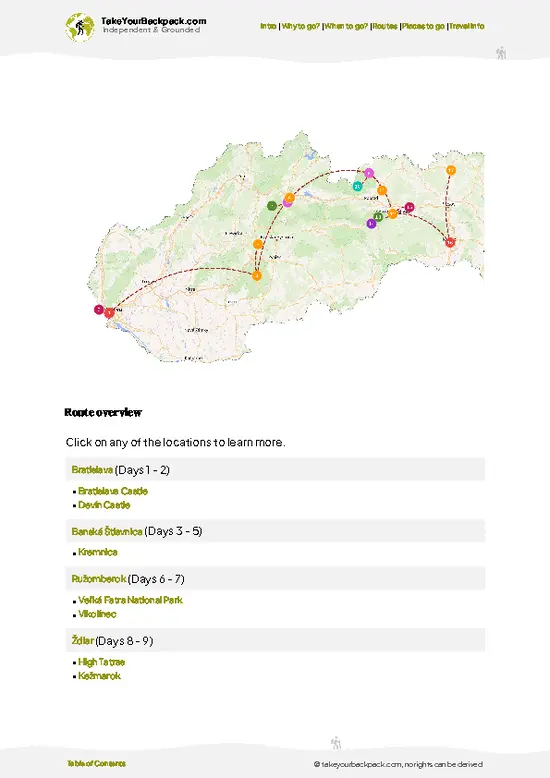
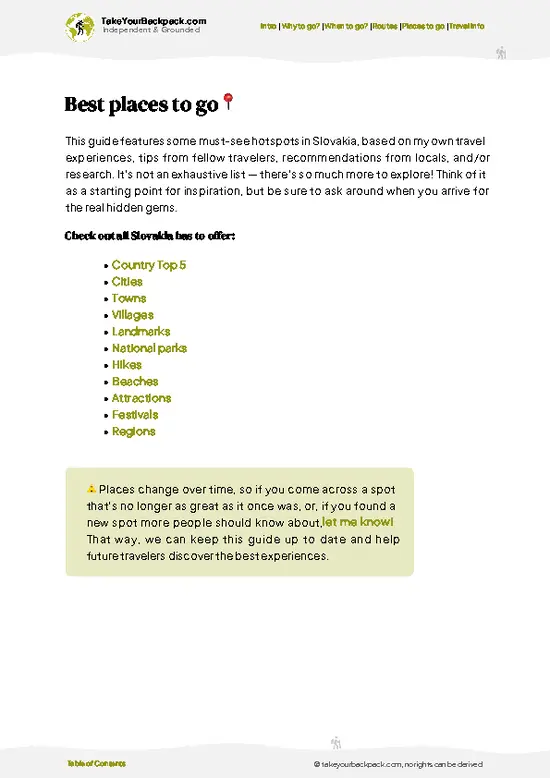
Forget the Instagram façade—this is not just a pretty face for your feed. The main building of the Slovak National Theatre, opened in 1886, is a living, breathing piece of Bratislava’s cultural backbone. The Neo-Renaissance architecture isn’t just for show; the marble staircases, gilded balconies, and frescoed ceilings set the stage for a kind of old-world glamour that’s rare in Central Europe. You don’t just walk in—you time travel. The acoustics are sharp, the seats are close to the action, and you feel every note and footstep. This is where Slovak high society once mingled, and you can still sense the ghosts of velvet and intrigue.
Opera Performances: World-Class Voices, Local Soul
Here’s the truth: you don’t come to Bratislava expecting … read more 👉
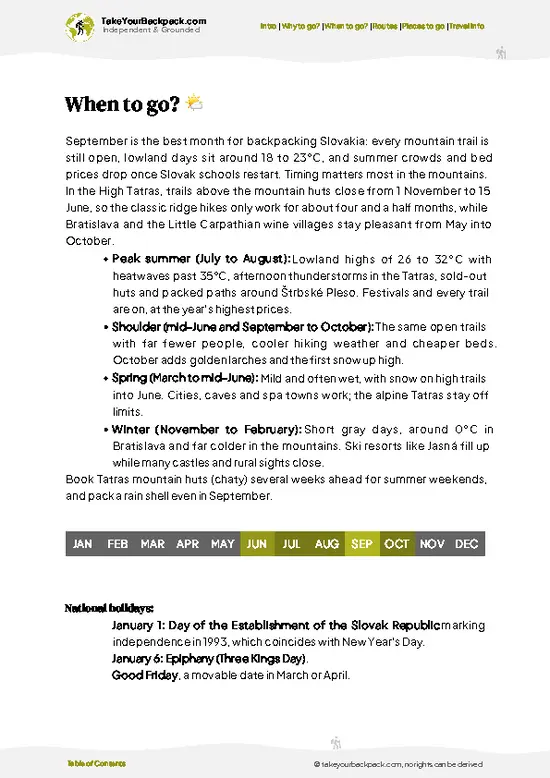
The Main Historical Building: Neo-Renaissance Drama
Forget the Instagram façade—this is not just a pretty face for your feed. The main building of the Slovak National Theatre, opened in 1886, is a living, breathing piece of Bratislava’s cultural backbone. The Neo-Renaissance architecture isn’t just for show; the marble staircases, gilded balconies, and frescoed ceilings set the stage for a kind of old-world glamour that’s rare in Central Europe. You don’t just walk in—you time travel. The acoustics are sharp, the seats are close to the action, and you feel every note and footstep. This is where Slovak high society once mingled, and you can still sense the ghosts of velvet and intrigue.
Opera Performances: World-Class Voices, Local Soul
Here’s the truth: you don’t come to Bratislava expecting Vienna-level opera. But that’s exactly why you should. The Slovak National Theatre’s opera company punches way above its weight, with a rotating cast of international and homegrown talent. The productions are ambitious, the ticket prices are a fraction of what you’d pay in Western Europe, and the audience is refreshingly unpretentious. You’ll hear Verdi and Puccini sung with a Central European edge—sometimes raw, always passionate. If you want to feel the pulse of Slovak culture, this is it.
Ballet: Athleticism Meets Artistry
The ballet here is not just a sideshow. The Slovak National Ballet is known for its athletic, expressive style—think less rigid perfection, more emotional storytelling. You’ll see classics like Swan Lake, but also bold contemporary works that take risks. The dancers are fiercely committed, and the choreography often weaves in Slovak folklore or modern themes. It’s not about flawless pirouettes; it’s about leaving the stage with your heart pounding.
Slovak Drama: Language as a Weapon
If you speak Slovak, or even if you don’t, catching a play here is a window into the national psyche. The drama troupe tackles everything from biting political satire to poetic reinterpretations of Slovak legends. The performances are raw, sometimes experimental, and always deeply rooted in the country’s turbulent history. You won’t get tourist-friendly translations, but you will get a sense of what Slovaks are laughing, crying, and arguing about.
The Fountain and Hviezdoslav Square: Pre-Show Ritual
The Instagram crowd loves the Ganymede Fountain out front, but the real magic is in the ritual: locals gathering on the square before a show, sipping coffee, people-watching, and debating the merits of the evening’s cast. This is Bratislava’s living room. Skip the selfie and soak up the anticipation—this is where you feel the city’s pulse, not just see its face.
Spotted a mistake or missing something? Contact us.

5-Course Small-Group Bratislava Food Tour with Local Guide

Military Guns Shooting Experience with GunMates Bratislava

Bratislava Off the Beaten Path Tour - recommended also by Rick Steves

Private Day Trip to Banska Stiavnica Unesco Site

Bratislava Identity Bike Tour

Highlights of Bratislava's Old Town with Castle

Demänovská Cave, High Tatras & Orava Castle Tour from Bratislava

2H Private Tour with Jakub

Bratislava Walking Tour with Licensed Private Guide For 2 hours


 Best Backpacking
 Hi, I’m Johan (Netherlands 🇳🇱), the creator of TakeYourBackpack. Over the past 3 decades, I’ve backpacked through 90+ countries across six continents, gaining extensive experience with independent travel, long-term trips, and overland routes.