v2.webp)
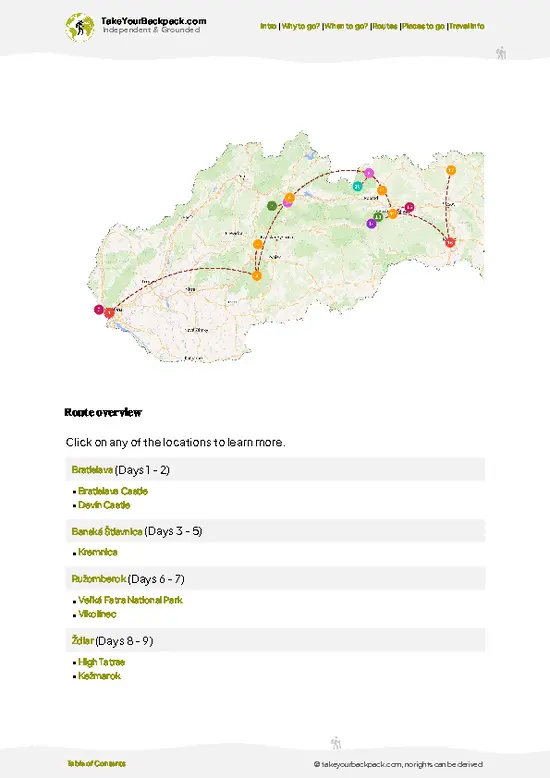
The Upper Castle Ruins
Let’s cut through the Instagram haze: Spiš Castle is not some delicate, fairy-tale fortress. It’s a hulking, wind-battered skeleton of stone, and the upper ruins are the real showstopper. Climb the uneven steps (yes, your calves will burn) and you’re rewarded with a 360-degree view that’s all drama—rolling Slovak hills, distant Tatra peaks, and the kind of sky that makes you want to howl. The crowds thin out up here, and the silence is heavy. This is where you feel the scale and the centuries. No velvet ropes, no manicured lawns—just raw, medieval muscle.
The Medieval Torture Exhibition
This isn’t some sanitized, Disneyfied dungeon. The torture exhibit at Spiš is blunt, borderline uncomfortable, and absolutely fascinating. You’ll find racks, cages, and iron maidens—actual … read more 👉
Let’s cut through the Instagram haze: Spiš Castle is not some delicate, fairy-tale fortress. It’s a hulking, wind-battered skeleton of stone, and the upper ruins are the real showstopper. Climb the uneven steps (yes, your calves will burn) and you’re rewarded with a 360-degree view that’s all drama—rolling Slovak hills, distant Tatra peaks, and the kind of sky that makes you want to howl. The crowds thin out up here, and the silence is heavy. This is where you feel the scale and the centuries. No velvet ropes, no manicured lawns—just raw, medieval muscle.
The Medieval Torture Exhibition
This isn’t some sanitized, Disneyfied dungeon. The torture exhibit at Spiš is blunt, borderline uncomfortable, and absolutely fascinating. You’ll find racks, cages, and iron maidens—actual … read more 👉
The Upper Castle Ruins
Let’s cut through the Instagram haze: Spiš Castle is not some delicate, fairy-tale fortress. It’s a hulking, wind-battered skeleton of stone, and the upper ruins are the real showstopper. Climb the uneven steps (yes, your calves will burn) and you’re rewarded with a 360-degree view that’s all drama—rolling Slovak hills, distant Tatra peaks, and the kind of sky that makes you want to howl. The crowds thin out up here, and the silence is heavy. This is where you feel the scale and the centuries. No velvet ropes, no manicured lawns—just raw, medieval muscle.
The Medieval Torture Exhibition
This isn’t some sanitized, Disneyfied dungeon. The torture exhibit at Spiš is blunt, borderline uncomfortable, and absolutely fascinating. You’ll find racks, cages, and iron maidens—actual implements, not replicas. The displays don’t shy away from the brutality, and the explanations are refreshingly unsentimental. It’s a jolt of real history, not a photo op. If you want to understand the darker side of medieval power, this is where you get it—no filters, no sugarcoating.
The Romanesque Chapel
Most castle chapels are afterthoughts. Not here. The Romanesque chapel at Spiš is a time capsule: faded frescoes, rough-hewn stone, and a chill that has nothing to do with the weather. Step inside and the noise drops away. The space is small, but the atmosphere is thick—centuries of whispered prayers and, probably, a few desperate bargains. It’s a rare place where you can actually feel the spiritual weight of the past pressing in.
The Archaeological Museum
Skip the generic castle museums with their dusty armor and endless family trees. Spiš’s on-site museum is compact but sharp, packed with artifacts dug up from the grounds—coins, weapons, pottery, even the odd skeleton. The curation is honest: you get the sense of real people living, fighting, and dying here, not just a parade of noble names. If you’re a detail nerd or just want to anchor the ruins in real stories, this is your spot.
The Outer Bailey and Defensive Walls
Forget the Instagrammers crowding the main gate. Head for the outer bailey and you’ll find space to breathe—and to imagine. The walls are battered but still imposing, and you can walk sections that feel almost forgotten. The scale is wild: this was one of the largest castles in Central Europe, and out here, you finally get it. Kids run wild, adults geek out over arrow slits and murder holes, and the wind does half the storytelling. This is where the castle’s sheer size and strategic genius hit home.
Night Tours and Special Events
If you can, time your visit for a night tour or a festival. The castle transforms after dark—torches, shadows, and a sense of danger that daylight never delivers. Local guides lean into the legends and ghost stories, and the whole place feels less like a museum and more like a living, haunted set. It’s theatrical, yes, but it’s also the closest you’ll get to feeling the castle’s old pulse. Not every castle pulls this off; Spiš does.
Let’s cut through the Instagram haze: Spiš Castle is not some delicate, fairy-tale fortress. It’s a hulking, wind-battered skeleton of stone, and the upper ruins are the real showstopper. Climb the uneven steps (yes, your calves will burn) and you’re rewarded with a 360-degree view that’s all drama—rolling Slovak hills, distant Tatra peaks, and the kind of sky that makes you want to howl. The crowds thin out up here, and the silence is heavy. This is where you feel the scale and the centuries. No velvet ropes, no manicured lawns—just raw, medieval muscle.
The Medieval Torture Exhibition
This isn’t some sanitized, Disneyfied dungeon. The torture exhibit at Spiš is blunt, borderline uncomfortable, and absolutely fascinating. You’ll find racks, cages, and iron maidens—actual implements, not replicas. The displays don’t shy away from the brutality, and the explanations are refreshingly unsentimental. It’s a jolt of real history, not a photo op. If you want to understand the darker side of medieval power, this is where you get it—no filters, no sugarcoating.
The Romanesque Chapel
Most castle chapels are afterthoughts. Not here. The Romanesque chapel at Spiš is a time capsule: faded frescoes, rough-hewn stone, and a chill that has nothing to do with the weather. Step inside and the noise drops away. The space is small, but the atmosphere is thick—centuries of whispered prayers and, probably, a few desperate bargains. It’s a rare place where you can actually feel the spiritual weight of the past pressing in.
The Archaeological Museum
Skip the generic castle museums with their dusty armor and endless family trees. Spiš’s on-site museum is compact but sharp, packed with artifacts dug up from the grounds—coins, weapons, pottery, even the odd skeleton. The curation is honest: you get the sense of real people living, fighting, and dying here, not just a parade of noble names. If you’re a detail nerd or just want to anchor the ruins in real stories, this is your spot.
The Outer Bailey and Defensive Walls
Forget the Instagrammers crowding the main gate. Head for the outer bailey and you’ll find space to breathe—and to imagine. The walls are battered but still imposing, and you can walk sections that feel almost forgotten. The scale is wild: this was one of the largest castles in Central Europe, and out here, you finally get it. Kids run wild, adults geek out over arrow slits and murder holes, and the wind does half the storytelling. This is where the castle’s sheer size and strategic genius hit home.
Night Tours and Special Events
If you can, time your visit for a night tour or a festival. The castle transforms after dark—torches, shadows, and a sense of danger that daylight never delivers. Local guides lean into the legends and ghost stories, and the whole place feels less like a museum and more like a living, haunted set. It’s theatrical, yes, but it’s also the closest you’ll get to feeling the castle’s old pulse. Not every castle pulls this off; Spiš does.
Spotted a mistake or missing something? Contact us.

 Best Backpacking
.jpg) Hi, I’m Johan (Netherlands 🇳🇱), the creator of TakeYourBackpack. Over the past 3 decades, I’ve backpacked through 90+ countries across six continents, gaining extensive experience with independent travel, long-term trips, and overland routes.
Hi, I’m Johan (Netherlands 🇳🇱), the creator of TakeYourBackpack. Over the past 3 decades, I’ve backpacked through 90+ countries across six continents, gaining extensive experience with independent travel, long-term trips, and overland routes.