v2.webp)
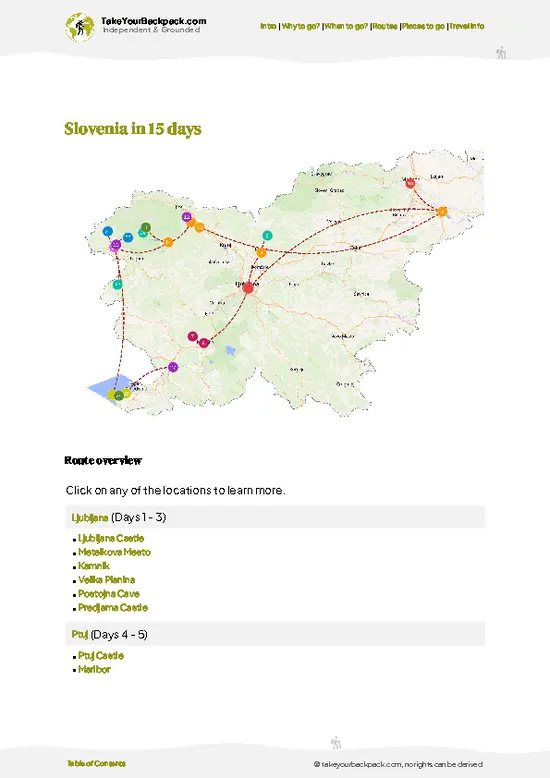
1. The Metelkova Street Art Gauntlet
Let’s get real: most people come for the art on the outside, not the inside. The Museum of Contemporary Art Metelkova sits in the heart of Ljubljana’s legendary Metelkova district—a former army barracks turned anarchist playground. The building itself is a canvas, surrounded by riotous murals, welded monsters, and mosaics that look like they were dreamed up by a committee of punks, poets, and mad scientists. This isn’t sanitized “street art” for tourists; it’s raw, political, and sometimes deliberately ugly. You’ll see things here that would never make it past a city council in Western Europe. The walk from the main road to the museum is a sensory jolt—graffiti, sculptures, and the occasional impromptu performance. If you’re looking for the Instagram shot, … read more 👉
Let’s get real: most people come for the art on the outside, not the inside. The Museum of Contemporary Art Metelkova sits in the heart of Ljubljana’s legendary Metelkova district—a former army barracks turned anarchist playground. The building itself is a canvas, surrounded by riotous murals, welded monsters, and mosaics that look like they were dreamed up by a committee of punks, poets, and mad scientists. This isn’t sanitized “street art” for tourists; it’s raw, political, and sometimes deliberately ugly. You’ll see things here that would never make it past a city council in Western Europe. The walk from the main road to the museum is a sensory jolt—graffiti, sculptures, and the occasional impromptu performance. If you’re looking for the Instagram shot, … read more 👉
1. The Metelkova Street Art Gauntlet
Let’s get real: most people come for the art on the outside, not the inside. The Museum of Contemporary Art Metelkova sits in the heart of Ljubljana’s legendary Metelkova district—a former army barracks turned anarchist playground. The building itself is a canvas, surrounded by riotous murals, welded monsters, and mosaics that look like they were dreamed up by a committee of punks, poets, and mad scientists. This isn’t sanitized “street art” for tourists; it’s raw, political, and sometimes deliberately ugly. You’ll see things here that would never make it past a city council in Western Europe. The walk from the main road to the museum is a sensory jolt—graffiti, sculptures, and the occasional impromptu performance. If you’re looking for the Instagram shot, you’ll get it, but you’ll also get the real, unfiltered pulse of Ljubljana’s counterculture.
2. The Yugoslav Time Capsule
Inside, the museum’s permanent collection is a crash course in the region’s postwar art. Forget the usual parade of pretty landscapes. Here, you get the raw aftermath of Yugoslavia’s breakup, the shockwaves of transition, and the stubborn optimism of artists who refused to be boxed in by politics or poverty. There’s video art that’s more like a punch in the gut than a polite conversation. There are installations that make you question what “freedom” actually means. If you want to understand Slovenia beyond the tourist brochures, this is where you start.
3. The “No-Filter” Temporary Exhibitions
This museum doesn’t play it safe. The rotating exhibitions are where you’ll find the sharpest edges—think gender politics, migration, surveillance, and the kind of social critique that would make a PR manager sweat. The curators have a knack for picking artists who don’t just want to impress you; they want to provoke you. Sometimes you’ll walk out inspired, sometimes unsettled, but never bored.
4. The Metelkova After-Hours Scene
Here’s the secret sauce: the museum is just one piece of the Metelkova puzzle. Step outside after your visit and you’re in the thick of one of Europe’s wildest alternative nightlife zones. Punk gigs, experimental jazz, drag shows, and bars that look like they were furnished by a scavenger hunt. The energy is contagious, and you’ll meet everyone from dreadlocked locals to wide-eyed backpackers. This is my personal favorite—because the art doesn’t stop at the museum door. It spills out into the night, and you get to be part of it.
5. The “Touch and Tinker” Workshops
If you’re tired of just looking, check the schedule for hands-on workshops. These aren’t your average “paint a mug” classes. Think activist poster-making, DIY zine sessions, or collaborative installations. You’ll leave with ink on your fingers and a story to tell. The crowd is a mix of locals and travelers, and the vibe is pure creative chaos—no art degree required.
Let’s get real: most people come for the art on the outside, not the inside. The Museum of Contemporary Art Metelkova sits in the heart of Ljubljana’s legendary Metelkova district—a former army barracks turned anarchist playground. The building itself is a canvas, surrounded by riotous murals, welded monsters, and mosaics that look like they were dreamed up by a committee of punks, poets, and mad scientists. This isn’t sanitized “street art” for tourists; it’s raw, political, and sometimes deliberately ugly. You’ll see things here that would never make it past a city council in Western Europe. The walk from the main road to the museum is a sensory jolt—graffiti, sculptures, and the occasional impromptu performance. If you’re looking for the Instagram shot, you’ll get it, but you’ll also get the real, unfiltered pulse of Ljubljana’s counterculture.
2. The Yugoslav Time Capsule
Inside, the museum’s permanent collection is a crash course in the region’s postwar art. Forget the usual parade of pretty landscapes. Here, you get the raw aftermath of Yugoslavia’s breakup, the shockwaves of transition, and the stubborn optimism of artists who refused to be boxed in by politics or poverty. There’s video art that’s more like a punch in the gut than a polite conversation. There are installations that make you question what “freedom” actually means. If you want to understand Slovenia beyond the tourist brochures, this is where you start.
3. The “No-Filter” Temporary Exhibitions
This museum doesn’t play it safe. The rotating exhibitions are where you’ll find the sharpest edges—think gender politics, migration, surveillance, and the kind of social critique that would make a PR manager sweat. The curators have a knack for picking artists who don’t just want to impress you; they want to provoke you. Sometimes you’ll walk out inspired, sometimes unsettled, but never bored.
4. The Metelkova After-Hours Scene
Here’s the secret sauce: the museum is just one piece of the Metelkova puzzle. Step outside after your visit and you’re in the thick of one of Europe’s wildest alternative nightlife zones. Punk gigs, experimental jazz, drag shows, and bars that look like they were furnished by a scavenger hunt. The energy is contagious, and you’ll meet everyone from dreadlocked locals to wide-eyed backpackers. This is my personal favorite—because the art doesn’t stop at the museum door. It spills out into the night, and you get to be part of it.
5. The “Touch and Tinker” Workshops
If you’re tired of just looking, check the schedule for hands-on workshops. These aren’t your average “paint a mug” classes. Think activist poster-making, DIY zine sessions, or collaborative installations. You’ll leave with ink on your fingers and a story to tell. The crowd is a mix of locals and travelers, and the vibe is pure creative chaos—no art degree required.
Spotted a mistake or missing something? Contact us.


 Best Backpacking
.jpg) Hi, I’m Johan (Netherlands 🇳🇱), the creator of TakeYourBackpack. Over the past 3 decades, I’ve backpacked through 90+ countries across six continents, gaining extensive experience with independent travel, long-term trips, and overland routes.
Hi, I’m Johan (Netherlands 🇳🇱), the creator of TakeYourBackpack. Over the past 3 decades, I’ve backpacked through 90+ countries across six continents, gaining extensive experience with independent travel, long-term trips, and overland routes.