×

Spain🇪🇸 | festivalsDia de los Reyes Magoscavalcade, sweet treats, children’s gifts, city squares | things to do and best time to go

Explore Carnival of Santa Cruz de TenerifeExplore La Feria de Abril

Backpacking in Dia de los Reyes Magos
👀 For curious travelersfestival ranked #17
By Johan Kruseman 🇳🇱 | Updated September 4, 2026

Most guides sell Día de los Reyes Magos as a cute kids’ holiday; the surprise is how fiercely adults throw themselves into it, from all-night bar crawls to full-on gift stress that rivals Christmas. It explodes across Spain, but hits hardest in Madrid, Barcelona, Seville, and mid‑sized towns where the cabalgata parades take over entire centers. Expect brass bands, cheesy pop remixes, church choirs, sugar-high families, and bleary backpackers. It’s loud, chaotic, short (mainly Jan 5–6), and worth it if you like crowds and zero sleep more than tidy sightseeing.

Discover everything you want to know in the 📖 Spain Travel Guide.


Get your Spain guide
148 ranked highlights, routes & tips, works offline (542 pages)
Loading the map 🌍
CLICK TO FILTER
cities
towns
villages
landmarks
national parks
hikes
beaches
attractions
festivals
regions
SHOW COUNTRY’S BESTSHOW ALL

✨ Why go?
Ranked #17 festival in Spain
The unique appeal for travelers

Backpackers flock to Dia de los Reyes Magos for its electric social energy. This festival transforms cities into vibrant hubs of temporary community, where locals and travelers unite in celebration. You’ll dive into cultural immersion as parades burst with color and tradition, offering a taste of Spain’s rich heritage. Plus, it’s often more affordable than similar events, letting you splurge on experiences rather than entry fees. Planning your route around this festival not only enhances your journey but also fits seamlessly into longer travel plans. It’s a chance to recharge your spirit, connect with others, and savor the moments that truly matter. Don’t miss out; this is where the heart of Spain beats loudest!
Want to include Dia de los Reyes Magos in your Spain route?
Create a personalized Spain itinerary that includes Dia de los Reyes Magos and the places that fit your trip — based on your travel style, budget, and available time. Get your route in seconds.

Generate my trip

💡 HighlightsTop highlights of Dia de los Reyes Magos

  1. Cabalgata de Reyes (Three Kings Parade) — Floats, marching bands, dancers and actors wind through town throwing sweets and small toys into the crowd. It’s loud, colorful and utterly contagious: everyone from toddlers to grandparents jostles for candy while confetti fills the air. Personal favorite — nothing beats standing near the route and getting pelted (in the nicest way) by candy and good-natured chaos.
  2. Roscón de Reyes and the breakfast ritual — The round, jewel-topped cake served on Epiphany morning is a communal moment: people gather for coffee or hot chocolate and slice the roscón, hoping to find the little figurine or the bean hidden inside. It’s part food, part game, and totally social — the finder gets bragging rights (and sometimes a playful duty, depending on the bean).
  3. Shoes,
read more 👉
  1. Cabalgata de Reyes (Three Kings Parade) — Floats, marching bands, dancers and actors wind through town throwing sweets and small toys into the crowd. It’s loud, colorful and utterly contagious: everyone from toddlers to grandparents jostles for candy while confetti fills the air. Personal favorite — nothing beats standing near the route and getting pelted (in the nicest way) by candy and good-natured chaos.
  2. Roscón de Reyes and the breakfast ritual — The round, jewel-topped cake served on Epiphany morning is a communal moment: people gather for coffee or hot chocolate and slice the roscón, hoping to find the little figurine or the bean hidden inside. It’s part food, part game, and totally social — the finder gets bragging rights (and sometimes a playful duty, depending on the bean).
  3. Shoes, letters and the gift-morning tradition — Kids leave their shoes out (often with a note to the kings) and wake up to presents brought by Melchior, Gaspar and Balthasar. The ritual feels intimate and magical — letters, cookies or a carrot for the camels, then the communal scramble of unwrapping and sharing.
  4. Belenes, living nativities and Epiphany processions — Cities and villages set up elaborate nativity scenes (belenes) and sometimes stage live reenactments of the Epiphany. The craftsmanship of the displays and the slow, reverent processions give the festival a quieter, very local spiritual side that balances the parade’s spectacle.
  5. Regional twists and local street parties — From horseback kings in rural towns to fireworks and late-night street stalls in cities, each region adds its own flavor: unique costumes, local sweets, folk music or improvised theatrics. Seeking out a smaller town’s celebration often rewards you with authenticity, friendly crowds and traditions you won’t see in the big-city broadcasts.
Spotted a mistake or missing something? Contact us.

Things to do near Dia de los Reyes Magos

Ratings based on Tripadvisor reviews. When you book through this link, you support our work at no extra cost to you.

🌤️ When to go?When is the celebration of Dia de los Reyes Magos?


  • Topic: Weather – Early January in Spain is brisk but manageable, with temperatures around 8°C to 14°C (46°F to 57°F). Layer up; chilly mornings and evenings demand a warm jacket, but midday sun can surprise you.

  • Topic: Daylight Hours – Days are short, roughly 9 to 10 hours of daylight. Plan your outdoor explorations around the festival’s peak events to maximize light and energy.

  • Topic: Crowds – The festival draws locals and tourists alike, but it’s not overwhelming. Arrive early to snag prime spots for parades and street performances without battling throngs.

  • Topic: Seasonal Activities – This is peak festive season, so expect vibrant street markets and traditional treats. Some attractions may close post-holiday, so sync your visit with the festival’s core days.

  • Topic: Price Fluctuations
read more 👉

  • Topic: Weather – Early January in Spain is brisk but manageable, with temperatures around 8°C to 14°C (46°F to 57°F). Layer up; chilly mornings and evenings demand a warm jacket, but midday sun can surprise you.

  • Topic: Daylight Hours – Days are short, roughly 9 to 10 hours of daylight. Plan your outdoor explorations around the festival’s peak events to maximize light and energy.

  • Topic: Crowds – The festival draws locals and tourists alike, but it’s not overwhelming. Arrive early to snag prime spots for parades and street performances without battling throngs.

  • Topic: Seasonal Activities – This is peak festive season, so expect vibrant street markets and traditional treats. Some attractions may close post-holiday, so sync your visit with the festival’s core days.

  • Topic: Price Fluctuations – Accommodation and transport prices spike around January 5th and 6th. Book early or aim for days just before or after to dodge inflated costs.


Pro-tip: Time your arrival to soak in the festival’s crescendo on January 5th evening, then use the quieter following day to explore with fresh legs and fewer crowds.


source: climatestotravel.comJANJanuary: excellent for travelingFEBFebruary: not recommended for travelingMARMarch: not recommended for travelingAPRApril: not recommended for travelingMAYMay: not recommended for travelingJUNJune: not recommended for travelingJULJuly: not recommended for travelingAUGAugust: not recommended for travelingSEPSeptember: not recommended for travelingOCTOctober: not recommended for travelingNOVNovember: not recommended for travelingDECDecember: not recommended for traveling

✈️ The backpacker research shortcutSpain Travel Guide

An offline-friendly backpacking guide with optimized travel routes, ranked highlights, transport advice, and the best areas to stay.
example page 0 from our offline Travel Guide for Spain
example page 1 from our offline Travel Guide for Spain
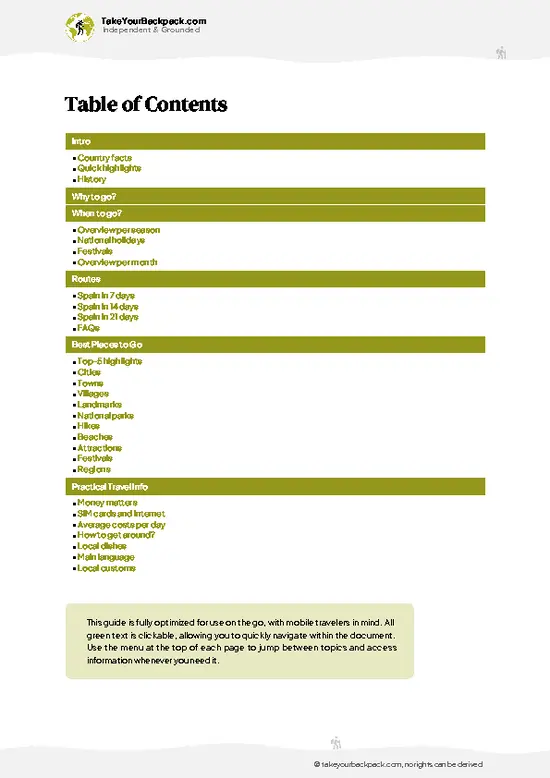
example page 2 from our offline Travel Guide for Spain
example page 3 from our offline Travel Guide for Spain
example page 4 from our offline Travel Guide for Spain
example page 5 from our offline Travel Guide for Spain
example page 6 from our offline Travel Guide for Spain
example page 7 from our offline Travel Guide for Spain
The digital guide (542 pages) contains:
148 highlights, ranked by travel appeal
Optimized 7, 14 & 21-day travel routes
Cities, national parks, landmarks, beaches
How to get around
Offline-friendly for travel without Wi-Fi
👉 Click to see all 30+ guide features

📅 Plan smarter in minutes, not weeks
Month by month travel advice
Festivals & national holidays
Budget expectations

🗺️ Go to the right places, skip the overrated ones
Honest pros & cons of destinations
Top hikes, parks & viewpoints
Lesser-known places most travelers miss
Clear “worth it vs skip it” guidance

🛏️ Travel smoothly without rookie mistakes
Best areas to stay
Transport systems explained simply
Common scams & safety advice
SIM cards, money & practical tips

🌍 Understand the country, not just visit it
Culture & traditions
52 Essential phrases & customs
Festivals worth planning around
Traveler-friendly historical context
Insights that make places more meaningful

📱 Built for real travel conditions
Fully downloadable PDF
Works completely offline
Optimized for phone use
Useful in remote areas & buses
Everything in one place
Save weeks of stressful planning
Get instant access to your full guide. 30‑day money-back guarantee.
+ Add another guide for just US$7.80

By proceeding you agree to our terms.
Sent to your inbox immediately after payment • 100% Secure Checkout
Best Backpacking Travel Advisor 2025 tourism awardBest Backpacking
Travel Advisor
2025
What others say about Take Your Backpack Guides:
⭐⭐⭐⭐⭐
Fantastic, amazing amount of information!
⭐⭐⭐⭐⭐
My goodness this is amazing, it's what I've been looking for hats off too you!
⭐⭐⭐⭐⭐
I think this is absolutely BRILLIANT
⭐⭐⭐⭐
Very complete and informative. It's still missing places, but I gotta to commend you
⭐⭐⭐⭐⭐
This is truly amazing, thank you, can't wait to explore it with my kids!
⭐⭐⭐⭐⭐
Awesome resource, thank you!
⭐⭐⭐⭐⭐
This is amazing! Can't wait to explore the ones I haven't seen
⭐⭐⭐⭐
I love this! Well done, great idea.
⭐⭐⭐⭐⭐
Thanks for taking the time to make this gem!
⭐⭐⭐⭐⭐
This might be the best website I've ever seen.
⭐⭐⭐⭐⭐
Congratulations, and thank you so much for your work; it's incredibly valuable.
⭐⭐⭐⭐
In all seriousness I think you did a great job pointing out the important spots
⭐⭐⭐⭐⭐
10/10 very good
⭐⭐⭐⭐⭐
As someone who's only just starting to visit regularly this is awesome, thank you.
⭐⭐⭐⭐
Thank you very much! I'm going to visit my dad, it's going to be very useful!
⭐⭐⭐⭐⭐
This is really cool! We'll be travelling for the first time and this definitely come in handy.
⭐⭐⭐⭐⭐
You are now our minister of culture, congratulations 👨‍💼
⭐⭐⭐⭐⭐
Just wanted to tell you that this is a pearl! Going to follow your recommendations.
⭐⭐⭐⭐⭐
This is so cool. I'll definitely be using the resource for my travels soon.
⭐⭐⭐⭐⭐
This is very impressive! Good work.
⭐⭐⭐⭐⭐
This is an amazing and informative site. Very well done!

🛏️ Where to stay?How to pick the right area

For the vibrant buzz of the ’Dia de los Reyes Magos’ festival, head to the heart of Madrid. The neighborhoods of Malasaña and Chueca are alive with energy, perfect for solo backpackers and budget travelers. Here, you’ll find a mix of cozy bars and lively plazas where you can mingle with locals and fellow travelers.

Stay close to the action, but keep your wits about you. Avoid the tourist traps around Gran Vía; they can drain your wallet and energy. Instead, embrace the authentic vibe of Lavapiés, where street art and multicultural eateries create a rich tapestry of experiences.

These areas … read more 👉
For the vibrant buzz of the ’Dia de los Reyes Magos’ festival, head to the heart of Madrid. The neighborhoods of Malasaña and Chueca are alive with energy, perfect for solo backpackers and budget travelers. Here, you’ll find a mix of cozy bars and lively plazas where you can mingle with locals and fellow travelers.

Stay close to the action, but keep your wits about you. Avoid the tourist traps around Gran Vía; they can drain your wallet and energy. Instead, embrace the authentic vibe of Lavapiés, where street art and multicultural eateries create a rich tapestry of experiences.

These areas are not just safe; they’re social hubs. You’ll find spontaneous gatherings, impromptu performances, and the chance to savor the sweet roscón de Reyes. Dive in, connect, and let the festival sweep you off your feet!

👛 Costs (as of 4 September 2026)Money, prices, and spending tips

The Dia de los Reyes Magos festival in Spain is a vibrant celebration, but navigating the costs can be tricky. Here’s what you need to know to keep your budget in check while soaking up the festivities.
  • Festival Tickets: Most events during the festival are free, especially the parades. However, if you want to catch a specific concert or performance, expect to pay between €10 to €30. Some premium seating options may go higher, but don’t stress; the street festivities are where the real magic happens.
  • Accommodation: Prices vary widely based on location and type. In major cities like Madrid or Barcelona, budget hotels or hostels range from €25 to €60 per night. If you’re looking for something more comfortable, mid-range hotels can cost between €70 to €150. Book early to avoid last-minute price
read more 👉
The Dia de los Reyes Magos festival in Spain is a vibrant celebration, but navigating the costs can be tricky. Here’s what you need to know to keep your budget in check while soaking up the festivities.
  • Festival Tickets: Most events during the festival are free, especially the parades. However, if you want to catch a specific concert or performance, expect to pay between €10 to €30. Some premium seating options may go higher, but don’t stress; the street festivities are where the real magic happens.
  • Accommodation: Prices vary widely based on location and type. In major cities like Madrid or Barcelona, budget hotels or hostels range from €25 to €60 per night. If you’re looking for something more comfortable, mid-range hotels can cost between €70 to €150. Book early to avoid last-minute price hikes.
  • Local Transport: Public transport is your best friend. A single metro or bus ticket costs around €1.50. If you plan to hop around, consider a multi-day pass for about €15 to €20. Taxis are available but can add up quickly, especially late at night.
  • Food & Drinks: Street food is a highlight. Grab a churro or a slice of roscón de Reyes for about €3 to €5. If you sit down for a meal, budget around €15 to €30 per person for a decent restaurant. Don’t forget to try the local wines or a glass of horchata!
  • Miscellaneous Expenses: Factor in souvenirs, snacks, or any spontaneous activities. Set aside €20 to €50 for these extras. It’s easy to get swept up in the festive spirit, so keep a little cash handy for those unexpected delights.

Stay sharp, plan ahead, and you’ll have the energy and funds to truly enjoy the experience.


source: spain.info
⚠️ Prices can change and everyone travels differently, so take this as a rough guide. Hope it helps you plan your adventure!

🍲 FoodLocal Cuisine & Drinks

At the Dia de los Reyes Magos, food and drink pulse with local flavor. Dive into Roscón de Reyes, a sweet, ring-shaped cake adorned with colorful candied fruits. It’s not just dessert; it’s a tradition. Grab a slice, but watch for the hidden figurine inside—whoever finds it gets crowned king or queen for the day!

Street stalls buzz with churros and thick chocolate for dipping. The aroma alone pulls you in. Pair that with a cup of cava, the sparkling wine that flows freely during celebrations.

Etiquette is key: sharing is a must. Don’t hog the Roscón; pass it around. Lines can be long, so bring cash—some vendors don’t take cards. Serving sizes? Expect generous portions; this festival is about abundance, so savor every bite!

FAQFrequently asked questions about Dia de los Reyes Magos

January 6th is when Dia de los Reyes Magos takes place, marking the Epiphany. The celebrations often start on the evening of January 5th with parades called Cabalgata de Reyes. This date is fixed annually across Spain.
Attending Dia de los Reyes Magos is generally free, especially the public parades and street celebrations. Some special events or performances may charge a fee, typically ranging from 10 to 30 euros. Most festivities are accessible without cost.
No, you do not need tickets in advance for the main public events like the parades on January 5th. However, if you want to attend specific indoor shows or reserved seating events, booking ahead is recommended. Most street celebrations are open and ticket-free.
⚠️ Things can change over time, so always validate details locally before you go.

Other Spanish festivals near Dia de los Reyes Magos

Explore more nearby:

  • Noche de San Juan—beach bonfires, midnight swims, fireworks, summer solstice| 59 km away
  • Las Fallas—papier-mâché sculptures, fireworks, street fires, Valencian tradition| 65 km away
  • La Tomatina—tomato fight, narrow streets, protective eyewear, festival chaos| 69 km away

💡 Not sure where to go next?
Create a personalized itinerary for Spain including Dia de los Reyes Magos and the places that fit your trip.

Generate my itinerary

👉 Discover all festivals

Or checkout all Spain has to offer (think cities, towns, villages, national parks, hikes, beaches, festivals)
Country photo of Spain

We 💚 feedbackKey takeaways before you go

Experiencing Dia de los Reyes Magos in Spain is like diving into a vibrant sea of tradition and joy. The parades pulse with life, and the sweet aroma of roscón de Reyes fills the air. Just be ready for crowds; navigating them can drain your energy. Embrace the chaos, and you’ll find the magic in every moment.

✈️ When did I visit Spain?
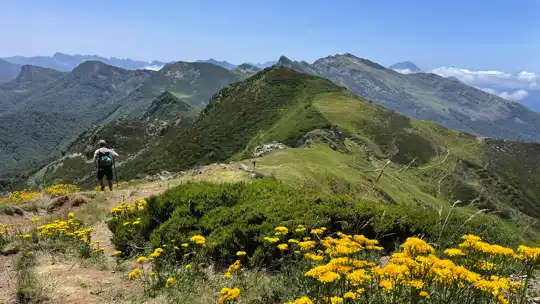
With Spain having so much to offer, I have visited it many times. Best trip was a hiking tour in the Picos de Europa in the North of Spain in July 2023.

✍️ Help improve this page!
The information on this page is based on my own backpacking experience in Spain, supplemented with up-to-date research and feedback from other travelers. Travel details can change, so if you notice anything outdated or incomplete, feel free to let me know.


🙋‍♂️ Give feedback

👋 Meet the founderWho’s Behind Take Your Backpack?

Johan, backpacker and founder of TakeYourBackpackHi, I’m Johan (Netherlands 🇳🇱), the creator of TakeYourBackpack. Over the past decade, I’ve backpacked through 80+ countries across six continents, gaining extensive experience with independent travel, long-term trips, and overland routes.

This site is built on a combination of firsthand travel experience and carefully curated insights from other backpackers. Many guides are based on places I’ve personally visited, while others bring together tips, observations, and practical advice shared by trusted travelers I’ve met along the way.

The goal is to provide realistic, experience-driven guidance — not generic itineraries — so you can explore destinations with better context, clearer expectations, and more confidence.

Get full Spain guide •
Instant download • 148 highlights • Full Offline guide