v2.webp)
The Palace Interior: Baroque Meets Royal Soap Opera
Forget the filtered photos of empty, echoing halls. Drottningholm’s main palace is a living, breathing royal residence—yes, the Swedish royal family actually lives here. You’ll dodge tour groups and selfie sticks, but the payoff is real: gold-leaf ceilings, myth-packed tapestries, and a sense of history that’s less “museum” and more “Game of Thrones, but with better furniture.” The 17th-century state rooms are a masterclass in Swedish restraint meeting European excess. Don’t skip the Chinese Pavilion room—think Versailles, but with a Scandinavian plot twist.
The Drottningholm Court Theatre: Time Travel Without the Cheesy Costumes
This isn’t your average palace theater. Built in 1766 and still using its original wooden stage machinery, the … read more 👉
Forget the filtered photos of empty, echoing halls. Drottningholm’s main palace is a living, breathing royal residence—yes, the Swedish royal family actually lives here. You’ll dodge tour groups and selfie sticks, but the payoff is real: gold-leaf ceilings, myth-packed tapestries, and a sense of history that’s less “museum” and more “Game of Thrones, but with better furniture.” The 17th-century state rooms are a masterclass in Swedish restraint meeting European excess. Don’t skip the Chinese Pavilion room—think Versailles, but with a Scandinavian plot twist.
The Drottningholm Court Theatre: Time Travel Without the Cheesy Costumes
This isn’t your average palace theater. Built in 1766 and still using its original wooden stage machinery, the … read more 👉
The Palace Interior: Baroque Meets Royal Soap Opera
Forget the filtered photos of empty, echoing halls. Drottningholm’s main palace is a living, breathing royal residence—yes, the Swedish royal family actually lives here. You’ll dodge tour groups and selfie sticks, but the payoff is real: gold-leaf ceilings, myth-packed tapestries, and a sense of history that’s less “museum” and more “Game of Thrones, but with better furniture.” The 17th-century state rooms are a masterclass in Swedish restraint meeting European excess. Don’t skip the Chinese Pavilion room—think Versailles, but with a Scandinavian plot twist.
The Drottningholm Court Theatre: Time Travel Without the Cheesy Costumes
This isn’t your average palace theater. Built in 1766 and still using its original wooden stage machinery, the Drottningholm Court Theatre is a working time capsule. If you can, catch a performance—operas and ballets here aren’t just shows, they’re full-on historical reenactments, with candlelight and trapdoors straight out of the Enlightenment. Even if you just tour the backstage, you’ll see how 18th-century tech beats modern CGI for pure, analog magic. This is my personal favorite—nothing else in Europe lets you step into the wings of royal entertainment quite like this.
The Chinese Pavilion: Sweden’s 18th-Century Obsession with the Exotic
Instagram will show you the pastel exteriors, but the real story is inside. The Chinese Pavilion is a fever dream of Swedish chinoiserie—lacquered panels, secret cabinets, and imported porcelain that once screamed “look how worldly we are!” It’s kitsch, it’s imperial fantasy, and it’s a fascinating look at how far European royals would go to impress their friends. The walk through the woods to get here is half the fun; you’ll feel like you’ve stumbled into a secret set from a Wes Anderson film.
The Gardens: Geometry, Drama, and the Occasional Peacock
Don’t expect wild, romantic English lawns. Drottningholm’s gardens are all about control—razor-straight hedges, fountains that actually work, and sightlines that make you feel like you’re starring in a period drama. The Baroque section is pure geometry, while the English park is a little looser, with winding paths and the odd surprise statue. In summer, the place buzzes with locals picnicking and kids chasing peacocks. It’s not private, but it’s lively in a way that makes you feel part of the royal routine.
The Palace Chapel: Where Royal Drama Gets Spiritual
Skip the queue for the main halls and duck into the palace chapel. It’s small, but the acoustics and late-Baroque details pack a punch. If you’re lucky, you’ll catch a wedding or a concert—Swedes know how to make even a royal chapel feel intimate and alive. The contrast between the ornate altar and the understated pews is a crash course in Swedish design priorities: drama, but never gaudiness.
Forget the filtered photos of empty, echoing halls. Drottningholm’s main palace is a living, breathing royal residence—yes, the Swedish royal family actually lives here. You’ll dodge tour groups and selfie sticks, but the payoff is real: gold-leaf ceilings, myth-packed tapestries, and a sense of history that’s less “museum” and more “Game of Thrones, but with better furniture.” The 17th-century state rooms are a masterclass in Swedish restraint meeting European excess. Don’t skip the Chinese Pavilion room—think Versailles, but with a Scandinavian plot twist.
The Drottningholm Court Theatre: Time Travel Without the Cheesy Costumes
This isn’t your average palace theater. Built in 1766 and still using its original wooden stage machinery, the Drottningholm Court Theatre is a working time capsule. If you can, catch a performance—operas and ballets here aren’t just shows, they’re full-on historical reenactments, with candlelight and trapdoors straight out of the Enlightenment. Even if you just tour the backstage, you’ll see how 18th-century tech beats modern CGI for pure, analog magic. This is my personal favorite—nothing else in Europe lets you step into the wings of royal entertainment quite like this.
The Chinese Pavilion: Sweden’s 18th-Century Obsession with the Exotic
Instagram will show you the pastel exteriors, but the real story is inside. The Chinese Pavilion is a fever dream of Swedish chinoiserie—lacquered panels, secret cabinets, and imported porcelain that once screamed “look how worldly we are!” It’s kitsch, it’s imperial fantasy, and it’s a fascinating look at how far European royals would go to impress their friends. The walk through the woods to get here is half the fun; you’ll feel like you’ve stumbled into a secret set from a Wes Anderson film.
The Gardens: Geometry, Drama, and the Occasional Peacock
Don’t expect wild, romantic English lawns. Drottningholm’s gardens are all about control—razor-straight hedges, fountains that actually work, and sightlines that make you feel like you’re starring in a period drama. The Baroque section is pure geometry, while the English park is a little looser, with winding paths and the odd surprise statue. In summer, the place buzzes with locals picnicking and kids chasing peacocks. It’s not private, but it’s lively in a way that makes you feel part of the royal routine.
The Palace Chapel: Where Royal Drama Gets Spiritual
Skip the queue for the main halls and duck into the palace chapel. It’s small, but the acoustics and late-Baroque details pack a punch. If you’re lucky, you’ll catch a wedding or a concert—Swedes know how to make even a royal chapel feel intimate and alive. The contrast between the ornate altar and the understated pews is a crash course in Swedish design priorities: drama, but never gaudiness.
Spotted a mistake or missing something? Contact us.

Stockholm Top attractions all-inclusive Grand Tour

Royal Palaces of Sweden: Private Drottningholm & Gripsholm

Drottningholm Palace Private Tour with Hotel Transfer

Luxury Private Stockholm & Drottningholm Castle VIP Experience

Gripsholm and Drottningholm Palace VIP Castle Tour in Luxury Car

Private VIP Stockholm Tour – Drottningholm & Gripsholm Palaces

Stockholm Grandeur & Drottningholm Palace Private Tour

EXCLUSIVE Drottningholm Palace & Chinese Pavilion PRIVATE SERVICE

Royal Castles of Lake Malaren in Gripsholm and Drottningholm Tour


 Best Backpacking
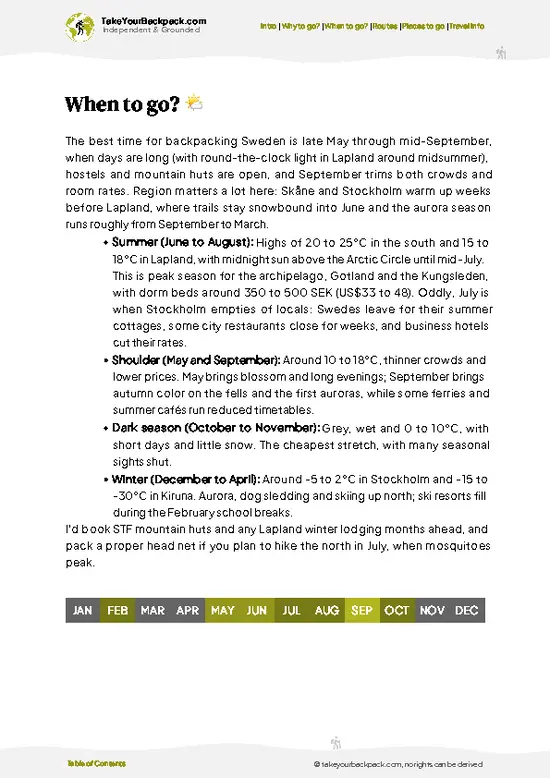
.jpg) Hi, I’m Johan (Netherlands 🇳🇱), the creator of TakeYourBackpack. Over the past 3 decades, I’ve backpacked through 90+ countries across six continents, gaining extensive experience with independent travel, long-term trips, and overland routes.
Hi, I’m Johan (Netherlands 🇳🇱), the creator of TakeYourBackpack. Over the past 3 decades, I’ve backpacked through 90+ countries across six continents, gaining extensive experience with independent travel, long-term trips, and overland routes.